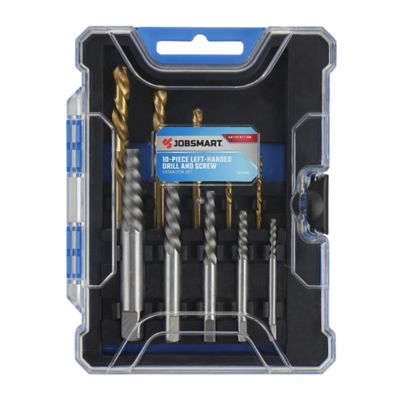
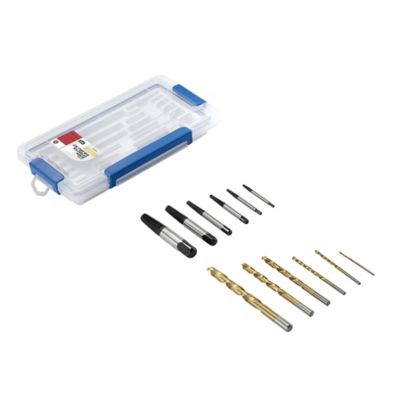
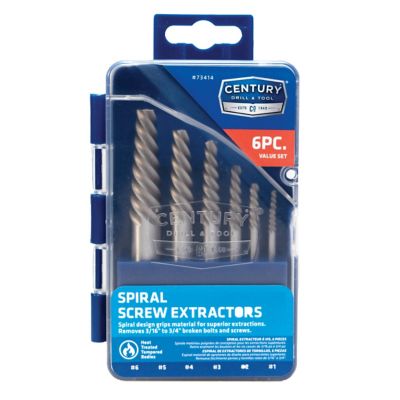
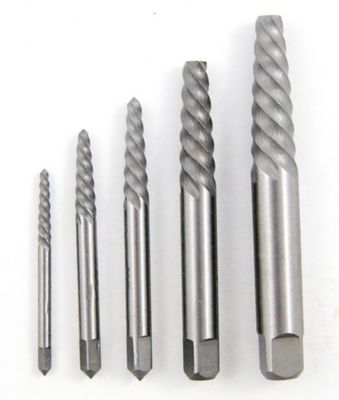
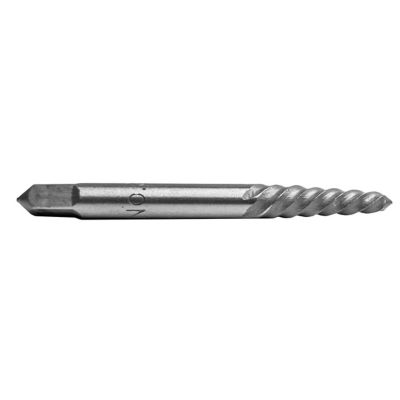
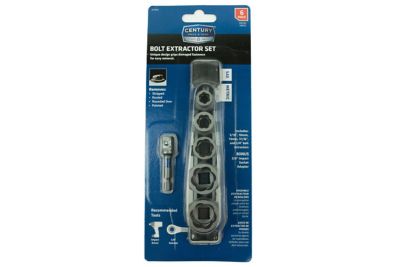
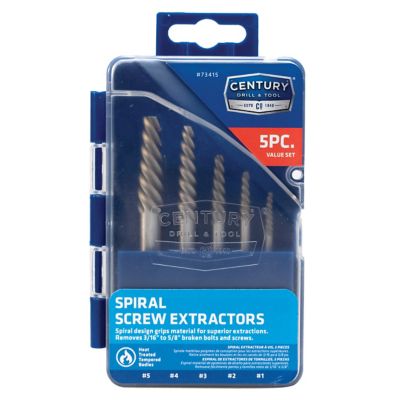
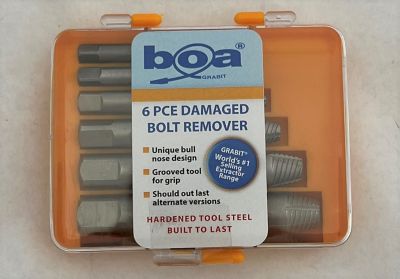
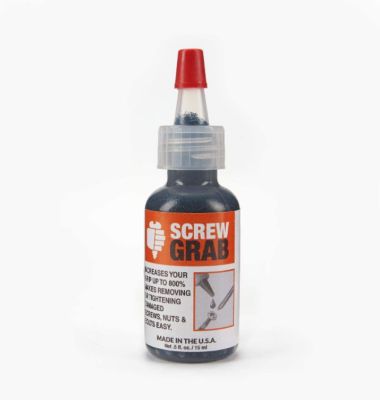
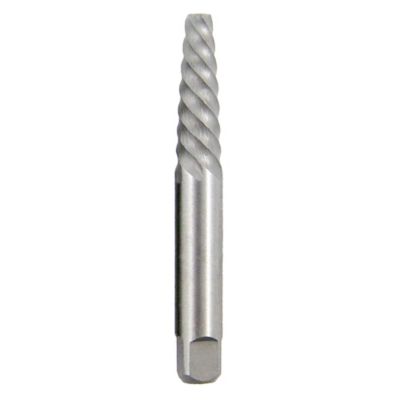
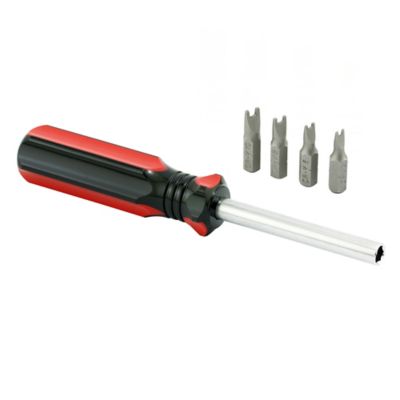
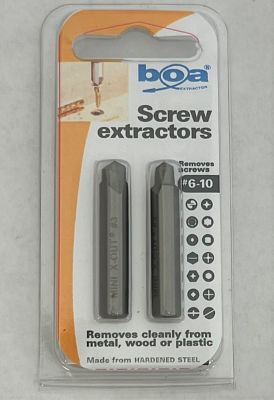
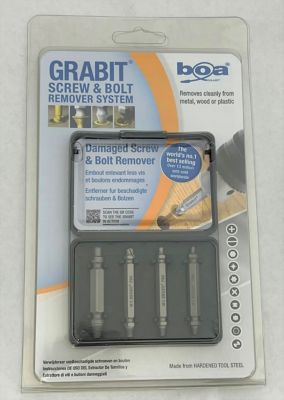
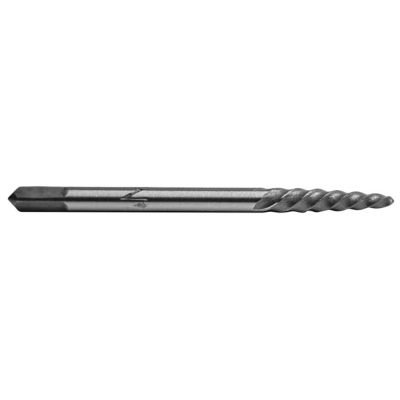
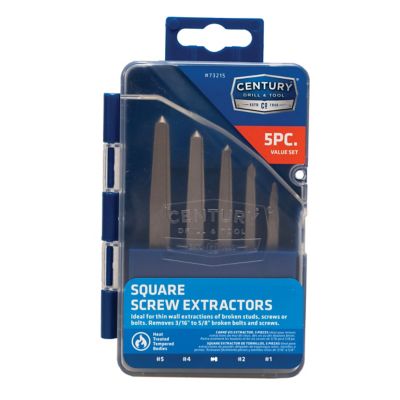
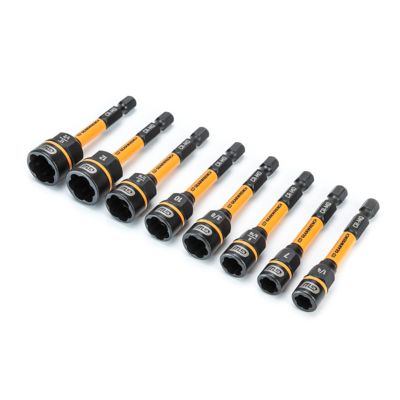
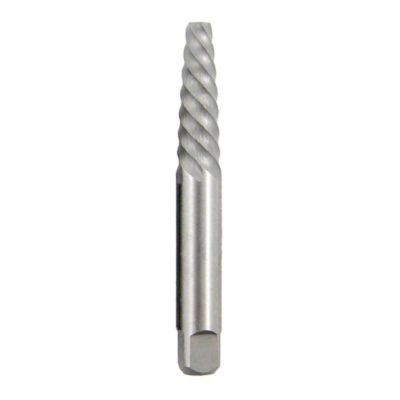
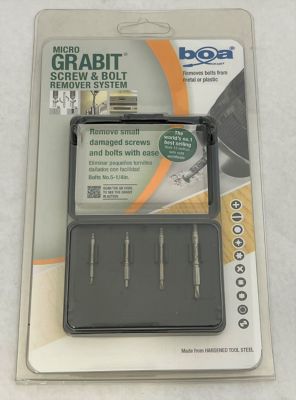
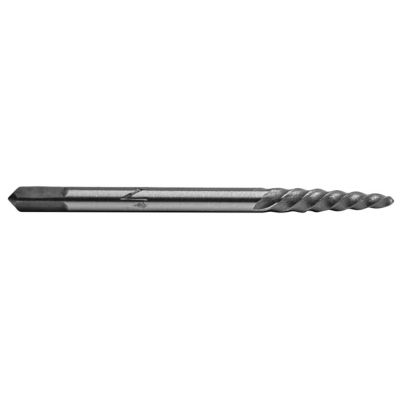
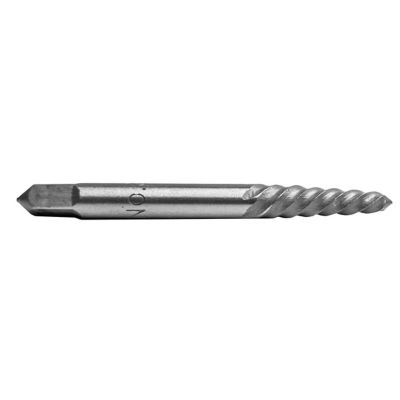
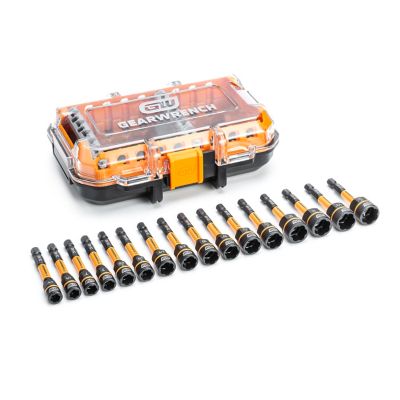
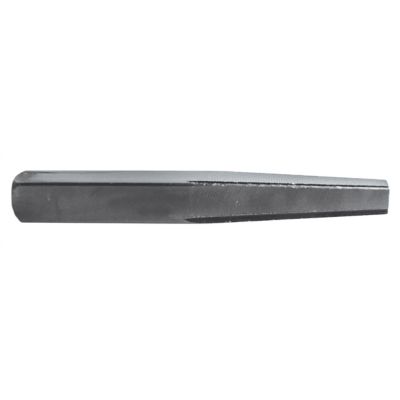
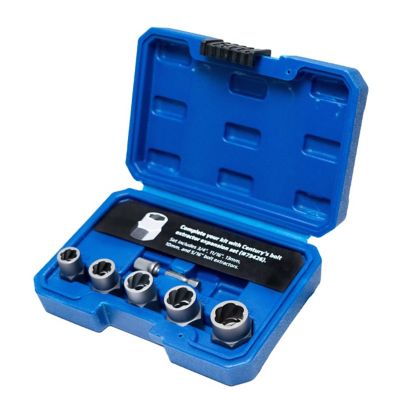
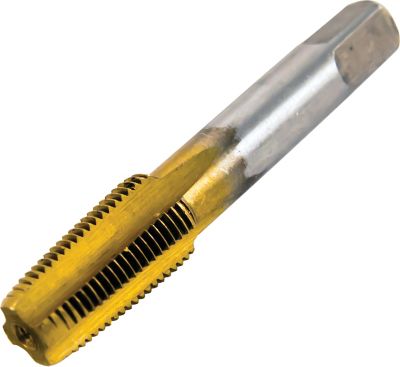
Screw removers, also called screw extractors, are tools that grip damaged fasteners when a regular screwdriver or driver bit can no longer turn them. They’re made for stripped screw heads, broken screw shafts and certain damaged bolts, with different designs suited to different kinds of trouble. A rounded-out screw in a gate hinge calls for a different grip than a bolt snapped flush with a mower housing. Some removers bite into a drilled hole in the fastener, while others grip the outside of an exposed head. That distinction matters when choosing a tool: the amount of metal left, the room around the fastener and the condition of the surrounding material all affect the fit. Spiral-flute extractors have tapered, reverse-cutting flutes that bite into a properly sized pilot hole as the tool turns counterclockwise to loosen a conventional right-hand-thread fastener. Straight-flute extractors engage a prepared hole with straight cutting edges; certain designs can remove either right-hand- or left-hand-thread fasteners, depending on their specifications. Short, multi-spline extractors offer another internal-gripping option, with multiple engagement points and a compact shape that can help where clearance is limited. They still need the hole size and depth specified for the tool. Double-ended screw extractor bits combine a hole-preparation end with an extracting end, keeping both functions on one bit. External-grip extractors fit over damaged heads rather than reaching into a drilled opening, so they need enough exposed metal and clearance to seat properly. For folks repairing barn hardware, maintaining equipment or fixing a stubborn cabinet hinge, these differences are more useful than judging an extractor by its size alone. The right style matches the damage without asking a small tool to handle more force than it can take. Screw removers belong among repair tools that solve a particular problem, not among everyday driving bits meant to install and remove sound screws. Their purpose is to establish a fresh grip after the original drive recess or head has failed.
Fit starts with the fastener, but it doesn’t end there. Extractor sizing may refer to screw diameter, bolt diameter or a required drill size, and those measurements aren’t interchangeable. A size chart that clearly pairs the extractor with its pilot hole helps take the guesswork out of matching parts at the workbench. Sets covering several diameters make sense for a shop that handles everything from small hardware to larger equipment fasteners, while a narrower size range may suit recurring repairs. The drive end matters, too: some extractors accept a tap wrench or another hand-operated holder, and others have a hex shank intended for a compatible drill or bit holder. A hex shank alone doesn’t mean a tool is rated for an impact driver. Power-tool compatibility, operating direction and speed should follow the extractor’s instructions, especially with double-ended designs whose preparation ends can work differently. Reach is another practical consideration. A recessed screw inside a bracket needs access along its centerline, while a fastener beside a frame rail may leave little space for a drill chuck or wrench handle. Longer reach can help with access, but it also makes straight alignment harder to maintain. Material matters because extractor edges must bite into metal without quickly losing their shape. Hardened tool steel is common in extracting components, while high-speed steel often appears in drilling components; construction varies by design. Hardness supports bite and wear resistance, but a hardened extractor can still snap under excessive twisting or sideways pressure. A broken piece inside a screw can make the repair much tougher. Fastener material also changes the job. A soft screw may deform around an aggressive taper, and a very hard fastener may require specialized drilling equipment. Thin metal, plastic housings and finished wood bring their own limits, since enlarging the hole or slipping off center can damage more than the screw. Clear sizing, suitable reach and a compatible holder are worth close attention when comparing screw removal tools.
Intended use helps separate a useful addition to the toolbox from a tool that doesn’t fit the work. For a ranch hand dealing with worn hinge screws, a mechanic tackling broken equipment fasteners or a homeowner working through a repair list, screw extractors offer a way to address damage without immediately replacing the surrounding part. They aren’t a promise that every seized screw will come free. Corrosion, thread-locking compounds, cross-threading and overtightening can all resist removal even after the extractor has a firm hold. A screw with a damaged recess but an otherwise exposed head presents different options from a shaft broken below the surface. Where a drive recess still has enough shape to hold the correct bit,
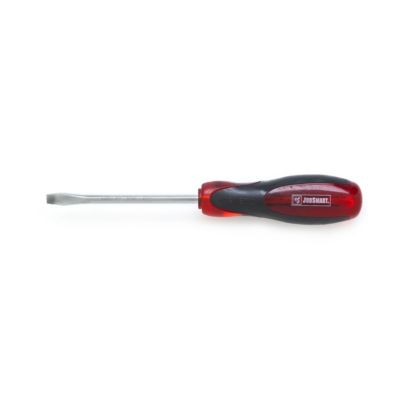
Hammer Screwdrivers may be worth considering for suitable applications before moving to an extractor; striking tools require hardware and surrounding material that can tolerate the force. Extraction work also benefits from supporting the workpiece, keeping the tool centered and wearing eye protection against metal chips. On equipment, shutting down and isolating power before a repair matters just as much as tool selection. These are small tools that reward controlled force rather than a longer handle and a harder pull. Care between jobs helps preserve their working edges and keeps a matched set ready for the next stubborn fastener. Metal chips and residue should be cleared away before storage, and tools should be dry, with rust protection applied as their care instructions recommend. A fitted case keeps size markings easy to find and prevents loose bits from knocking together in a drawer. Worn cutting edges, bent shanks and chipped flutes are reasons to stop and assess the tool rather than force another repair. For someone who spends plenty of time at a workbench, a clearly marked extractor set can also make a practical gift, especially when its size range fits the work they tackle. From a stripped latch screw to a broken fastener in a serviceable assembly, screw removers earn their place by providing another option when ordinary driving tools have run out of grip.