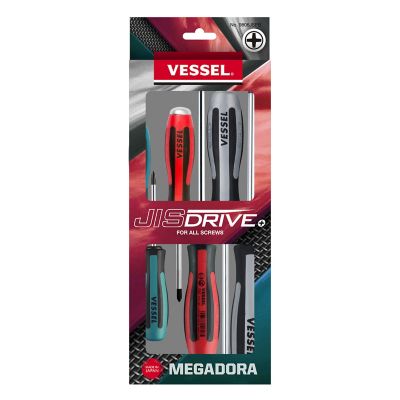
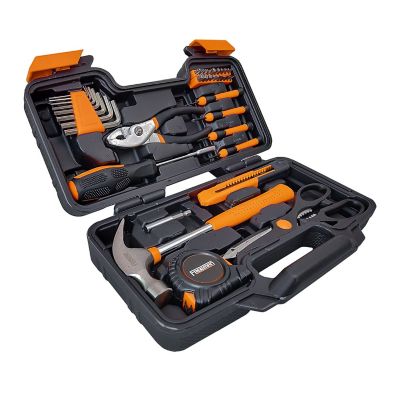
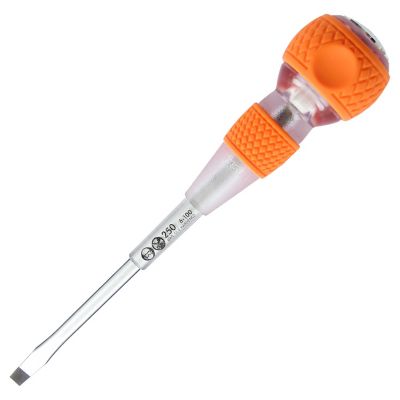
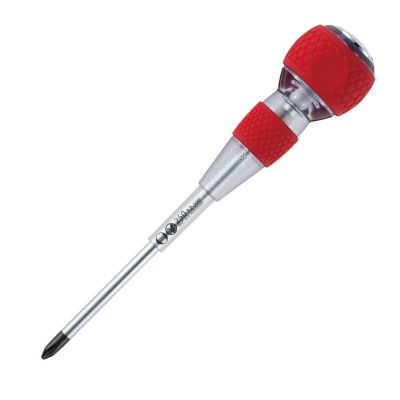
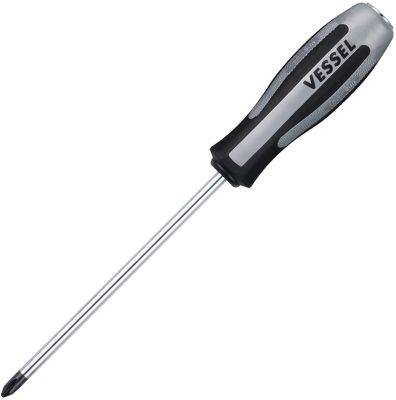
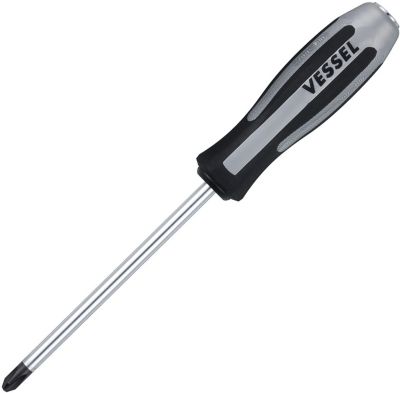
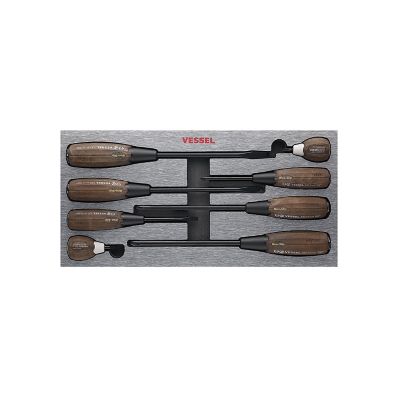
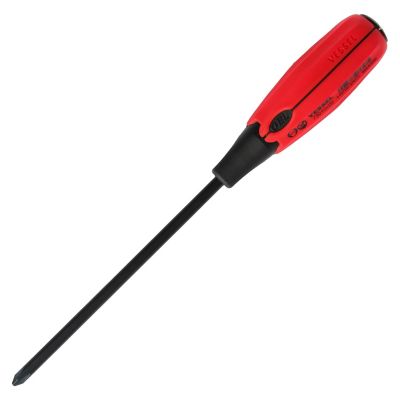
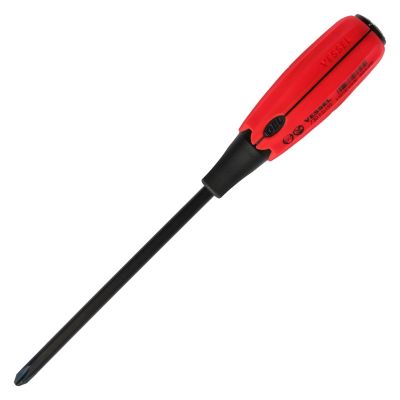
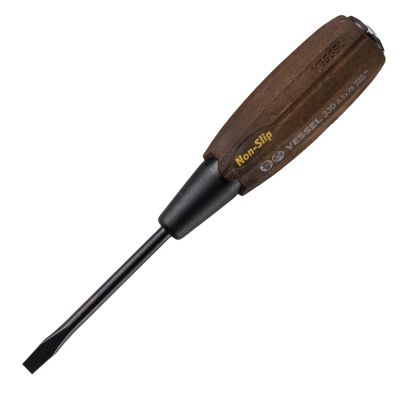
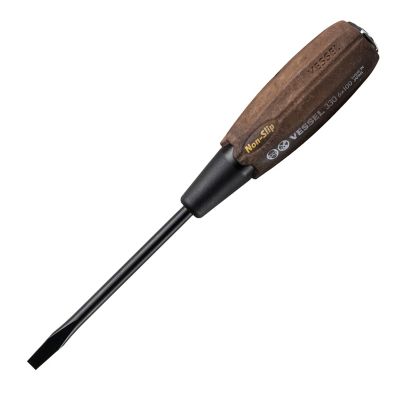
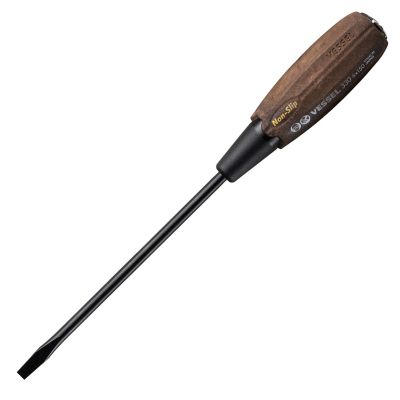
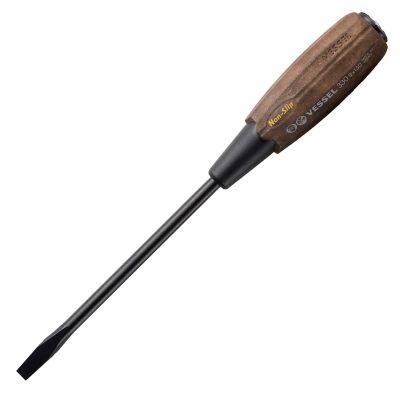
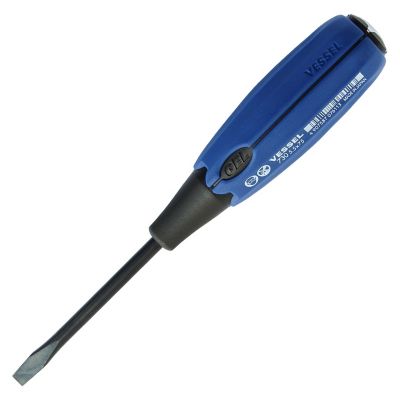
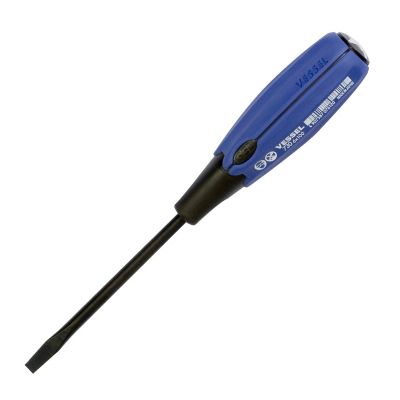
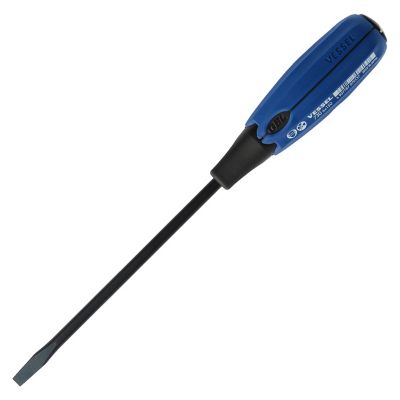
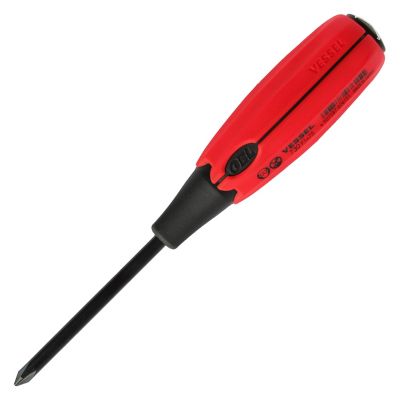
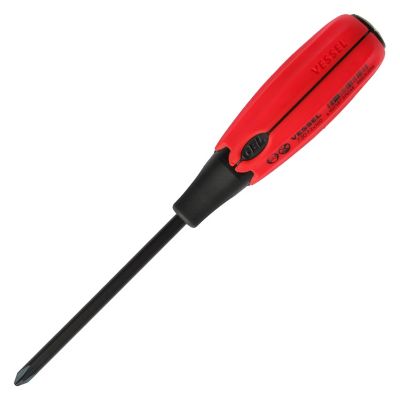
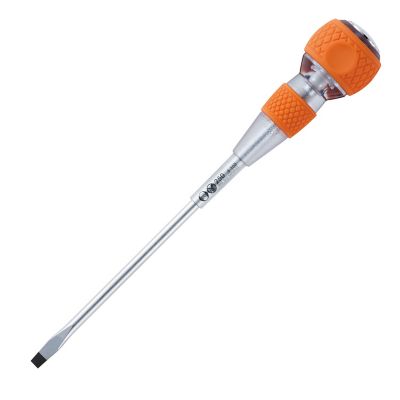
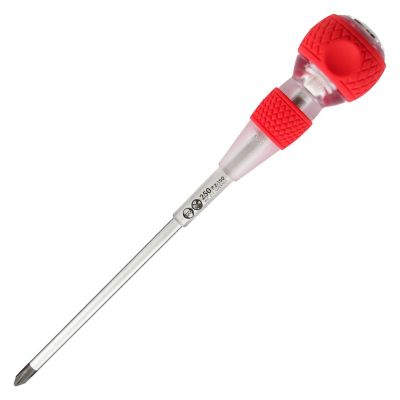
Hammer screwdrivers are handy problem-solvers for the stubborn fasteners that make an otherwise simple repair turn into an afternoon job. In most cases, the name refers to a manual impact screwdriver: a solid hand tool with a striking cap and an internal mechanism that turns a hammer blow into a short burst of twisting force. Set the collar for loosening or tightening, fit the right bit into the screw, press the bit firmly into the fastener, and strike the back of the tool with a standard hammer. The downward force helps keep the bit seated while the internal cam rotates it slightly, often around 10 to 12 degrees, giving the screw a better chance of breaking free without chewing up the head. That combination is especially useful on rusted hardware, paint-bound screws, seized fasteners on equipment, and screws that have already started to strip. A hammer screwdriver is not meant to replace a drill or ordinary screwdriver for every job; it shines when a little controlled impact and extra torque are needed. Look for a sturdy steel body, a cap designed to receive hammer blows, a comfortable grip that stays steady with work gloves, and a direction selector that is easy to see and operate. A kit with several common bits can be more useful than a single-bit tool, particularly around the barn, garage, workshop, or truck where fasteners come in many shapes. Phillips and slotted bits cover plenty of household and farm repairs, while Torx, square, and other specialty bits can help with equipment, automotive parts, appliances, and manufactured hardware. If a project calls for six-sided fasteners or drivers, you may also want to browse
Hex Screwdrivers for a more suitable fit.
When shopping, match the tool to the work instead of choosing by size alone. A manual impact screwdriver should feel balanced in your hand, with a shank and striking end built to handle repeated blows. Bits should be made from durable steel and fit the fastener snugly; a loose or undersized bit can slip, round the screw head, or send metal chips flying. Check that replacement bits are available if the set includes less-common sizes, and consider a case or organized holder if the tool will travel between a house, shed, service truck, and jobsite. Some people use “hammer screwdriver” to describe a heavy-duty demolition screwdriver, which is a different but related tool. These screwdrivers often have a reinforced through-shank and a steel end that can be struck when loosening stuck parts, scraping material, or doing light prying. They are built for rougher treatment than a standard cabinet screwdriver, but they still are not a substitute for a chisel or pry bar when the job calls for either one. There are also compact combination tools that pair a small hammer function with fold-out screwdriver bits, making them useful for camping kits, roadside boxes, or quick household fixes. Knowing which style you need helps prevent disappointment: a manual impact model is the better choice for seized screws, a demolition style fits rugged general-purpose work, and a compact multi-tool favors portability over maximum leverage. Before using any of them, clear away dirt and rust so the bit can sit fully in the screw, select the exact bit size, and inspect the fastener for damage. For a screw that is deeply corroded, a penetrating lubricant and a little time may do more good than harder swings. Gentle, square strikes are usually more effective than wild force, and keeping the workpiece supported can protect both the fastener and the surrounding material.
These tools earn their keep in places where repairs have to be practical and dependable. A landowner may use one on gate hardware, mower components, trailer fittings, or old fasteners exposed to weather. A mechanic can reach for a manual impact screwdriver when a stubborn screw is holding a brake, engine, or body component in place. Around the house, it can help with aging hinges, cabinet hardware, appliance panels, and screws that have been painted over through years of touch-ups. They also make useful gifts for a new homeowner, a first-time vehicle owner, a student setting up a workbench, or anyone who enjoys keeping a little order in the garage. Pairing a hammer screwdriver with quality bits, safety glasses, work gloves, and a small organizer makes a practical gift that can be used for years rather than tucked away in a drawer. Use eye protection every time a hammer strikes metal, and wear hearing protection during repeated work. Keep fingers away from the striking end, hold the tool straight in line with the screw, and make sure the bit cannot slip toward your hand or nearby wiring. Never strike a tool that is cracked, bent, mushroomed, or not designed for impact, and do not use a regular screwdriver as a makeshift chisel. When working on machinery, shut it down, disconnect power, and allow hot parts to cool before reaching into tight spaces. During the warmer part of the year, these tools are useful for outdoor repairs and equipment upkeep; during cooler months, they can help bring old hardware back into service before a project moves indoors. With the right bit, a solid grip, and a measured swing, hammer screwdrivers give do-it-yourselfers and working pros a dependable way to tackle the fasteners that ordinary hand tools cannot budge.