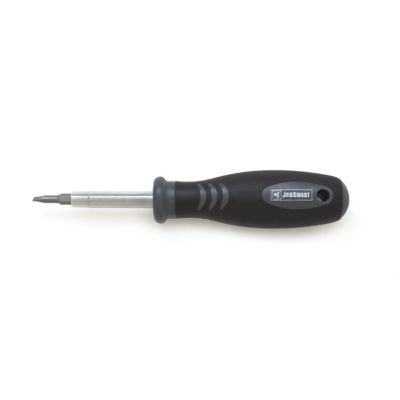
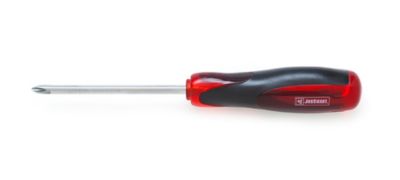
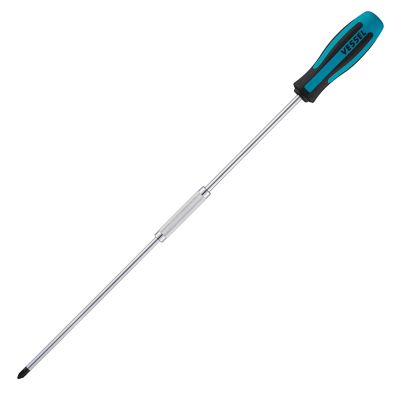
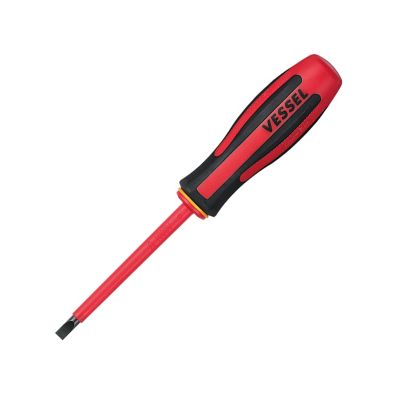
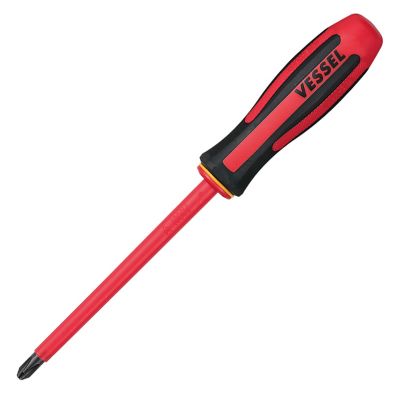
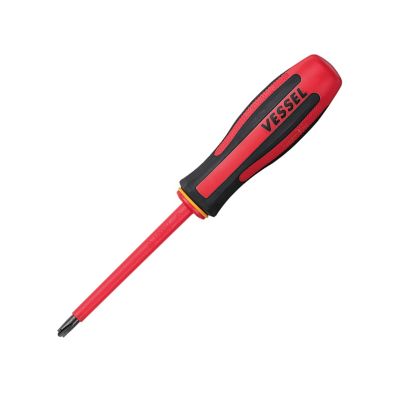
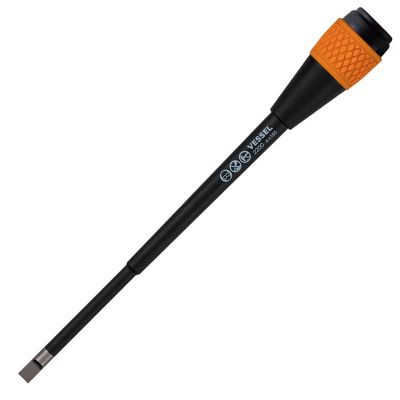
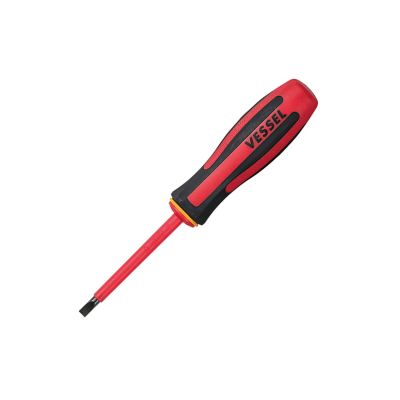
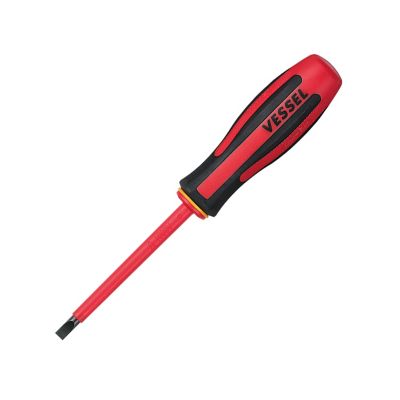
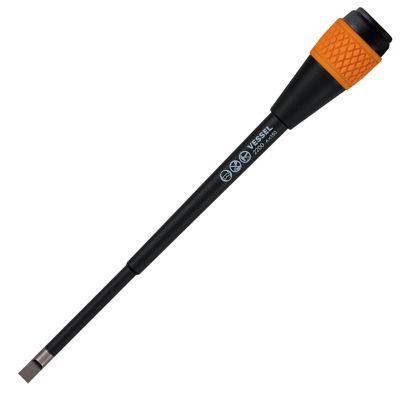
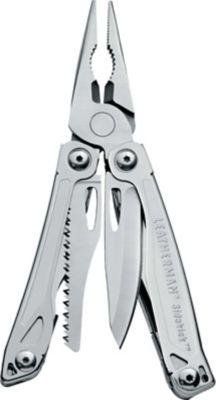
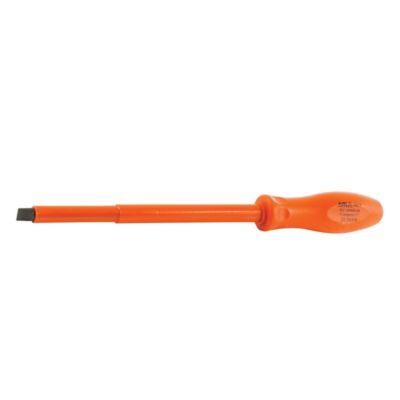
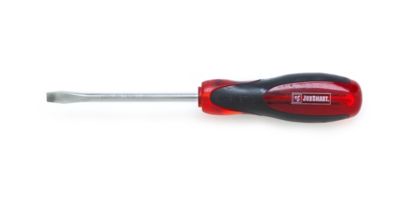
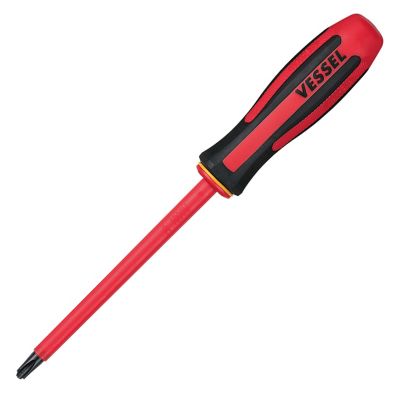
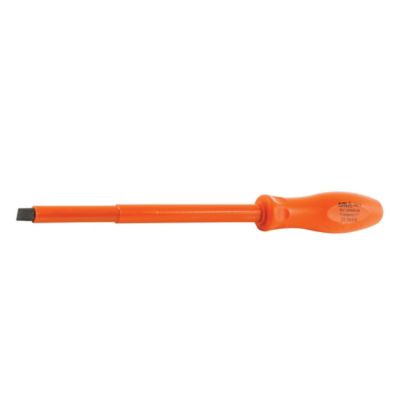
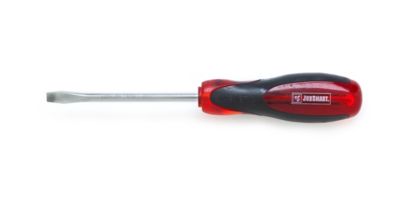
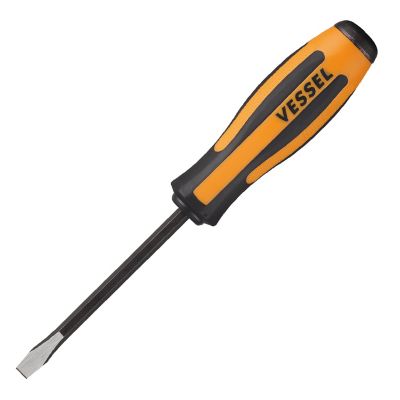
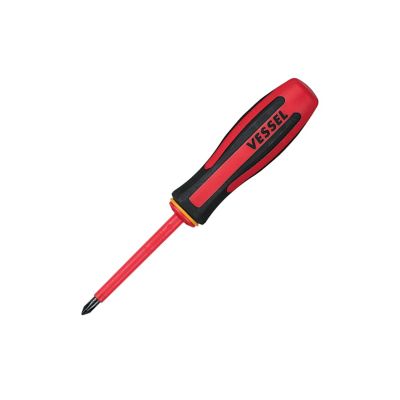
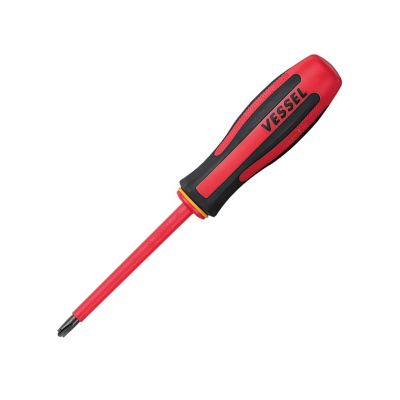
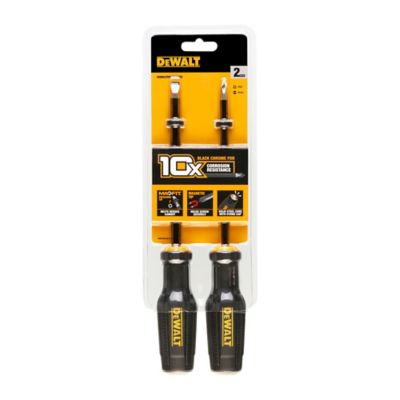
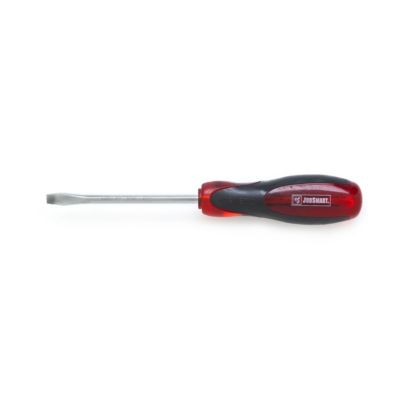
Mechanical screwdrivers are built for the kind of jobs where a light household screwdriver may come up short. They are useful in farm shops, garages, barns, equipment sheds and around the house when a fastener is tight, rusty or set deep in a well-used machine. A mechanic’s screwdriver typically has a sturdy steel shaft, a strong handle and a tip shaped to fit common screw heads securely. Many heavy-duty designs also include a hex bolster, sometimes called a wrench collar, near the base of the shaft. This six-sided section gives you a place to fit a wrench when hand pressure alone is not enough to break loose a stubborn screw. Other designs feature a through-tang shaft, meaning the metal runs through the handle to a striking cap. That construction allows controlled hammer taps to help free a seized fastener without placing all the force on the plastic or rubber handle. For work that calls for repeated tapping, take a look at
Hammer Screwdrivers. These tools can be handy for machinery maintenance, automotive repairs, trailer work, fence hardware, hinges, brackets and other jobs where a little extra force is needed. They are not meant to replace a pry bar or chisel, and the right tool should always match the fastener and task, but a well-made mechanical screwdriver can save time and spare your knuckles when a repair does not go as planned.
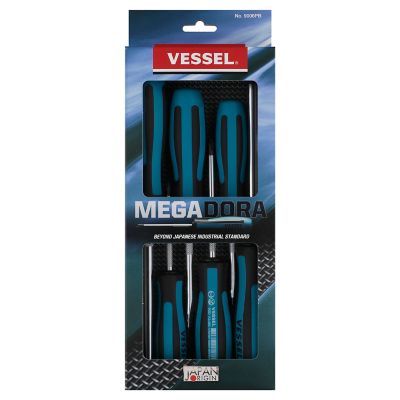
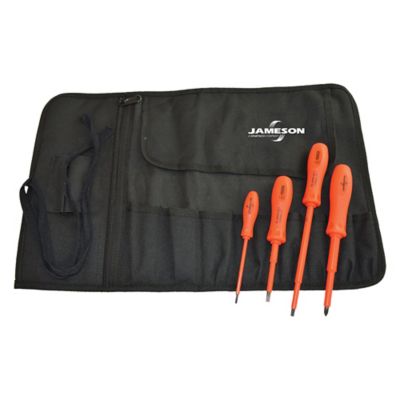
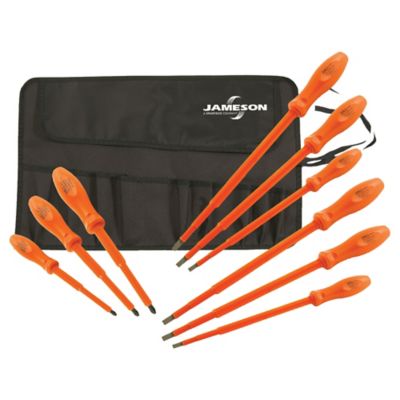
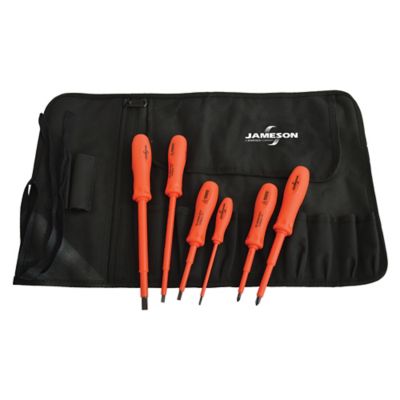
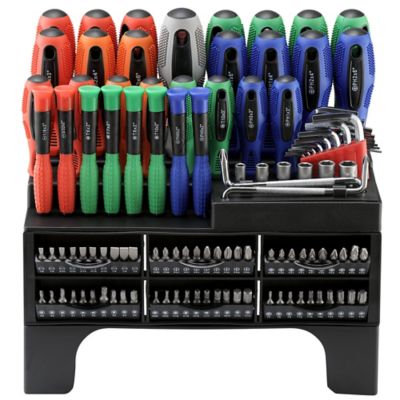
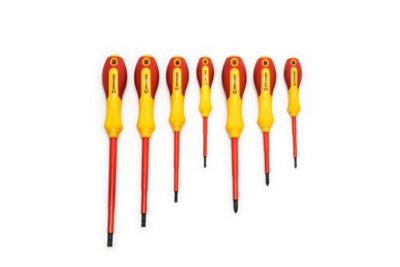
When choosing mechanical screwdrivers, start with the fasteners you work with most often. A set with several Phillips, slotted and specialty tips gives you more flexibility than a single driver, especially when moving between a tractor, mower, truck, stock trailer and household projects. Look for tips made from durable, heat-treated steel, such as S2 steel or another hardened alloy, since quality steel helps resist rounding, twisting and wear. A precise tip should seat fully in the screw head with little side-to-side movement. That close fit matters on older equipment, where a damaged screw can turn a quick adjustment into a long afternoon of drilling and replacing hardware. Magnetic tips can help hold screws in place during installation, which is useful when working overhead, reaching behind an engine panel or trying to start a fastener with cold fingers. A tip that is magnetic is not a substitute for proper alignment, but it can keep small screws from dropping into grass, gravel or the dark corner beneath a workbench. Handle shape deserves attention, too. Textured rubber or dual-material grips can provide a steadier hold when your hands are oily, dusty or damp, while a wider handle may offer more turning power and reduce pressure in the palm. Some handles include a speed zone for quick spinning between loosening and tightening, along with a reinforced area for high-torque work. Solvent-resistant materials are especially helpful for mechanics who regularly use cleaners, lubricants and automotive fluids. For general repairs, a balanced handle and comfortable grip can make as much difference as the steel shaft, particularly when a project stretches from a few minutes into a full day.
Mechanical screwdrivers make a practical addition to a toolbox for do-it-yourselfers, farmers, ranchers, maintenance workers, automotive hobbyists and anyone who prefers to repair equipment instead of sending every small problem to a shop. They are useful for routine jobs such as adjusting brackets, removing access panels, changing hardware, servicing small engines and taking apart assemblies for cleaning. Keep one set in the main toolbox and another in a service truck, barn cabinet or garage drawer so the right driver is close when a repair comes up. It is also smart to keep different lengths on hand. A short driver works well in cramped engine compartments, while a longer shaft can reach recessed screws and provide better access around guards or housings. Before applying extra force, clear dirt from the screw head, select the correct tip and press the shaft firmly into place. If the fastener is corroded, penetrating oil and patience may protect both the screw and the tool better than brute force. Wear eye protection when striking or working around springs, rust and metal chips, and avoid using a standard screwdriver as a chisel or pry bar unless it is specifically designed for that purpose. A durable mechanical screwdriver set can be a thoughtful gift for someone setting up a first garage, maintaining a homestead, restoring an older vehicle or learning the basics of equipment care. It is the sort of tool that earns its place over time, from tightening a loose gate latch on a cool morning to freeing a stubborn machine screw before the next chore gets underway.