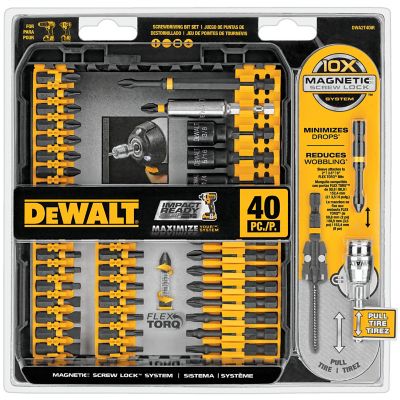
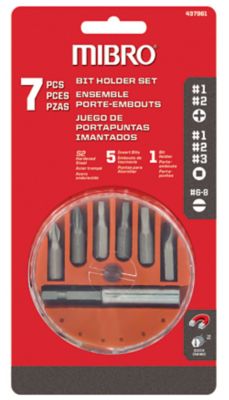
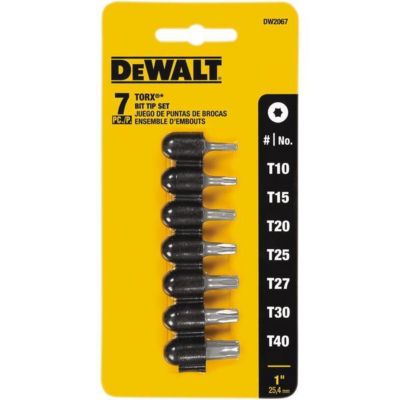
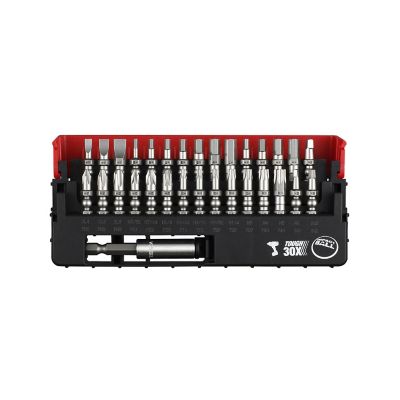
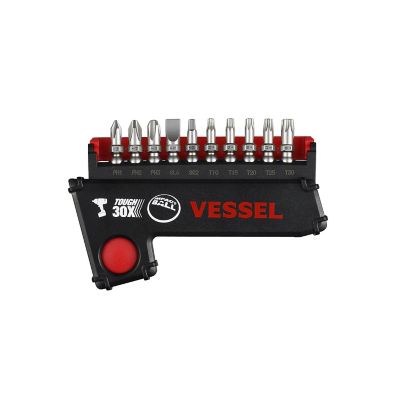
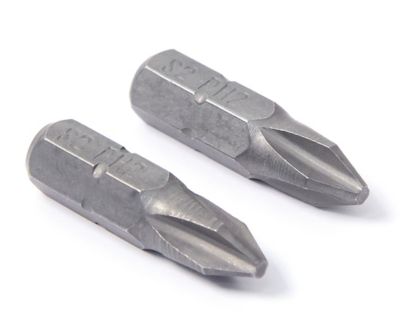
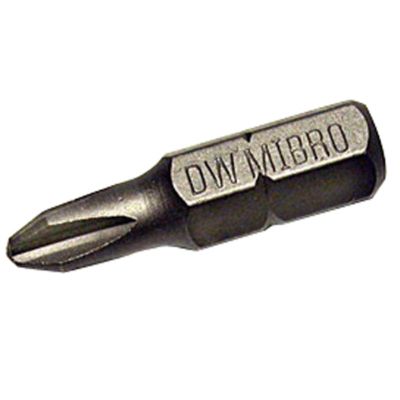
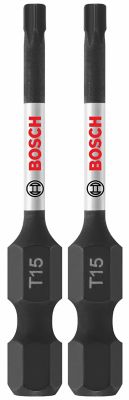
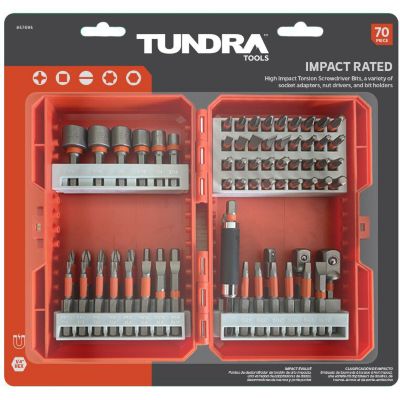
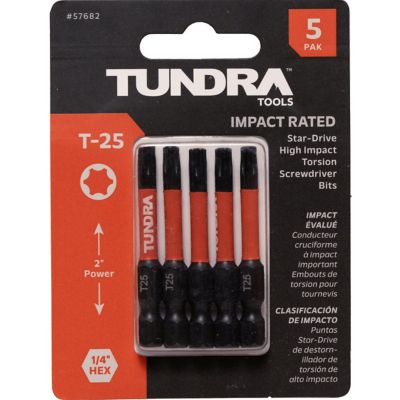
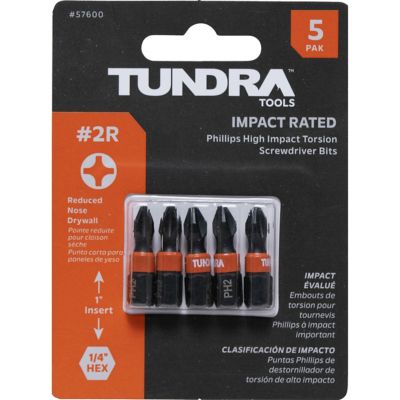
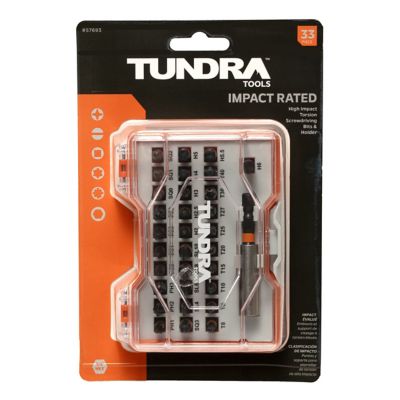
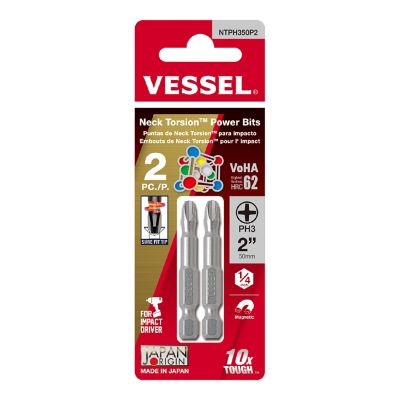
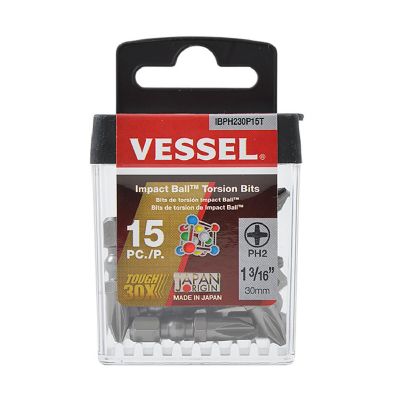
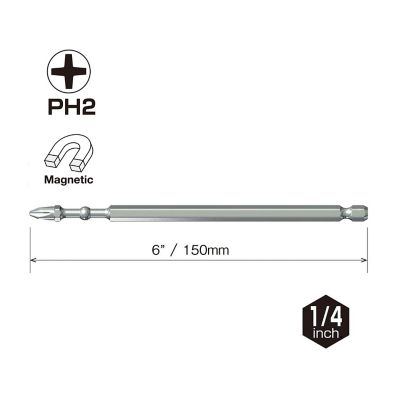
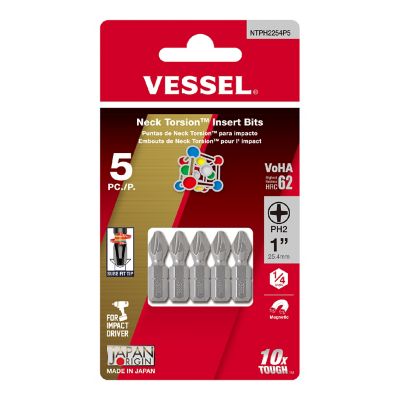
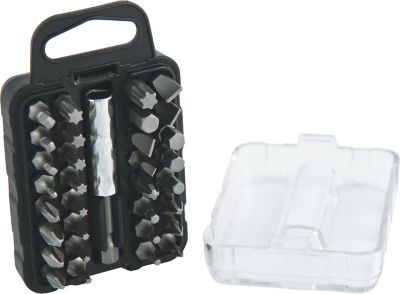
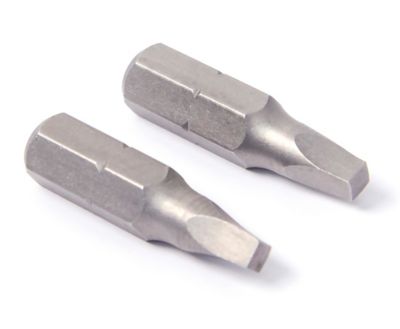
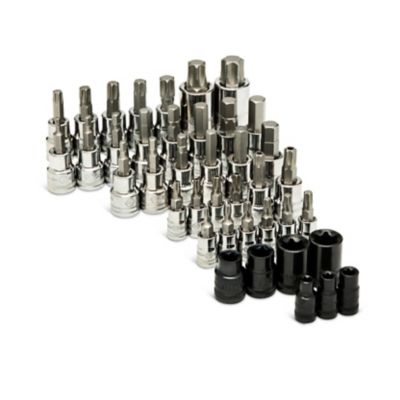
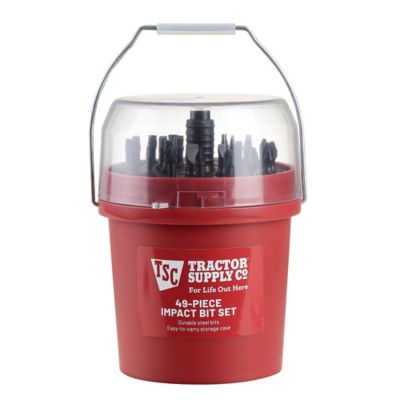
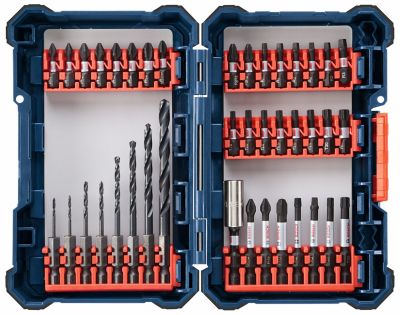
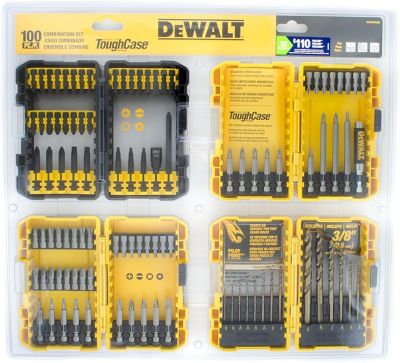
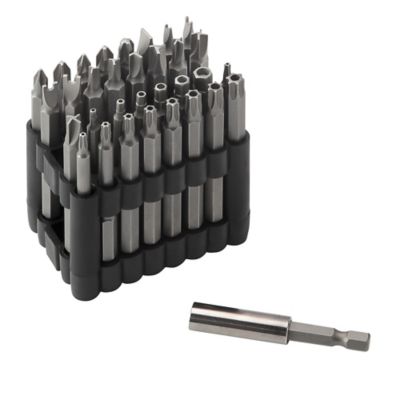
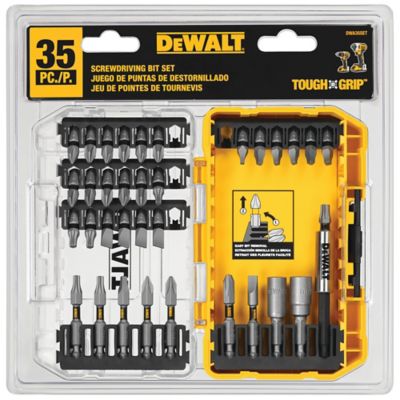
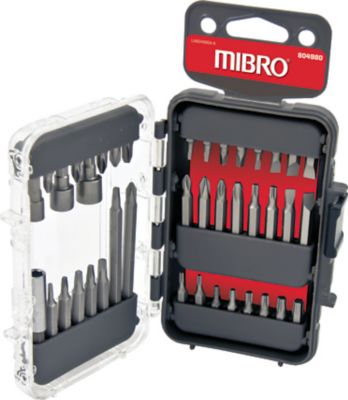
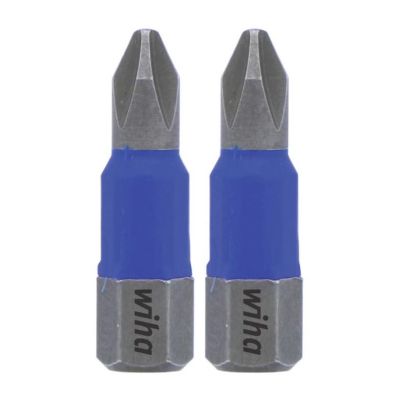
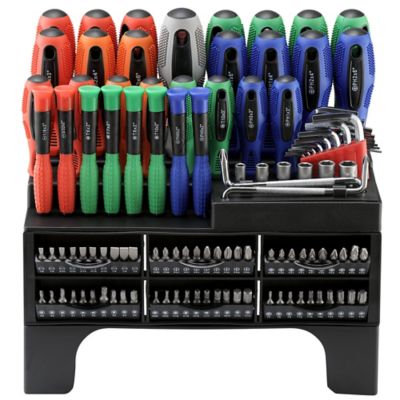
Screwdriver bits are handy, replaceable tool heads made to fit a drill, impact driver, ratcheting handle or standard hand driver. Instead of keeping a separate screwdriver for every screw in the toolbox, you can change the bit to match the fastener and keep working with the tool already in your hand. They come in a range of shapes and sizes for jobs around the house, farm, garage, workshop and jobsite. Phillips bits have a familiar cross-shaped tip and are often used with common household, construction and general repair screws. Slotted, or flathead, bits have one straight blade for traditional screws and lighter-duty fastening. Torx bits have a six-point star shape that helps provide a snug fit and steady contact, making them useful for automotive work, equipment repairs, appliances and many outdoor projects. Hex bits use a six-sided tip and are a natural fit for hex socket screws found in furniture, machinery, hardware and assembly work. Square bits, sometimes called Robertson bits, have a square tip that holds securely in compatible screw heads and are especially useful for woodworking, decking, cabinetry and pocket-hole projects. Bit size matters just as much as bit style. A tip that is too small may wobble or slip, while one that is too large may not seat fully and can damage the screw head. When choosing screwdriver bits, match the bit shape and size to the fastener, then consider the tool that will drive it. Bits intended for a hand driver or a standard drill may be suitable for routine fastening, while impact-rated bits are designed to handle the repeated twisting and sudden force produced by an impact driver. Using the right bit helps reduce stripped screws, worn tips and frustration when a simple repair turns into an all-afternoon chore.
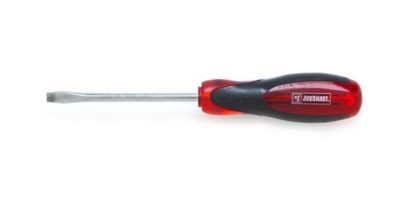
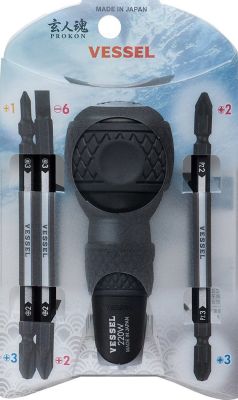
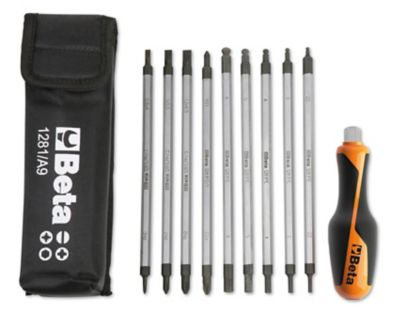
A useful screwdriver bit selection usually includes the sizes and shapes that match the work you do most often, along with a few less-common options for those unexpected repairs. A compact assortment can be convenient for hanging shelves, tightening cabinet hardware, assembling furniture, repairing gates or replacing worn hardware on a mower. Larger sets may make sense for a busy workshop, maintenance shed or household where several people share the tools. Look for bits made from durable steel, with clear size markings and a case or holder that keeps the pieces from rolling beneath a workbench or disappearing in a tool drawer. Magnetic tips can help hold a screw in place while you get it started, which is useful when working overhead, reaching into a tight corner or fastening material with one hand. A quick-change shank can make it easier to swap bits without setting the tool down, and a variety of lengths can help when a standard bit cannot reach a recessed screw. Short bits are often convenient for close work, while extended bits can reach through openings, between boards or into deep-set fasteners. For outdoor repairs and farm maintenance, choose bits suited to the amount of torque and the materials involved. Driving screws into treated lumber, hardwood, metal framing or heavy hardware can put more strain on a bit than assembling a light piece of furniture. Start with the lowest practical speed and steady pressure, keeping the bit straight in the screw head. Let the tool do the work instead of leaning hard into it, and replace a bit when its edges become rounded, chipped or difficult to keep seated. A worn bit can slip out suddenly, scratching a finished surface or leaving a sharp mark on your knuckles. Keeping a few spare bits nearby is worthwhile during cooler months, when indoor projects, equipment upkeep and workshop repairs often move to the front of the chore list. For jobs that call for a little more hand-driven force and control, a
Hammer Screwdrivers option can complement a well-stocked bit collection.
Screwdriver bits are useful for homeowners, renters, contractors, mechanics, woodworkers, maintenance crews and anyone who likes to handle everyday repairs without making a trip to the hardware store for every fastener. They are easy to add to a tool chest and practical to keep in a truck, utility vehicle, workshop cabinet or kitchen junk drawer for quick fixes. A set can also make a thoughtful gift for a new homeowner, a college student setting up a first apartment, a do-it-yourselfer building a shop or a family member who spends weekends repairing equipment and improving the place. When giving bits as a gift, consider the recipient’s tools and typical projects. Someone who uses an impact driver will benefit from bits made for impact use, while a person who mostly assembles furniture or handles light household work may prefer a straightforward assortment with common Phillips, slotted, hex and Torx sizes. A woodworker may appreciate square bits and longer options, while an automotive hobbyist may get more use from a selection of Torx and hex styles. Good storage is part of the value, especially for anyone who works outside or moves between the house, barn and garage. A case with labeled slots makes it easier to find the right size before a screw gets lost in the grass, and it helps protect the bits from moisture and grit. After working outdoors, brush away dirt and wipe off moisture before putting bits back in storage. Check the screw head before driving, clear packed debris from the recess and keep a firm grip on the tool. With the proper bit, a compatible driver and a little patience, many jobs go more smoothly, from putting up a gate latch and securing a fence repair to replacing a hinge, assembling a storage rack or tightening hardware on a piece of equipment. A dependable assortment keeps those small tasks from turning into bigger setbacks and gives your toolbox the flexibility to handle repairs through changing weather and busy seasons.