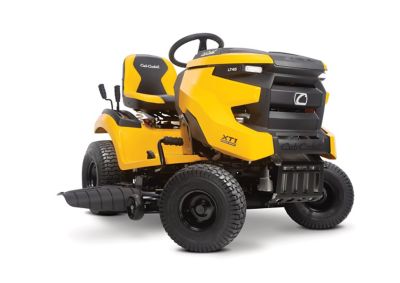
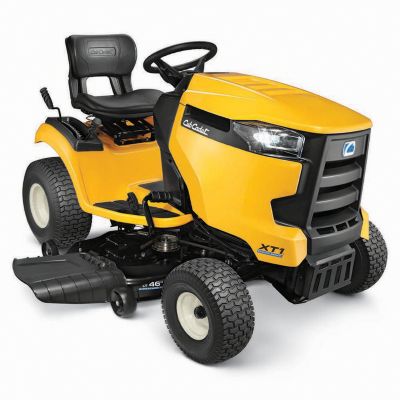
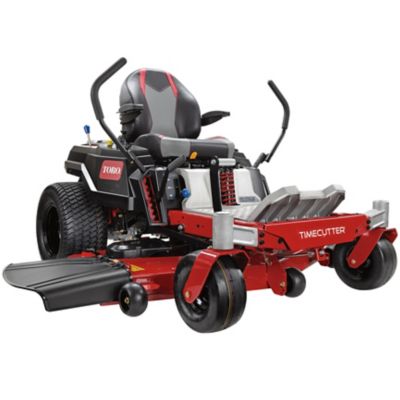
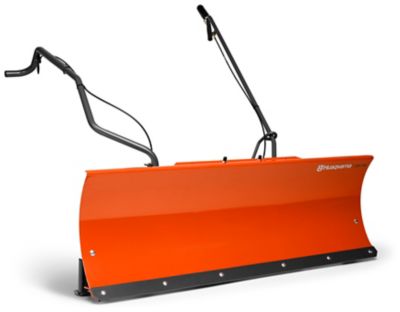
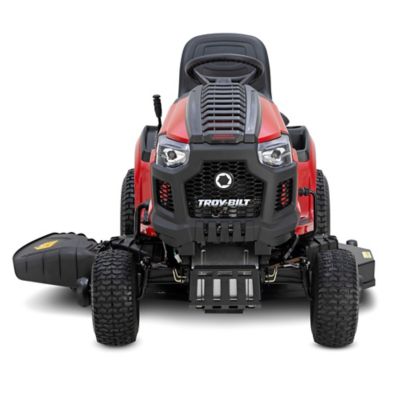
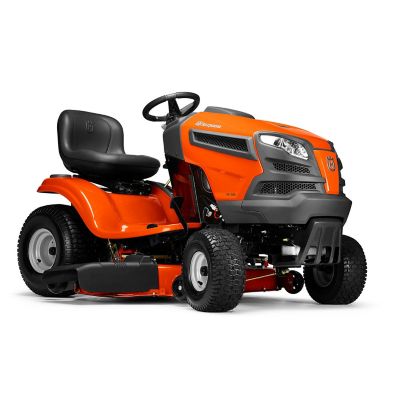
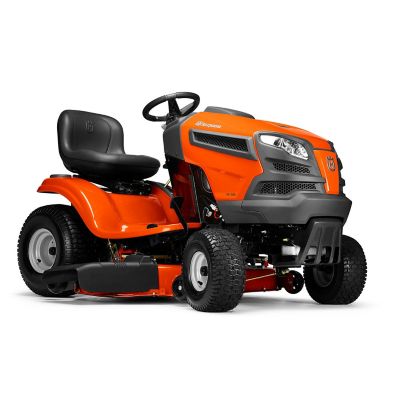
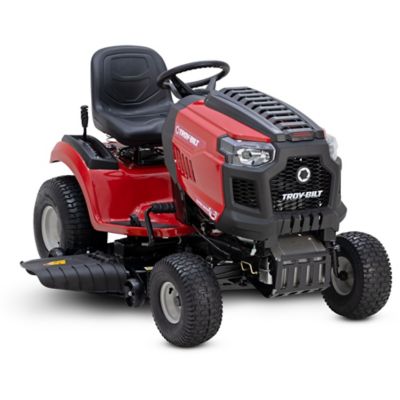
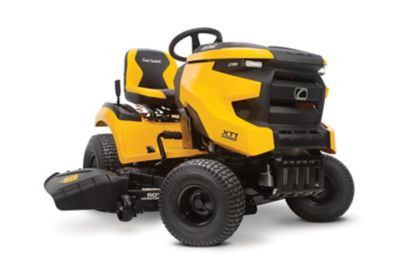
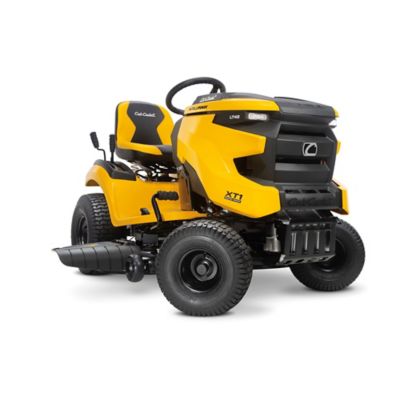
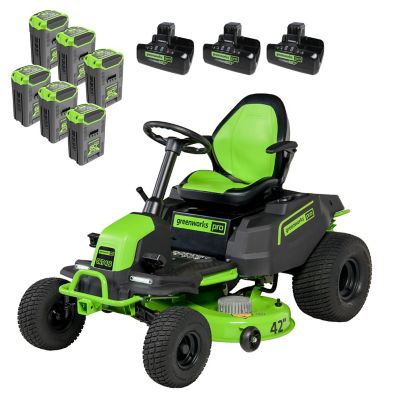
A riding mower with a snow plow can put a familiar machine to work beyond mowing, helping clear light snowfall from a driveway, a paved lane to the barn, or the approach to a detached garage. This setup pairs a compatible riding mower or lawn tractor with a front-mounted blade that pushes snow aside rather than throwing it through a chute. It generally makes the most sense on relatively level ground, with room along the edges to collect snow and enough traction to keep the mower moving steadily. Fresh, loose snow is easier to push than wet, packed snow, and deeper accumulations can place more demand on the machine than a residential mower is designed to handle. There is no single snow-depth limit that fits every setup; blade capacity, mower weight, transmission design, surface conditions, and the equipment manufacturer’s limits all matter. For a homeowner maintaining a manageable driveway or a small acreage with several paved approaches, the appeal is straightforward: one compatible power unit can handle more than one property chore. A mower and blade still need to be matched carefully, since a cutting-deck measurement or engine horsepower rating alone does not establish snow-plow compatibility. A complete setup may involve a model-specific mounting bracket, lift linkage, controls, and approved traction equipment, with those components separate from the mower or blade. Some installations also require removing the mowing deck for clearance. The selection of
Lawn Mower Snow Plows centers on attachments for this kind of work, where fit and operating limits count just as much as blade size. Manufacturer compatibility information is the best starting point for matching the mower’s model and frame to the attachment. Not every riding mower, lawn tractor, or zero-turn mower supports a front blade, and a mounting kit that looks close is no substitute for the specified connection.
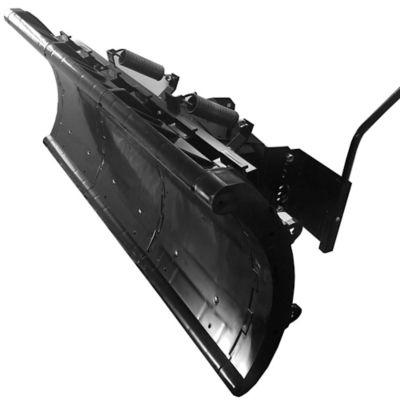
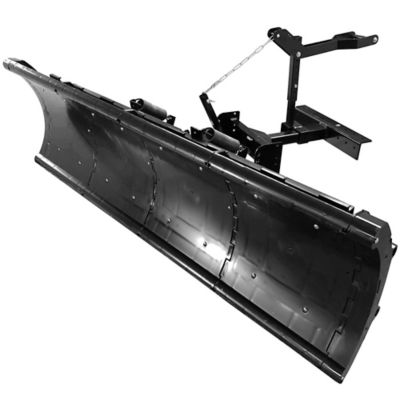
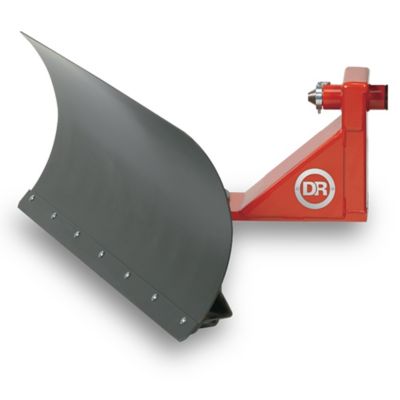
The blade’s construction and adjustment features shape how it handles everyday clearing. Steel moldboards are common because they provide a firm surface for rolling and pushing snow, while protective finishes help limit corrosion from moisture and road salt. A replaceable cutting edge takes much of the contact with the ground, allowing a worn edge to be addressed without replacing the entire blade. Steel edges can scrape firmly, while compatible rubber or polymer edges may suit certain surfaces where reducing scraping marks matters; the right choice depends on the blade and pavement recommendations. Adjustable skid shoes help control how closely the edge rides to the surface. On gravel, some clearance helps reduce stone pickup, although loose or unfrozen gravel can still shift under a blade. A smooth concrete apron presents a different job than a crowned gravel lane, cracked asphalt, or a driveway with raised joints. Those details matter as much as the length of the drive. Blade width also needs to suit the mower: when angled, the blade clears a narrower path than it does straight across, so its working width should cover the tire tracks without exceeding the machine’s approved capacity. An angled blade directs snow toward one side, which is useful along a straight driveway, while a straight position may suit short pushes into an open collection area. Lift height and control placement affect how easily the operator can move between clearing and repositioning. Spring-trip features, where included, allow the blade to give when it meets an obstruction, but they do not make hidden curbs, rocks, or uneven pavement harmless. A setup suited to the property leaves space around gateposts, parked vehicles, steps, and mailbox supports rather than forcing a wide blade through tight gaps. For properties with frequent deep drifts or heavy, wet accumulations, a compatible snow blower attachment or a separate snow-clearing machine may be a better match than a mower-mounted plow.
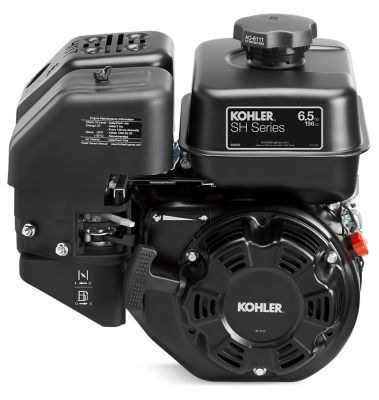
Traction is often the deciding factor between a mower that pushes steadily and one that spins its tires before the blade moves much snow. Turf tires are built with lawn work in mind and can lose grip on snow or ice. Manufacturer-approved tire chains, wheel weights, or rear ballast may help, but each has fit requirements and weight limits. Chain clearance around fenders and other components matters, and some chains can mark certain paved surfaces. More weight is not automatically better; excess ballast or an oversized blade can add stress without solving a poor match between the machine and the job. Four-wheel-drive capability, where present, does not eliminate the risk of sliding or make steep slopes suitable for plowing. Level routes, measured travel speeds, and shallow passes place fewer demands on the equipment than charging into a packed ridge left across the end of a driveway. Even a short ridge can be much denser than the snow elsewhere on the property. Snow placement matters, too: piles need to leave room for later clearing without blocking gates, drainage paths, road visibility, or access to animal shelters. Routine care supports the service life of both mower and attachment. Sound mounting pins, secure fasteners, properly adjusted controls, and a cutting edge with usable material remaining all contribute to steady operation. Salt and slush left on steel can encourage rust, so cleaning and drying the attachment according to its care instructions helps protect the finish and moving parts. Lubrication points, tire pressure, battery condition, and engine oil suited to the manufacturer’s temperature recommendations deserve attention alongside the blade itself. Any engine-powered mower needs to run outdoors, never in an enclosed garage or shed. With a compatible attachment, sensible traction equipment, and a clearing job within the mower’s limits, a riding mower snow-plow setup can take some of the shovel work out of keeping everyday routes open around the property.