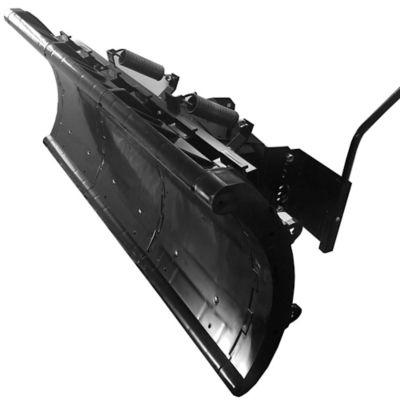
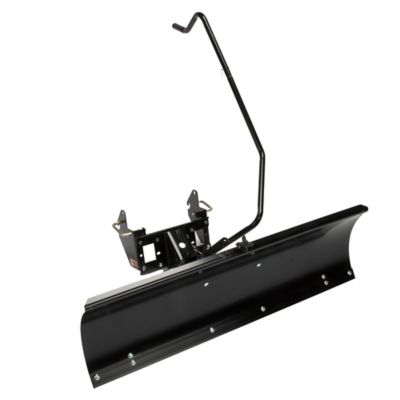
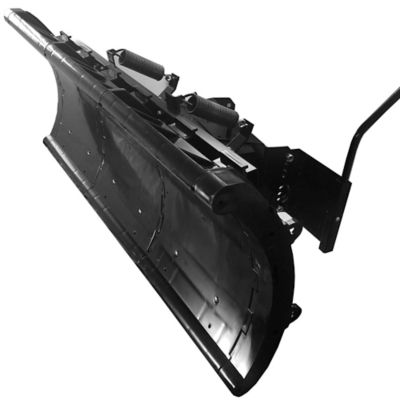
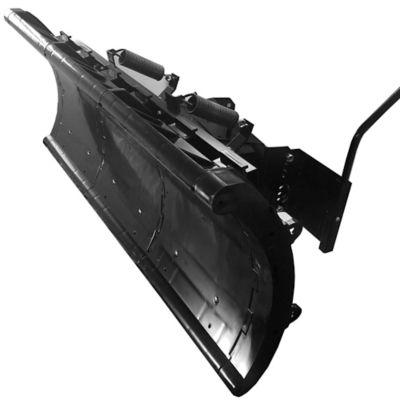
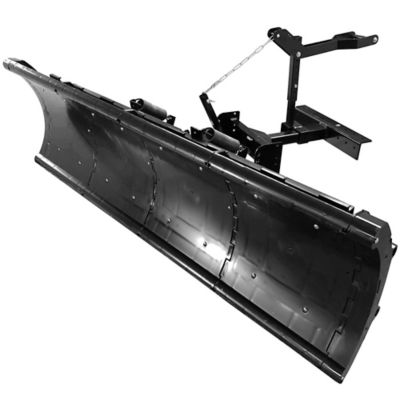
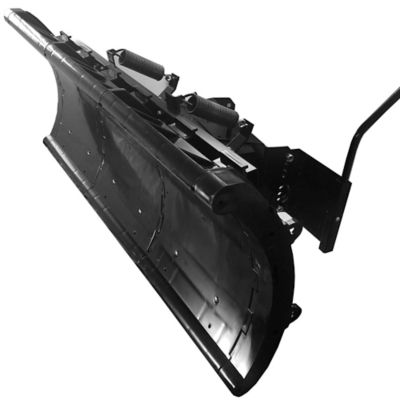
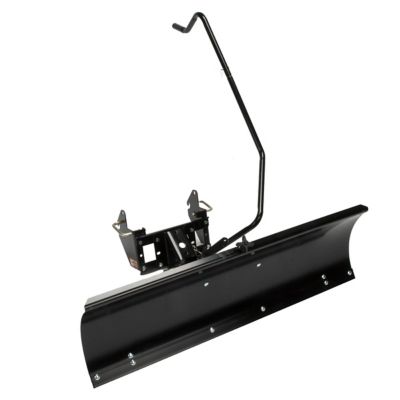
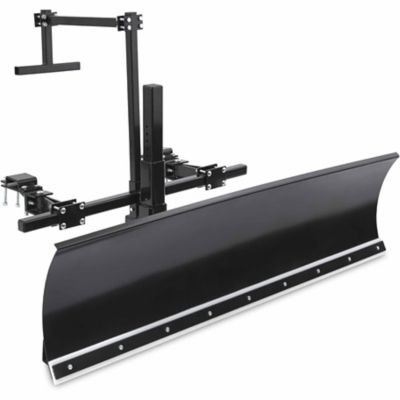
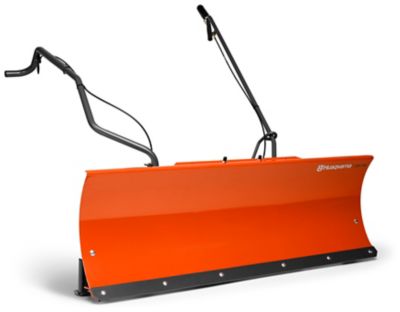
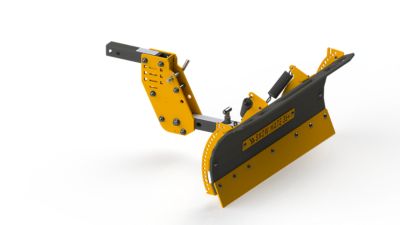
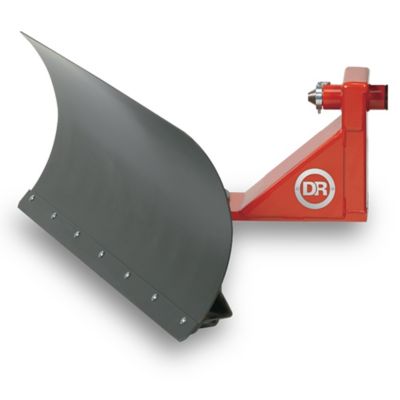
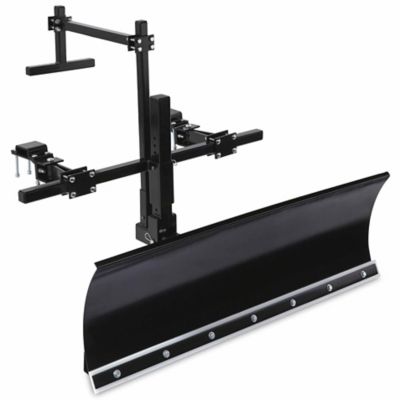
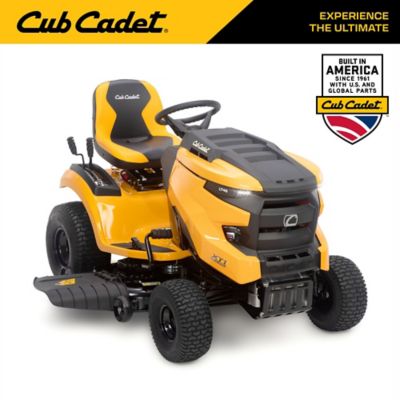
Lawn mower snow plows are front-mounted blade attachments that let compatible riding mowers and garden tractors push snow off driveways, parking pads and other suitable surfaces. Rather than lifting and throwing snow like a snow blower, a plow moves it ahead of the blade or rolls it to one side when the blade is angled. That makes these attachments a practical option for folks with room to pile snow along a drive, beside a garage or away from a barn entrance. They’re generally better suited to lighter accumulations and manageable passes than deep, packed drifts or heavy banks left by a road plow. Actual clearing ability depends on the mower, attachment, traction, terrain and snow conditions, so engine horsepower alone doesn’t tell the whole story. The mower’s frame, transmission and approved attachment system all matter. Fit is especially important because lawn mower snow blades aren’t universal: mounting brackets, lift connections and clearance requirements can differ by mower model, production year and chassis design. Some setups require removing the cutting deck, while others need additional mounting hardware or a separate lift system. Zero-turn mowers also need attachments specifically approved for their design; a blade meant for a lawn tractor isn’t automatically a match. A
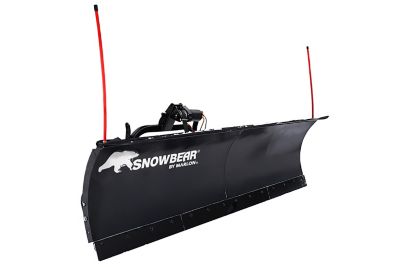
Riding Mower With Snow Plow setup brings the power unit, mounting system and blade together, with compatibility at the center of the combination. Blade width deserves a close look, too. A wider blade can cover more ground in a straight pass, but angling it reduces the clearing width. Enough coverage to clear the tire tracks can help keep the mower from traveling over snow left beside the blade, provided the width stays within the machine’s approved limits. For a household maintaining a driveway or a small acreage with open access lanes, the right match balances clearing coverage with the mower’s ability to push, steer and stop.
Blade construction and adjustment features help separate lawn tractor snow plows built for different kinds of clearing work. Steel moldboards are common, with a curved face that helps lift and roll snow as the mower moves forward. Painted or powder-coated surfaces help protect the metal, though scraped edges and chipped finishes still need attention to limit rust. The cutting edge, sometimes called a scraper bar or wear bar, takes much of the contact along the bottom of the blade. A replaceable edge allows that working surface to be renewed without replacing the entire blade. Steel edges and manufacturer-approved nonmetal edges can have different surface-contact characteristics, making the driveway material part of the selection. Concrete, asphalt, pavers and gravel don’t all call for the same setup. Adjustable skid shoes support the blade and help establish clearance beneath the cutting edge; on gravel, that clearance can reduce how much loose stone the blade gathers, though it won’t eliminate that risk. Blade angling is another useful distinction. Some attachments require an adjustment at the blade, while others offer controls reachable from the seat. Either arrangement can direct snow toward a suitable stacking area, but the operating convenience differs on a driveway that needs several changes in direction. Certain plows include a spring-trip mechanism that lets the blade give when it meets an obstruction, then return toward its working position. That feature can help lessen an impact, but it doesn’t make buried curbs, raised pavement or hidden rocks safe to strike. Lift systems also vary, from manual levers to powered arrangements on compatible equipment. Their mounting requirements, control placement and lifting effort affect everyday use. Where a blade offers float or contour-following movement, that feature may help it follow modest surface changes within its intended range. The whole assembly—not just the moldboard—deserves attention, including the push frame, pivot points, fasteners and attachment connections that carry the load.
Traction and property layout often matter as much as the blade itself. Turf tires can lose grip on packed snow or ice, and pushing a full blade adds resistance that an empty mower doesn’t face. Tire chains, wheel weights or rear ballast may be part of a manufacturer-approved snow-clearing setup, but each needs to match the mower and attachment requirements. Chain clearance around fenders and other components matters, and some traction equipment can mark pavement. More weight isn’t automatically better; frame limits, steering response, braking and transmission limits still apply. Sloped drives and side slopes deserve particular caution because traction can change quickly beneath a layer of snow. These attachments fit best into a clearing plan with suitable terrain, visible boundaries and space for snow piles that won’t block sightlines, gates, walkways or drainage. A straight stretch between the house and outbuilding presents a different job from a tight turnaround with fence corners and parked vehicles. Wet snow can build into a heavy load, while repeated freezing and thawing can leave hard ridges that a mower-mounted blade may not handle. Keeping expectations in line with the equipment helps protect both the machine and the property. Care between clearing jobs also affects how well the attachment holds up over time. Snow, road salt and grit can collect around pivots, brackets and the lower blade edge, so cleaning and drying the attachment helps reduce corrosion. Lubrication points, fastener checks and wear-part replacement should follow the attachment maker’s directions. A worn cutting edge, loose mounting pin or damaged skid shoe can change how the blade rides and where the load goes. Storage matters as well: a supported attachment with the blade safely lowered, clean connection points and protected exposed metal is easier to inspect before its next job. For folks looking to put a compatible mower to work beyond cutting grass, a properly matched snow plow adds another practical role without asking the machine to do more than it was built to handle.