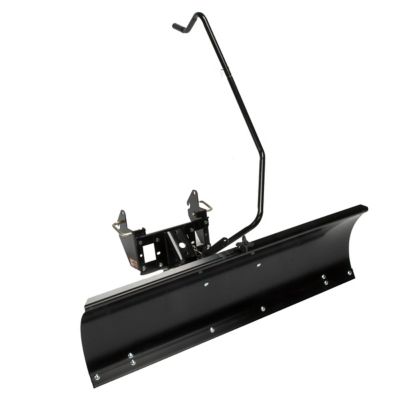
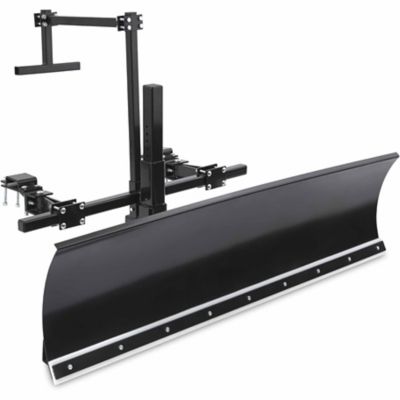
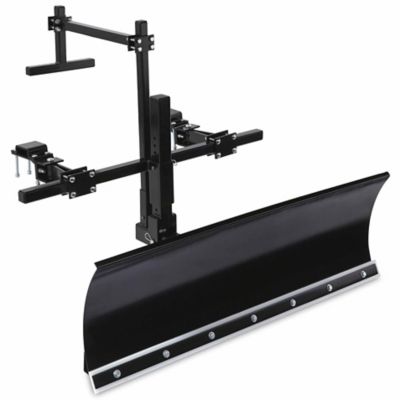
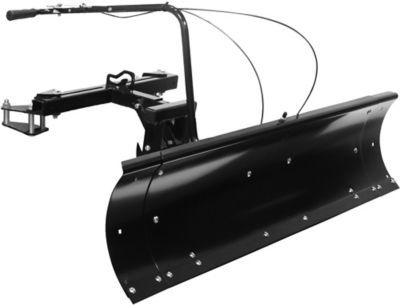
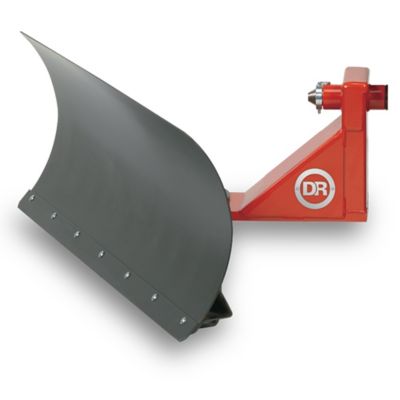
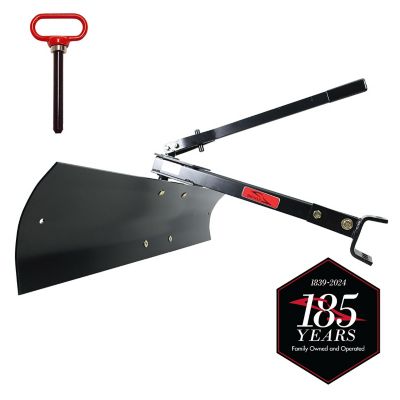
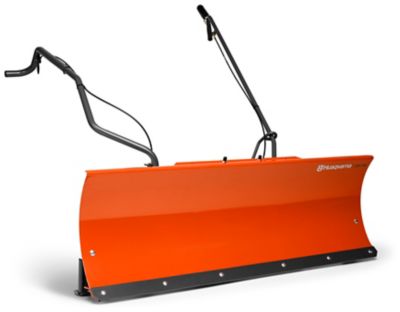
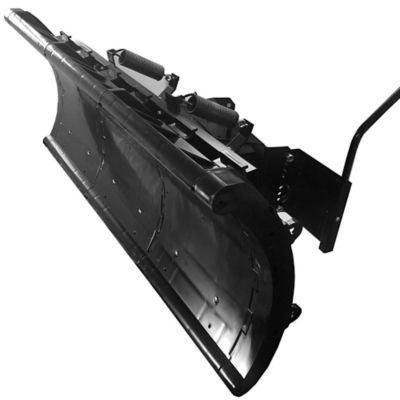
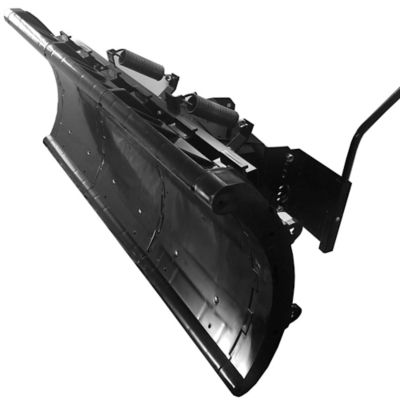
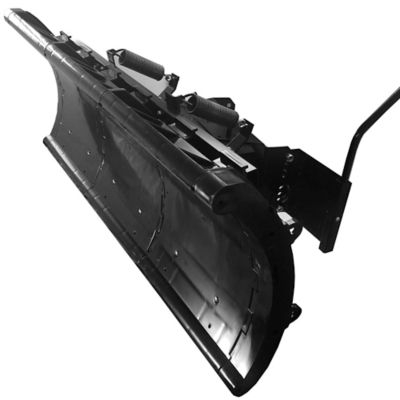
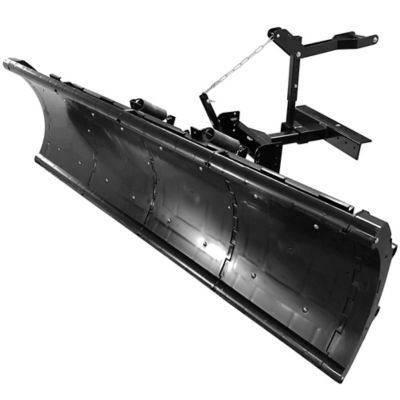
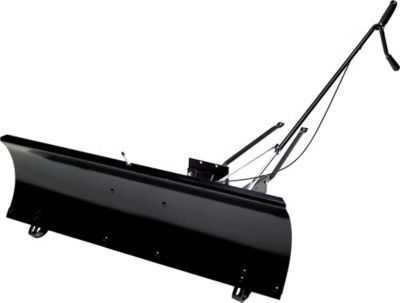
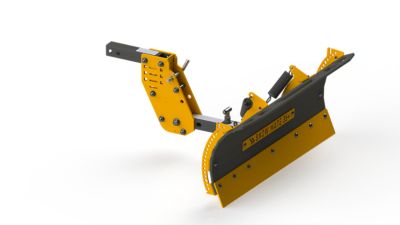
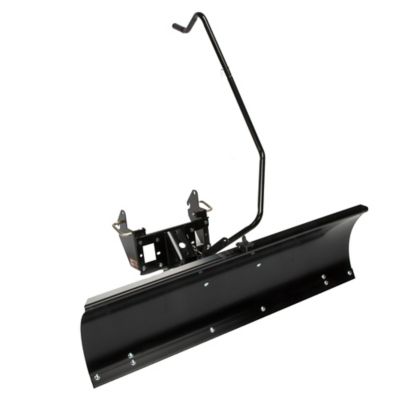
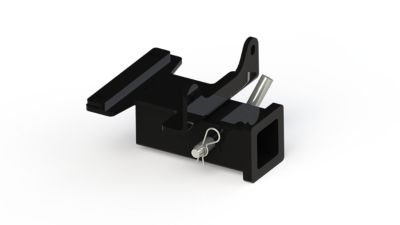
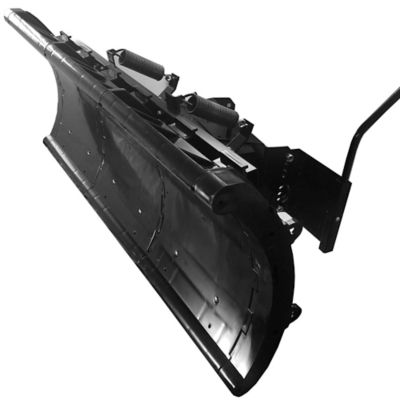
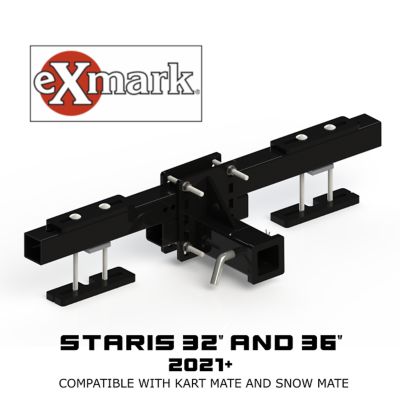
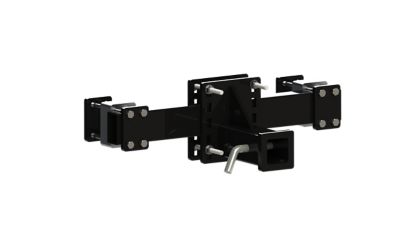
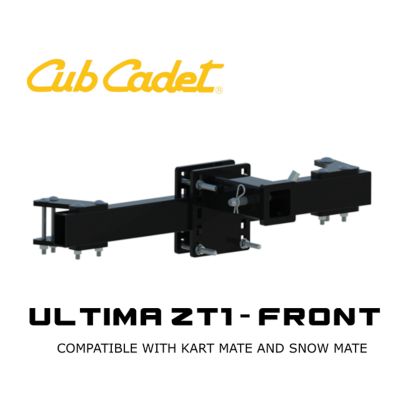
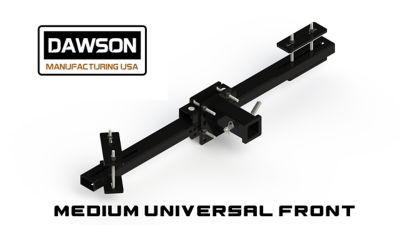
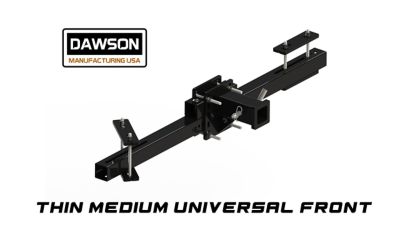
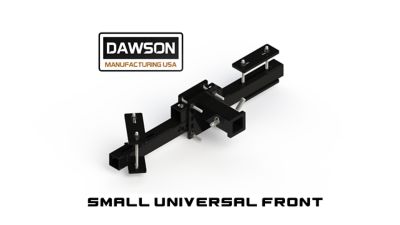
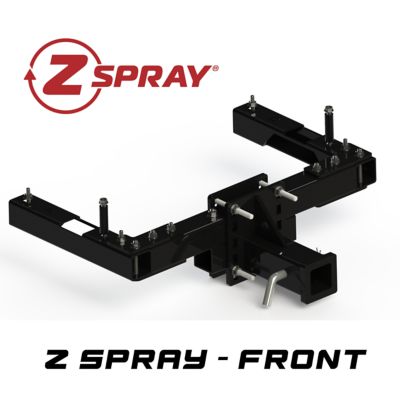
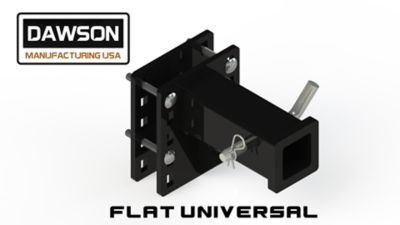
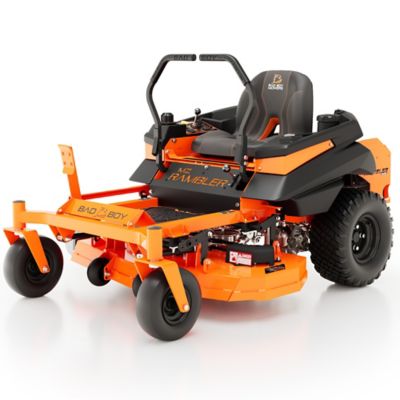
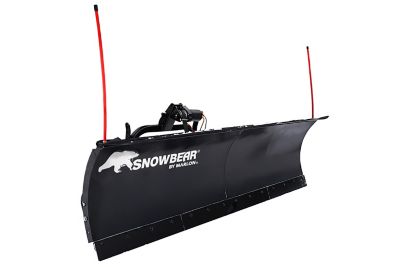
A lawn mower with a snow plow can help turn a riding lawn mower or garden tractor into a handy winter property tool. Rather than keeping a mower parked away all season, homeowners can use a front-mounted snow blade to clear driveways, sidewalks, lanes, and other open areas when snow starts to build up. These setups are especially useful for people with longer driveways, rural homes, small farms, outbuildings, or multiple paths to keep open. A plow attachment pushes snow to the side in broad passes, making it a practical choice for moving fresh snowfall before it becomes packed down. Many front snow blades are made from sturdy steel and come in widths around 42 to 48 inches, though the right size depends on the mower, available power, turning space, and the area being cleared. During the warmer part of the year, it makes sense to compare mower attachments and check fitment before cold weather arrives. A front blade may require a mower-specific mounting frame, while universal mounts can offer another option for some garden tractors and zero-turn mower setups. If you operate a zero-turn machine for lawn work, review the available configurations on
Zero Lawn Mower pages and confirm that any snow-plow attachment is designed for that style of equipment. Compatibility should always be checked by the mower’s make, model, year, horsepower, frame design, and mounting points rather than by appearance alone. The owner’s manual and attachment instructions are the best place to verify approved uses, required hardware, and any limits for pushing snow.
Before choosing a lawn mower with a snow plow, take a close look at the surface you plan to clear and the kind of snow your area receives. A paved driveway usually allows a blade to glide smoothly, while gravel can be more challenging because the cutting edge may catch stones or push loose material along with the snow. Adjustable blade angles help direct snow toward one side, and a blade with a replaceable wear edge can make routine maintenance easier. For wet, heavy snow, machine power and traction matter just as much as blade width. Many experienced owners look for a garden tractor with roughly 20 horsepower or more for demanding pushing work, but the mower manufacturer’s rating and operating guidance should come first. Tire chains, aggressive-tread tires, and rear wheel weights can help the mower hold its line instead of slipping, particularly on slopes, icy spots, or packed snow. Use ballast only as recommended for the machine, and avoid overloading a residential mower that is not built for heavy pulling or pushing. Standard lawn mower transmissions are designed primarily for mowing grass, not for repeatedly forcing a wide blade through deep, frozen, or wet snow. Slow travel speeds, shallow passes, and clearing snow soon after it falls can reduce strain. A riding mower may handle light to moderate driveway clearing well, but it is not a replacement for a dedicated tractor or commercial snow-removal machine when drifts are deep or conditions are severe. Leave room around parked vehicles, landscaping, curbs, and garage doors, and remember that a plow can move more snow than it may appear to from the driver’s seat.
Installation and storage are also important parts of the buying decision. On many mower-and-blade combinations, the cutting deck must be removed before the plow frame can be installed. That changeover may take some time, especially the first time, so look for clear instructions and set aside a clean, level work area. Keep mounting pins, brackets, spacers, and hardware together in a labeled container so the mower can be returned to grass-cutting duty without a hunt through the shed. When snow season is over, remove the blade and inspect the frame, cutting edge, tires, steering, and transmission before reinstalling the mower deck and leveling it for spring mowing. Store the blade under cover, wipe away moisture and road treatment residue, and touch up worn metal to help limit rust. A lawn mower with a snow plow can be a thoughtful practical gift for a homeowner, hobby farmer, or caretaker who already owns a compatible riding mower and enjoys handling routine property work independently. It can also be a useful addition to a shared family farm or rural driveway, where a compact machine may be easier to maneuver than a full-size truck. Plan for the accessories that make the setup more useful, including tire chains or approved wheel weights, replacement wear edges, storage hooks, work gloves, and reflective outerwear. With a proper fit, sensible operating habits, and regular maintenance, a riding mower can provide dependable help with everyday snow clearing while remaining ready to cut grass when the weather warms.