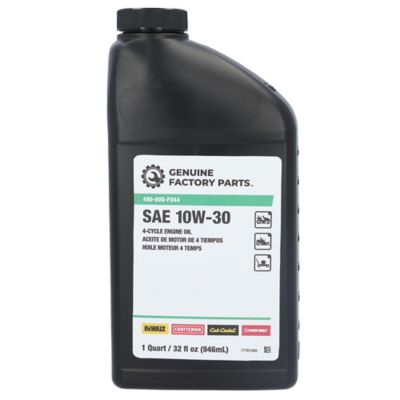
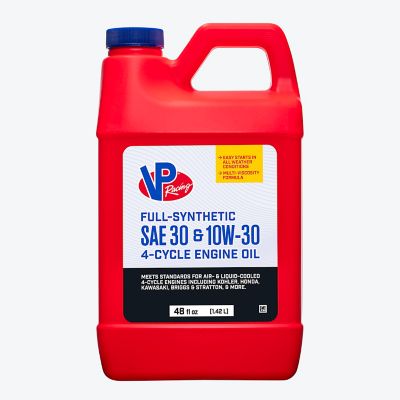
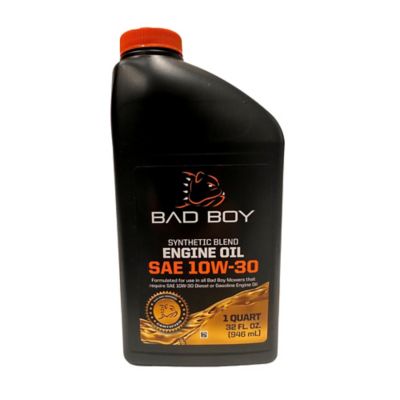
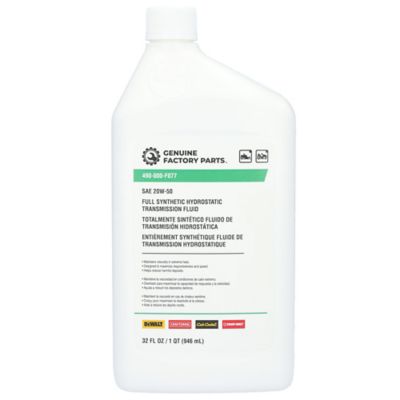
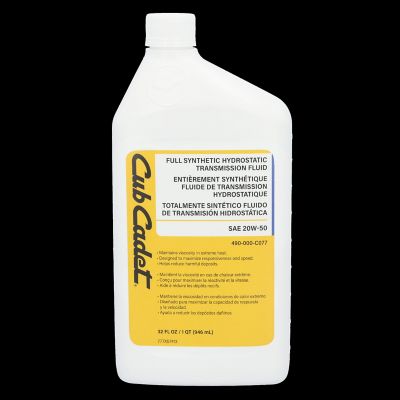
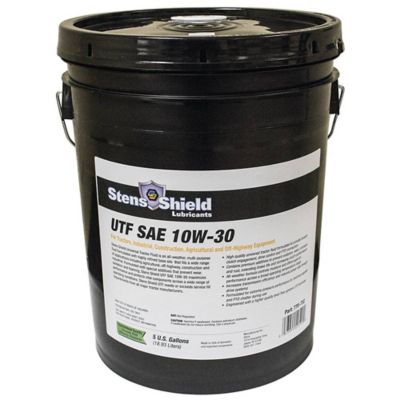
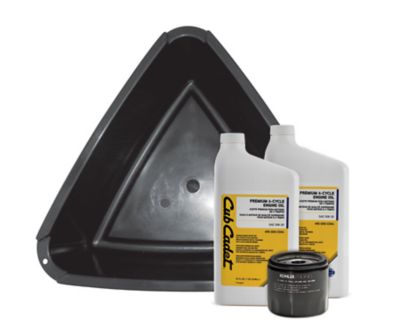
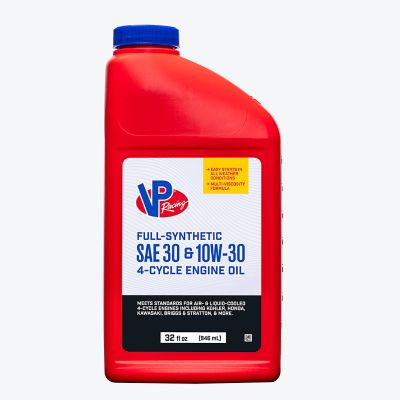
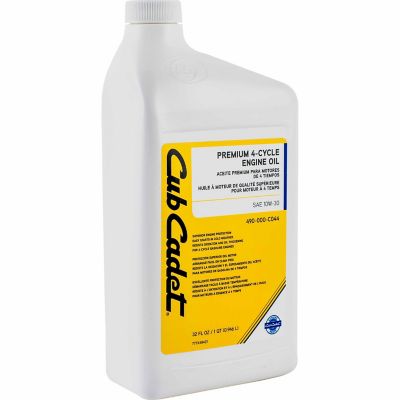
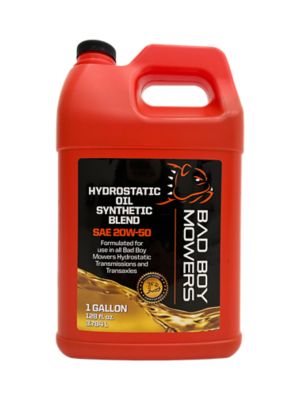
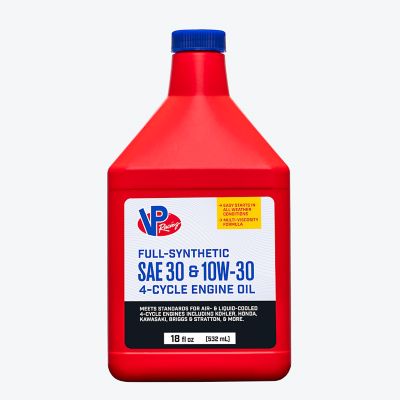
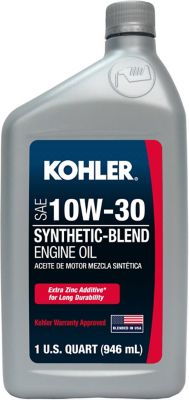
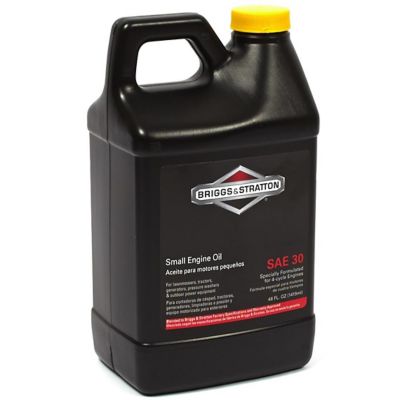
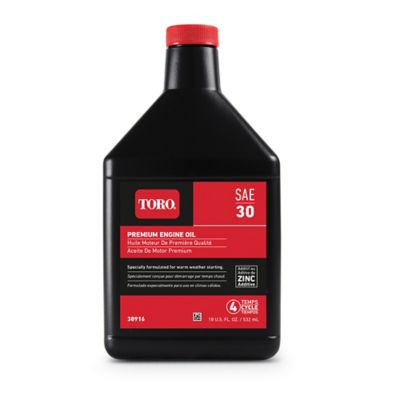
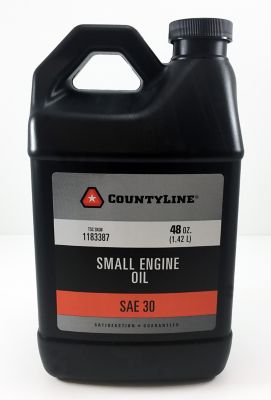
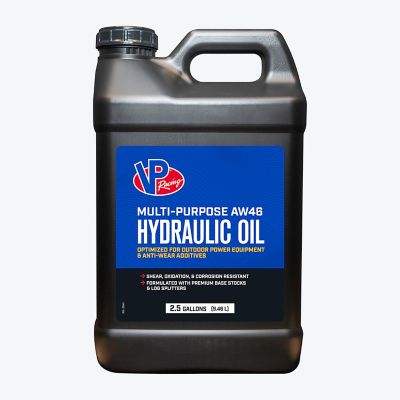
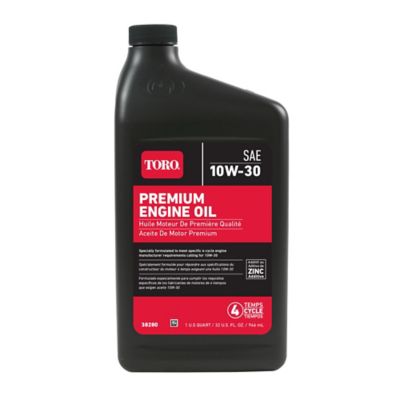
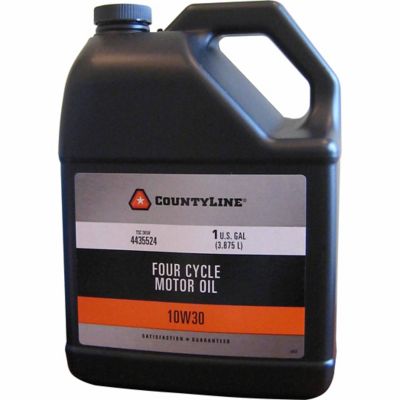
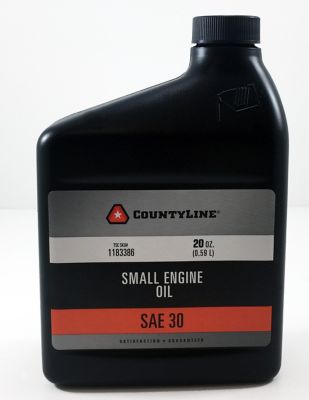
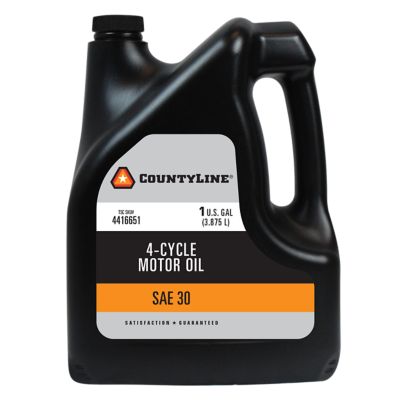
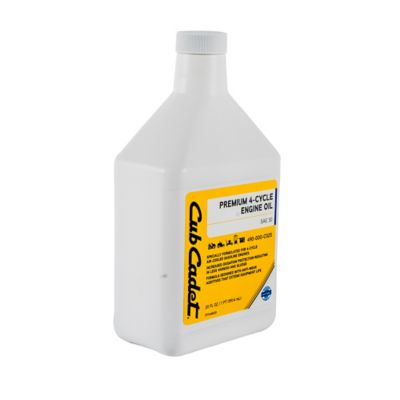
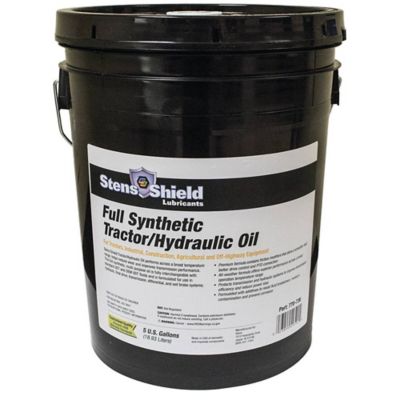
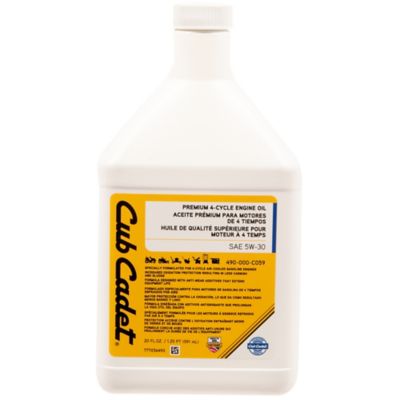
Riding mower oil helps protect the engine that carries you through long passes along the fence line, tight turns around shade trees, and the steady work of keeping a big yard trimmed. SAE 30 and SAE 10W-30 are common riding lawn mower oil grades, but the right choice depends on the engine manufacturer’s approved viscosity, performance requirements, and operating conditions. The engine manual is the place to confirm those details, along with oil capacity and maintenance intervals. There is no single oil grade that fits every riding mower, and matching the engine matters more than matching the size of the mowing deck. Two machines with similar horsepower can call for different oil specifications, especially when their engines come from different manufacturers or production years. Inside a four-stroke mower engine, oil forms a protective film between moving parts, helps carry away heat, and keeps contaminants suspended so they can leave the engine during an oil change. That protection matters when the mower spends hours working through thick grass or making repeated trips across a large property. Many riding mowers have air-cooled engines that work under sustained loads, making the correct oil formulation an important part of engine care. Detergent, dispersant, antiwear, and corrosion-inhibiting additives each serve a purpose, though the exact formulation varies by oil type. Four-stroke engine oil belongs in the engine’s separate oil reservoir; it is not a substitute for two-cycle oil intended for mixing with fuel. Engine oil also should not be treated as interchangeable with hydrostatic transmission fluid, gear lubricant, or hydraulic fluid unless the equipment manufacturer specifically calls for the same fluid. For a mower with a replacement engine, the engine identification information is especially helpful, since the mower’s original paperwork may no longer describe what is under the hood. Having the correct engine model and oil specification in hand makes it easier to compare riding mower oil without relying on bottle color, broad claims, or a familiar-looking container.
Conventional oil, synthetic blends, and full synthetic oil can all have a place in riding mower maintenance when they meet the engine’s requirements. Conventional formulations provide lubrication for engines that approve them, while synthetic blends combine conventional and synthetic base oils. Full synthetic formulations can offer greater resistance to oxidation and viscosity breakdown, but that does not make every synthetic oil suitable for every mower. An approved viscosity and service classification still come first, and switching formulations does not automatically extend the manufacturer’s oil-change interval. Viscosity describes how readily oil flows under defined conditions. SAE 30 is a single-grade oil, while SAE 10W-30 is a multigrade oil that meets viscosity requirements at both starting and operating conditions. The numbers are not a ranking of how much protection one bottle provides, and thicker oil is not automatically better for an engine with plenty of hours on it. The manufacturer’s viscosity chart provides the useful comparison for the conditions in which the mower will operate. Performance classifications, including an API service category where specified, offer another point of comparison beyond the viscosity printed on the label. Some automotive engine oils may meet a mower engine’s requirements, but the label and engine manual need to agree; a general motor oil label alone does not establish that fit. Comparing
Lawn Mower Engine Oils by viscosity, base-oil type, and stated specifications helps keep those differences clear. Container size matters, too, especially when maintaining more than one machine or keeping enough oil on hand for level checks between changes. A mower’s service-fill amount may differ depending on whether its oil filter is also changed, and a published dry-engine capacity may not match a routine drain-and-refill amount. The stated capacity is a reference rather than a reason to empty an entire bottle into the crankcase. Readable measurement markings, a secure cap, and a container that pours cleanly are practical details when working beside a mower in the shed. Any oil left in the bottle needs a tightly closed cap and clean storage away from dirt and moisture.
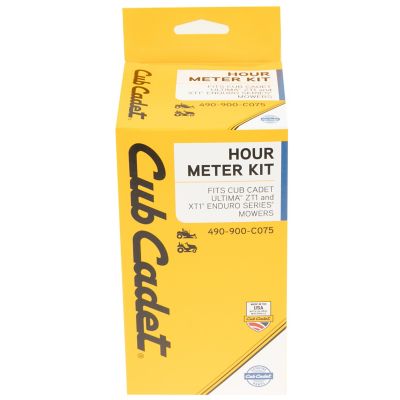
For homeowners tending several acres, grounds crews handling repeated mowing jobs, and folks keeping the grass neat around a barn or workshop, riding mower oil supports the same goal: keeping engine wear in check through regular work. Long mowing sessions and dusty conditions can affect maintenance needs, so service intervals should follow the engine manual rather than a fixed schedule borrowed from another machine. An engine-hour meter can make those intervals easier to track, particularly when a mower works hard some weeks and sits between jobs at other times. Oil-level checks matter between changes because even an engine that runs well can consume some oil. The mower’s position and the dipstick procedure affect the reading; a level surface, a stopped engine, and the settling time specified in the manual help make that check meaningful. Too little oil can leave internal parts without enough lubrication, while overfilling can cause foaming, smoke, or other running problems. Oil color alone does not show whether the lubricant still meets the engine’s needs, and topping off does not take the place of a scheduled change. A higher-viscosity oil is not a fix for a leaking seal or a sudden increase in oil consumption, either. Those changes deserve attention to the engine rather than guesswork at the oil bottle. Clean handling also helps protect the investment in the mower: grit around the fill opening, a dirty funnel, or an open container can introduce contaminants into fresh oil. Oil and oil-soaked materials belong away from feed, children, and animals, and drained motor oil belongs with an appropriate recycling or collection program rather than on the ground or in a drain. With the engine specification, service-fill amount, and maintenance schedule settled, choosing riding mower oil becomes a practical match between the lubricant and the machine doing the work.