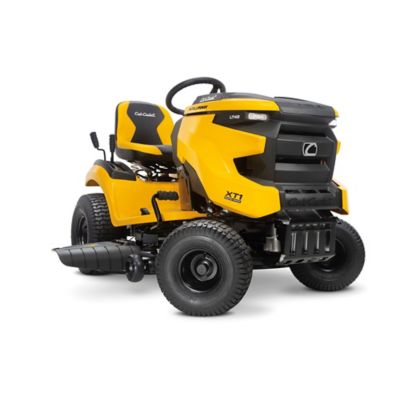
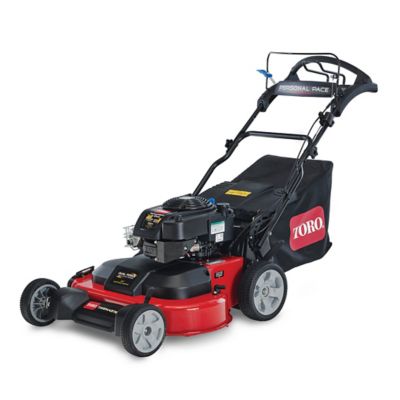
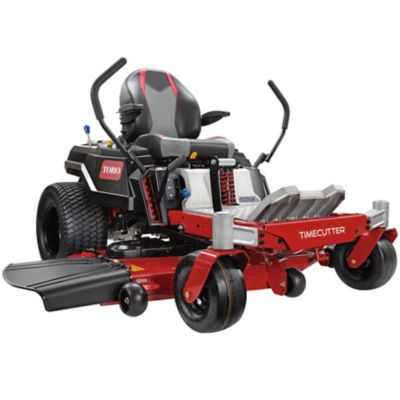
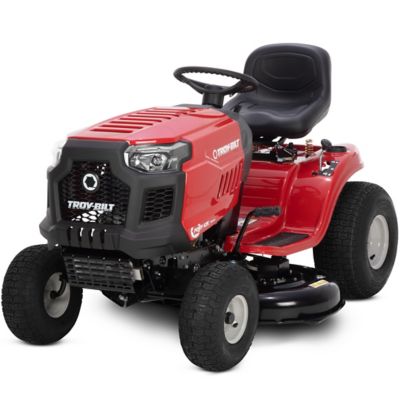
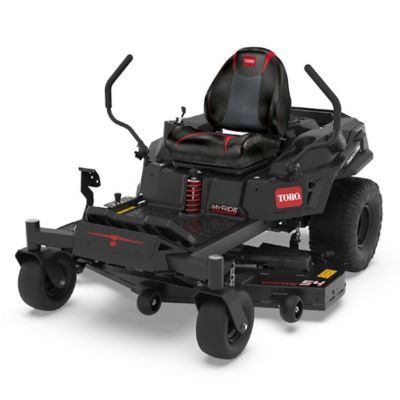
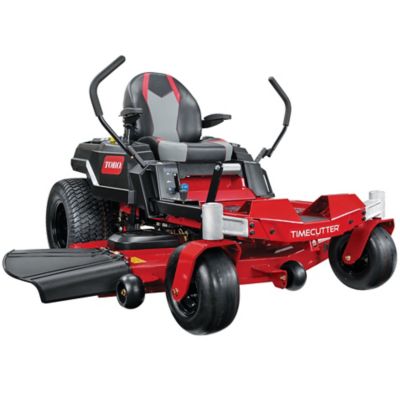
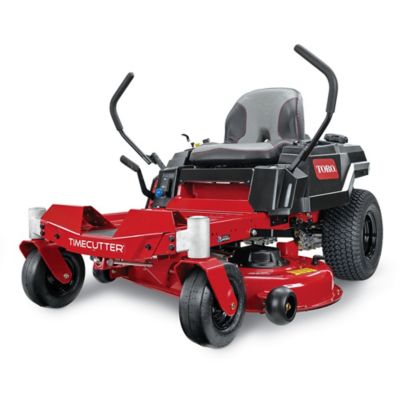
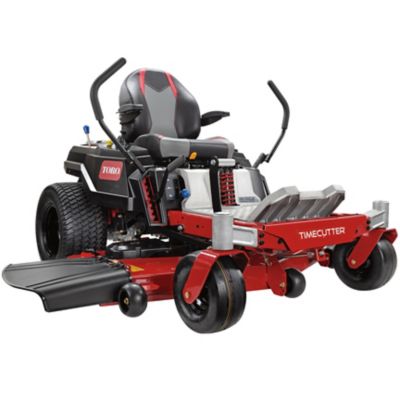
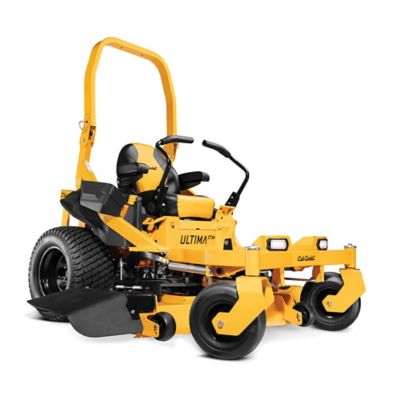
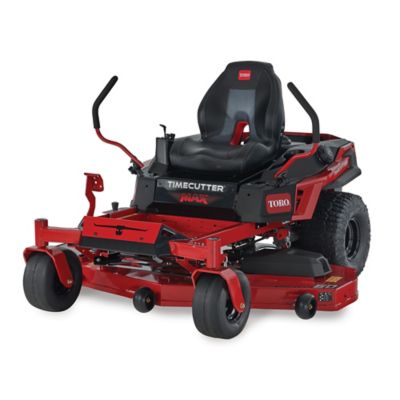
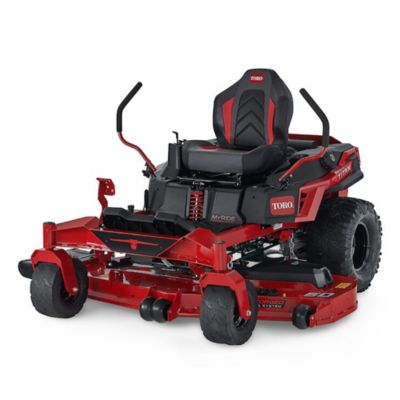
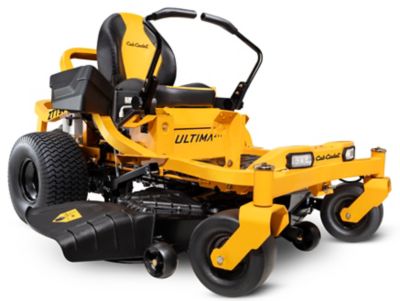
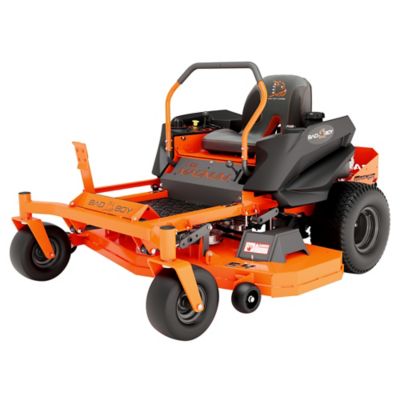
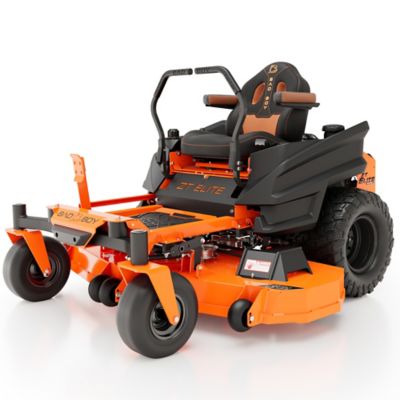
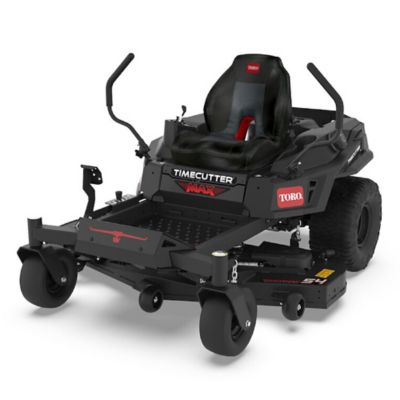
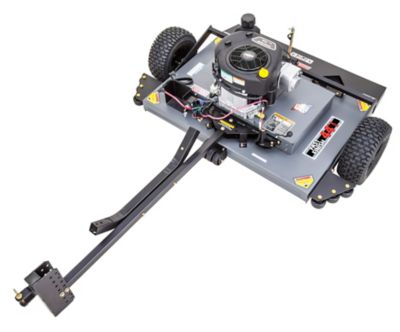
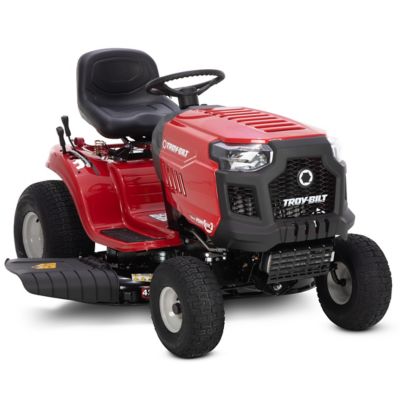
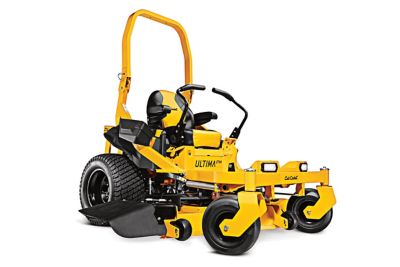
Commercial riding lawn mowers are built for the kind of work that goes well beyond keeping a small residential lawn tidy. They are made for professional landscapers, grounds crews, property managers, municipalities, farm owners and anyone caring for several acres of grass on a regular schedule. Compared with a standard residential riding mower, a commercial machine is designed to handle longer run times, repeated transport and demanding mowing conditions with less downtime. Depending on the property and the crew using it, the right setup may be a seated zero-turn mower, a stand-on mower or a heavy-duty lawn tractor. Zero-turn riders are a popular choice for open fields, athletic grounds and broad commercial properties because their rear-wheel steering lets the operator turn tightly around trees, flower beds and other obstacles. Stand-on mowers offer a compact footprint and quick on-and-off access, which can be handy when a job includes gates, scattered landscaping or frequent trimming around buildings. Heavy-duty gas or diesel tractors are suited to larger properties where steady pulling power, comfort and all-day operation matter most. Shoppers comparing
Riding Lawn Mowers can use the property layout, mowing schedule and available storage space as a starting point. A machine used by a landscaping crew may need to cover several lawns in a day, while one kept on a farm or estate may spend its time moving across rough pasture edges, long lanes and wide stretches of open turf. Thinking through those daily jobs helps narrow the field before looking closely at individual features.
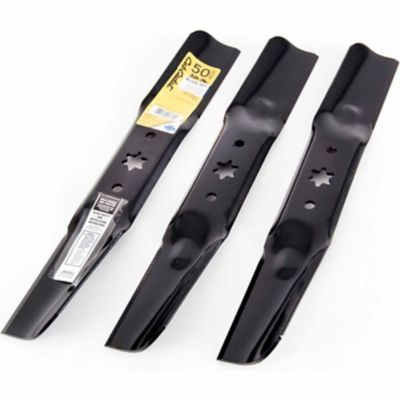
Deck size is one of the biggest considerations when choosing commercial riding lawn mowers. A narrower deck in the 36- to 40-inch range can make sense for gated yards, tight side passages and properties with plenty of trees or landscaping to work around. Wider decks, often ranging from about 52 to 72 inches, can cover open acreage more quickly by taking in a larger swath of grass with each pass. Extra-wide commercial decks may be useful on expansive fields, campuses or grounds where maneuverability is less of a concern, but they also require more room for transport, storage and turning. A wide cut does not always mean faster work if the mower cannot comfortably fit through gates or around buildings, so measure those pinch points before buying. Engine power is another important part of the conversation. Commercial-grade V-twin gas engines are common for dependable mowing power, while diesel engines may appeal to operators who need strong torque and extended service life in demanding conditions. Look for a fuel tank sized to match the workday, easy access to routine service points and an engine configuration that fits the crew’s maintenance capabilities. The mower deck deserves close attention, too. Fabricated steel decks, especially heavier-gauge construction, are generally made to withstand more contact with uneven ground, frequent loading and daily use than lighter stamped alternatives. Reinforced spindles, durable belts and protected discharge components can add confidence when grass is thick or the ground is less than smooth. Cutting height adjustment, deck lift operation and the ability to change blades without a drawn-out repair process can save valuable time over a long mowing season. For properties that stay active through the warmer stretch and into the cooler months, simple maintenance access can make a real difference between finishing the route and leaving a job for another day.
Operator comfort and control are just as important as horsepower. A commercial mower may look right on paper, but the person running it is the one who feels every bump, turn and vibration after several hours behind the controls. A full-suspension seat or isolated operator platform can help reduce fatigue on rough terrain, while an adjustable seat, padded armrests and easy-to-reach controls make repeated passes more manageable. Stand-on models can provide a clear view of the deck and surrounding landscape, and their open platform makes it easier to step off when clearing a branch or checking a gate. Seated zero-turn models may be the better fit for operators who spend most of the day mowing broad, open ground and prefer back support. Whichever style fits the job, pay attention to turning response, visibility, foot placement and how naturally the controls fall to hand. Safety features matter on commercial properties where slopes, wet grass, ditches and hidden debris may be part of the route. Rollover protection, reliable braking, a comfortable lap bar or control system and strong lighting can help support careful operation in changing conditions. Before bringing a mower home, measure trailer ramps, barn doors, shed openings and storage bays, then check the machine’s width and transport requirements. A good trailer, tie-down setup and loading plan are part of the equipment investment, especially for a lawn crew moving between properties. It is also smart to consider who will use the mower and how familiar they are with commercial controls; a short practice run in an open area can help an operator learn the turning radius without clipping a fence post or flower bed. As the weather shifts from hot, fast-growing grass to cooler conditions and a final round of cleanup, dependable equipment helps keep large lawns looking orderly without turning every mowing day into a marathon. Commercial riding lawn mowers are practical investments for working landscapers, caretakers of large rural properties and families sharing responsibility for extensive grounds, offering the durability, coverage and operator-focused design needed for steady, demanding lawn care.