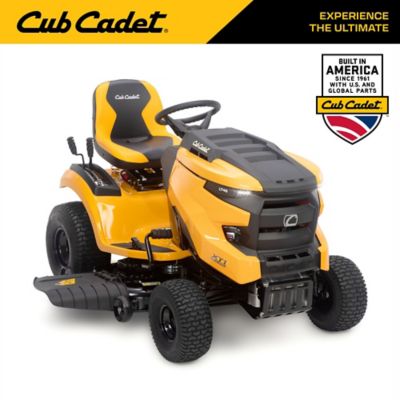
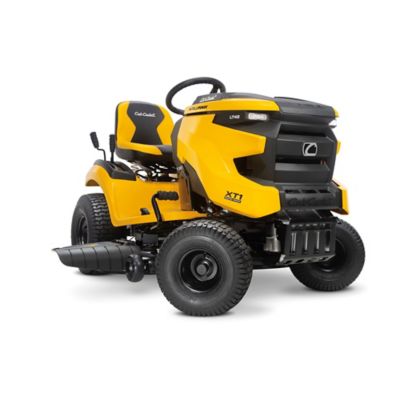
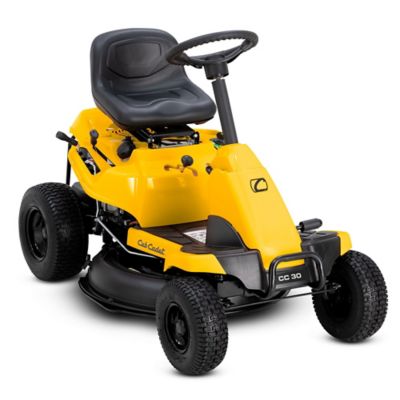
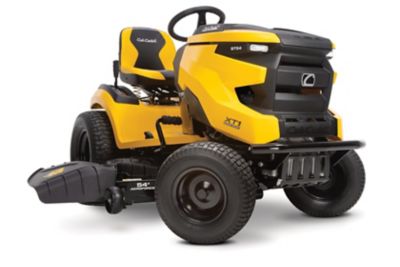
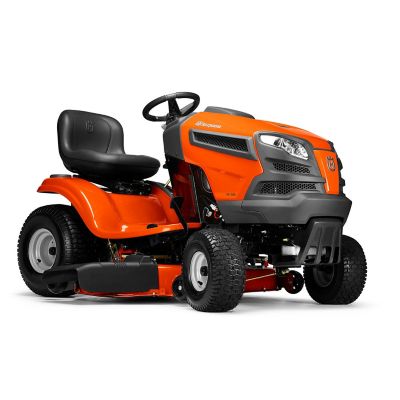
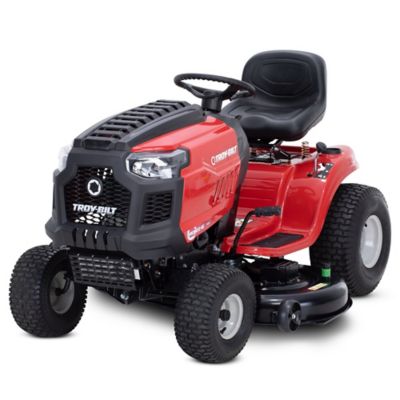
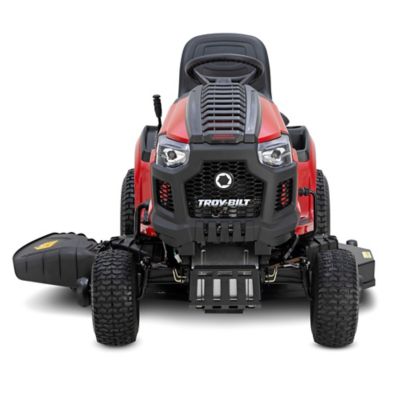
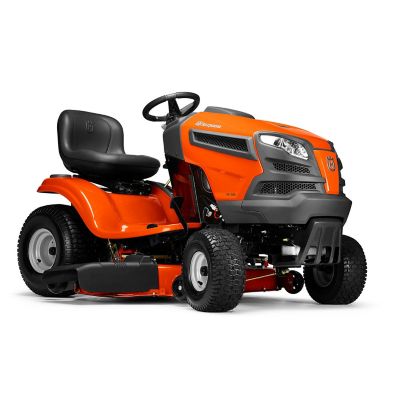
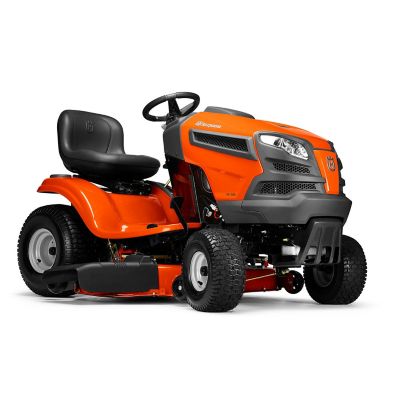
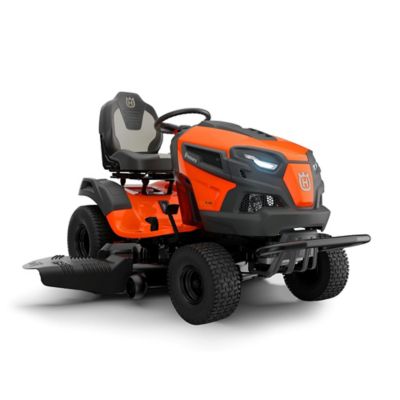
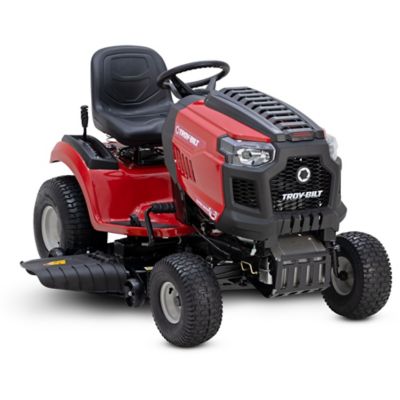
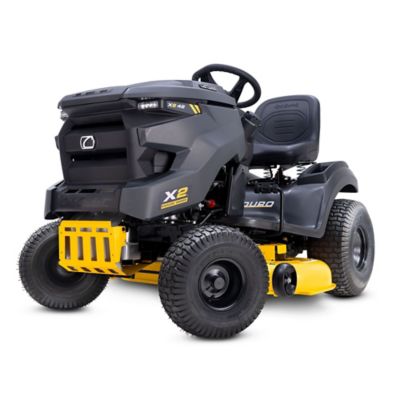
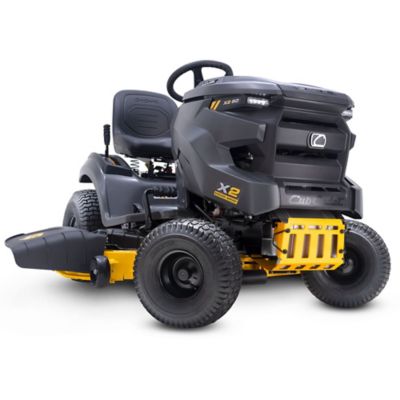
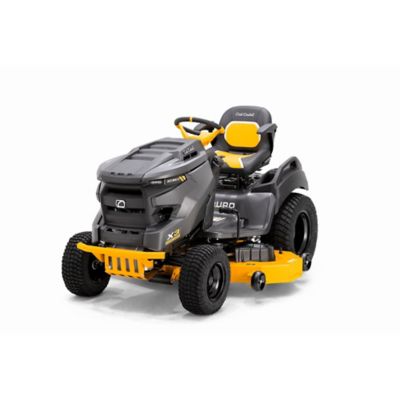
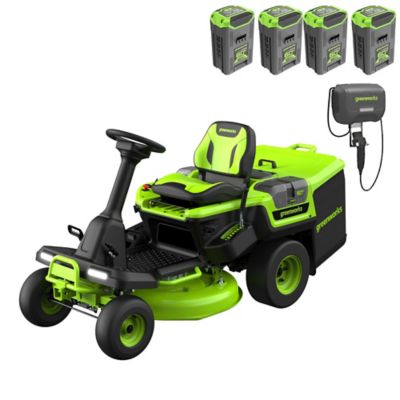
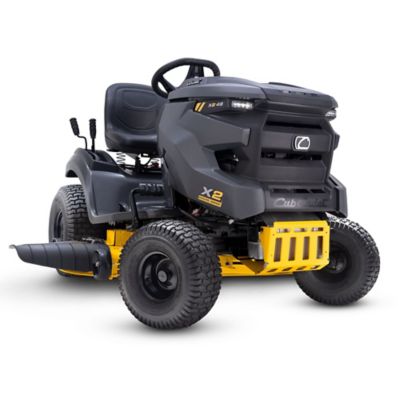
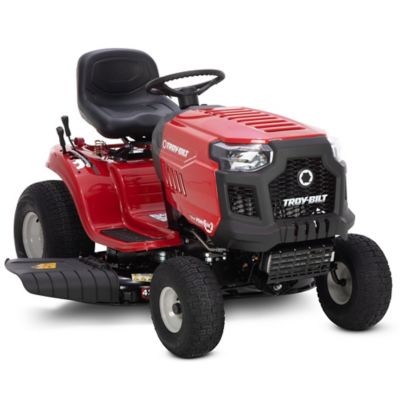
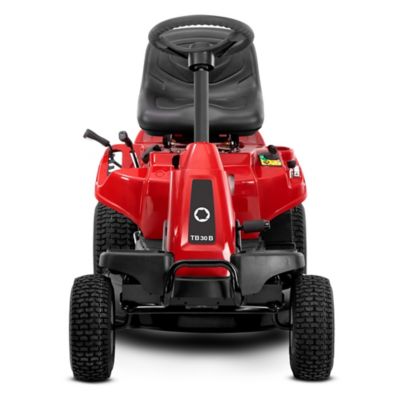
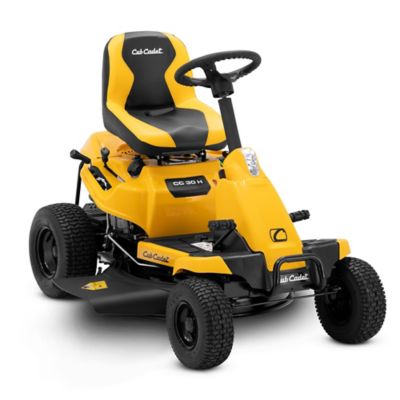
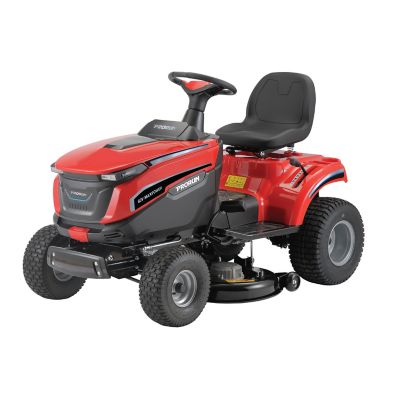
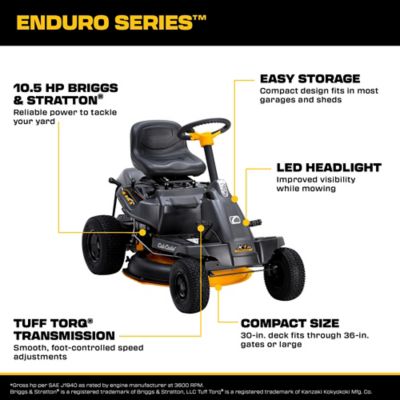
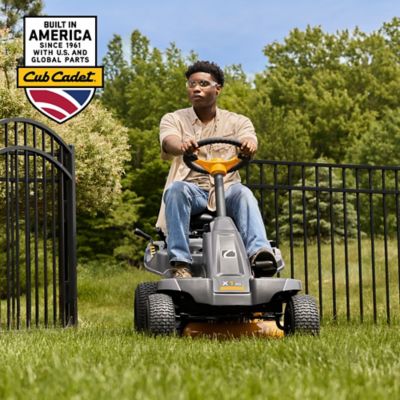
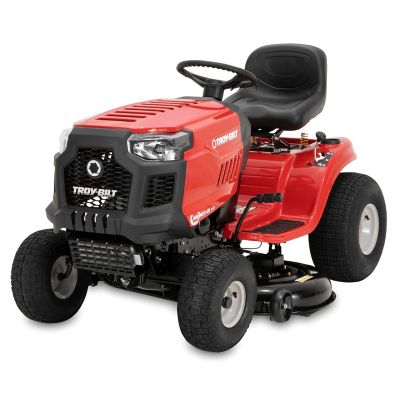
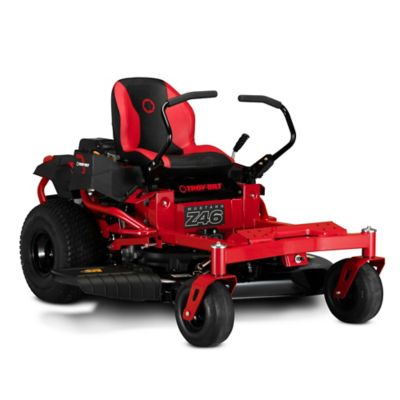
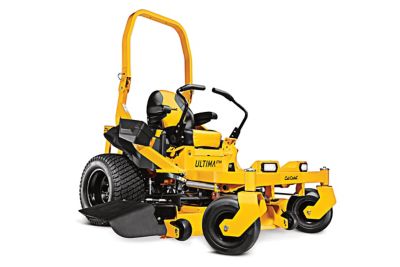
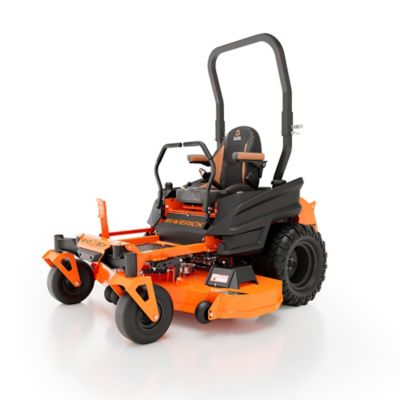
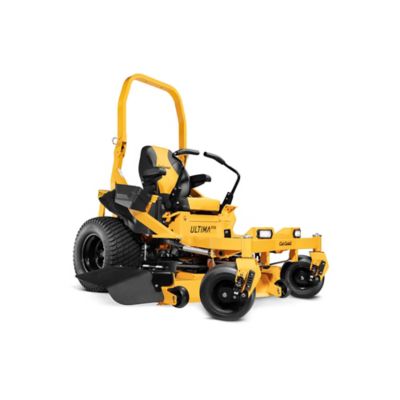
A riding lawn mower with comfort seating pairs a supportive seat with a riding position that makes regular yard work feel less cramped. On a property with long fence lines, a broad front lawn, or plenty of ground between the house and outbuildings, that comfort matters well beyond the first pass. Seat padding, backrest height, adjustment range, and suspension all affect how the operator settles into the machine. A high-back seat supports more of the back than a shorter design, while shaped cushions can help distribute pressure across the seat. Thick padding alone does not tell the whole story: the seat also needs enough support to keep the operator from sinking into an awkward position. Fore-and-aft adjustment helps bring the steering wheel, pedals, or control levers within comfortable reach. The operator should be able to sit back against the backrest and operate the controls through their full range without stretching or sliding forward. Seat width and cushion shape matter, too, especially when several adults share mowing chores. A roomy seat may suit one person well, while another benefits more from a shorter cushion that leaves space behind the knees. Comfort features vary by mower, so an adjustable seat does not necessarily include adjustable suspension, lumbar support, or armrests. Some designs have springs beneath the seat; others offer a suspension mechanism with settings matched to operator weight. Those differences are worth noting when comparing seating descriptions. For a homeowner covering a large lawn or a property caretaker making repeated passes around buildings, a well-matched seat can help limit the strain of holding an uncomfortable position. The goal is steady support, clear access to the controls, and enough room to move naturally—not simply the softest cushion. A seat that fits well at the beginning of a mowing job should still allow a relaxed grip and an upright, supported posture farther into the work.
Comfort also depends on how the seating works with the rest of the mower. A lawn tractor with a steering wheel and foot-operated drive controls has a different operating position from a zero-turn mower with lap bars. On either style, the relationship between the seat, foot platform, and controls matters as much as the cushion itself. Adjustable lap bars or steering components, where offered, can help accommodate different reaches, while an open entry area can make getting on and off less awkward. Armrests provide a place to rest the forearms and may help reduce the effort of holding the arms in position, provided they do not interfere with steering or control movement.
Lawn Mowers With Armrests bring that seating feature into focus for shoppers who want elbow support during longer mowing runs. Armrest height, spacing, and whether the rests move out of the way are useful details to compare. Under-seat springs and adjustable seat suspension can soften some of the jolts that travel through the mower, but they are not the same as suspension built into the mower’s chassis. Neither feature makes rough ground or an unsafe slope suitable for mowing. Property layout still shapes the choice: open stretches call for different maneuvering needs than lawns dotted with trees, gates, and garden beds. A wider cutting deck may cover more ground per pass, but it also needs adequate clearance through entrances and around obstacles. Tight turns, low branches, and uneven patches all affect how comfortably the operator can work. Clear sightlines from the seat help with watching the mowing path and keeping track of obstacles, though the mower’s operating limits and safety instructions always apply. Comfortable seating works best as part of a machine suited to the property, rather than as a substitute for the right deck size, control layout, or operating habits.
Seat materials and everyday upkeep have a big say in how that comfort holds up. Molded foam beneath a vinyl cover is a common arrangement, combining cushioning with a surface that can be wiped clean. Cushion density, upholstery seams, and the shape of the seat base influence support as well as wear. Reinforced mounting points and a sound adjustment mechanism help keep the seating assembly secure, while clean tracks allow the seat to move and lock as intended. Grit packed into the tracks or grass collected around the mounting area can make adjustment harder, so routine cleaning belongs alongside deck and engine or battery care. A soft cloth and a cleaner approved by the manufacturer help remove dirt without harming the covering. Torn upholstery deserves attention because an opening can let moisture reach the foam beneath it. Covered storage and a properly fitted mower cover can help protect the seat between jobs; the mower should be cool before covering, in keeping with its instructions. Seat covers, replacement cushions, armrests, and suspension accessories need to match the mower’s mounting arrangement and clearance requirements. An accessory should never obstruct controls, prevent the seat from locking, or interfere with the operator-presence safety system. These details matter for households sharing one machine, since seat adjustments may change each time someone different takes a turn. They also matter for landowners who spend a good part of the job traveling between separate patches of lawn. Even a supportive seat does not replace breaks, attention to footing when mounting, or operation within the mower’s stated limits. For acreage owners, busy households, and folks keeping the grounds tidy around a small farm, comfort seating is a practical part of a working mower. Support that fits the operator, controls within easy reach, and materials that stand up to regular care make a better combination than any single comfort feature on its own.