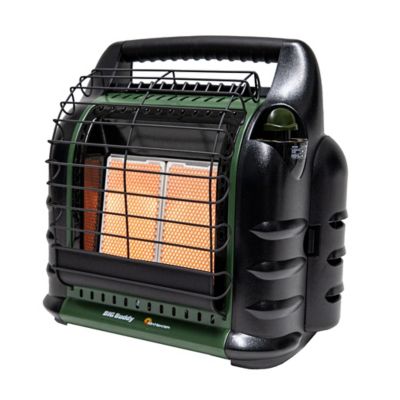
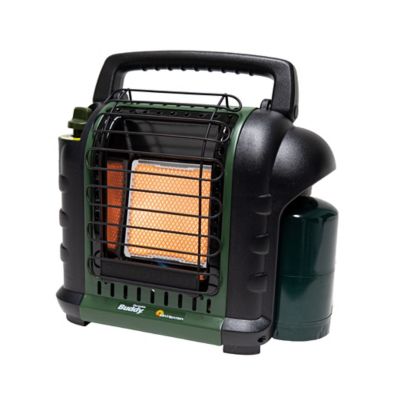
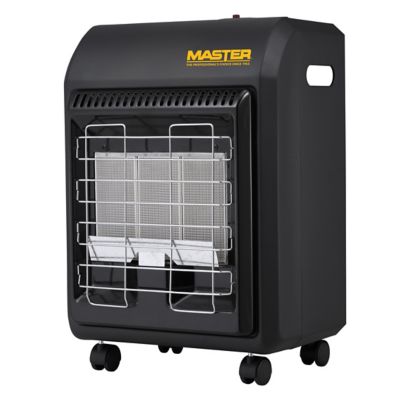
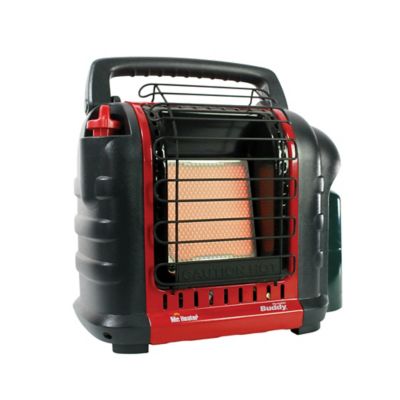
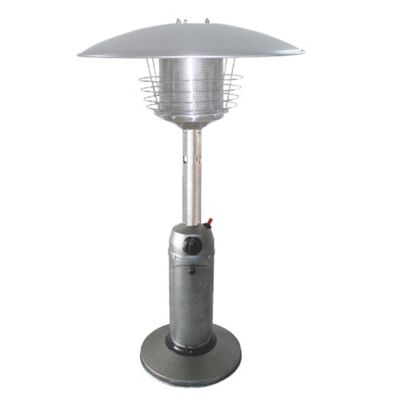
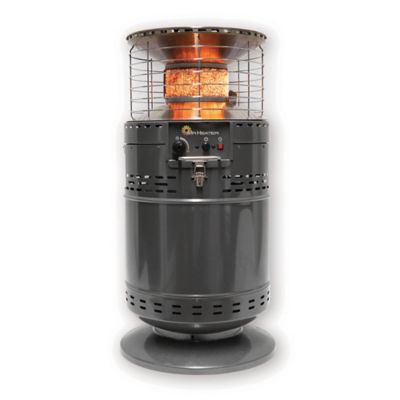
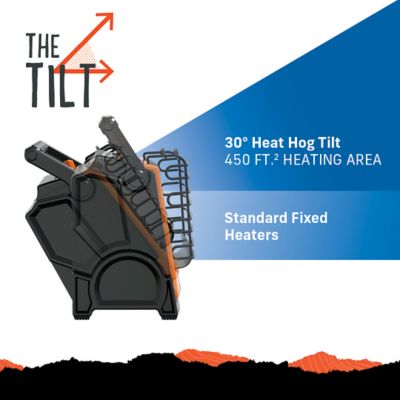
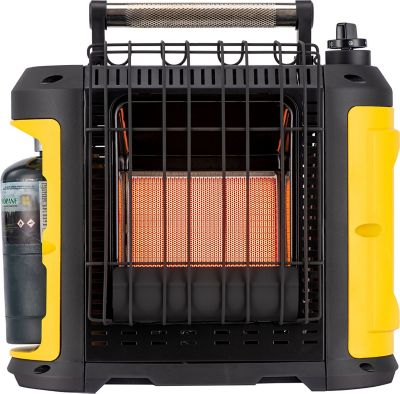
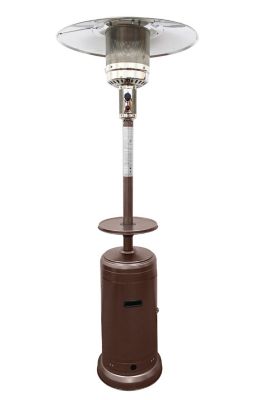
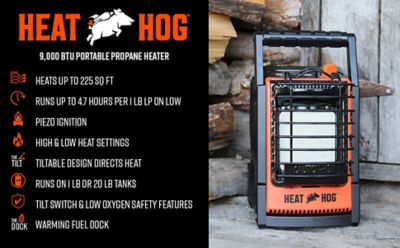
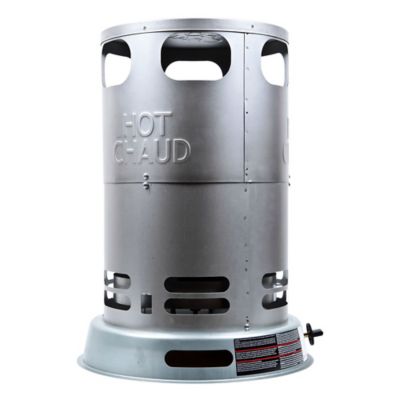
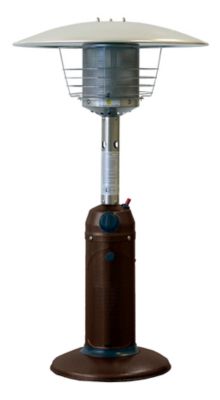
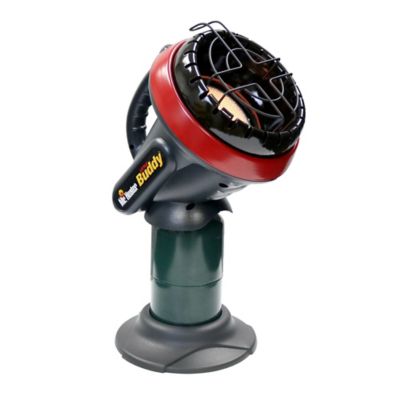
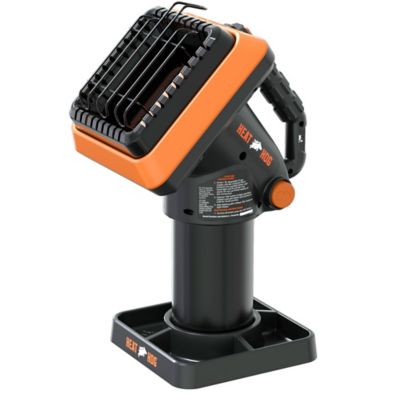
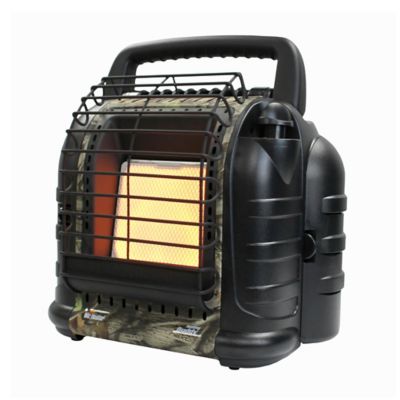
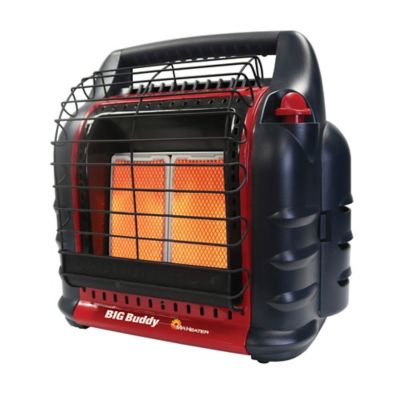
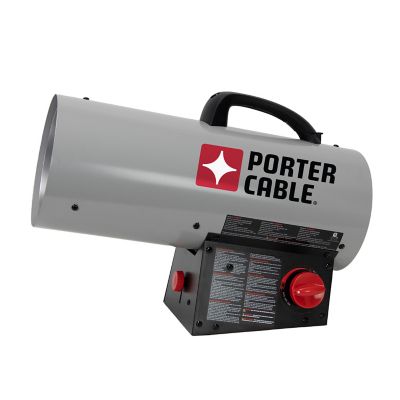
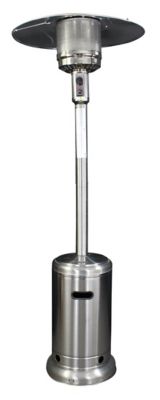
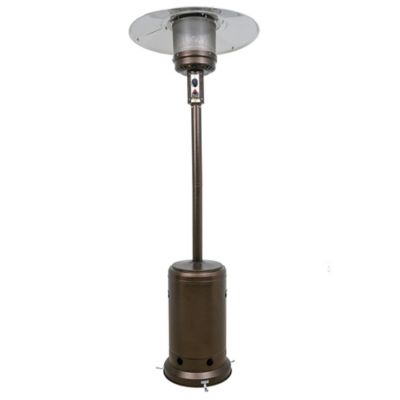
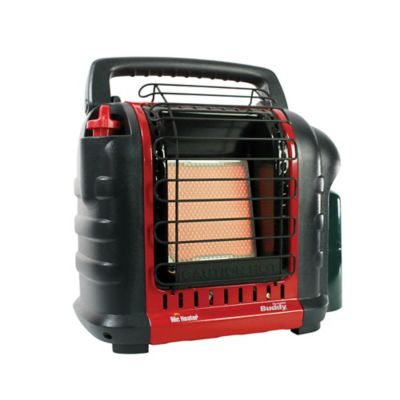
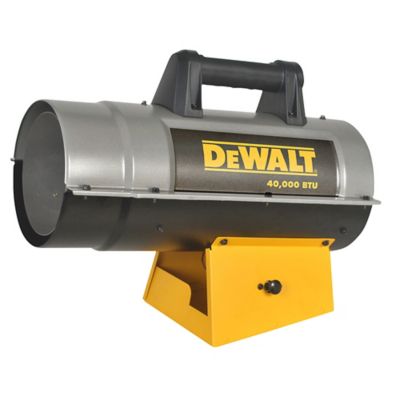
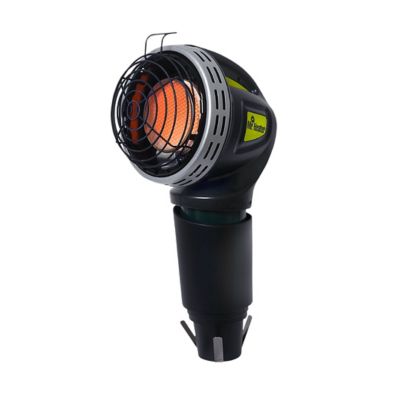
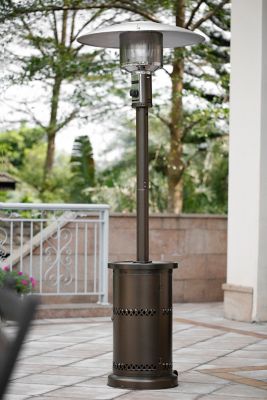
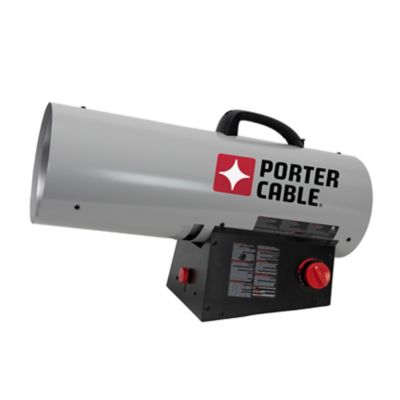
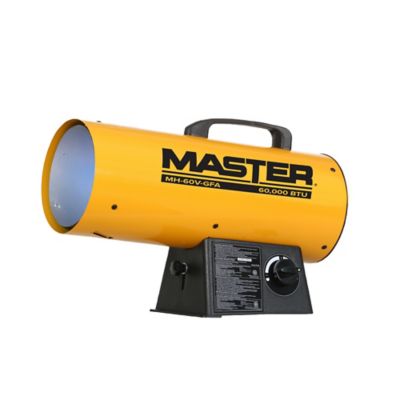
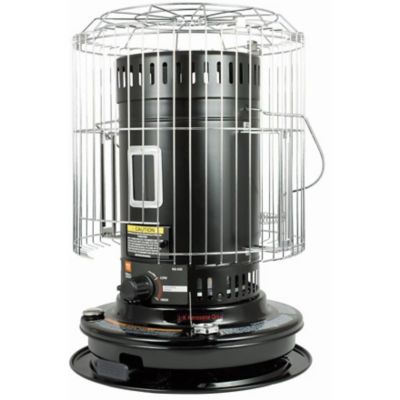
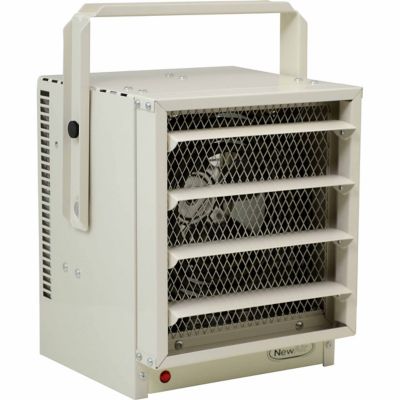
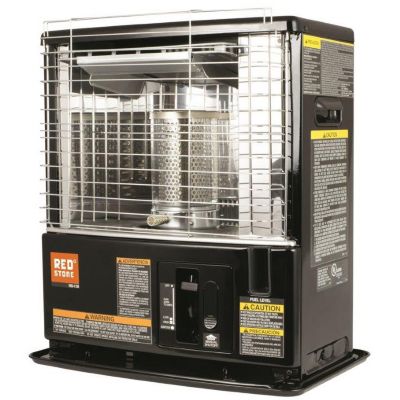
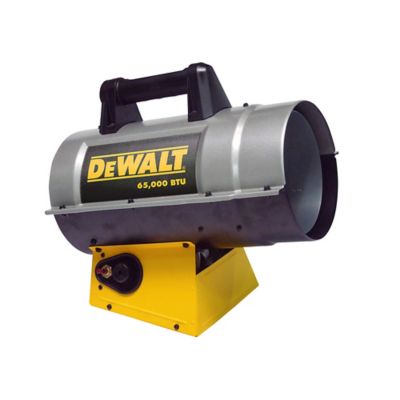
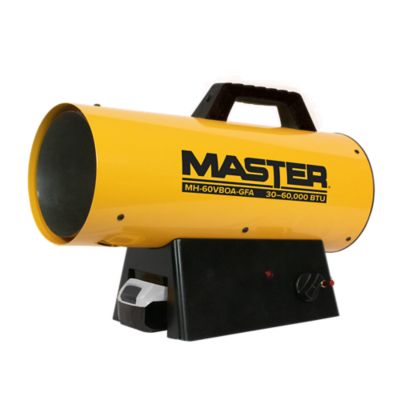
Propane bottle heaters generally fall into two groups: fuel-burning heaters that connect to a propane cylinder to warm people and nearby spaces, and electric tank blankets or wraps that warm the cylinder itself. The difference matters when matching a heater to the job. A cylinder-mounted radiant heater puts warmth close to a work area, making it a practical option for outdoor equipment checks, fence repairs or a break beside the jobsite. An electric propane tank warmer serves a different purpose: helping maintain the fuel’s ability to vaporize when low temperatures reduce cylinder pressure. It does not replace a space heater. Cold-weather fuel problems usually involve reduced vaporization and pressure, rather than propane freezing inside the bottle. For personal warmth, radiant designs send heat toward people and surrounding surfaces, while forced-air designs move heated air through an area where their labeling permits operation. Wind, distance and the openness of the work area all affect how that heat feels. A high BTU rating describes heat output, but it does not guarantee that warmth will stay around an exposed workbench or an open stretch of ground. Adjustable output can make it easier to match the heat to a stationary task without running at the highest setting the whole time. Cylinder size also affects the setup: a small bottle keeps the load easier to carry, while a larger cylinder adds weight and may support longer operation with a compatible heater. Actual run time depends on fuel capacity, heat setting and operating conditions. Ranch hands checking equipment, property owners tackling outdoor repairs and crews taking breaks at an open-air worksite may all have a place for portable propane heat. The best match starts with the intended location, the amount of warmth needed and a fuel connection that fits the heater’s stated requirements.
Materials and construction matter when a heater travels between the shed, the truck and the work area. Metal housings, burner guards, sturdy bases and protected controls are worth a close look, along with handles that allow the heater to be carried as directed after it cools. A protective finish can help limit surface corrosion, but a heater still needs shelter from moisture whenever its instructions require it. Cylinder-mounted designs place the heater above the bottle, so the cylinder’s footing and the stability of the complete assembly deserve attention. Hose-connected arrangements offer different placement possibilities, but the hose, regulator, fittings and cylinder must match the heater’s specifications. An adapter that happens to thread into place is not enough to establish compatibility. For related options, explore
Safe Propane Heaters and compare the operating requirements for the intended setting. Outdoor-only heaters belong outdoors, not inside a garage, barn, tent, camper or other enclosed area, even with a door or window open. Any heater approved for an indoor setting still has specific ventilation, clearance and fuel-placement requirements. Carbon monoxide has no smell, and an oxygen-depletion sensor, where fitted, does not replace a carbon monoxide alarm or proper ventilation. Tip-over shutoffs, flame-failure controls and protective guards can add safeguards, but no feature makes unattended operation appropriate. Around a farm or acreage, clearances also need to account for hay, bedding, loose feed sacks, fuel cans and clothing hanging nearby. Dusty work areas and places with flammable vapors may rule out a fuel-burning heater altogether. A steady, level surface away from foot traffic helps keep hoses and hot components out of the path of boots, tools and curious animals. Keep propane cylinders upright and follow the heater instructions and local requirements for their placement.
Tank-warming blankets and wraps call for a different kind of fit check. Cylinder capacity, diameter, height and shape determine whether a wrap can sit correctly against the tank without interfering with the valve, pressure-relief device, regulator or connection points. A wrap intended for one cylinder size should not be stretched, folded or overlapped to make it fit another unless its instructions expressly allow that arrangement. Outer fabrics, insulation, fasteners and electrical components should suit the stated environment, including any exposure to damp ground, rain or snow. An outdoor rating for one part does not automatically extend to every plug, cord or connection in the setup. Thermostatic controls, when included, help manage heat within the warmer’s rated operating range; they do not eliminate the need to follow temperature limits and placement directions. Only equipment expressly designed and rated for warming propane cylinders belongs on the tank. Open flames, torches, ordinary heating pads and improvised coverings can create serious hazards. A tank warmer also cannot correct an undersized cylinder, a restricted regulator or another fuel-system problem. If fuel delivery drops off repeatedly, the whole setup may need attention rather than additional heat. Care between jobs helps both space heaters and cylinder warmers stay ready for their next outing. Once equipment is off, disconnected as directed and fully cool, look over guards, cords, hoses, seals and fasteners for damage. Keep burner openings and ventilation passages clear according to the owner’s manual, and follow the specified leak-check procedure whenever a propane connection is made; never check for leaks with a flame. Storage should protect the heater or wrap from moisture, rodents and knocks from other tools, while propane cylinders need their own approved storage location. Thoughtful fit, proper placement and routine care make these heating options better suited to the everyday demands of outdoor work and cold-weather fuel handling.