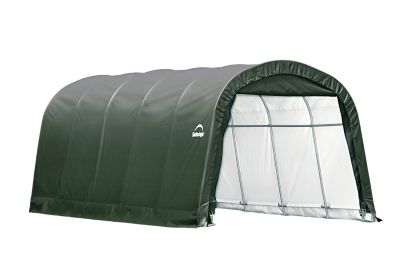
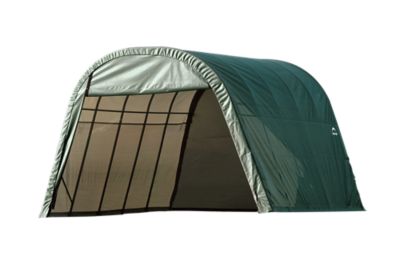
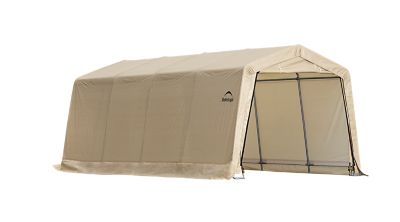
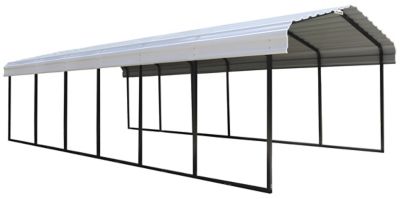
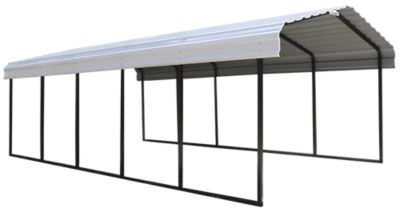
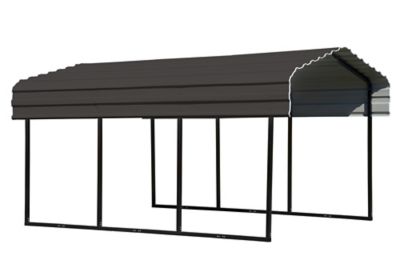
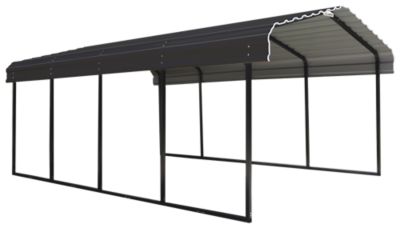
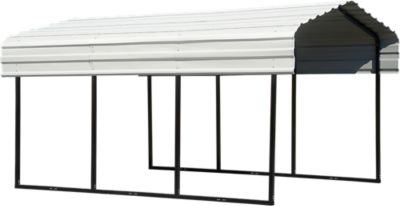
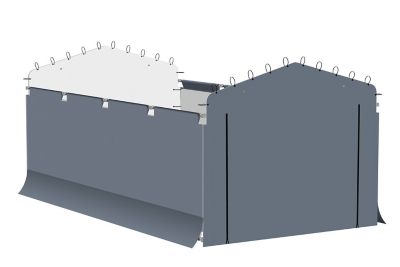
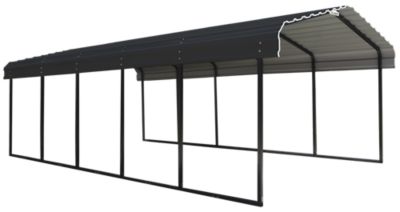
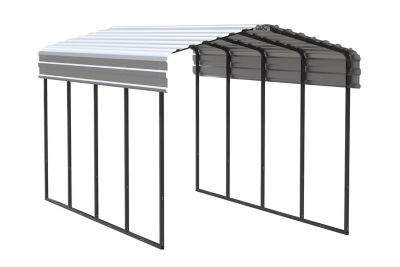
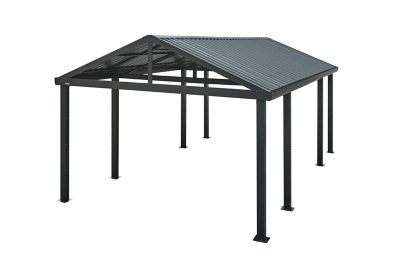
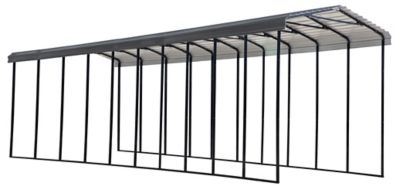
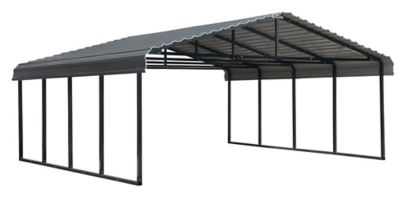
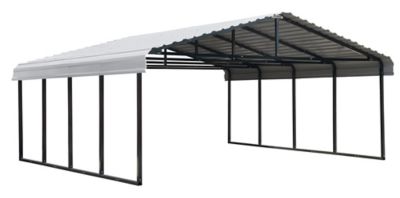
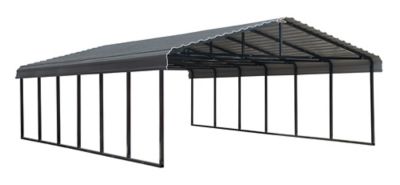
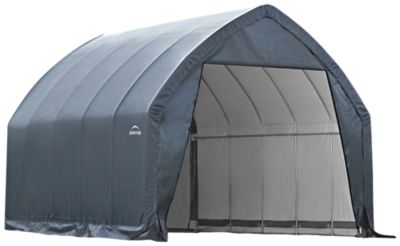
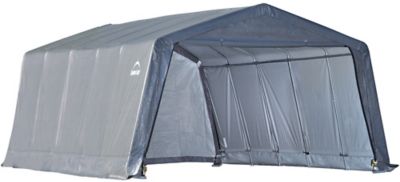
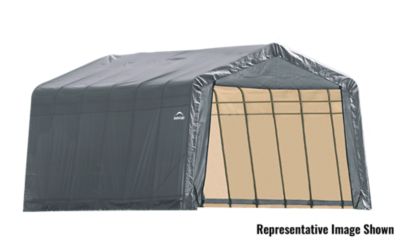
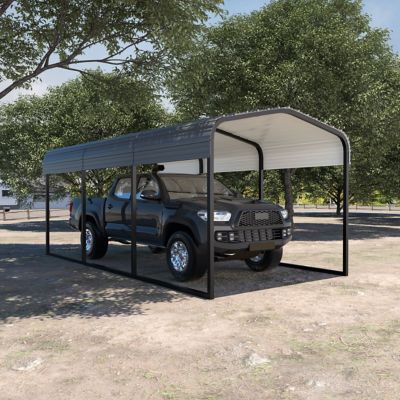
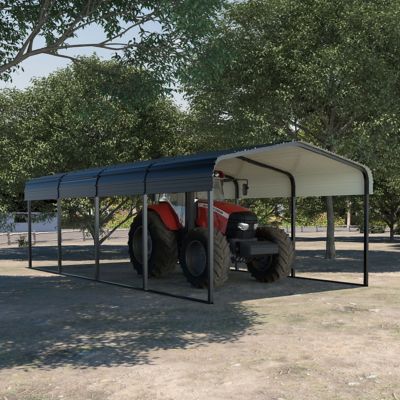
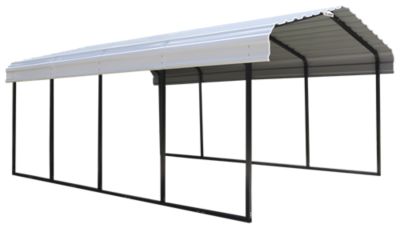
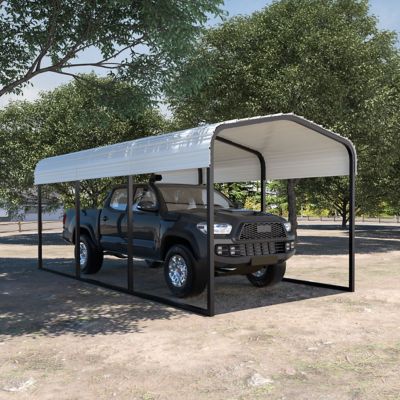
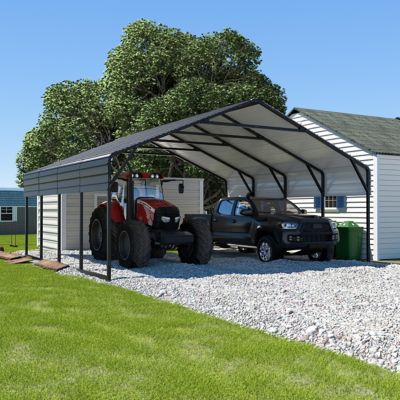
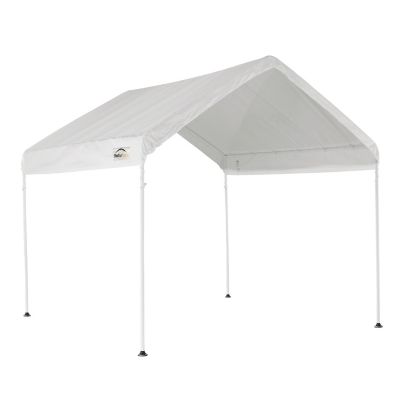
A portable garage gives you a practical way to protect vehicles, equipment and everyday gear without building a permanent structure. These shelters can be useful on a country property, a small acreage, a home with limited garage space or anywhere a truck, tractor, mower, ATV, boat or trailer needs a little extra cover. During the warmer part of the year, a covered space helps shield paint, seats, tires and dashboards from bright sun, dust and sudden rain. As the weather turns cooler, it can keep frost, falling leaves and damp conditions off the equipment you rely on. Many folks also use a portable garage as a work area for routine maintenance, a staging spot for firewood and outdoor supplies, or a place to keep seasonal items out of the weather. Before choosing one, take a careful look at the equipment you plan to store and measure more than just its length and width. Allow room to open doors, lower ramps, walk around the sides and move items in and out without scraping against the frame or cover. A little extra clearance is especially helpful when storing a tractor with attachments, a vehicle with a roof rack or a trailer that needs to be hitched and unhitched. Think about the height of the tallest load, too, since a shelter that fits an empty trailer may not accommodate a raised mower deck, cab, exhaust stack or other equipment mounted on top.
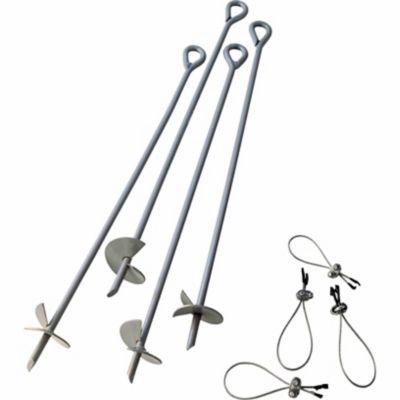
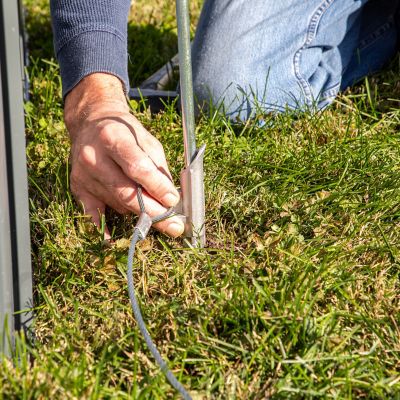
The setup location matters just as much as the shelter itself. A level, well-drained area makes installation easier and helps keep water from collecting around tires, tools or stored materials. Firm ground can provide better footing than soft soil, although the right anchoring method depends on the surface, local conditions and the shelter design. Portable does not mean weightless or windproof, so take time to secure the frame and cover according to the manufacturer’s instructions. Areas exposed to open fields, hilltops or strong crosswinds may need more substantial anchoring than a sheltered spot beside a barn or house. Keep the entrance clear of low branches, fence lines and overhead wires, and make sure rainwater can run away from the shelter instead of toward a doorway or foundation. When comparing options, pay attention to frame construction, cover material, seam quality, door design and ventilation. A durable cover helps stand up to sun and changing weather, while vents or roll-up openings can reduce heat and condensation inside. Good airflow is important when a damp vehicle, wet tools or freshly washed equipment is parked beneath the cover. If you plan to store fuel, batteries, chemicals or machinery that produces heat, follow all safety instructions and provide the clearance and ventilation those items require. Check local rules before installing a larger structure, particularly if it will remain in place for an extended period or sit near property lines. It also helps to think through everyday use: a wide opening may be more convenient for a pickup or tractor, while a tighter footprint may work better beside a house or along a driveway. A shelter that is simple to enter, close and inspect is more likely to get used properly instead of becoming a catchall that is difficult to reach.
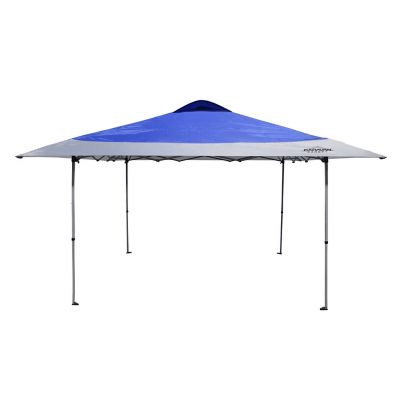
Portable garages can serve hardworking homeowners, farmers, ranchers, hunters, campers, tradespeople and anyone who needs flexible covered storage without committing to a permanent addition. They can also make a thoughtful gift for a new homeowner, a person moving to a rural property or a family member who keeps recreational equipment outdoors. For someone who spends weekends repairing machinery or getting the yard ready for the cooler months, a dry, covered workspace can make a long chore feel more manageable. Picture pulling a mower out on a crisp morning, working beneath a roof instead of standing in wet grass, then rolling the tools back inside when the job is done. A portable garage can also help preserve equipment between uses by keeping mud, leaves and moisture from settling into hard-to-clean areas. For outdoor gatherings, a separate shelter can provide shade and a dry place for coolers, folding chairs or serving supplies; a
Pop Up Tents For Tailgating can be useful when a more open, temporary setup fits the occasion. No matter how the space is used, regular care will extend its service life. Brush away leaves and debris before they collect on the cover, look over the frame and anchors after heavy weather, and tighten or replace hardware when needed. Avoid dragging sharp-edged equipment against the fabric, and repair small tears before they grow. During periods of strong wind, heavy rain or snow, follow the care guidance for the shelter and remove buildup when it is safe to do so. With the right size, a solid location and dependable anchoring, a portable garage can add useful covered space to a property while keeping vehicles and equipment closer at hand and better protected through changing seasons.