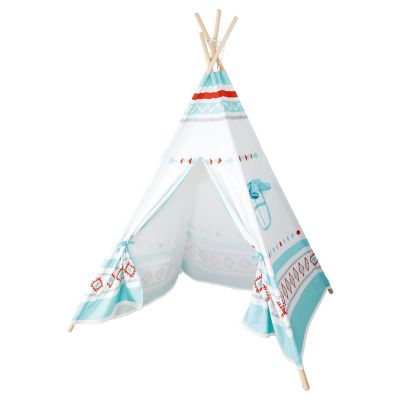
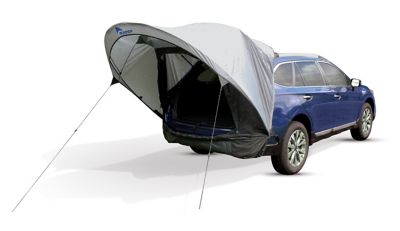
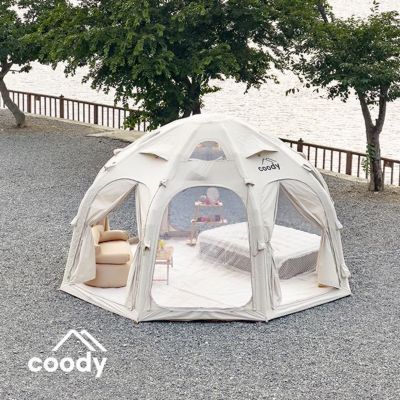
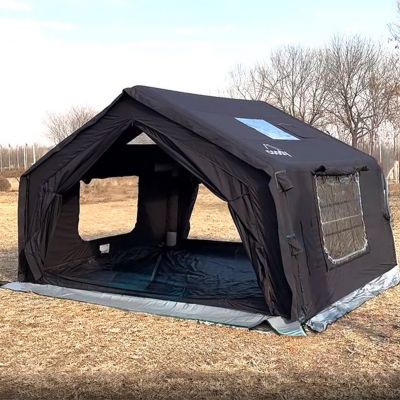
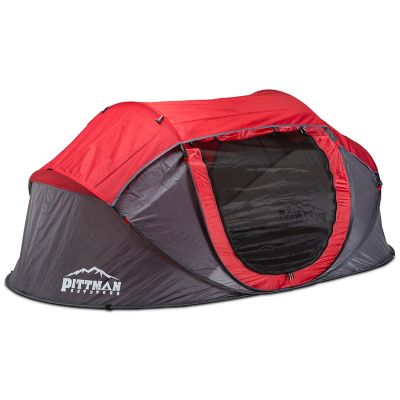
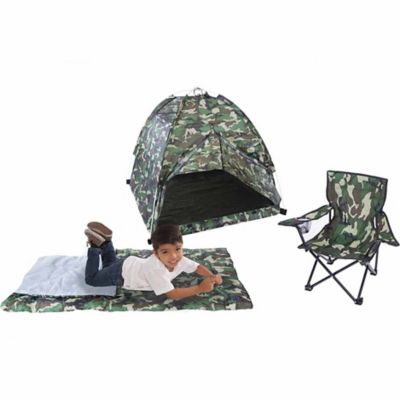
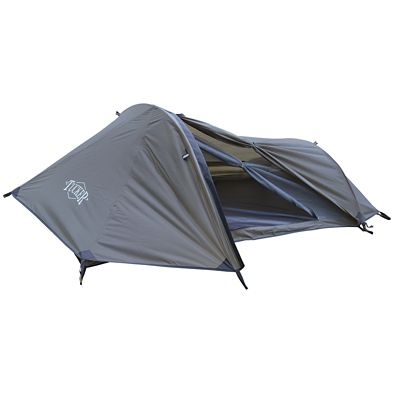
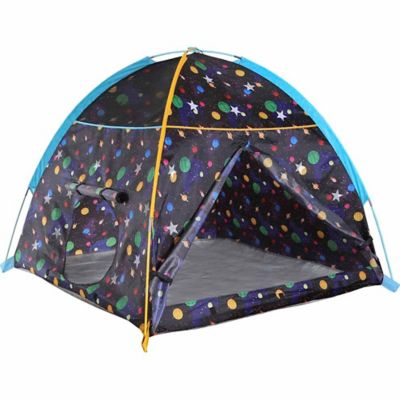
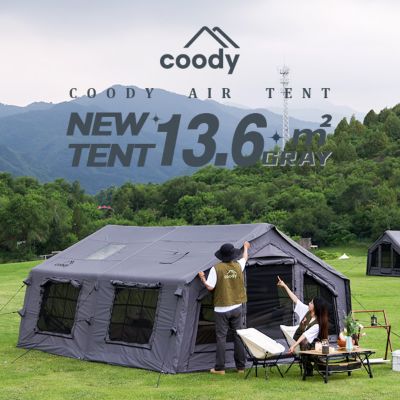
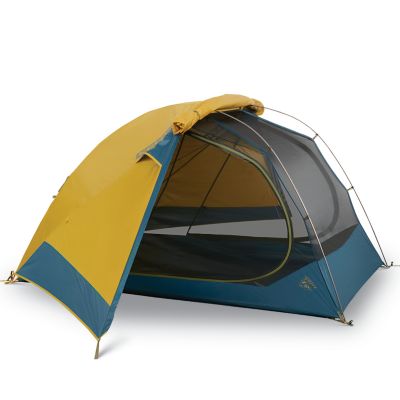
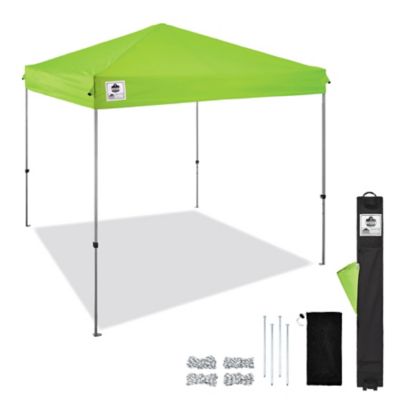
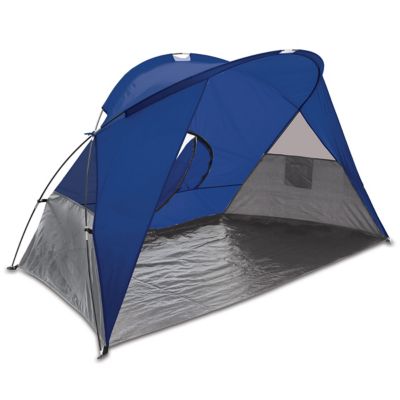
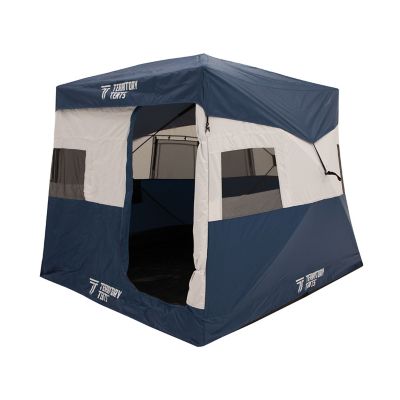
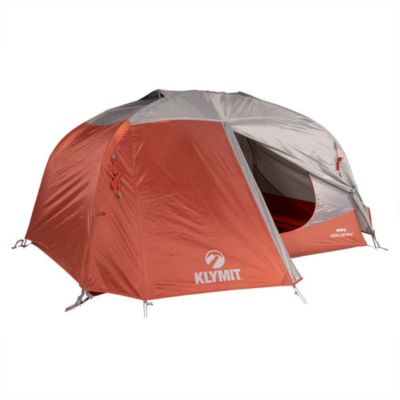
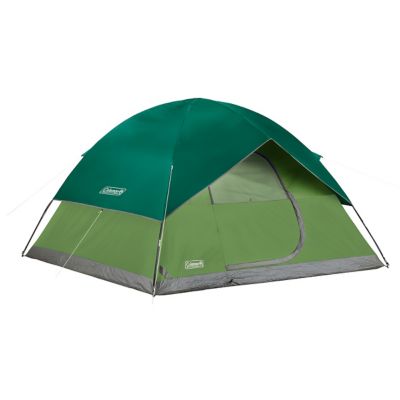
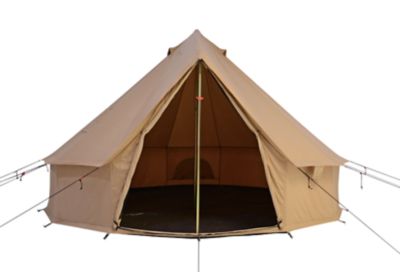
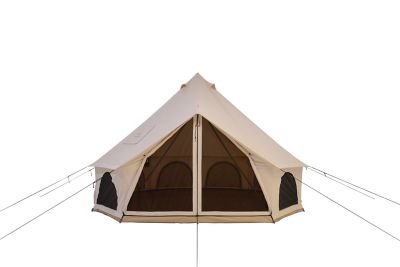
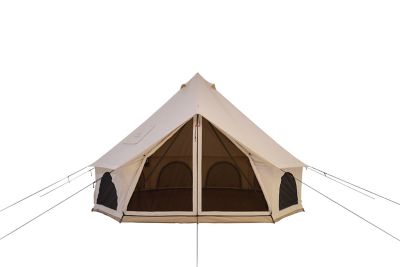
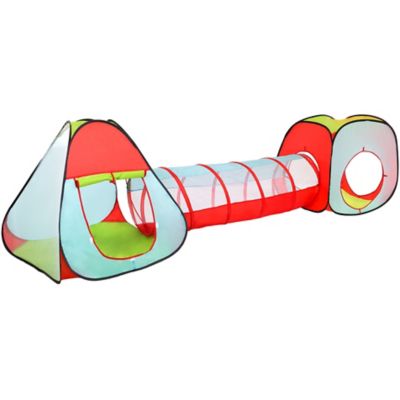
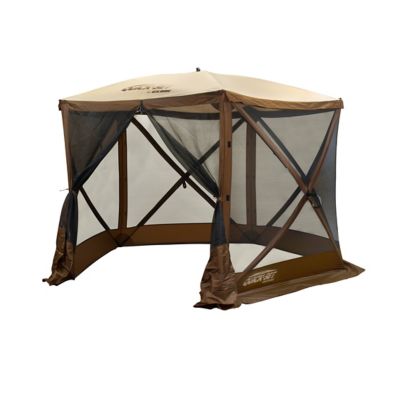
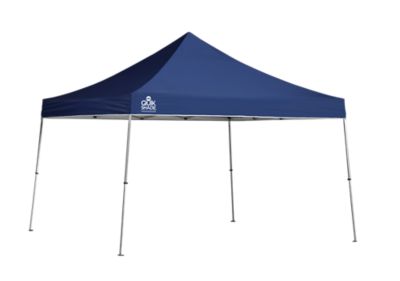
Small tents make it easier to enjoy the outdoors without hauling a full-size shelter or rearranging the whole truck bed. They’re a handy fit for solo campers, couples, kids, guests at a backyard sleepout, and anyone who likes having a simple place to get out of the sun, wind or light rain. A compact tent can tuck into a vehicle for fishing trips, hunting camp, weekend travel or a quiet night near the lake, while also serving as a comfortable hideaway for reading, napping and relaxing in the yard. Families often use smaller tents as a first camping shelter for children, giving young campers a cozy spot to practice rolling out a sleeping bag and keeping their gear in order before heading farther down the trail. They can also make thoughtful gifts for outdoorsy friends, college students, new homeowners or relatives who enjoy road trips and backyard gatherings. When choosing one, start with the number of people who will use it and how much room is needed for sleeping bags, a small amount of gear and getting dressed without feeling boxed in. A tent listed for one person will generally be snug and efficient, while a two-person size can provide a little more elbowroom for one camper and personal items. Pay attention to the packed size and carry weight, especially if the shelter will be carried from a parking area to a campsite. A compact carry bag is useful for storage in a closet, garage, camper or utility room, and a straightforward setup can make a big difference after a long drive or a full day outdoors. Look for sturdy poles, dependable connections and a floor that helps keep ground moisture from reaching bedding. Ventilation matters, too. Mesh panels and adjustable openings allow fresh air to move through on warmer evenings and can help reduce the damp feeling that comes from condensation. For changing weather, a rainfly and covered entry area offer added protection and a spot to leave muddy boots outside the sleeping space. Before buying, consider the ground where the tent will be used, from packed campground soil to softer grass or uneven ground near a hunting blind. Room for stakes, guy lines and a ground cloth can help the shelter stay steady when a breeze rolls across an open field. For those who need a larger, more rugged setup for frequent use, a
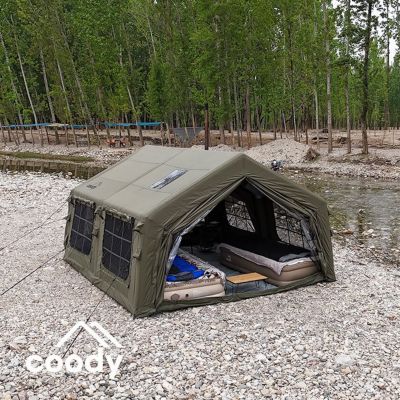
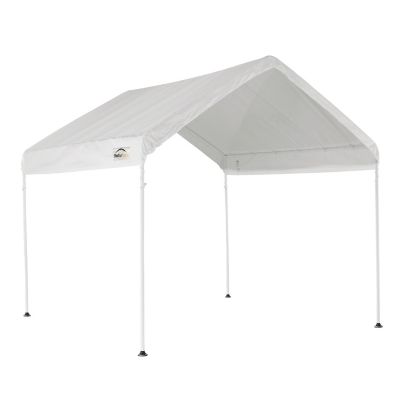
Heavy Duty Pop Up Tents option may be worth considering for added coverage at events, work areas and outdoor gatherings.
Small tents are useful well beyond a traditional campground. Set one up beside the garden during a warm afternoon for a shady place to rest, or keep one ready for visiting family members who enjoy sleeping outdoors but prefer to stay close to the house. They’re also practical around the farm or homestead when a temporary shelter is needed for gear, a quiet break or an overnight stay during a busy project. A compact tent can give children a special space during a family reunion, provide a cozy reading corner during a backyard campout or create a little extra privacy at a tailgate or outdoor event. When cooler weather arrives, a tent with a weather-resistant outer layer, secure closures and enough room for layered clothing can be more comfortable than a lightweight warm-weather shelter. Even then, camping safety comes first: keep cooking equipment, lanterns and heaters designed for outdoor use well away from tent fabric, and never use fuel-burning equipment inside an enclosed shelter. Choose a level campsite free of dead branches, standing water and low spots where rain may collect. At home, store the tent completely dry before packing it away so mildew and musty odors do not take hold. Shake out dirt, brush away grass and check the floor, seams, poles and stakes after each trip. Small repairs made early can help extend the life of the shelter, especially if a pole connection loosens or a small tear appears near a seam. It is also worth checking what comes with the tent, since stakes, guylines, storage bags and repair materials may vary. A simple footprint or tarp placed beneath the tent can help protect the floor from rough ground, but it should be sized so rain cannot run underneath from the exposed edges. Inside, keep bedding in a waterproof bag until the shelter is fully set up, and use a small tote or hanging organizer to keep flashlights, snacks and personal items from getting scattered. These little habits make a compact shelter feel more comfortable and make packing up easier when dew covers the grass in the morning.
For occasional campers, a small tent offers an affordable way to spend more time outside without committing to a large shelter or complicated setup. It can ride along for a spontaneous overnight stay, a fall fishing trip, a hunting weekend or a family visit to a local campground. For more experienced outdoor folks, a compact design can work as a lightweight backup, a personal sleeping space beside a larger camp or a simple shelter for gear. Before heading out, practice setting it up in the yard or driveway. That first trial makes it easier to understand the pole layout, find the stake points and learn how tightly the rainfly should be secured before wind or darkness becomes a factor. Look for a spot with natural drainage and some protection from prevailing wind, but avoid pitching directly beneath large trees where falling limbs or heavy dripping can become a problem. During warm stretches, orienting the door away from the strongest sun can help keep the inside more comfortable, while opening vents at opposite ends encourages airflow. During cooler months, a properly fitted sleeping bag, insulated pad and dry clothing can add much more warmth than extra blankets alone because the ground pulls heat away quickly. If the tent is intended for children or gift giving, a roomy entry, bright interior and easy-to-follow setup can make the experience more inviting. If it will be used for hunting, fishing or work around rural property, muted colors, durable materials and a compact packed size may matter more. Whether it becomes a weekend base camp, a backyard hideaway or a dependable shelter kept in the vehicle, the right small tent brings a little more comfort and flexibility to time spent outside.