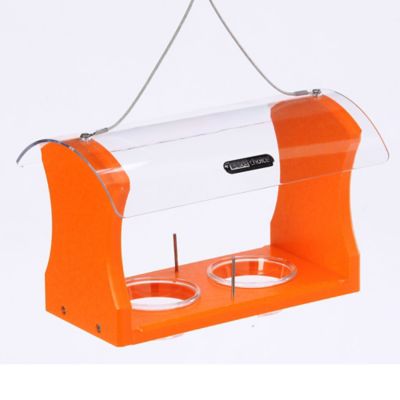
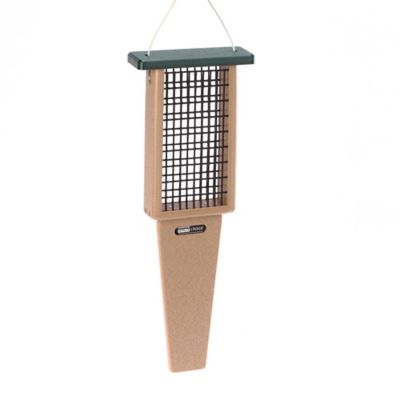
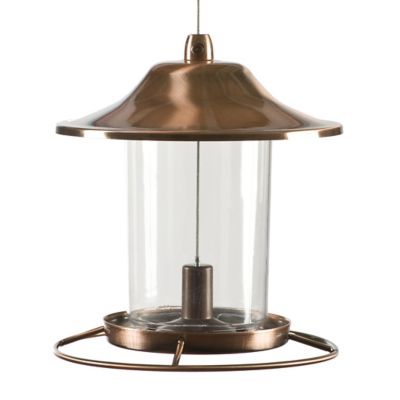
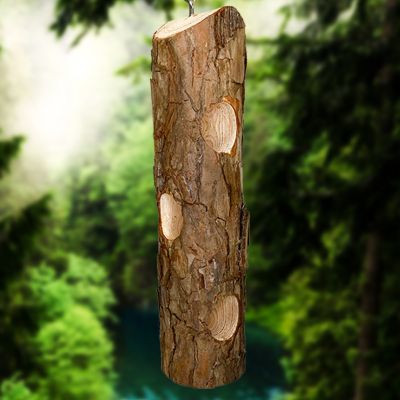
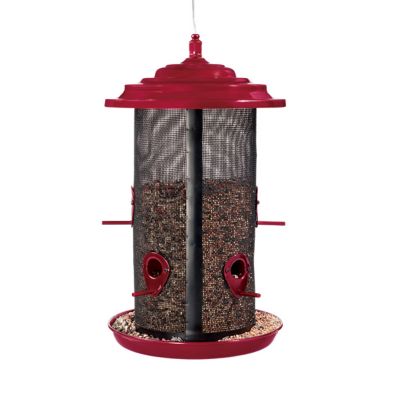
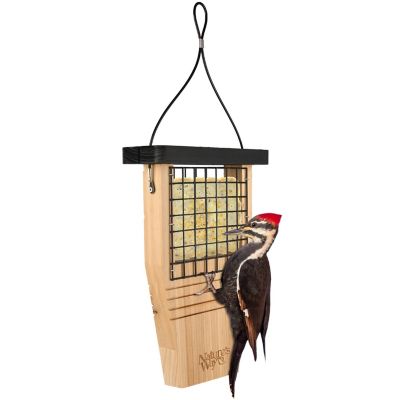
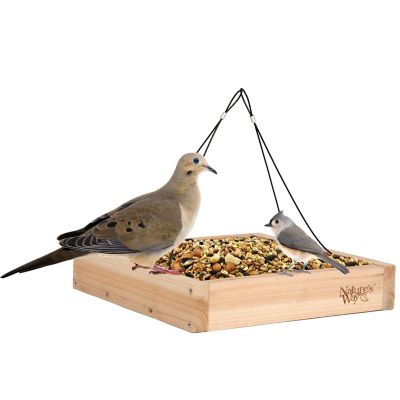
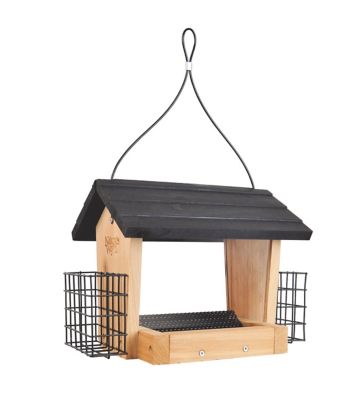
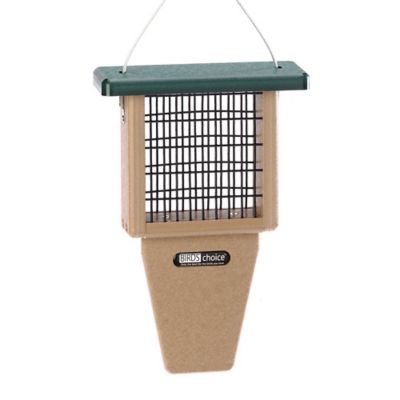
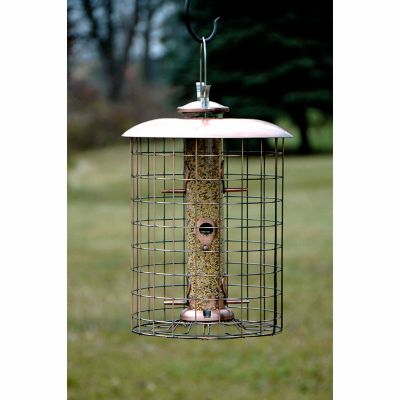
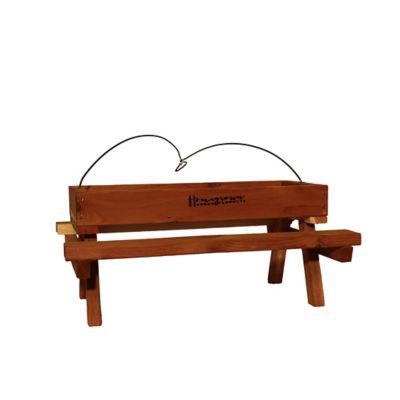
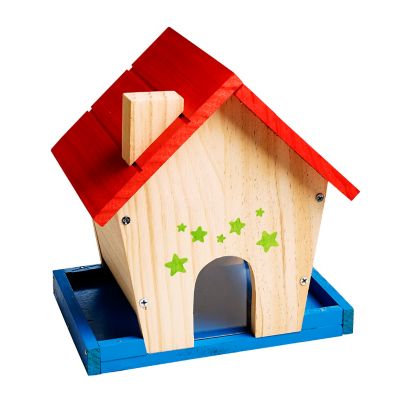
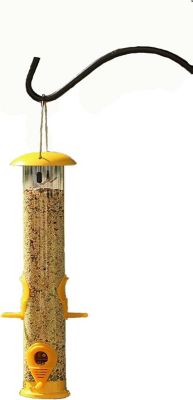
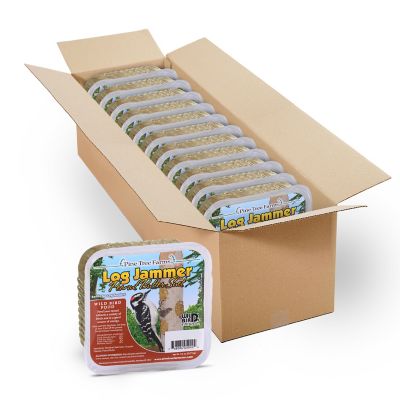
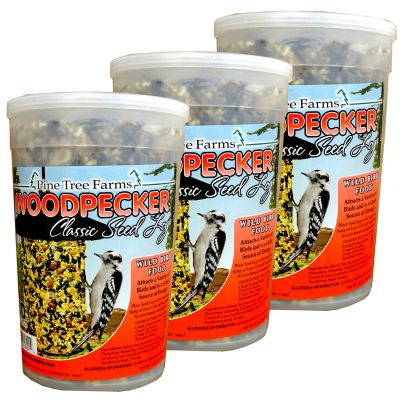
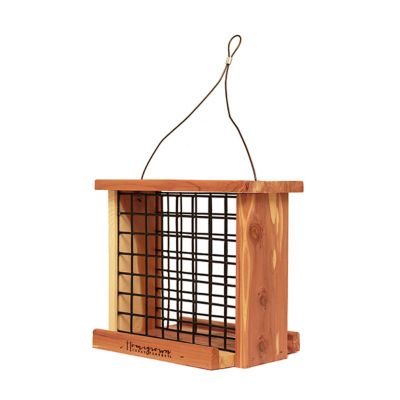
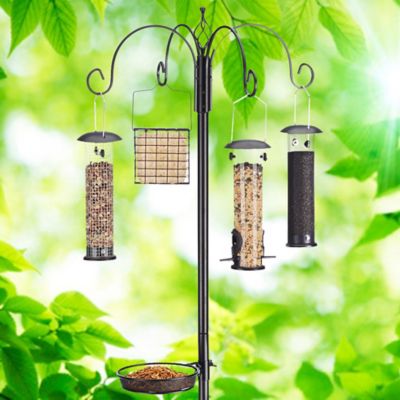
A woodpecker feeder gives backyard birdwatchers a dependable place to offer high-energy food to woodpeckers and other clinging birds. Unlike birds that prefer a flat tray or narrow perch, woodpeckers are built to grip rough surfaces, brace themselves with their stiff tail feathers, and peck at food tucked into bark, wood, or wire. A well-designed feeder takes those habits into account, making it easier for birds to land, hold on, and feed comfortably. Depending on the style, a woodpecker feeder may hold suet cakes, peanuts, seed blends, dried fruit, or other foods that appeal to insect-eating and nut-loving birds. Tail-prop suet feeders include an extended lower perch that gives larger woodpeckers a place to steady their tails, while mesh peanut feeders let birds pull small pieces through openings with their bills. Upside-down designs place the food below the mounting point and favor birds that can cling and hang, which may help reduce visits from some heavier, less agile birds. Log and bark-style feeders bring a more natural look to the yard and can be filled with suet, peanut butter, or bark-based spreads made for wild birds. When choosing among woodpecker feeder styles, consider the birds you commonly see, the food you plan to offer, and the location available for hanging or mounting. A feeder near a mature tree, woodland edge, fence line, or brushy area often feels more inviting than one placed in the middle of an exposed lawn. Woodpeckers like the security of nearby cover, especially when they can move from a tree trunk to the feeder and back again. Keep enough open space around the feeding area for a clear view of approaching birds, while leaving branches or trunks close enough for quick escapes. A sturdy design with secure hardware is helpful in windy weather, and a roof or covered top can help shield food from rain and falling leaves. For a small yard, a compact feeder may be easier to keep filled and clean. In a larger rural setting, more than one feeding station can spread out bird activity and give different species room to feed without crowding.
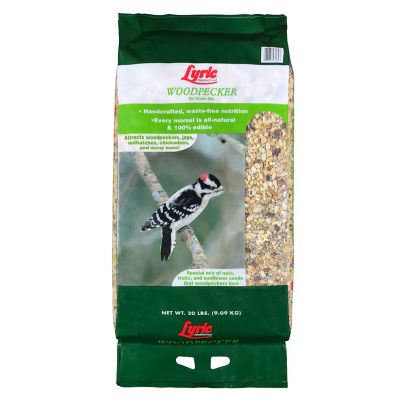
Food choice plays a big part in attracting woodpeckers and keeping them returning. Suet is a popular option because it provides concentrated calories, especially during cooler months when wild birds spend more energy staying warm and natural insects may be harder to find. Some suet blends include seeds, nuts, mealworms, berries, or dried fruit, giving you a way to offer variety while watching which ingredients disappear first. Peanuts, whether shelled or left whole, are another dependable choice for many woodpeckers, nuthatches, chickadees, and similar clinging birds. Use food that is fresh and intended for wild birds, and follow the feeder or food label for storage and handling guidance. Avoid placing loose food where it can become wet and spoiled, and check feeders regularly for mold, old scraps, or buildup. Cleaning does not need to be a complicated chore, but it should be part of the routine. Empty the feeder before washing it, scrub away residue with a bird-safe cleaning method, rinse thoroughly, and let the feeder dry completely before refilling. A second feeder can make this easier by giving you a clean one to rotate into place. Keep the feeding area tidy by sweeping up excess food and hulls, which can attract unwanted pests and make the ground harder to maintain. If squirrels, starlings, grackles, or other large birds are taking more than their share, try changing the feeder style, food, or placement rather than giving up on the station altogether. Upside-down suet holders, smaller openings, and mesh designs can encourage clinging birds while making access less convenient for heavier visitors. Placement also matters for safety. Set feeders where household pets cannot easily hide beneath them, and keep them away from busy driveways, glass doors, and windows whenever possible. Birds may need a little time to discover a new feeder, particularly when it is moved to a different part of the yard. Once they learn where the food is, the steady tapping of a downy woodpecker or the bright flash of a red-bellied woodpecker can turn an ordinary morning near the porch into something worth pausing for.
Woodpecker feeders suit a wide range of bird lovers, from someone setting up a first backyard station to an experienced watcher who keeps notes on seasonal visitors. They can be especially enjoyable for families because woodpeckers are active, easy to recognize by their shape and feeding style, and often entertaining to watch as they cling sideways to a feeder or work at a suet cake with quick, deliberate pecks. A feeder can also make a thoughtful gift for a neighbor with a wooded property, a grandparent who enjoys sitting on the porch, a gardener who welcomes wildlife, or anyone settling into a new home with a little outdoor space. For a gift, look for a manageable size, durable construction, and a design that matches the recipient’s likely feeding habits. A simple feeder paired with appropriate suet or peanuts gives a new bird watcher an easy starting point, while a natural-looking log feeder may fit nicely into a rustic garden or cabin setting. As the weather warms, woodpeckers may spend more time working trees and searching for insects, but a feeder can still provide an attractive gathering place and a chance to observe the birds’ changing routines. During the cooler months, dependable food and nearby shelter can make the station especially active. Keep expectations realistic, since bird activity varies with habitat, weather, natural food supplies, and local species. Common visitors may include downy, hairy, red-bellied, and pileated woodpeckers, along with nuthatches, chickadees, and other birds comfortable clinging to bark or wire. Regional bird guides can help identify visitors and narrow down the food and feeder style that best fit your area. If you enjoy offering different foods to different feathered guests, a separate
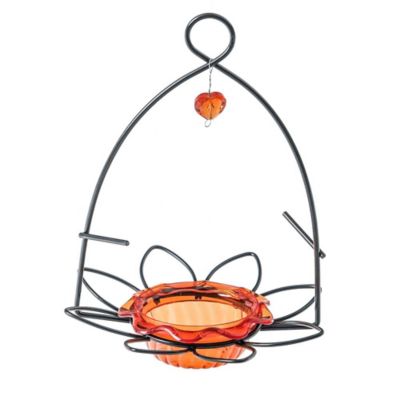
Oriole Feeder can complement a woodpecker feeding station without crowding the same space. With a solid mounting spot, fresh food, and regular upkeep, a woodpecker feeder can become a small, lively part of the landscape—one that brings the sound of tapping bills, fluttering wings, and backyard wildlife a little closer to home.