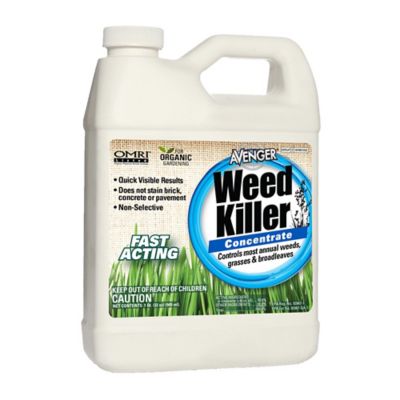
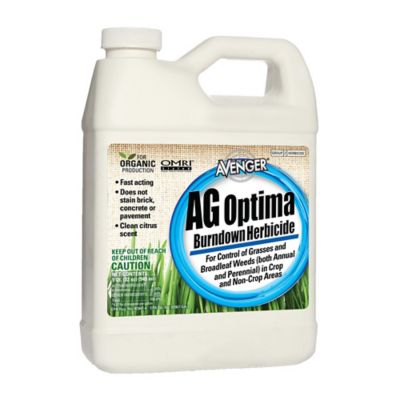
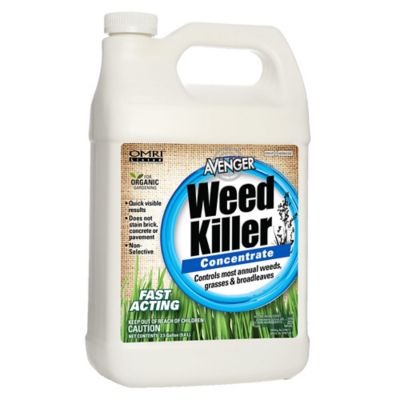
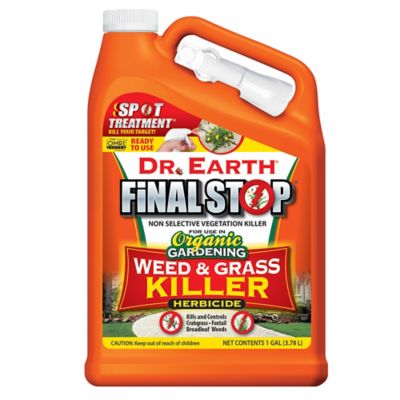
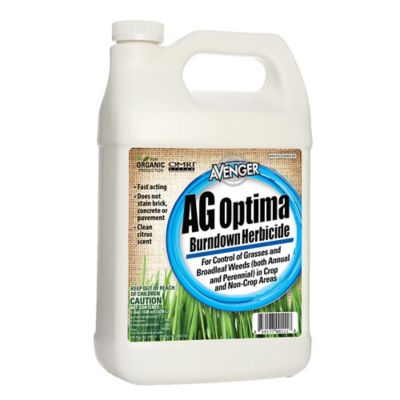
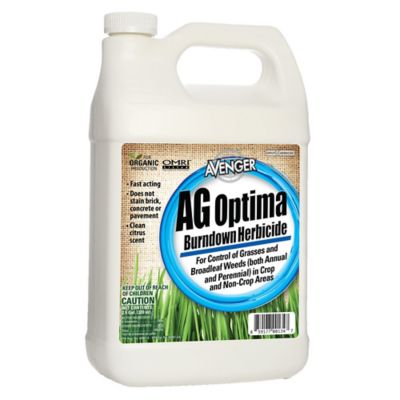
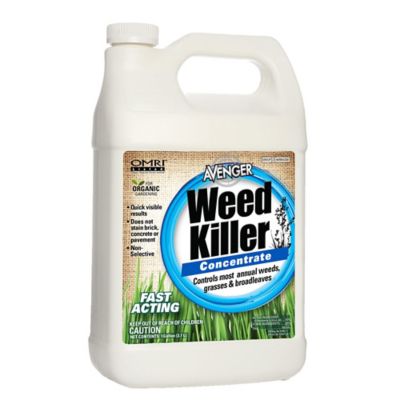
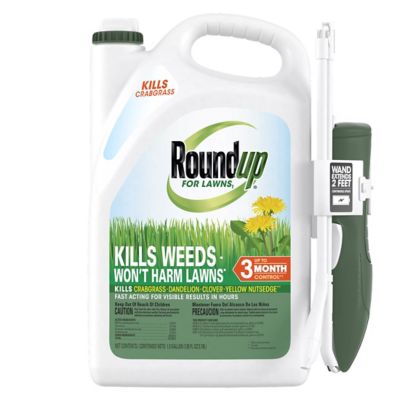
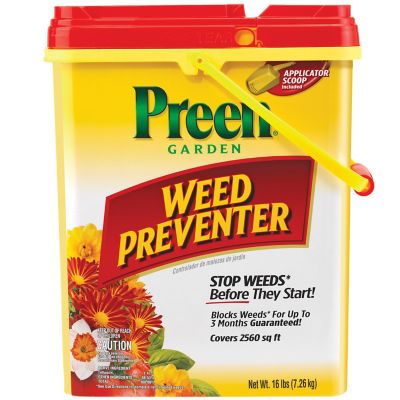
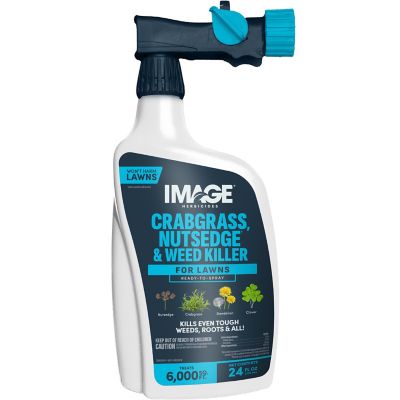
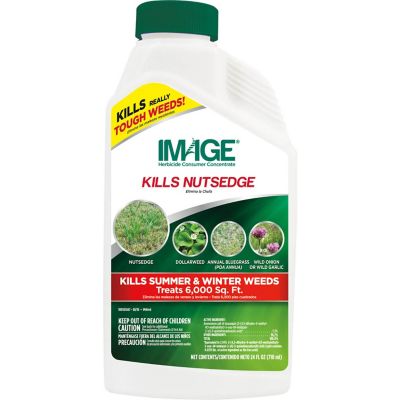
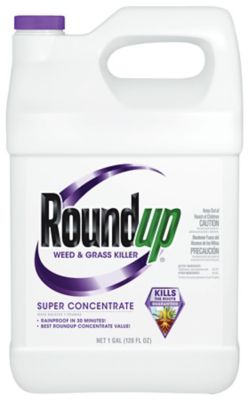
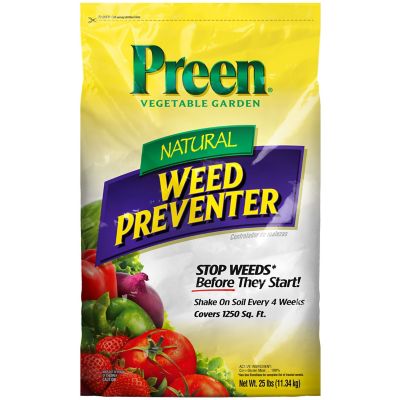
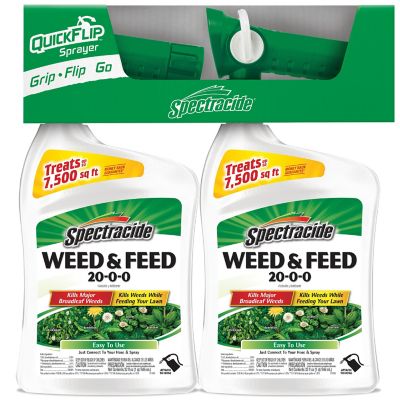
Managing weeds in livestock fields is a job that never really takes a break, especially as the seasons roll from the heat of midsummer into those cooler fall days. Folks who care for pastures, whether you’re running a big cattle operation or just tending a few acres for horses or goats, know how quickly invasive weeds can get the upper hand. That’s where natural herbicides step in, offering a way to tackle unwanted growth without bringing harsh chemicals into the mix. These products use ingredients like citrus oil, horticultural vinegar, and plant-based soaps to burn down weeds right at the top, making them a solid choice for anyone wanting to keep things a bit more earth-friendly. They work best on young, tender weeds—think under six inches tall—so timing is everything. Applying natural herbicides during a stretch of hot, sunny weather helps speed up the process, as the heat and sunlight really get those weeds drying out in a hurry. Just remember, while these solutions are tough on weeds, they’re gentle enough that you don’t have to worry as much about long-term soil health or runoff, which is a real peace of mind for anyone with grazing animals.
When you’re picking out a natural herbicide for your livestock fields, there’s a few things to keep in mind. First, take a good look at what kind of weeds you’re dealing with. Some folks fight a never-ending battle with thistle or dandelions, while others might be up against tougher brush or broadleaf invaders. Natural herbicides are great for spot treatments and keeping those pesky patches in check, especially when you catch them early in the season. If you’ve got a big area to cover, or you’re trying to maintain that clean look along fence lines and pasture edges, you might want to check out options made for those specific spots—here’s a handy link to our page on
Herbicide For Fence Lines if you’re interested. It’s also a good idea to keep livestock off the treated area until everything’s dried, just to avoid any skin or eye irritation. If you’re shopping for someone else—a neighbor, maybe, or a family member who’s always out battling weeds—natural herbicides can actually make a thoughtful gift, especially for folks who like to keep things safe for their animals and the environment.
Using natural herbicides fits right in with other good pasture practices, like mowing before weeds set seed, rotating your grazing areas, and keeping an eye on soil health. A well-timed spray can help knock back the competition, giving your forage grasses a better shot at thriving through the late summer and into fall. It’s worth noting that these natural options usually don’t kill weed roots all the way down, so pairing them with regular mowing or clipping helps keep the upper hand. And if you’re looking to really boost your pasture’s health, a soil test and some lime or organic fertilizer can make a world of difference in crowding out those bare patches where weeds love to get started. Whether you’re working a small family farm or managing bigger acreage, natural herbicides offer a practical, safe way to keep your fields looking their best—no matter what the weather’s doing or what the season brings.