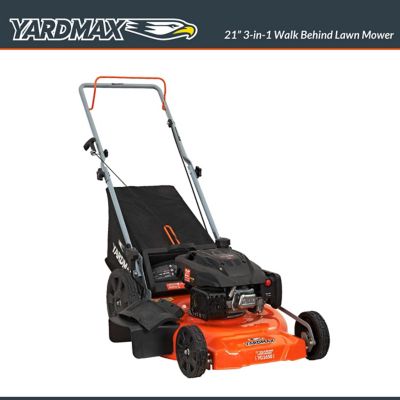
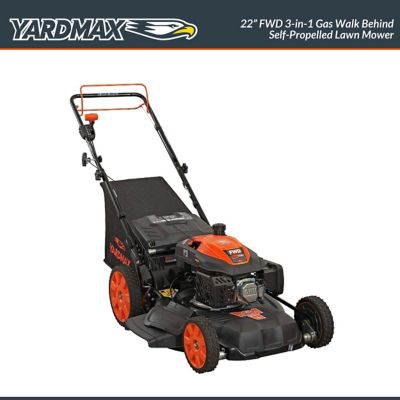
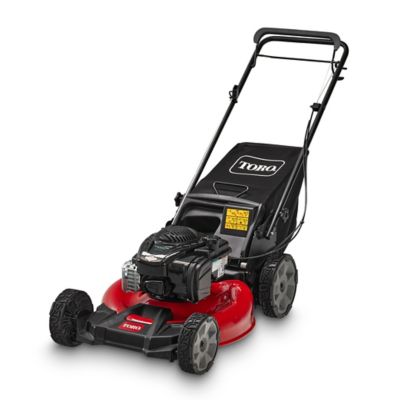
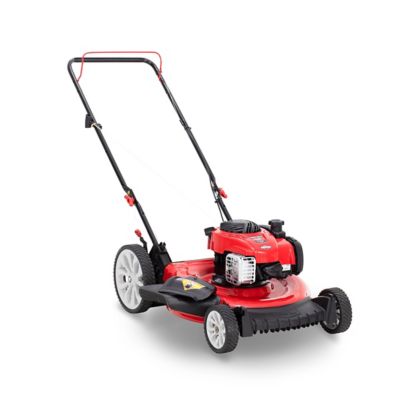
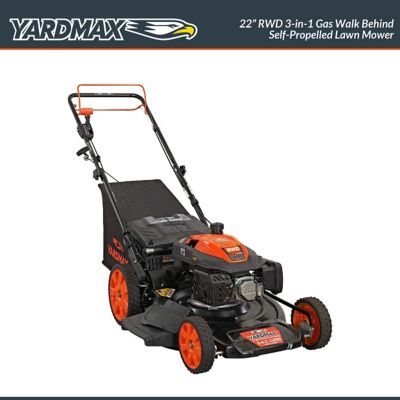
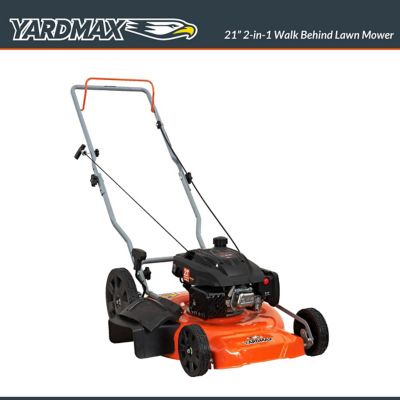
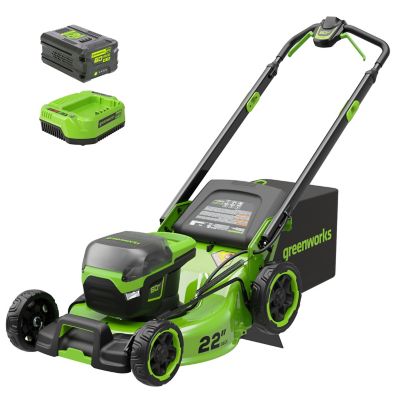
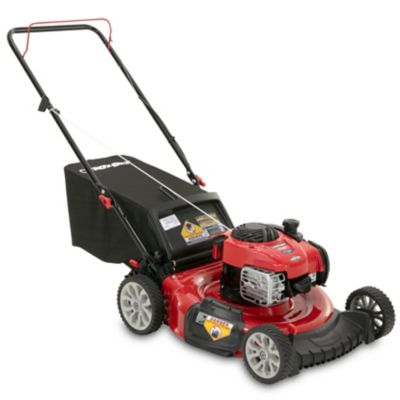
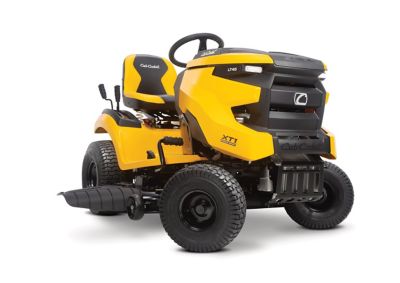
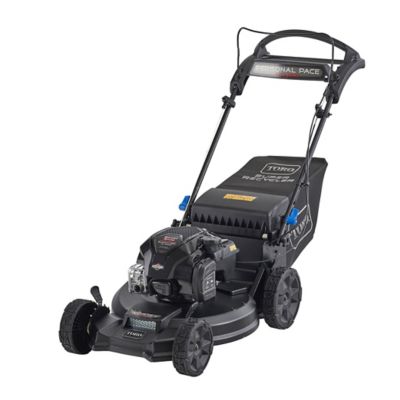
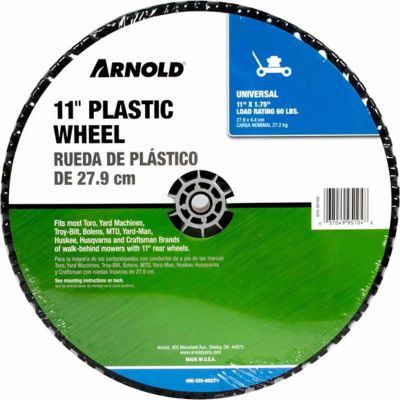
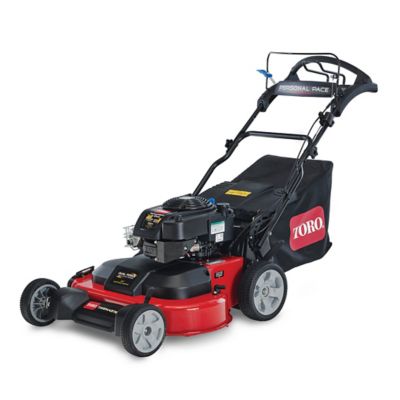
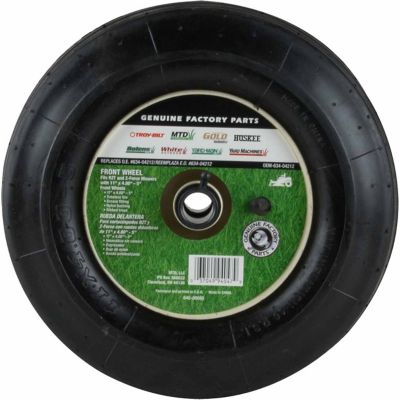
High wheel lawn mowers are built for yards where a standard mower can feel like it is fighting the ground. With oversized rear wheels, often measuring about 11 to 12 inches tall, these mowers roll more easily across rough grass, shallow ruts, roots, low spots and uneven ground. The taller wheels help lift the mower over bumps instead of letting smaller wheels catch and drag, which can make a noticeable difference on country lots, older lawns and properties with gentle slopes. They are a handy choice for homeowners who spend part of their mowing time along fence lines, around outbuildings or across areas where the ground is more pasture-like than perfectly manicured. A high wheel mower may also offer better balance and control when moving across an incline, though every slope should be handled carefully and according to the mower’s instructions. Before choosing one, take a close look at your lawn’s size, terrain and grass type. A small, mostly level yard may be well served by a simple push mower, while a larger or hillier lawn may call for self-propelled assistance to reduce the effort of covering every section. The wheel design is only one part of the picture, so also compare cutting width, mower weight, handle comfort, height adjustment and the way the deck handles clippings. A wider deck can cover more ground in fewer passes, but a narrower mower may be easier to guide between trees, garden beds and landscaping. Adjustable cutting heights are useful when the grass grows quickly during wet weather or needs to be kept a little taller during dry, stressful conditions. For another feature to consider while comparing mower construction, browse
Lawn Mowers With Ball-bearing Wheels, especially if smooth wheel movement and long-term durability are high on your list.
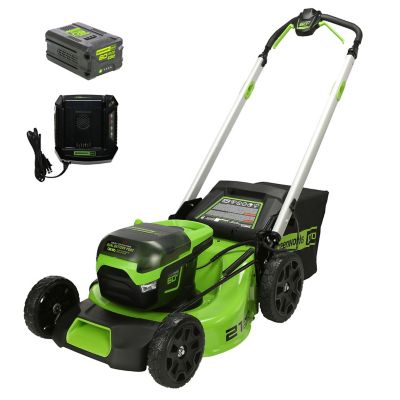
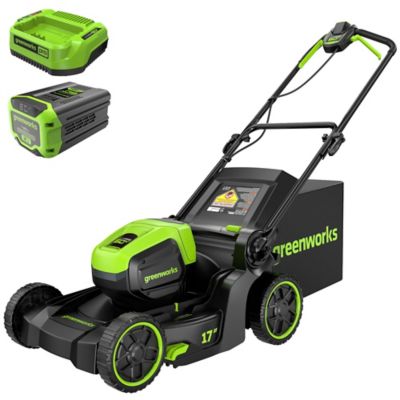
Choosing between gas and battery power comes down to the way you work and the kind of property you maintain. Gas high wheel lawn mowers are a familiar fit for larger yards and longer mowing sessions, particularly when you prefer to fill the tank and keep going without stopping to recharge. They can provide strong cutting performance through thick, fast-growing grass, but they do require fuel, routine oil and filter care, and proper storage when the mower will sit unused during the cooler months. Battery-powered models offer quieter operation, easy starting and less day-to-day engine maintenance. They can be a comfortable choice for neighborhood yards or anyone who would rather avoid fuel handling, though runtime depends on the battery, grass conditions, cutting height and mowing habits. If the lawn is damp, tall or especially dense, even a capable mower may work harder and use more energy. Mow when the grass is reasonably dry, keep the blade sharp and avoid taking off too much height in a single pass. A sharp blade leaves a cleaner cut and helps the mower move through the lawn instead of repeatedly tearing at the grass. Push models are straightforward and often lighter, making them easy to steer around trees, posts and planting beds. Self-propelled mowers can be a welcome help on inclines, broad lawns or ground that becomes tiring to cross, but they are generally heavier and may cost more. Think about the person who will actually use the mower, not just the size of the engine or the number of features. Handle height, control placement, wheel traction and overall balance matter when you are making dozens of passes on a warm afternoon. Someone managing a rural homesite may appreciate high rear wheels for crossing uneven ground, while a homeowner with a compact lawn may value a lighter frame and easy storage. A high wheel mower can also make a practical gift for a new homeowner, a family member caring for an older property or anyone getting ready to take on regular lawn care.
Good mowing habits help a high wheel lawn mower perform at its best. Walk the area before starting and pick up sticks, stones, wire, toys and other objects that may be hidden in tall grass. Mark or avoid low tree roots, irrigation heads and loose edging, since large wheels improve the ride but do not make obstacles harmless. Keep both hands on the handle when working across a slope, and mow across the face of a gentle incline rather than straight up and down when the operating instructions allow it. Steeper slopes, wet grass and loose soil can reduce traction, so use extra care and choose equipment that matches the ground instead of pushing a mower beyond its limits. For a cleaner-looking lawn, overlap each pass slightly and change your mowing pattern from time to time so the grass does not lean in one direction. During the growing season, removing only about one-third of the grass height at a time is a useful rule of thumb. As the weather cools and growth slows, mowing may become less frequent, but leaves and damp clippings can still collect under the deck. Clear the deck safely with the mower turned off and disconnected from its power source as directed by the manufacturer. Before storing the mower, brush away grass buildup, inspect the blade and wheels, and check fasteners, cables and controls for wear. Battery models should be stored with the battery handled according to the care instructions, while gas models need clean, approved fuel storage and seasonal engine maintenance. Keep any mower in a dry, sheltered place away from children, pets and open flames. With the right wheel size, cutting setup and power source, a high wheel lawn mower can make ordinary yard work feel steadier and more manageable, whether you are trimming a level suburban lawn, working around a farmhouse or keeping a sloped patch of grass under control as the seasons change.