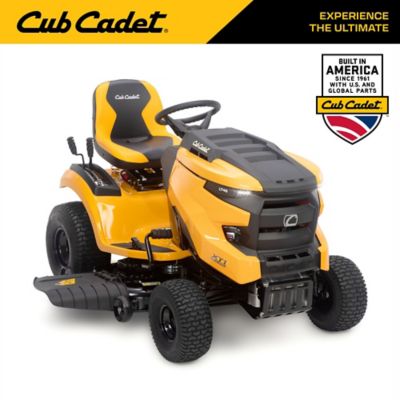
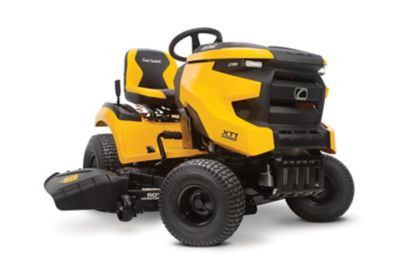
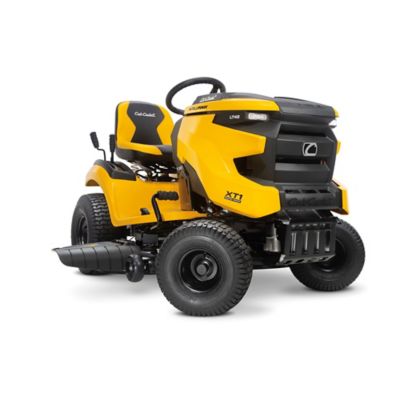
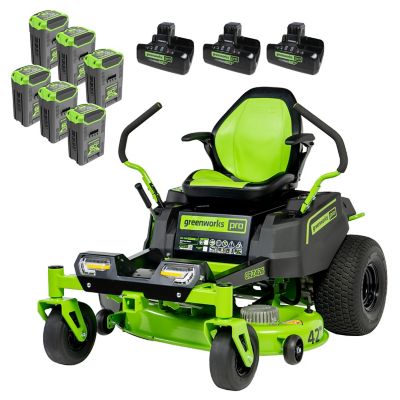
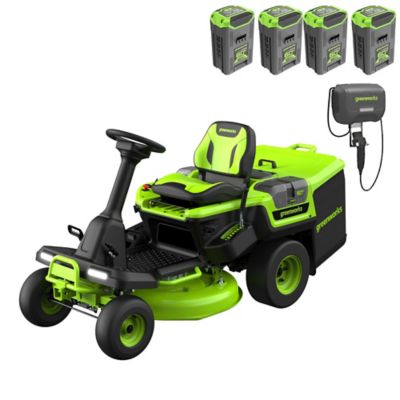
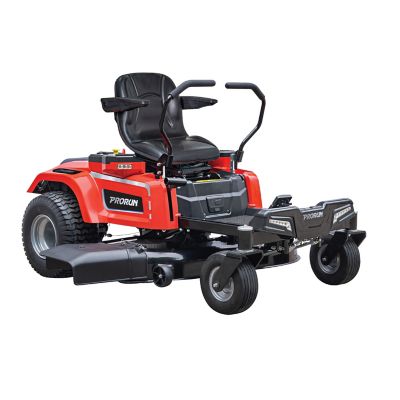
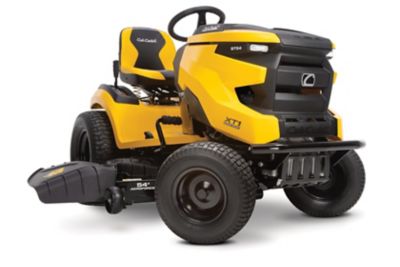
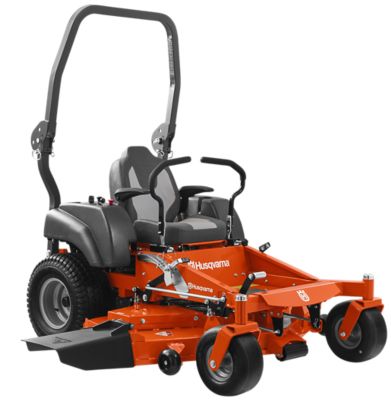
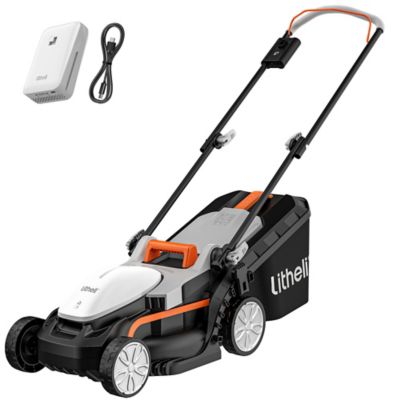
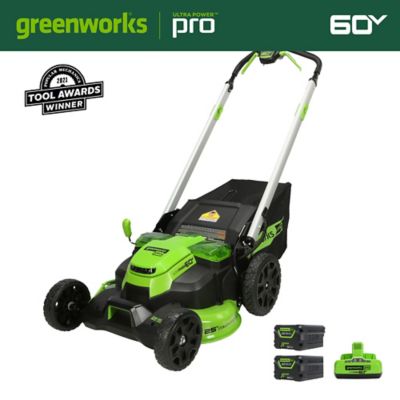
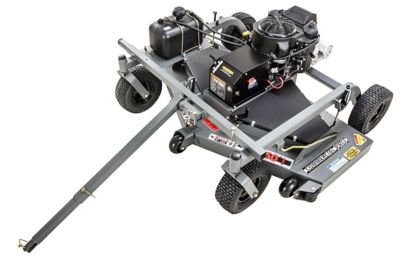
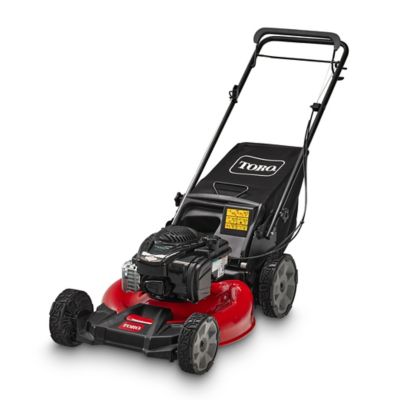
A tidy yard around the house, a clear stretch beside the barn, and grass along the driveway can put very different demands on a mower. The right fit starts with the ground a machine will cover and the space it has to work. Walk-behind mowers suit smaller lawns, fenced areas, and spots where a larger machine would spend more time turning than cutting. Push models keep the setup straightforward, while self-propelled designs help take some of the effort out of longer passes and uneven ground within the machine’s operating limits. Riding mowers offer seated operation for larger lawns, and zero-turn designs bring maneuverability to open areas broken up by trees, beds, and other obstacles. Cutting width matters, but the widest deck is not always the best match. A mower still needs to pass through gates, move between buildings, and fit into its storage space without becoming a chore to put away. A broad, open lawn may favor fewer passes, while a yard with narrow strips of grass calls for a machine that can reach those spaces comfortably. Deck clearance, turning room, and the position of discharge openings all affect how naturally a mower fits the property. There is also a difference between maintaining lawn grass and tackling rough, overgrown ground. Standard lawn mowers are built for grass within their stated cutting limits, not woody brush, hidden debris, or every patch beyond the fence. For households sharing mowing duties, handle adjustment, control reach, and a comfortable operating position can matter just as much as the size of the lawn. A machine that feels manageable to one operator may feel awkward to another, especially around tight corners or when backing out of storage. Thinking about the whole mowing route, from the shed door to the far corner of the yard, brings those everyday differences into focus. That practical fit helps make regular lawn work feel less like wrestling equipment and more like getting a familiar job done.
Mower construction brings together the cutting deck, wheels, drive system, controls, and power source, with each part affecting the way the machine handles a day’s work. Steel decks are common and benefit from attention to their protective finish, particularly where scrapes expose bare metal. Some designs feature aluminum or composite deck housings, which have different weight and care considerations. Deck shape and airflow also play a part in moving clippings, whether a mower is set up for side discharge, mulching, or collection. Those options serve different routines: discharge spreads clippings across the lawn, mulching cuts them into smaller pieces, and bagging gathers them for removal where collection makes sense. Not every mower supports every arrangement, and attachments need to match the machine. Gas-powered mowers bring engine performance, fuel handling, and scheduled engine maintenance into the ownership picture. Battery-powered designs have their own considerations, including battery capacity, charging arrangements, storage requirements, and the amount of grass that can be cut on a charge. Runtime varies with grass height, density, terrain, and operating pace, so a stated lawn size alone does not tell the whole story. Corded electric designs require a suitable power connection and careful cord management within the manufacturer’s limits. Beyond the power source, the details an operator touches can make a noticeable difference over a long stretch of mowing. Handle shape, vibration, lever placement, and speed adjustment affect walk-behind operation. On riding equipment, seat adjustment, steering feel, pedal position, and access to controls help determine whether the machine feels comfortable and straightforward. Cutting-height adjustments are worth considering, too, especially where different sections of a property need different settings. Wheels and tires influence traction and maneuverability, but they do not make every slope or surface suitable for mowing. The machine’s stated terrain limits remain the deciding factor. A good match balances the work the mower is built to handle with controls and features that suit the person in the operator’s position.
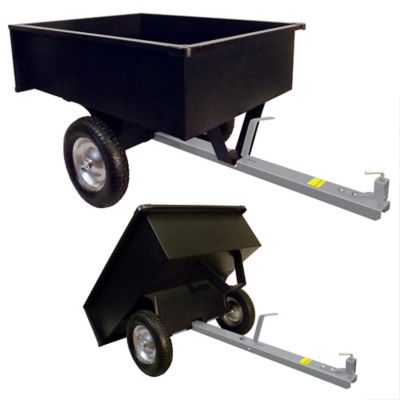
Keeping a mower ready for the next round of yard work comes down to manageable care and a sensible place to keep it. Grass buildup beneath the deck can interfere with airflow, while a dull or damaged blade can leave ragged grass tips instead of a clean cut. Routine cleaning, blade inspection, and service at the intervals in the owner’s manual help protect the machine and its performance. Any work near the blade calls for the shutdown and power-isolation procedures specified for that mower; turning off a switch alone may not complete the required precautions. Gas engines have oil, filter, and fuel requirements that vary by design, while battery systems call for the correct charger and the manufacturer’s storage practices. Belts, cables, fasteners, tires, and safety switches also deserve attention according to the service schedule. Access matters here: a mower with clearly identified service points and enough room around it in the shed can be easier to care for than one wedged behind other equipment. Storage space needs to account for the machine’s full dimensions, attached collection equipment, and any folding features approved by the manufacturer. For a riding mower rated for towing, a compatible
Mower Cart can extend its role to moving mulch, garden supplies, or fallen branches within the mower’s towing and load limits. Hitch requirements, loaded weight, terrain restrictions, and braking considerations all matter, and carts are for cargo rather than passengers. Mowing itself also needs a clear work area, with children, pets, and bystanders kept away from the machine and its discharge path. Stones, wire, and stray toys can become hazards beneath a cutting deck, even on a familiar lawn. From a compact yard to a broad stretch of maintained grass, the most useful mower is one that matches the property, the operator, and the care routine that comes with ownership. Comfortable handling, suitable cutting features, and room for proper maintenance all contribute to equipment that earns its place beside the rest of the tools in the shed.