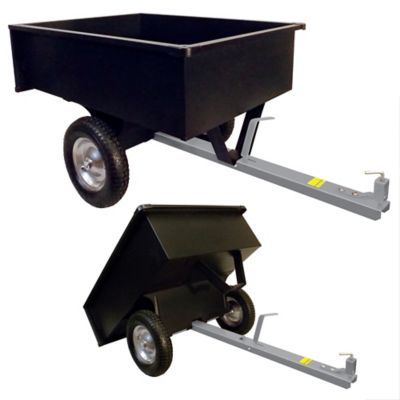
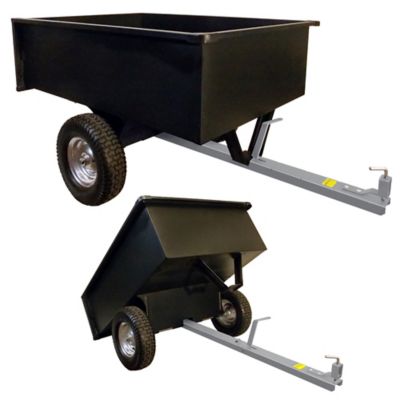
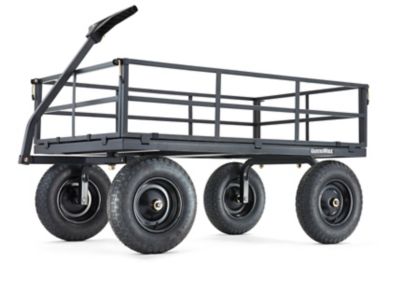
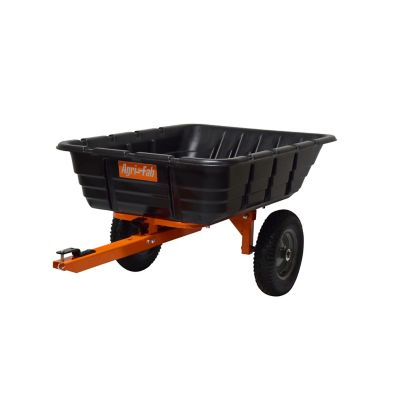
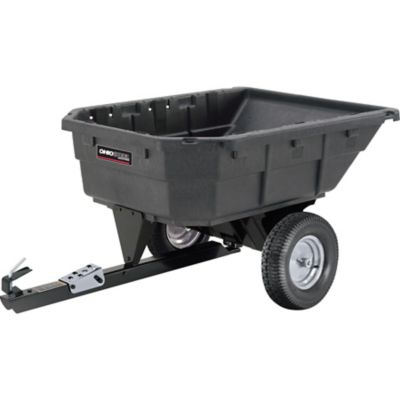
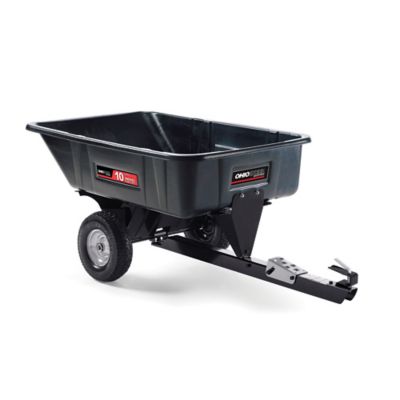
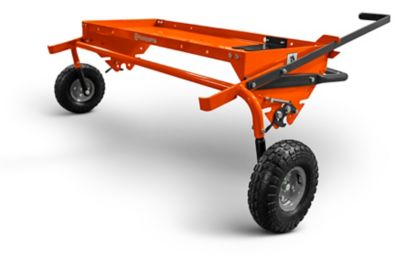
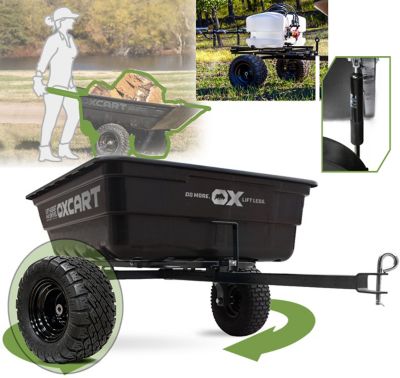
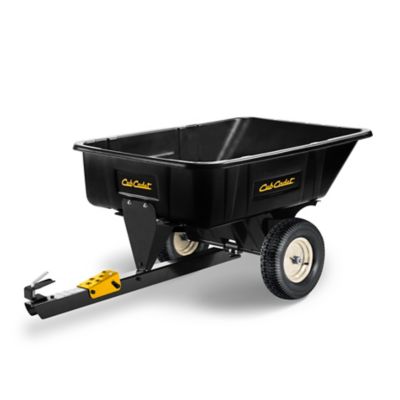
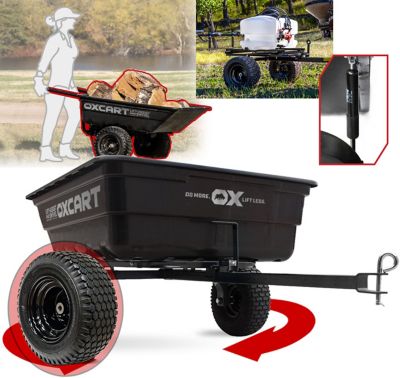
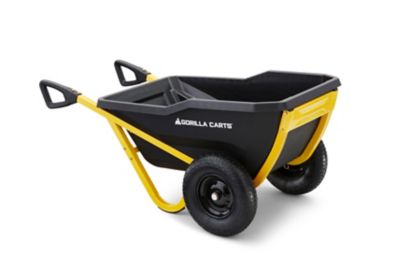
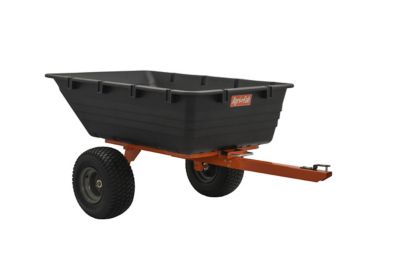
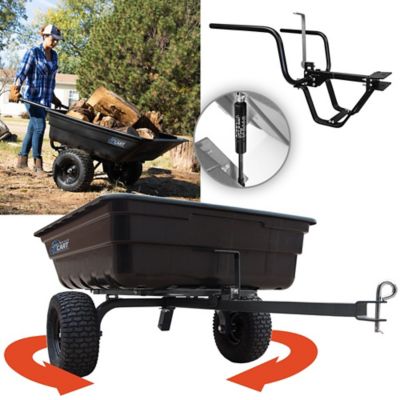
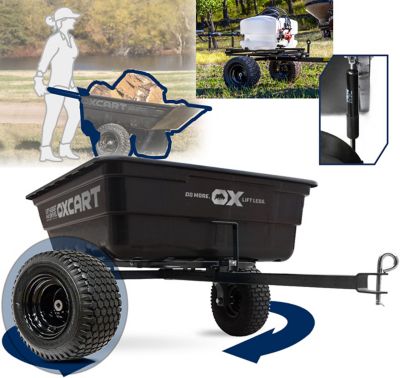
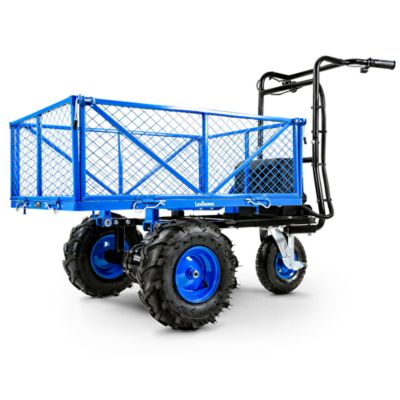
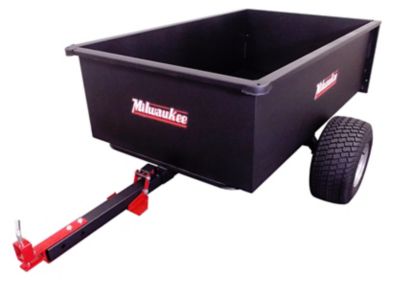
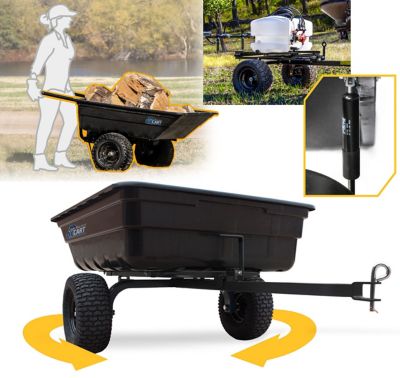
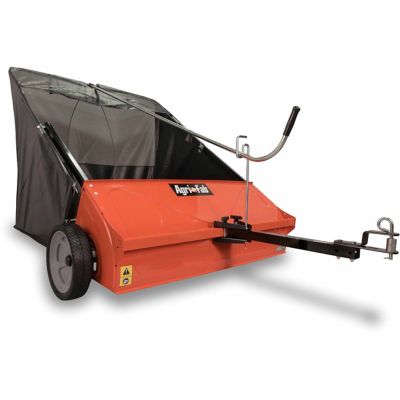
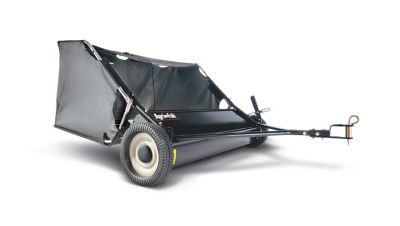
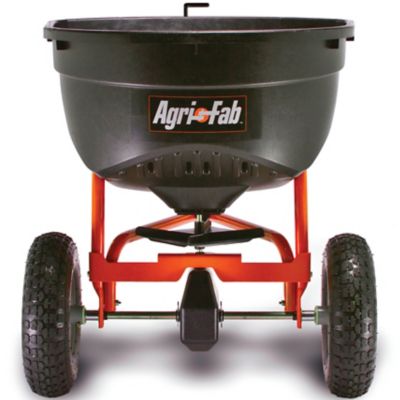
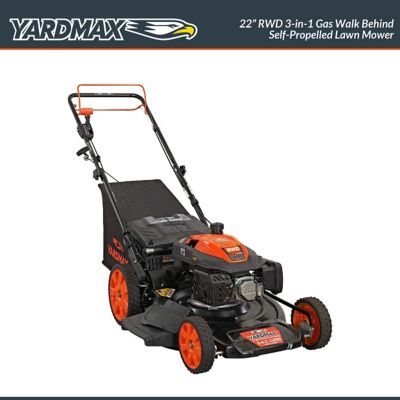
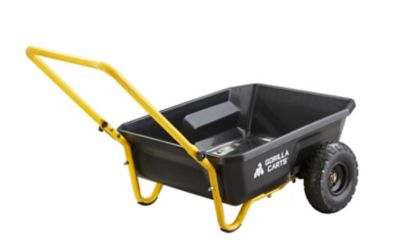
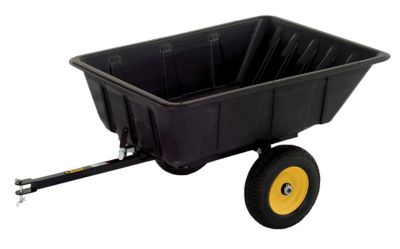
A mower cart can make a big difference when yard work, pasture upkeep, or property maintenance starts to pile up. These handy utility carts are designed to help move the things that are awkward, heavy, messy, or simply too time-consuming to carry by hand. Grass clippings, fallen branches, mulch, soil, gravel, firewood, feed bags, fencing supplies, garden tools, and cleanup debris are all easier to handle when you can load them into a cart and tow them behind compatible lawn equipment. For folks with a few acres, a large lawn, a garden, or outbuildings spread across the property, a mower cart can turn several slow trips with a wheelbarrow into one steady pass around the yard. They are also useful during the changing seasons, when summer mowing gives way to leaf cleanup, garden bed work, storm debris, and preparations around the homestead. A cart with the right capacity can help keep work moving without putting as much strain on your back, shoulders, and knees. Before choosing one, think about the jobs you do most often and the terrain you need to cover. A smaller cart may be easier to maneuver around trees, sheds, tight gates, and garden paths, while a larger cart can be helpful for hauling bulky loads across open ground. Consider the weight of the material, not just how much space it takes up. A cart full of dry leaves is much different from one loaded with damp soil, stone, or firewood. The towing capacity of your mower or utility vehicle should always match the loaded cart, and the hitch style, pin size, and connection point should be compatible before you put it to work.
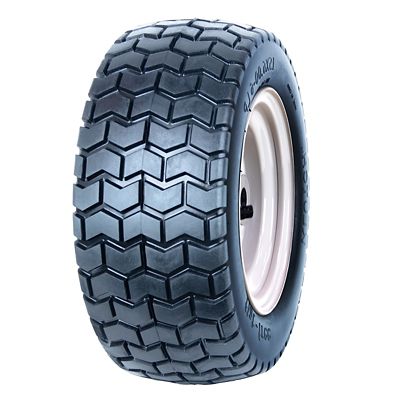
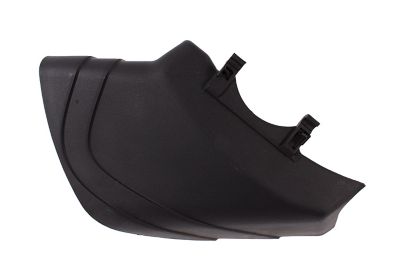
Construction and unloading features matter just as much as overall size. A sturdy bed can stand up to rough use, but it should still be practical for the way you work. A deep bed is helpful for loose material and bags, while a lower profile may make loading easier when moving heavier items. Removable or tilting sections can save time when it is time to dump grass, leaves, compost, or other debris, especially when you are working alone. Look at the wheels and tires with your property in mind. Wider tires may provide more stability on soft ground, uneven fields, and gravel lanes, while a tighter turning radius can be valuable in a landscaped yard. If the cart will spend time near wet grass, mud, or rough pasture, durable wheels and a well-built frame are worth careful consideration. Keep an eye on the cart’s overall balance, too. Spreading the load evenly helps it track properly and reduces stress on the hitch and axle. Heavy materials belong low in the bed, with lighter items placed on top, and loads should stay below the sides unless they are secured with suitable tie-downs. Never exceed the stated weight limit, even if the cart appears to have room left. A simple load of damp leaves can become surprisingly heavy, and a cart filled with rocks or cut wood can put more strain on equipment than expected. Check that the hitch is fully pinned before moving, keep hands and feet clear of moving parts, and slow down around slopes, ditches, sharp turns, and obstacles. A mower cart is made for practical hauling, not high-speed travel, so a steady pace helps protect the operator, the equipment, and the load. When using a mower to collect and move clippings, the right discharge setup can help keep the work cleaner; browsing related options such as
Mower Chutes may help you find parts that fit the way your mower handles grass and debris.
Mower carts are a smart fit for homeowners who take pride in a neat lawn, gardeners moving soil and compost, small-acreage landowners clearing brush, and anyone who spends time maintaining a rural property. They can be especially useful for older family members or busy property owners who want to keep up with routine chores while limiting repeated lifting and long trips on foot. A cart may also make a practical gift for a new homeowner, a gardener setting up a first growing space, or a family member who enjoys working around a barn, workshop, or country home. It is the kind of gift that earns its place quickly because it can be used for far more than one task. In warmer conditions, it can carry garden amendments, potted plants, straw, and tools from one end of the property to the other. As the weather cools, it can help gather leaves, move split firewood, transport pumpkins or feed, and clear branches after a windy day. Look for features that match the person who will use it rather than choosing based on size alone. Someone with a compact yard may appreciate easy steering and simple storage, while a person caring for open acreage may need greater ground clearance, a stronger frame, and more hauling capacity. Storage is another detail worth planning for. Measure the available space in a shed, garage, or equipment bay, and consider whether the cart can be stood upright, folded, or stored out of the weather when it is not in use. A quick rinse after hauling soil, fertilizer, manure, or wet grass can help protect the bed and moving parts, while checking tire pressure, hitch hardware, and fasteners before each season helps keep the cart ready for the next job. With sensible loading and regular care, a mower cart becomes a dependable part of the property-maintenance lineup—rolling behind the mower through the last stretch of summer, helping with fall cleanup, and making everyday chores feel a little more manageable.