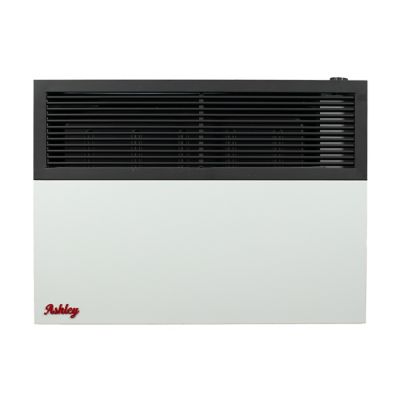
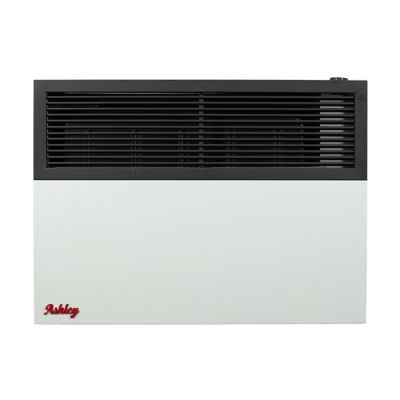
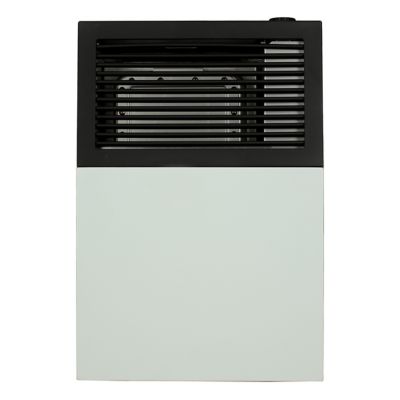
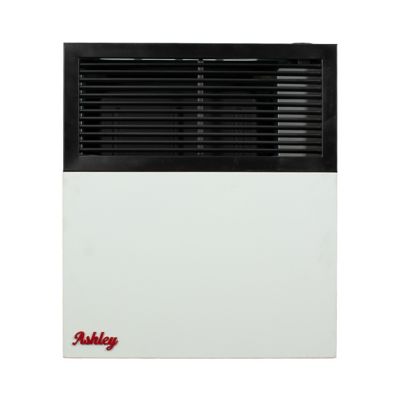
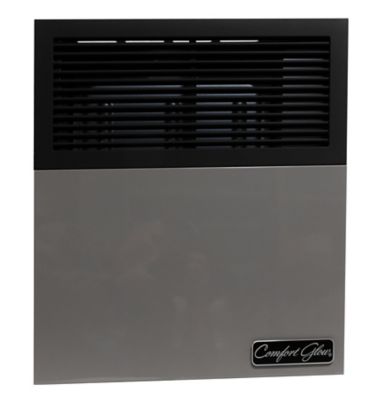
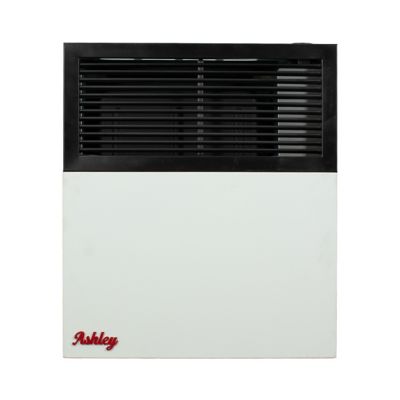
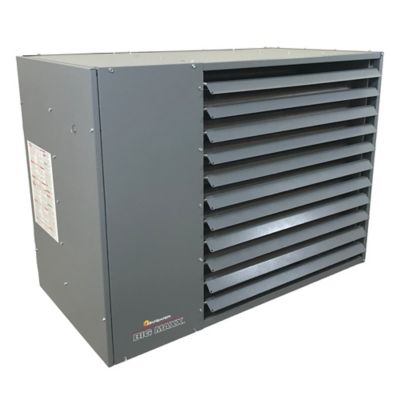
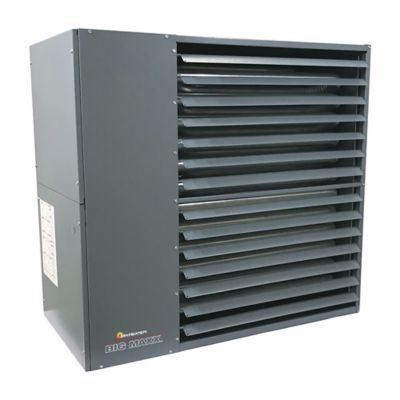
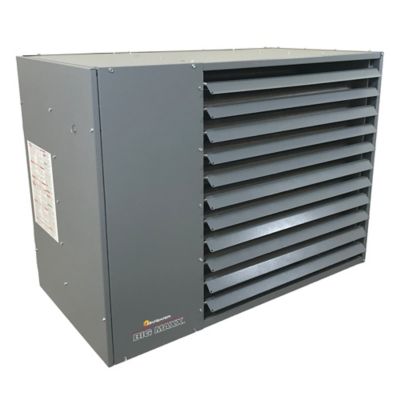
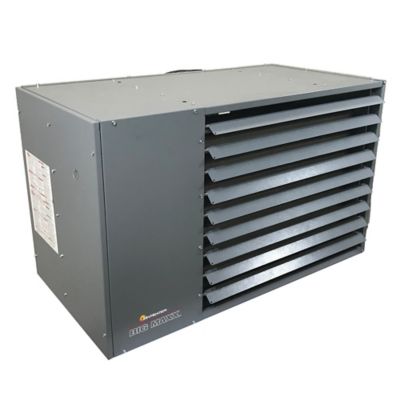
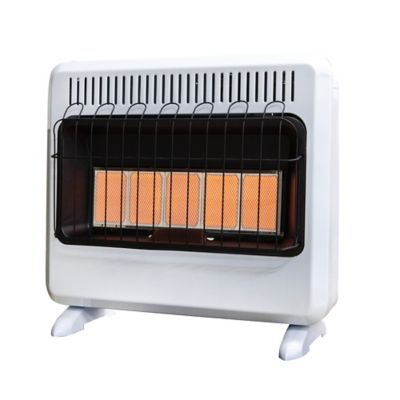
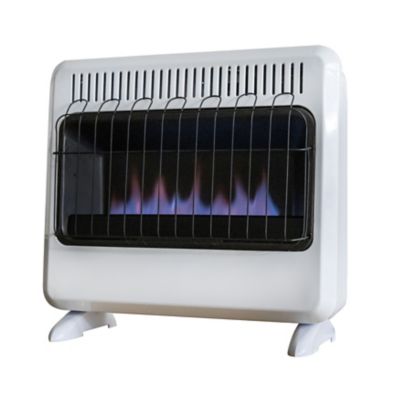
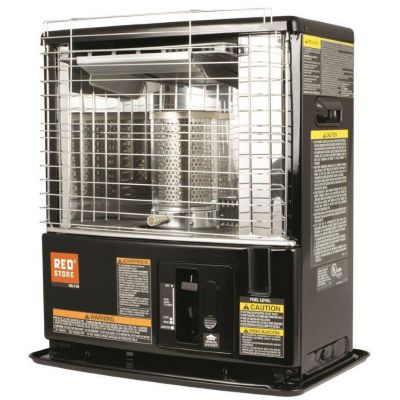
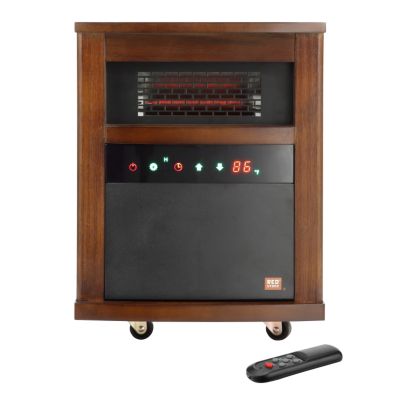
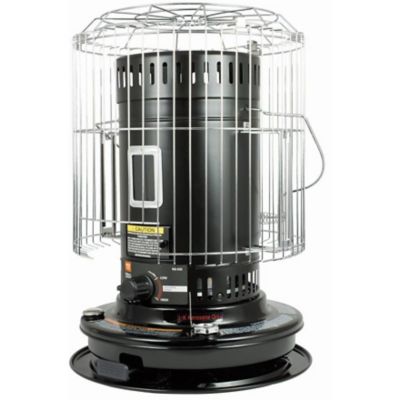
Vented heaters offer dependable warmth for homes, workshops, cabins, garages, offices and other indoor spaces where moving fuel exhaust outdoors matters. These heaters commonly run on natural gas or liquid propane and use a pipe, chimney or wall vent to carry combustion gases outside rather than releasing them into the room. That setup can help keep indoor air more comfortable by sending smoke, fumes and excess moisture outdoors while delivering steady heat where it is needed. A vented heater can be especially useful in a drafty farmhouse, a hunting cabin at the edge of the property or a detached workspace where extending a full central heating system may not make sense. Many models use a standing pilot, piezo igniter or hydraulic thermostat, so they may continue providing heat when the power goes out, depending on the unit and fuel connection. That kind of backup warmth can make a long night during an outage a lot easier, particularly when the wind is pushing cold air around the windows and the woodstove is already working hard. Vented heaters are different from portable forced-air options, including
Hot Air Heaters, because they are designed around a permanent venting arrangement and a more settled installation. Always follow the manufacturer’s installation instructions and local building, fuel and venting requirements, and have gas connections and vent work handled by a qualified professional when required.
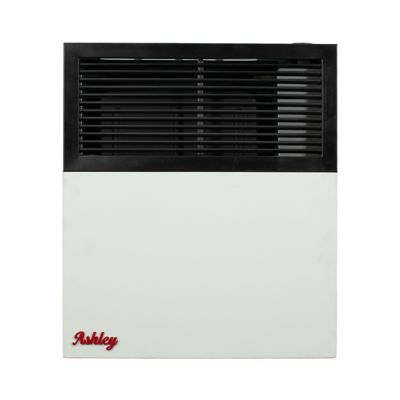
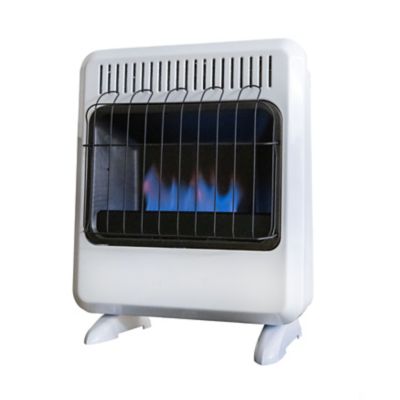
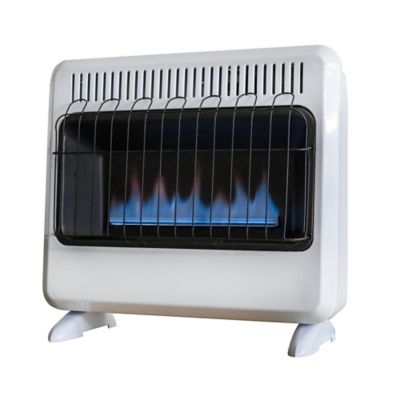
Direct vent heaters and B-vent, sometimes called natural-draft or console, heaters are two common styles to consider. A direct vent heater is typically installed on an outside wall and uses a sealed, pipe-within-a-pipe vent system. One passage draws combustion air from outdoors while the other sends exhaust outside, so the heater does not rely on room air for burning. This makes direct vent units a practical choice for a finished room, a small addition or another space where preserving indoor air is a priority. Since they usually do not need a traditional chimney, placement can be more flexible, though clearances around windows, doors, rooflines and other openings still matter. B-vent heaters use air from inside the room for combustion and send exhaust upward through an approved vertical vent or chimney. They can work well where an existing vent path is available, but they require careful planning for draft, clearance and proper sizing. When comparing vented heaters, look at the heating capacity in relation to the room’s square footage, ceiling height, insulation, window area and air leakage. A very large heater in a small room may cycle frequently and feel uneven, while an undersized unit may run often without keeping up when the cold settles in. Thermostat control, adjustable heat settings, ignition style, fuel type and venting requirements all affect everyday use. Natural gas may be convenient where a household line is already in place; liquid propane can be a useful option for rural properties, outbuildings and locations without natural gas service. Check fuel availability, pressure requirements and connection details before choosing a heater.
The best place for a vented heater is a location with the required clearance from walls, curtains, furniture, bedding, stored feed, cardboard and other combustible materials. Keep the area around the unit open so warm air can circulate, and avoid using a heater in a space that does not meet its ventilation and installation requirements. A carbon monoxide detector should be installed as recommended for the home or building, even when a heater is vented, and batteries and detector operation should be checked regularly. Watch for signs that call for service, such as a damaged vent, unusual odor, soot, yellow or unstable flames, condensation around the unit or a pilot that will not stay lit. Regular inspection helps protect the heater’s performance and gives you peace of mind when the first cold snap sends everyone looking for their heavy coats. Vented heaters can also make thoughtful gifts for a new homeowner, cabin owner, hobby farmer or someone setting up a well-used shop, although the recipient should confirm the available fuel, vent path and installation needs before purchase. For a room that becomes the heart of the property during the cooler months, steady radiant or circulating warmth can turn a chilly floor, workbench or reading chair into a comfortable place to settle in. Compare safety features, heating area, controls, fuel source and professional installation needs to find a vented heater that fits the building and the way it is used.