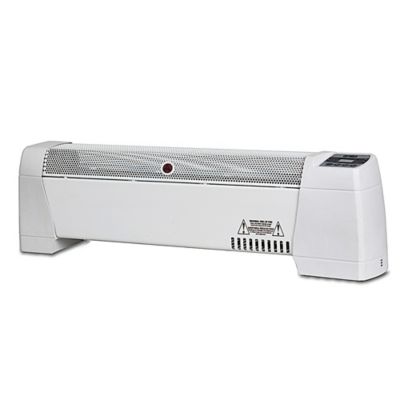
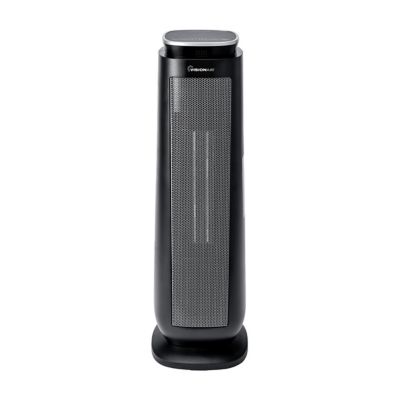
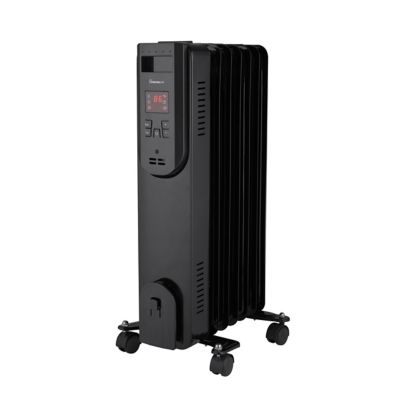
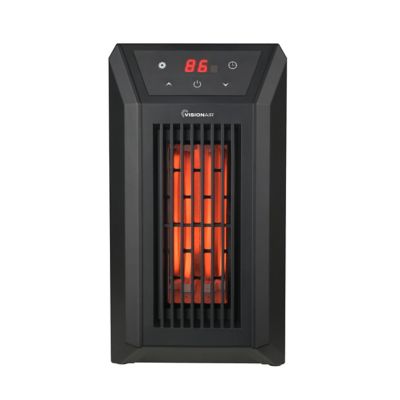
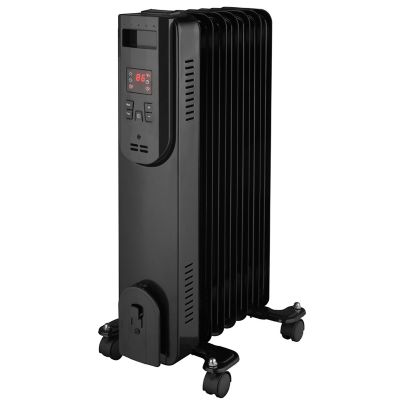
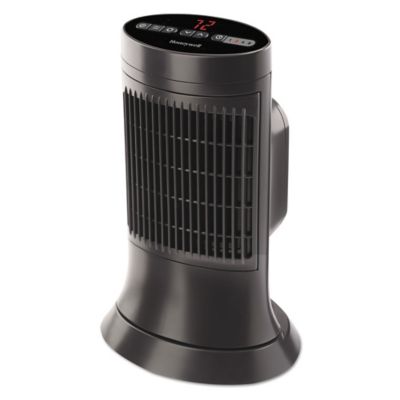
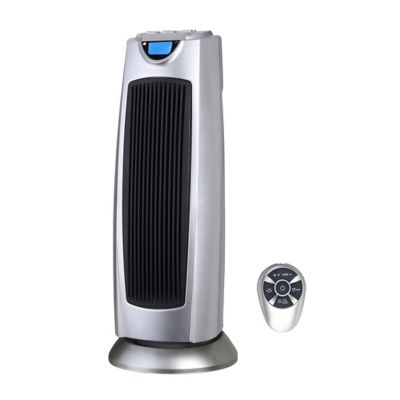
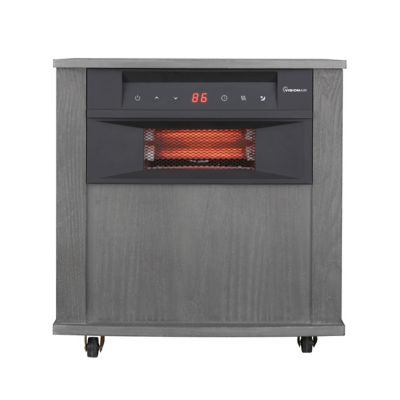
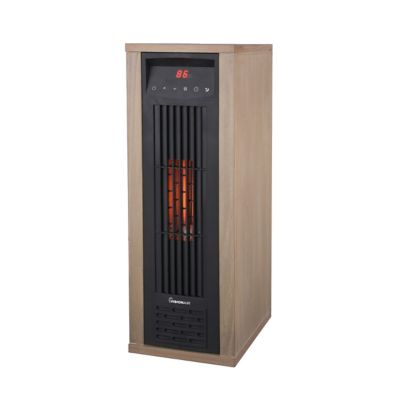
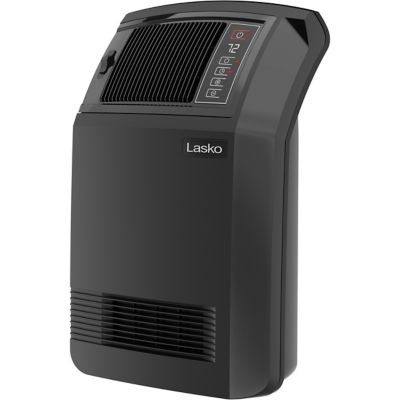
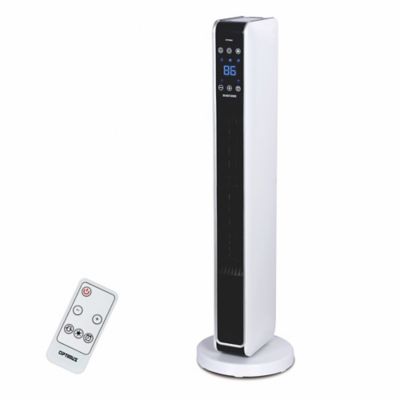
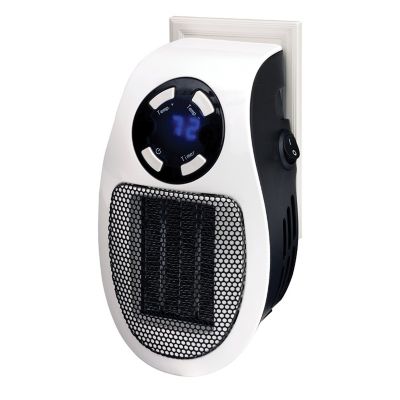
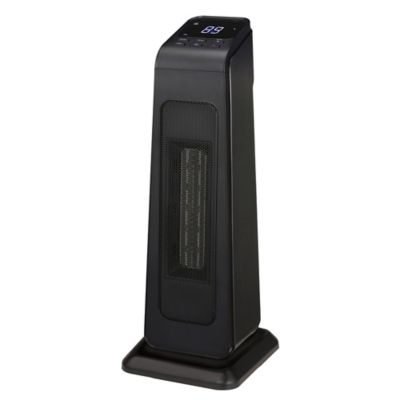
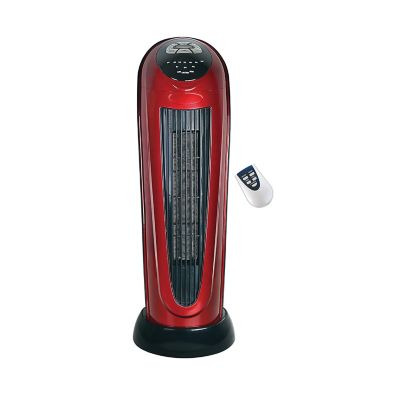
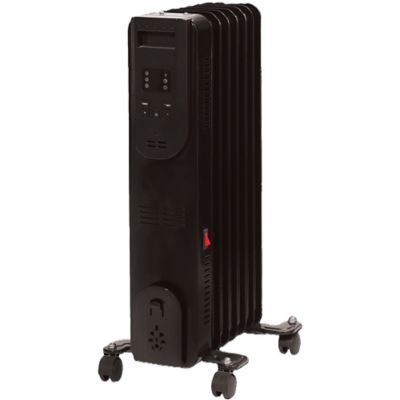
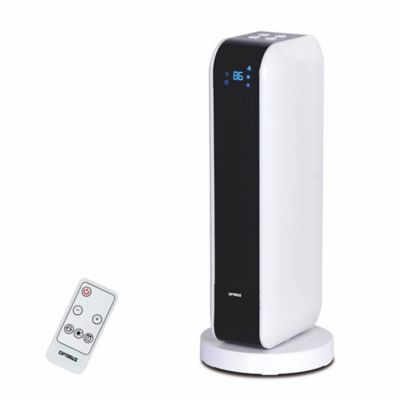
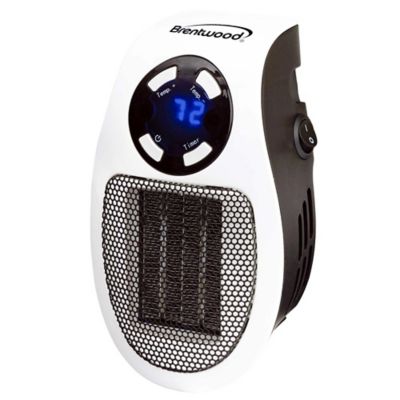
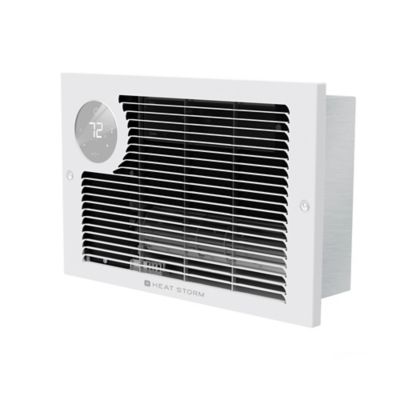
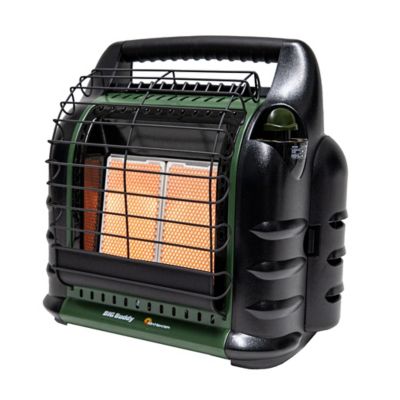
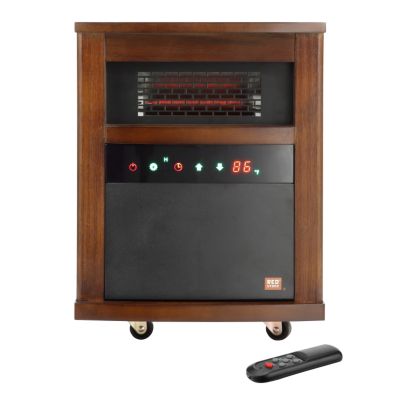
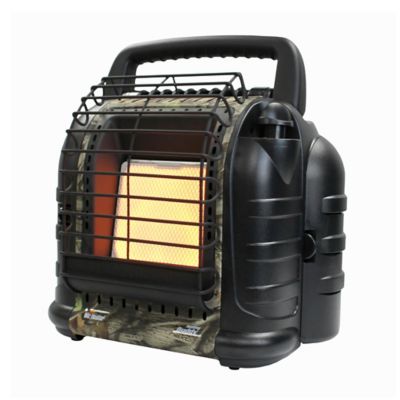
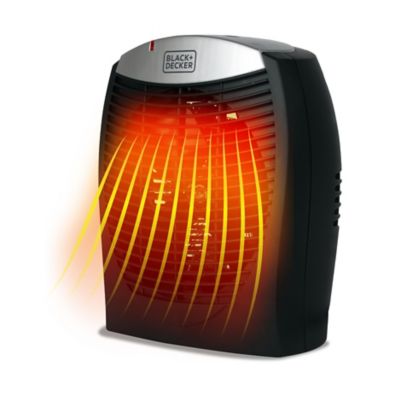
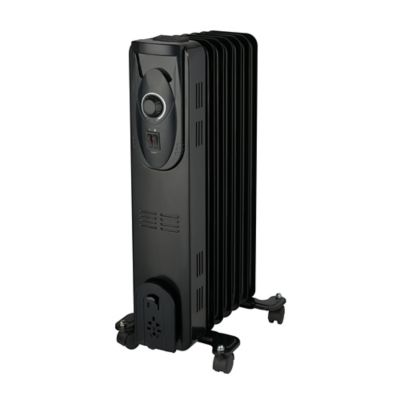
Digital heaters are electric space heaters with electronic controls that let you select a temperature on a digital display instead of relying only on a mechanical dial. Depending on the design, those controls may include push buttons, a touch panel, a remote, or a combination of the three. The digital part describes how the heater is controlled, not how it makes heat: ceramic, fan-forced, oil-filled radiator, and infrared designs can all have digital thermostats. That distinction matters when finding a heater for a home office, a living room, or another indoor space that needs supplemental warmth. Ceramic heaters commonly pair a heating element with a fan to move warm air into the room, making them a practical fit near a seated work area when proper clearance is maintained. Oil-filled radiators warm sealed fluid inside metal fins and release heat gradually, generally without a fan. They can take longer to warm up, but they also continue releasing stored heat after the element cycles off. Infrared heaters deliver radiant warmth to people and surfaces within their path, while some designs also incorporate a fan. A digital thermostat monitors temperature near its sensor and cycles or adjusts the heating element to work toward the selected setting. The number on the screen may show the target setting or the sensed temperature, depending on the heater, and it does not mean every corner of the room will reach that exact temperature. Drafts, ceiling height, insulation, and an open doorway all affect the result. Adjustable heat levels offer another way to match output to the space. An economy mode may change the heat level automatically, while an oscillating design sweeps airflow from side to side. These features serve different purposes: the thermostat manages a temperature setting, heat levels change output, and oscillation changes where the warm air goes. For someone paying bills at the kitchen table or working through paperwork after chores, straightforward controls can make everyday adjustments less of a fuss.
The right physical fit matters just as much as the control panel. A compact digital heater takes up less floor space, while a tower design puts its controls higher and may send airflow across a wider area through oscillation. Radiator-style heaters generally have a broader footprint, and their fins need room around them rather than being tucked tightly beside furniture. Height, base width, cord length, handle placement, and the location of the air intake all affect where a heater can safely sit. A tall, narrow heater still needs a stable base and the clearances listed in its manual; a small housing does not automatically mean lower electrical demand. Many household electric space heaters have a maximum setting of 1,500 watts, which draws about 12.5 amps on a 120-volt circuit. Lower settings reduce output, but a digital screen by itself does not create more heat per watt or guarantee lower energy consumption. Matching the heater to an occupied space and allowing the thermostat to cycle can be more useful than expecting a portable unit to warm an entire house. Room-size claims also need context, since an enclosed room with good insulation is a different job from a drafty room with tall ceilings. Construction commonly combines metal grilles, plastic housings, ceramic elements, or sealed metal radiator sections, depending on the heating method. Solid handles, a steady base, protected controls, and accessible intake grilles are worth considering for everyday handling and upkeep. A cool-touch housing, when specified, does not mean every surface stays cool, especially near an outlet grille. Finish is another practical consideration in rooms where the heater remains in plain sight. For a darker finish that fits alongside black shelving, appliances, or office furniture,
Black Heaters offers a related category to explore. Display brightness matters, too: an easy-to-read screen is helpful across a room, while a dimming option can make the light less distracting during an evening spent reading or watching television.
Safety features and routine care help determine how well a digital heater fits into daily life. Tip-over shutoff stops operation when a heater tilts beyond its designed limit, and overheat protection shuts it down if internal temperatures climb too high. These safeguards are important, but they do not replace proper placement or supervision. Space heaters belong on firm, level surfaces with the manufacturer’s required clearance from curtains, bedding, furniture, papers, and other materials that can burn. A three-foot separation from combustible materials is a common minimum, though the heater’s instructions may require more. The outlet needs to be within reach of the heater’s own cord; portable electric heaters should plug directly into a suitable wall outlet, not an extension cord or power strip. Sharing a circuit with other high-draw equipment can also create problems, so electrical requirements deserve attention before settling on a spot. A heater intended for dry indoor rooms is not automatically suitable for a damp mudroom, an open porch, a livestock area, or a workshop with sawdust, fuel, paint fumes, or other flammable material. Those spaces call for equipment specifically rated for their conditions. In a household with children or pets, cord routing, hot surfaces, and traffic paths need particular care, even when a heater has automatic shutoff features. A timer can end a heating session after a selected interval, but it is not a reason to leave a portable heater running unattended or while sleeping. Once the heater is unplugged and fully cool, cleaning generally involves removing dust from the intake and outlet as directed in the manual and wiping the exterior without letting moisture reach electrical parts. Cords, plugs, and housings also need an occasional check for damage, discoloration, or looseness. Clean airflow passages and careful storage help protect the fan, controls, and heating components between heating seasons. For a home office or a reading corner, a well-matched digital heater brings together manageable size, clear settings, and supplemental warmth without making the controls the hardest part of the day.