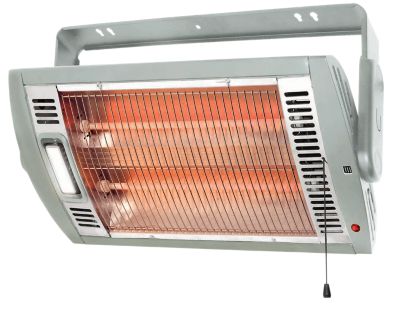
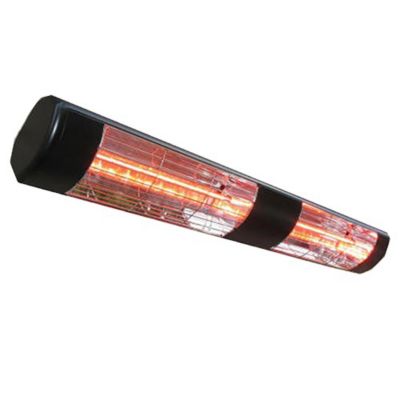
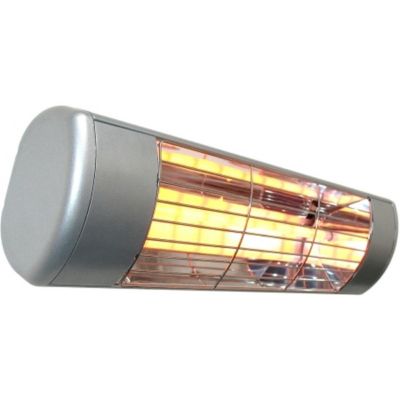
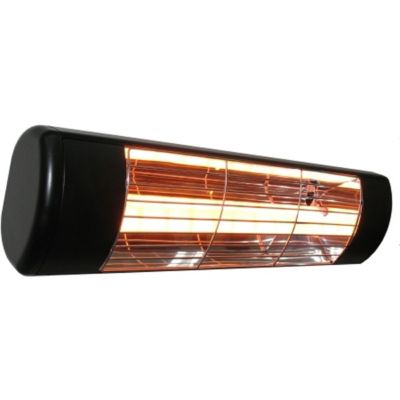
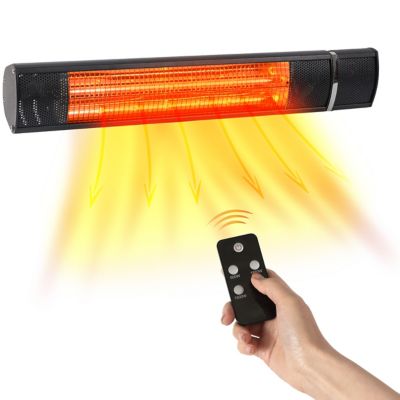
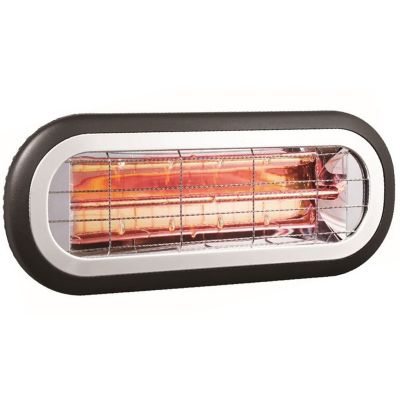
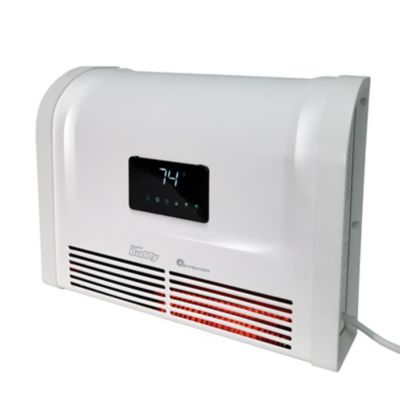
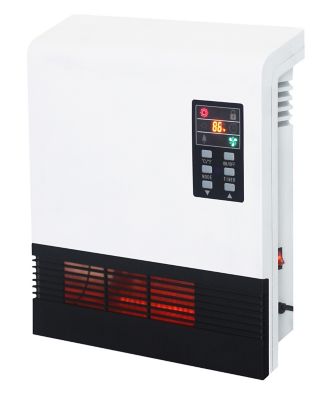
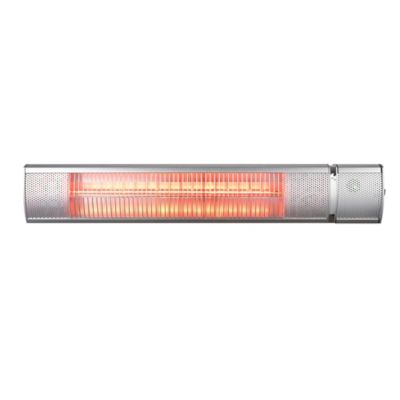
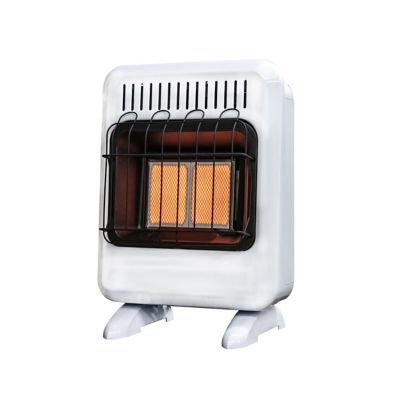
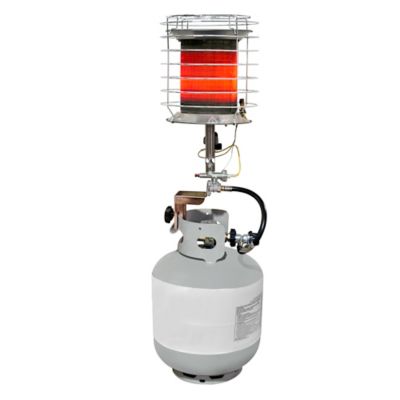
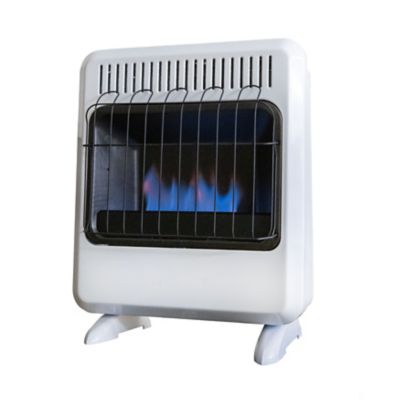
Mountable heaters are heating units designed to attach to a wall, ceiling, or approved bracket, bringing warmth to a room or work area without taking up floor space. Depending on their design and location rating, they can provide supplemental heat in bedrooms, home offices, bathrooms, garages, and workshops. Keeping the heater off the floor leaves more room for a workbench, storage cabinets, or a clear walking path, though the required space around the unit still needs to remain open. That can make a real difference in a small shop where every square foot has a job. Electric mountable heaters include fan-forced, convection, and radiant designs, each delivering heat a little differently. Fan-forced heaters move warm air through the space, while convection heaters warm air that circulates naturally. Radiant heaters direct energy toward people and surfaces within their coverage area, which can suit a particular work zone rather than an entire room. A bench along the garage wall and a desk in an enclosed office do not call for the same heating pattern. Some fixed-mount heaters run on gas instead of electricity, bringing different installation, fuel-supply, and ventilation requirements. Indoor and outdoor heaters also serve different purposes, and a mounting bracket alone does not make a heater suitable for either setting. Construction matters just as much as heating style. Metal housings, protective finishes, guarded outlets, and well-fitted brackets all play a part in how a heater stands up to its intended surroundings. A busy garage presents different challenges from a quiet bedroom, including more dust and a greater chance of bumps from equipment. Housing material and finish can help with everyday wear, but the heater’s listed application, installation requirements, and care instructions determine where it belongs. For folks spending long stretches at a repair bench or handling paperwork in a small office, a properly matched mountable heater can add heat where the work happens.
A heater’s advertised room coverage is a starting point, not a promise that every space of that size will heat the same way. Ceiling height, insulation, windows, air leaks, and frequently opened doors all affect the amount of heat a room needs. An insulated hobby room with a closed door holds heat differently from a garage bay that opens several times while chores get done. Electric heater output is commonly listed in watts, while heating capacity may also appear in British thermal units per hour, or BTU/h. Those figures help explain capacity, but they belong alongside the manufacturer’s room-size recommendations and installation details. Mounting height, discharge direction, and the distance to the occupied area affect how warmth reaches a desk, bench, or seating spot. Wall dimensions and ceiling structure matter, too: mounting hardware needs suitable structural support, and the finished installation must maintain every specified clearance from ceilings, walls, shelves, furniture, and combustible materials. A heater should never become a drying rack for gloves, jackets, or shop towels. Electrical fit deserves the same attention as physical fit. A 120-volt heater and a 240-volt heater have different supply requirements, and a nearby outlet does not necessarily mean the circuit can handle the load. Some designs plug into an appropriate receptacle, while others require a hardwired connection and professional installation. Bathrooms and other moisture-prone locations call for equipment specifically approved for that setting, along with any required circuit protection and code-compliant placement. Gas heaters add requirements for the correct fuel, proper connections, combustion air, and any necessary venting. Carbon monoxide alarms do not replace proper installation or ventilation. Garages and farm workspaces also deserve a close look at what happens nearby. General-purpose heaters do not belong where gasoline vapors, flammable liquids, or airborne combustible dust create a hazardous atmosphere. Matching the heater to the actual location helps keep convenient wall or ceiling placement from becoming a poor fit for the work around it.
Day-to-day convenience often comes down to the controls and how easily the heater fits into the routine. An adjustable thermostat can maintain a selected temperature, while multiple heat settings allow different output levels when the design provides them. A timer can limit operating time, but it does not override supervision requirements or make a heater suitable for unattended operation. Remote controls can be handy for a ceiling-mounted unit, especially when the mounting position puts onboard controls out of easy reach. Adjustable louvers or brackets may help direct warmth toward an occupied area, provided they stay within the manufacturer’s permitted positions. Fan sound is another practical consideration in a bedroom, office, or work area where conversation matters; fanless heating operates differently, though every heater has its own operating characteristics. Routine care helps protect performance over time. A garage can collect sawdust faster than a spare room collects lint, so accessible intake openings and a housing that is straightforward to clean can make maintenance less of a chore. Cleaning follows the manufacturer’s directions, with power disconnected and the heater fully cooled before routine care begins. Dust buildup, blocked air passages, loose mounting hardware, and damage to cords or connections all deserve attention, with electrical or fuel-system repairs handled by a qualified professional. Protective finishes also benefit from cleaning methods that do not scratch the surface or introduce moisture into electrical parts. For a workspace that changes from one job to the next,
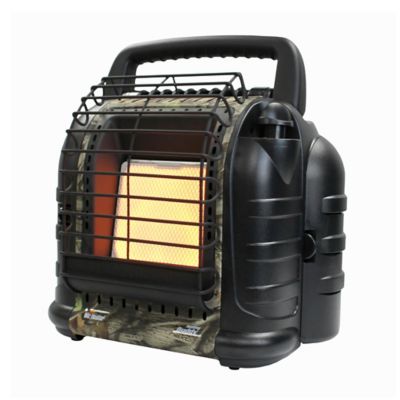
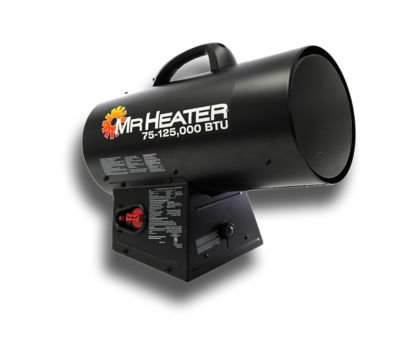
Temporary Heaters offers another heating approach to consider, while mountable heaters make sense for a designated spot with a suitable permanent installation. From an enclosed garage where small-engine repairs take an afternoon to a home office tucked off the mudroom, the best match brings together the right heating method, adequate capacity, appropriate controls, and room for safe operation. Those details matter more than simply finding an empty stretch of wall.