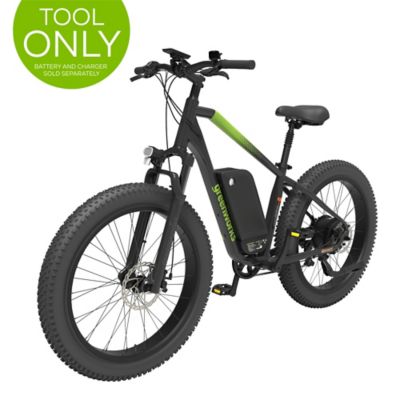
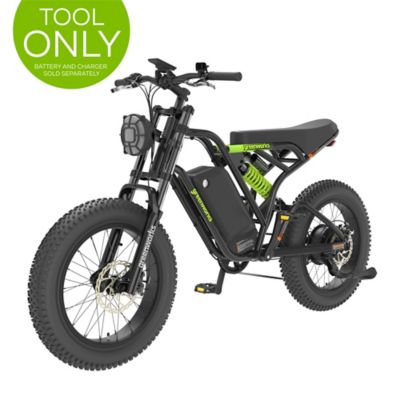
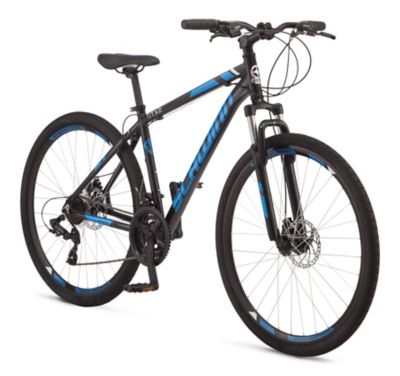
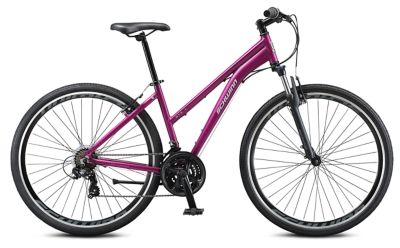
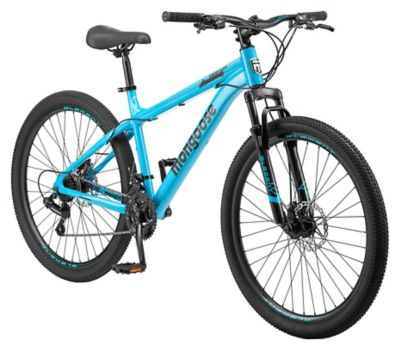
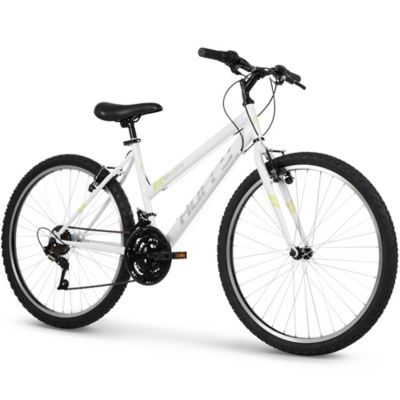
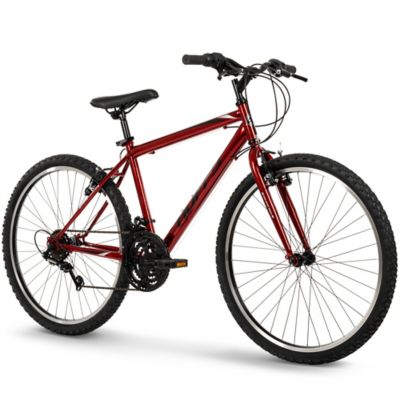
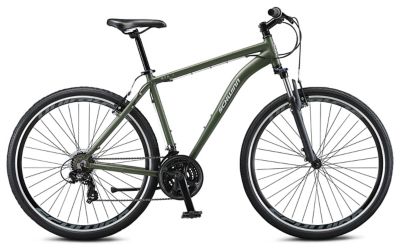
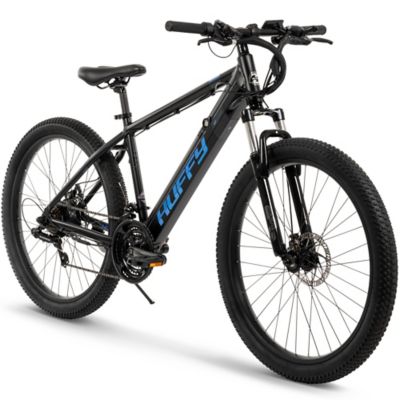
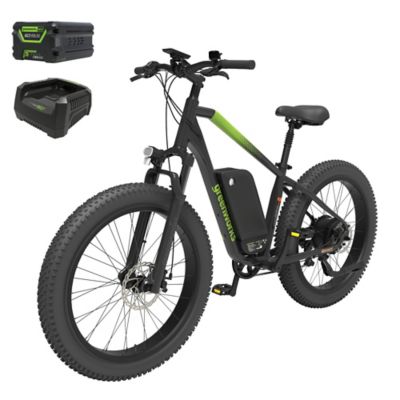
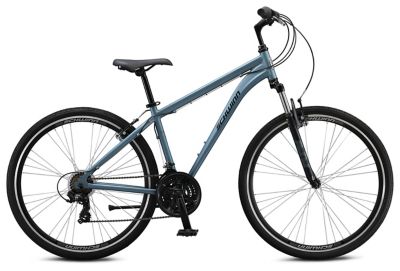
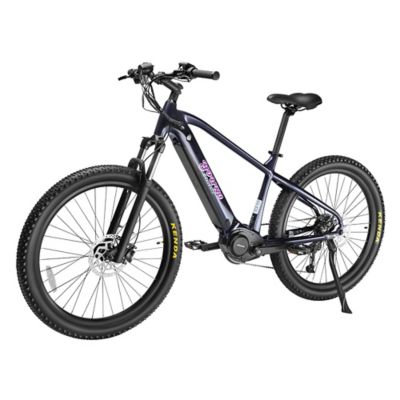
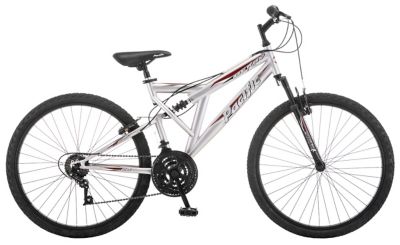
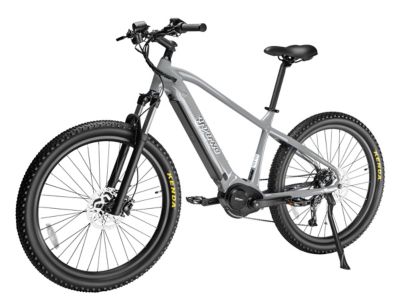
Mountain bikes for beginners are built around a straightforward goal: helping new riders feel steady and in control on dirt paths, gravel routes and easy trails. For many riders, an aluminum hardtail with front suspension, a comfortable fit and disc brakes makes a sensible starting point. A hardtail has a suspension fork up front and no rear shock, giving it a simpler layout with fewer suspension parts to maintain than a full-suspension bike. Aluminum frames generally keep weight manageable, which matters when pedaling uphill or lifting a bike onto a vehicle rack. Steel frames are another option, though they often weigh more; frame design and the complete bike’s weight matter alongside the material itself. The best beginner mountain bike matches the riding ahead rather than promising more equipment than a rider needs. An afternoon on a maintained woodland loop calls for different capabilities than steep, rocky descents, jumps or bike-park riding. A mountain-bike appearance alone does not establish suitability for demanding trails, so the manufacturer’s intended-use rating deserves attention. Fit matters just as much as construction. Frame size, standover clearance and the distance to the handlebars all affect how comfortably a rider can pedal, steer and step off the bike. Height-based size charts offer a starting point, while inseam and body proportions help narrow the choice. A rider should be able to reach the brake levers comfortably without stretching forward or locking the elbows. With the saddle set for pedaling, a slight bend in the knee at the bottom of the pedal stroke generally supports a comfortable position. A saddle that adjusts easily makes it simpler to dial in that fit. For teens, a bike that fits today is a better match than an oversized frame bought with growing room in mind. Easy handling on the first few outings can make the difference between a bike that stays parked and one that heads out for another lap around the trail.
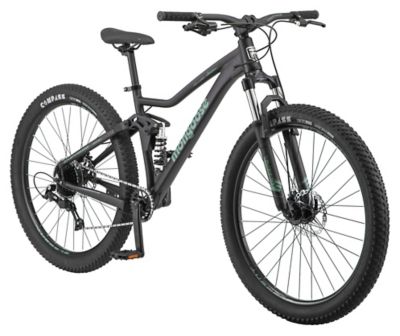
The parts on beginner mountain bikes shape the ride in ways that become clear once pavement gives way to packed dirt. Front suspension helps absorb bumps from small roots and uneven ground, but fork setup matters more than an impressive-looking parts list. Around 100 millimeters of fork travel is common on entry-level cross-country hardtails and can suit mellow trail riding when the bike is rated for that terrain. Some forks offer spring adjustments, while air-sprung forks allow pressure changes to match rider weight within the manufacturer’s limits. Full-suspension mountain bikes add a rear shock and moving frame connections that can improve comfort and traction over rough ground, though they also bring more setup and maintenance. For many first-time riders sticking to smoother trails, a hardtail keeps things straightforward. Brakes deserve close attention, especially where a gravel path drops into a dip or a trail bends around a stand of trees. Hydraulic disc brakes generally deliver strong stopping power with less hand effort and good control over braking force. Mechanical disc brakes work through cables and can also serve beginners well when properly adjusted. Either system needs reachable levers and sound maintenance; brake type alone does not determine stopping distance. Gearing makes another noticeable difference. A low climbing gear helps a rider keep pedaling up a rise without having to grind hard on the pedals. A single front chainring simplifies shifting at the handlebar, while systems with multiple front chainrings can provide a broad range of ratios. Wheel size should work with frame fit rather than replace it as the deciding factor. Many adult mountain bikes have 27.5-inch or 29-inch wheels; larger wheels tend to roll over obstacles more easily, while handling also depends on frame geometry and tire choice. Smaller riders may find a smaller wheel and frame combination easier to manage. Knobby tires provide bite on loose surfaces, although deeper tread can feel slower on pavement. Tire pressure within the stated limits should suit rider weight, terrain and the tire-and-rim setup, balancing grip against rim strikes and punctures.
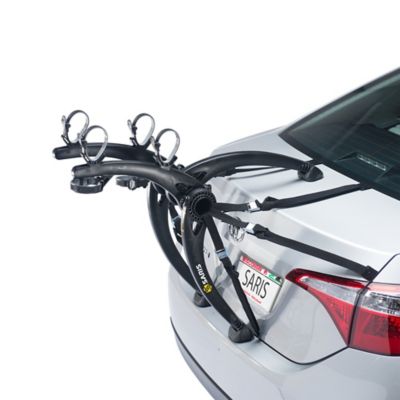
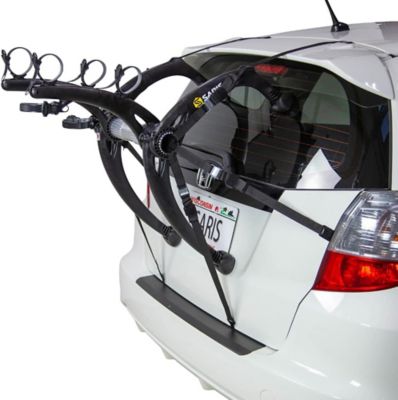
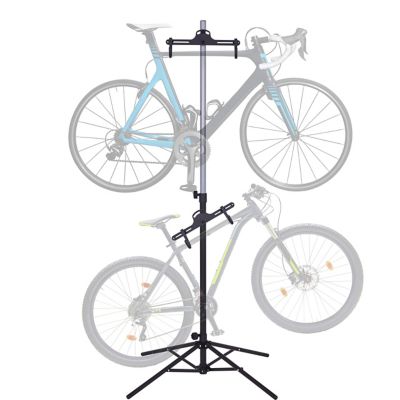
Living with a first mountain bike includes hauling it, storing it and keeping it ready for the next ride. A manageable bike weight helps when lifting it over a fallen branch or loading it after a few miles on the trail. Vehicle racks need to match the bike’s wheel size, tire width, frame shape and weight, and a secure storage spot helps protect the frame and components between outings. Routine care does not have to turn into a shop project. Removing trail grit with a soft brush and gentle washing, drying the bike and applying bicycle chain lubricant as directed can help limit wear. High-pressure water can force its way past bearing seals, and lubricant should stay away from brake rotors and pads. Before heading out, attention to tire condition, wheel attachment, brake function and loose hardware helps catch small problems early. Suspension service and brake work should follow the manufacturer’s schedule, with a bicycle mechanic handling tasks beyond the rider’s experience. Assembly matters, too: handlebar alignment, wheel security and correct fastener torque are essential before the first ride. A properly fitted bicycle helmet belongs with any beginner setup, along with closed-toe footwear that grips the pedals without loose laces near the drivetrain. Flat pedals can make it easier for a new rider to put a foot down at a stop, and pedal grip matters when a path gets bumpy. For someone who likes exploring both on wheels and on foot,
Hiking Shoes For Beginners offers a related starting point for walking outings; cycling footwear still needs to suit the pedals and riding style. A beginner mountain bike can make a thoughtful gift for a teen ready for longer family rides or an adult looking for a new way to explore nearby trails. Knowing the recipient’s measurements, comfort preferences and likely routes makes that choice more personal and practical. A well-matched bike leaves room to build skills without making every outing feel like wrestling with the equipment.