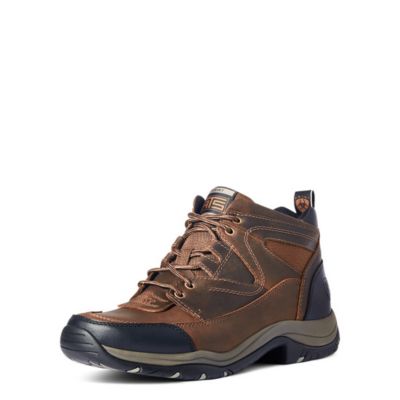
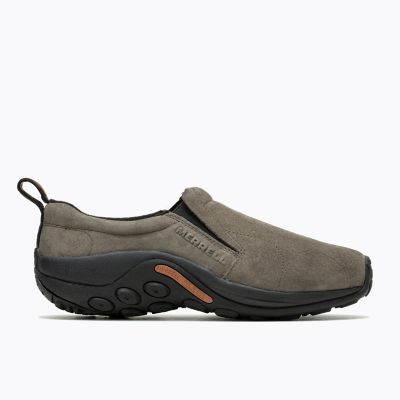
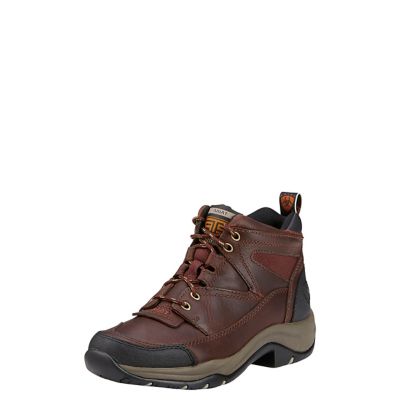
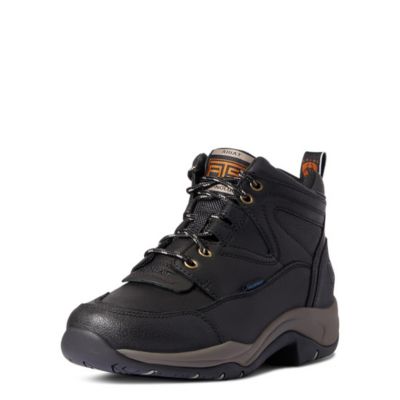
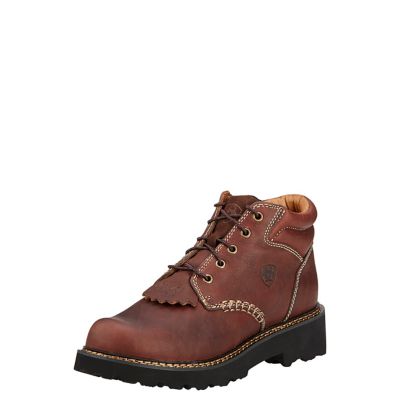
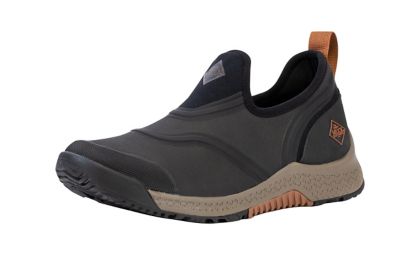
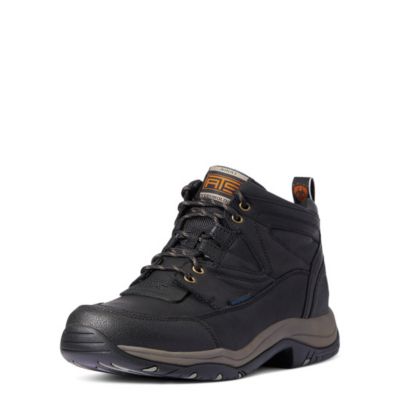
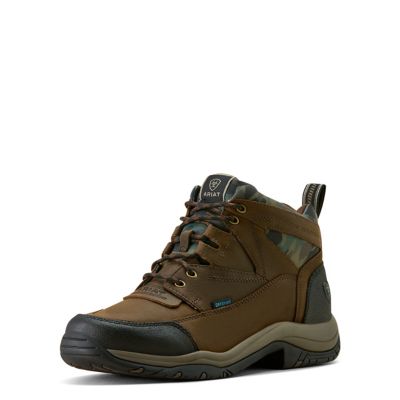
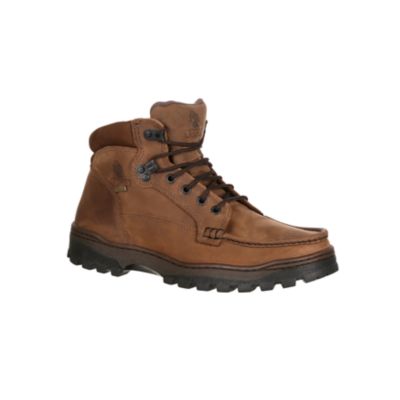
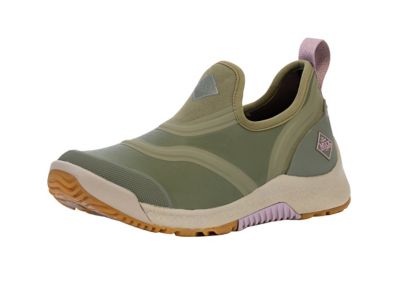
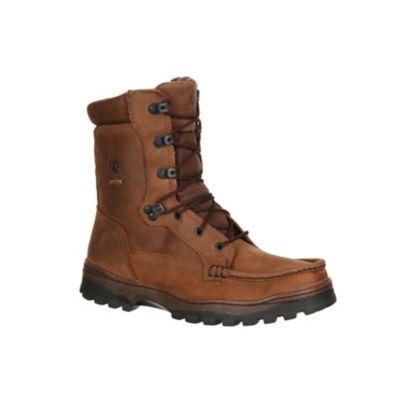
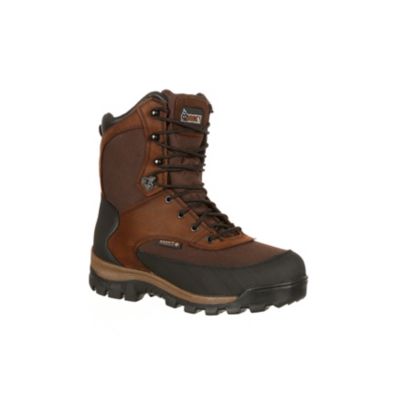
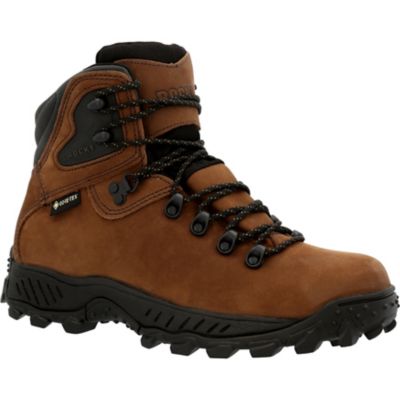
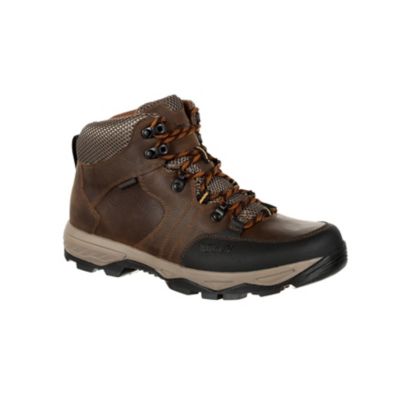
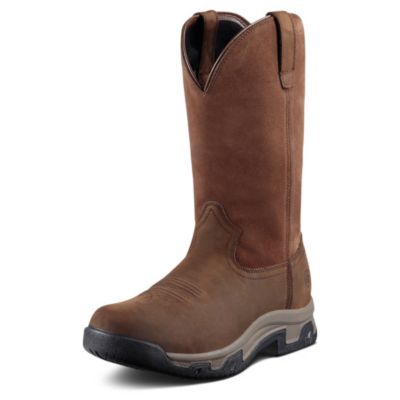
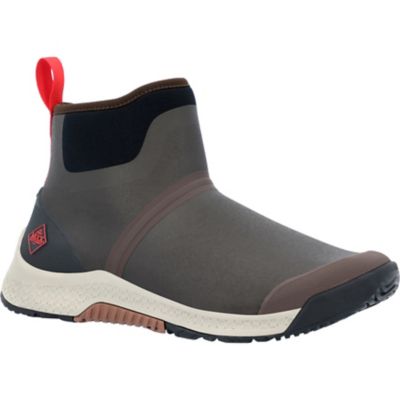
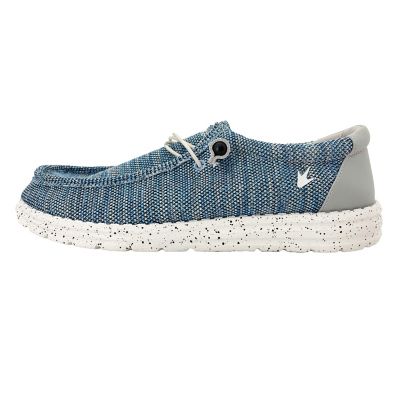
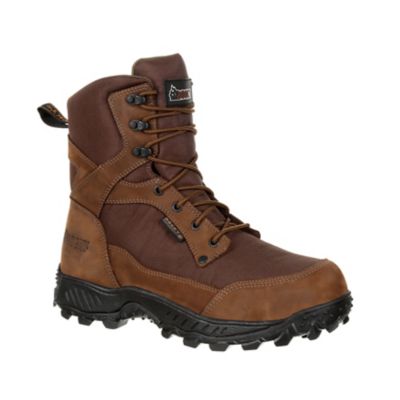
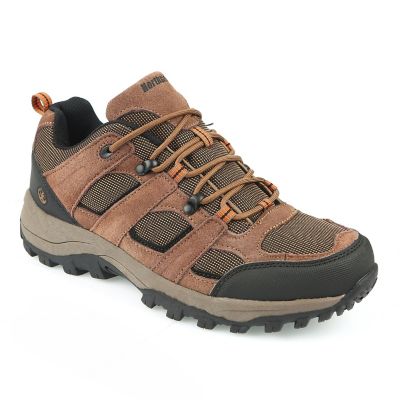
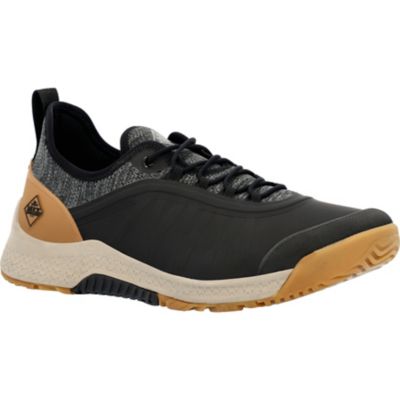
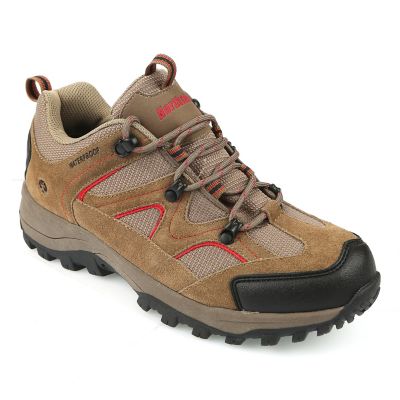
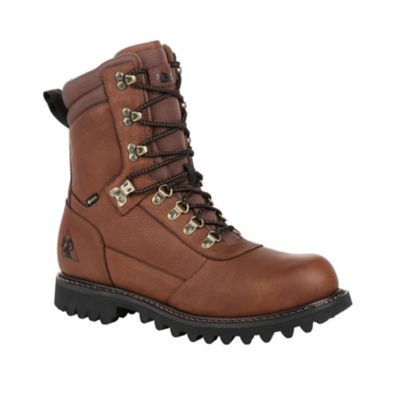
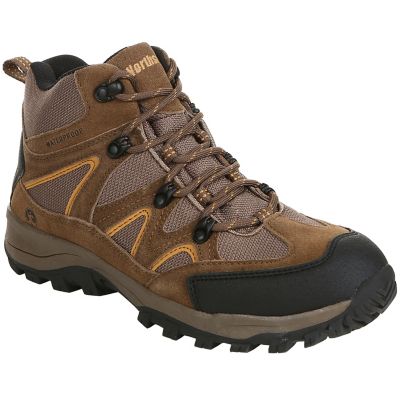
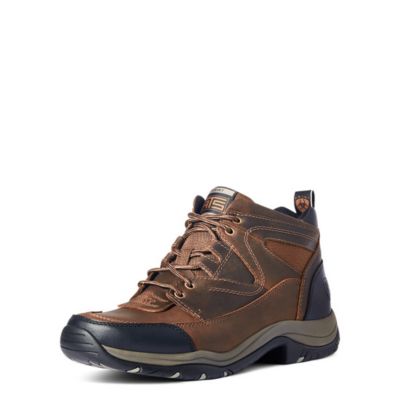
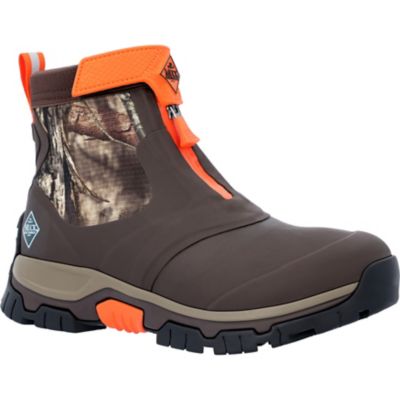
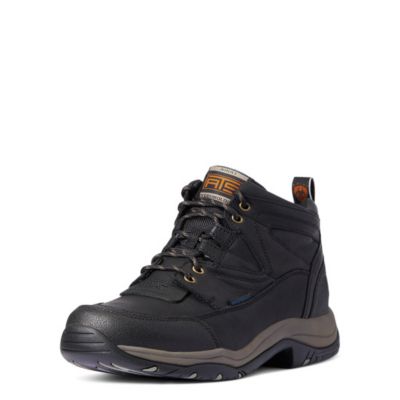
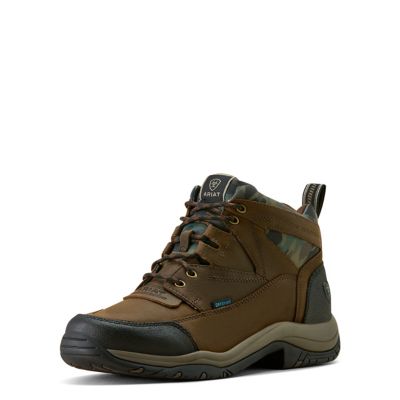
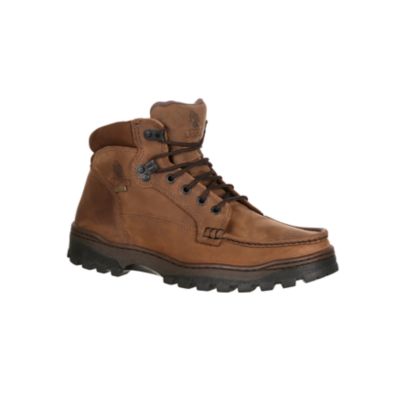
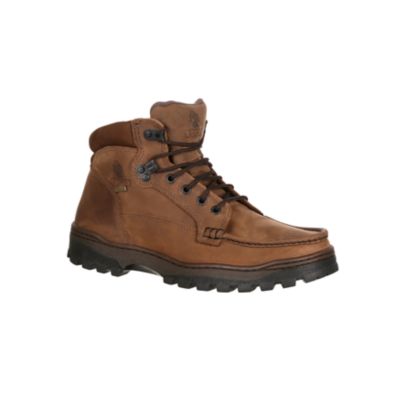
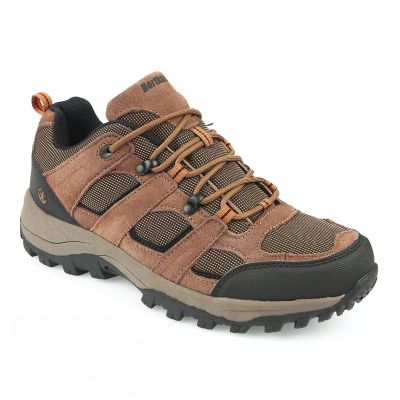
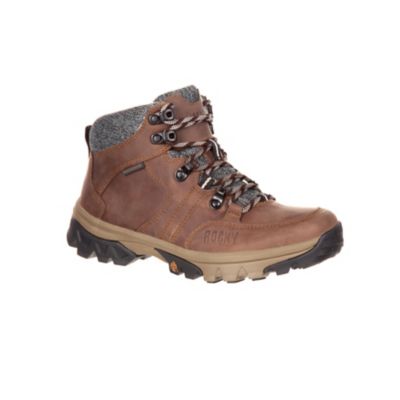
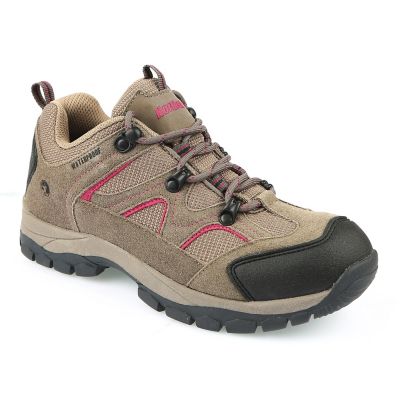
Hiking shoes for beginners are a solid choice for getting comfortable on the trail without the weight and stiffness of full-size hiking boots. They work well for neighborhood greenways, park paths, gravel roads, easy woodland trails, and day hikes where the ground may change from packed dirt to loose gravel, roots, or a little mud. A good pair should feel comfortable from the first step, with enough support to help your feet stay steady without making them feel boxed in. Look for a secure heel, a roomy toe box, and laces or another closure that lets you adjust the fit across the top of your foot. Your toes should not press against the front of the shoe, especially when walking downhill, and your heel should not lift or slide with every step. Try shoes on while wearing the socks you expect to use outdoors, preferably later in the day when feet have naturally expanded a bit. That small detail can make a big difference on a longer walk. Lightweight construction is helpful for new hikers because it can reduce leg fatigue on short and easy outings, while a cushioned midsole can soften the feel of hard ground underfoot. Even on a gentle trail, a rubber outsole with a noticeable tread can provide better grip than a flat everyday sneaker. Deeper lugs help shed loose dirt and offer traction on uneven ground, though no shoe can replace careful footing on slick leaves, wet rocks, or icy surfaces. During the cooler months, beginners may also appreciate shoes with water-resistant materials or a waterproof lining. These features can help keep feet dry when crossing damp grass, stepping through shallow puddles, or walking after a light rain. Waterproof shoes can feel warmer, too, but they may breathe less than non-waterproof styles, so consider the temperatures, trail conditions, and pace you expect to keep. For mild, dry walks, breathable materials may be more comfortable; for dewy fields and soggy paths, added weather protection is worth considering.
The best hiking shoes for beginners match the kind of walking you actually plan to do. Someone exploring a local nature preserve may want a flexible, lightweight shoe that feels close to a running shoe but has a sturdier sole. A person walking along hilly farm roads, wooded trails, or uneven pasture edges may prefer more structure around the heel and arch for a steadier feel. If your routes include steep grades, loose shale, exposed roots, or rough stone, take a look at options with stronger toe protection, supportive midsoles, and an outsole built for varied terrain. For especially rugged ground, browse
Hiking Boots For Rocky Terrain for footwear made with demanding surfaces in mind. Fit remains more important than a long list of features. A shoe that looks tough but rubs your ankle or pinches your little toe will likely spend more time in the closet than on the trail. Walk around indoors before heading out, paying attention to pressure points and the way the shoe bends. A little flex near the ball of the foot is usually useful for easier trails, while a firmer platform can feel reassuring when carrying a daypack or walking over uneven ground. Arch support is a personal matter; some hikers prefer a noticeable contour, while others do better with a flatter insole and room for an aftermarket insert. If you already use supportive insoles, bring them along when checking the fit. Leave enough space for normal foot swelling and thicker socks, but do not size up so much that your foot moves inside the shoe. New hikers can also help prevent blisters by breaking footwear in with short walks before tackling a longer route. Keep feet dry when possible, smooth out wrinkled socks, and pay attention to hot spots before they become sore. A spare pair of socks tucked into a daypack is a simple habit that has saved many a pleasant walk after an unexpected shower or muddy stretch.
Hiking shoes can make a thoughtful gift for a friend, family member, student, or coworker who has started talking about local trails, camping weekends, birdwatching, or outdoor walks with the dog. They are practical for people easing into a healthier routine, exploring public lands, or planning a first overnight trip, and they can be useful well beyond the trail for yard chores, travel, outdoor festivals, and long days on their feet. When choosing footwear as a gift, consider the recipient’s usual activities, the climate where they live, and whether they tend to wear thin athletic socks or heavier outdoor socks. Since fit is so personal, a gift receipt or flexible exchange option is especially helpful. Beginners do not need the heaviest footwear or the most technical design to enjoy a good day outside. They need dependable comfort, a sole that grips the ground, protection suited to the weather, and a fit that stays comfortable from the trailhead to the final stretch home. As conditions shift from crisp, dry paths to damp leaves and chilly morning ground, the right pair can help make outdoor time feel easier and more inviting. Pack water, a small snack, a phone or map, and an extra layer, then start with a route that matches your experience and energy. A well-fitting pair of hiking shoes can turn a casual walk through fall woods, a family outing on a rolling trail, or a quiet afternoon near home into the beginning of a lasting outdoor habit.