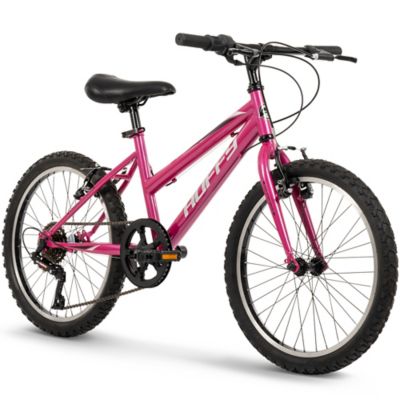
A 20-inch mountain bike gives young riders a manageable step into dirt-path riding, neighborhood loops, and family outings beyond the driveway. The 20-inch measurement refers to the nominal wheel size, not the frame size, so bikes with the same wheel designation can fit and handle differently. Many bikes in this category suit children roughly ages 5 to 9 and around 45 to 52 inches tall, but the manufacturer’s height range, the child’s inseam, and their riding skills matter more than age alone. A good fit leaves room to stand over the frame, reach the handlebars without stretching, and operate both brake levers comfortably. Saddle height should support steady pedaling while allowing the rider to start and stop with control; less experienced children may need a lower starting position as they build confidence. Buying a bike with plenty of growing room can be tempting, but a frame that feels too tall or long makes tight turns, quick stops, and getting back on after a stumble harder than they need to be. For children approaching the upper end of a model’s fit range,
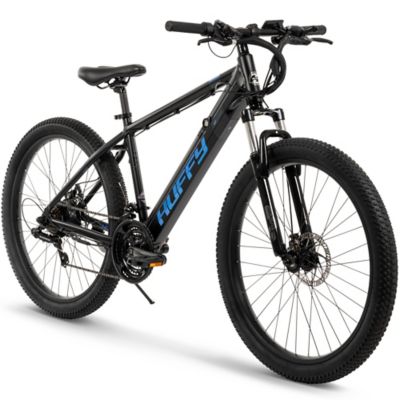
24 Inch Mountain Bikes offer another wheel-size category to compare against the rider’s measurements, rather than an automatic next step based on a birthday. Properly fitted 20-inch mountain bikes can suit kids moving on from smaller bicycles, riders learning to shift gears, and children who already pedal confidently and want to explore suitable trails with an adult. They can also make a thoughtful gift when the child’s measurements and riding needs are known ahead of time. The best match is a bike the child can handle today, whether that means steering around a bend on a packed-dirt path or keeping a steady line beside a parent on a shared-use trail. Comfortable reach, manageable weight, and easy-to-operate controls often matter more to that experience than a long list of features.
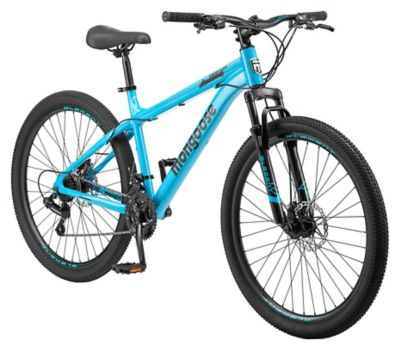
Frame material, tire tread, gearing, and fork design all shape how a children’s mountain bike feels under a small rider. Steel frames can stand up to everyday riding but often weigh more than comparable aluminum frames. Aluminum is common where keeping weight down is a priority, though the complete bike’s weight matters more than the frame material by itself. Wheels, tires, suspension parts, and other components all add to what a child has to pedal uphill, steer around obstacles, or lift off the ground. A lighter bike can make a noticeable difference when a short climb comes near the end of a family ride. Knobby tires provide traction on loose dirt and uneven ground, while less aggressive tread generally rolls more easily on pavement and firmly packed paths. Tire width and pressure also affect comfort and control; inflation should stay within the tire and bike manufacturer’s recommendations and suit the rider’s weight and terrain. A rigid fork has no suspension mechanism, which keeps the setup straightforward and reduces maintenance. For smooth trails, neighborhood riding, and occasional gravel stretches, that simplicity can be a practical fit. A hardtail bike pairs a rigid rear frame with a suspension fork, which may help soften bumps when the fork is designed and adjusted for a child’s weight. Suspension is not automatically better: a fork that barely moves under a small rider adds weight without much benefit. Full-suspension designs add rear-wheel suspension as well, along with more moving parts and service needs, making their intended terrain especially important. Single-speed drivetrains keep operation simple on relatively level routes, while multiple gears give children more options for climbs and longer rides. A single front chainring with rear gears limits the number of shifting controls, though the child still needs a shifter that feels easy to operate. Grip and trigger shifters require different hand movements, so hand size and comfort are worth considering alongside the number of gears. Useful gearing is gearing a rider can understand and operate without losing focus on the path.
Braking control and everyday upkeep help a 20-inch mountain bike remain ready for the next ride. Small hands need brake levers within comfortable reach, with an action the rider can manage without shifting their grip awkwardly. Rim brakes act on the wheel rim and offer a straightforward setup, while disc brakes act on a rotor at the wheel hub. Mechanical disc brakes operate through cables, and hydraulic systems use fluid; either system needs proper setup and regular inspection. The brake type alone does not establish stopping performance, especially if the levers are too far away or the pads need attention. Before a ride, checking tire pressure, brake function, wheel security, and the handlebar and saddle helps catch small problems early. After dusty or muddy outings, gentle cleaning removes grit from the frame and moving parts. Chain lubricant belongs on the chain in the amount recommended for the product, with excess wiped away and lubricant kept clear of braking surfaces. High-pressure spraying can push water and dirt into bearings, so a gentle approach is better for routine washing. Protected storage, periodic checks for loose hardware, and attention to worn tires, grips, cables, and brake pads support a longer service life. Fit deserves another look as children grow, too, since a saddle position that worked earlier may eventually leave knees cramped or the rider feeling crowded. Intended use is just as important as maintenance: mountain-bike styling does not mean every model is built for jumps, steep descents, or rocky trails. The manufacturer’s terrain guidance and rider-weight limits establish the boundaries, including any carried gear. A properly fitted bicycle helmet, secure footwear, and practice using the brakes on level ground belong alongside the bike itself. For a child heading down a permitted farm lane or joining a family trail ride, predictable handling and equipment matched to the route make it easier to concentrate on riding. A well-matched bike leaves room for skills to grow without asking a young rider to wrestle more bicycle than they can comfortably control.