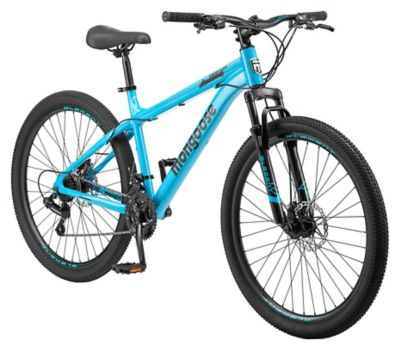
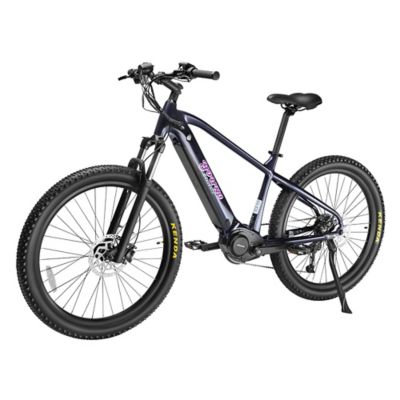
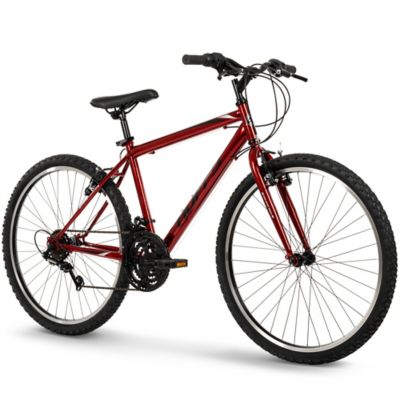
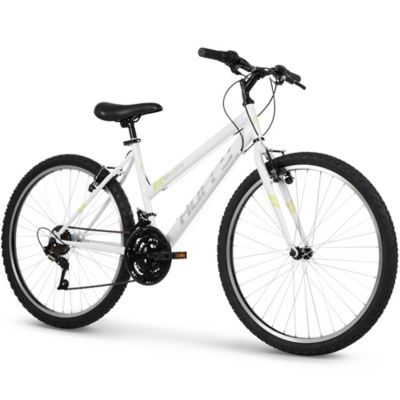
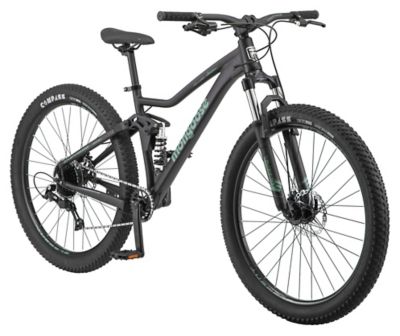
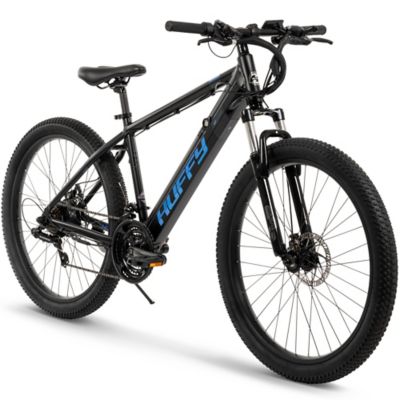
Hardtail mountain bikes have a front suspension fork and a rigid rear frame, giving riders a simple, efficient setup for paved paths, gravel roads, fire lanes and mountain trails. Without a rear shock and the extra pivots that come with full suspension, a hardtail is generally lighter, easier to maintain and more affordable to buy and keep running. That straightforward design also sends more of your pedaling effort directly to the rear wheel, which makes these bikes strong climbers on rolling ground and a good fit for riders who enjoy a responsive, connected feel. On a quiet stretch of gravel or a wooded trail covered in fallen leaves, a hardtail can feel lively beneath you while still offering front-end comfort over roots, ruts and small rocks. The rigid rear frame rewards steady pedaling and good body position, so it can help newer mountain bikers build practical trail skills, including choosing a clean line, keeping weight balanced and lifting slightly off the saddle when the terrain gets rough. Experienced riders appreciate that same direct feedback, especially when covering miles on cross-country routes, farm roads and well-maintained singletrack. A hardtail mountain bike can also make a thoughtful gift for someone who enjoys being outdoors, wants a dependable way to explore local trails or is ready to move beyond a basic recreational bicycle. It is useful for weekend rides, fitness, checking out a new trail system or simply taking the long way home when cooler weather makes outdoor time especially inviting.
The right hardtail mountain bike depends largely on where and how it will be ridden. Cross-country styles are often built around efficient pedaling, a lighter overall feel and handling that suits smooth singletrack, packed dirt and fire roads. They work well for riders who want to cover distance, climb steadily and keep a brisk pace across mixed terrain. Trail and aggressive hardtails typically put more attention on control and stability, with wider tires, a more relaxed head angle and a longer-travel suspension fork to help manage steeper descents, loose ground and rougher obstacles. A bike meant for rocky mountain routes should be equipped differently from one used mostly on neighborhood paths, so matching the design to the terrain helps keep each ride comfortable and predictable. Frame size is just as important as wheel size and suspension travel. Riders should compare the manufacturer’s height and inseam recommendations, then pay attention to reach, standover clearance and saddle position. A proper fit makes climbing more comfortable, improves steering control and reduces strain on the hands, knees and lower back. Tire width and tread also deserve a close look: faster-rolling tread suits gravel and hard-packed paths, while deeper, more widely spaced knobs can provide extra grip in loose dirt. Hydraulic or mechanical disc brakes offer dependable stopping power in changing conditions, including damp leaves and muddy trail sections. A wide range of gears can make long climbs easier, while a simpler drivetrain may appeal to riders who prefer fewer adjustments. For a similar straightforward approach on flatter routes, some riders also compare hardtails with
Single Speed Bikes, though a geared hardtail is usually the more versatile choice for hills and varied trail surfaces.
Before heading out, take a few minutes to check tire pressure, test the brakes and make sure the quick-release levers or thru-axles are secure. Tire pressure is worth fine-tuning: a little less pressure can improve traction on loose trails, while a firmer setup may roll faster on pavement and packed gravel. Stay within the bike’s intended use, wear a properly fitted helmet and add gloves, eye protection and bright layers when riding near roads or during the shorter daylight of the cooler months. A small repair kit with a pump, tire levers, a spare tube or tubeless plug, and a multitool can turn a minor trail problem into a quick roadside fix instead of a long walk back. After muddy or dusty rides, rinse away grit without forcing water into the bearings, dry the frame and lubricate the chain as needed. Keep an eye on brake pad wear, shifting performance, tire damage and suspension fork seals, and have a qualified bicycle technician handle repairs that require specialized tools. Storage matters, too; keeping the bike sheltered from rain, road salt and prolonged dampness helps protect the chain, cables and finish. Whether it is used for a quiet ride through the woods, a workout on rolling back roads or a family outing during a crisp afternoon, a well-matched hardtail mountain bike offers a practical way to spend more time outside. Its dependable frame, front-end cushioning and efficient pedaling make it a capable choice for everyday adventures, from smooth gravel to challenging singletrack.