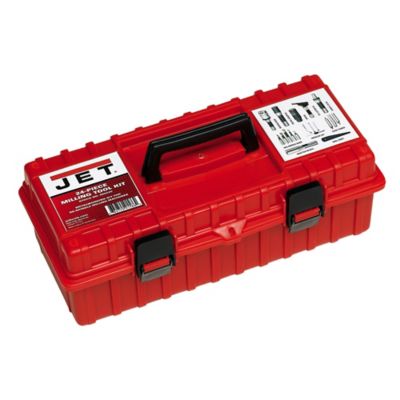
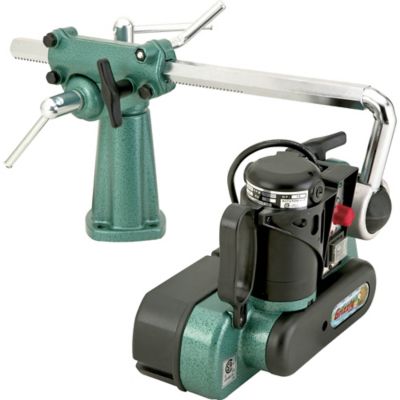
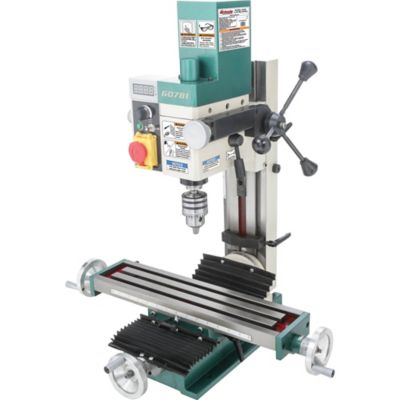
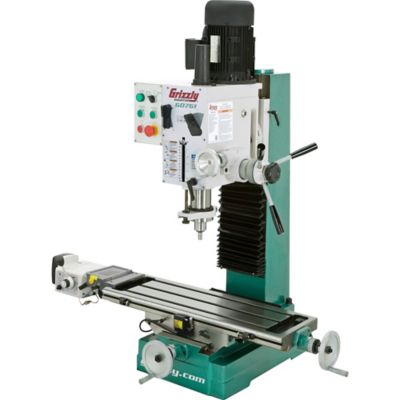
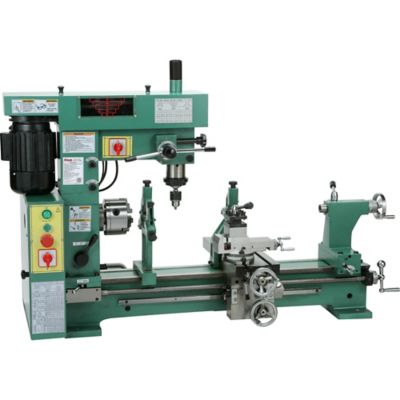
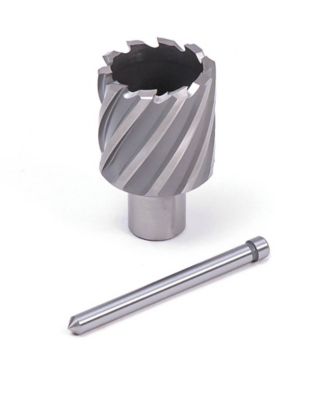
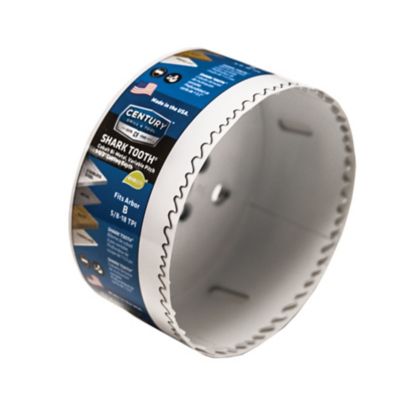
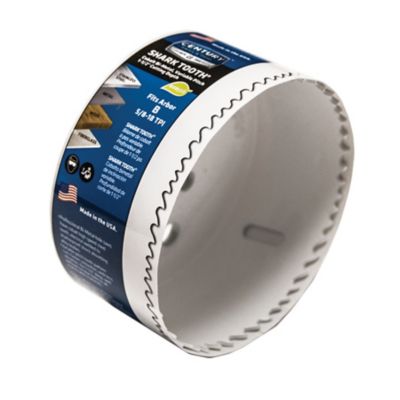
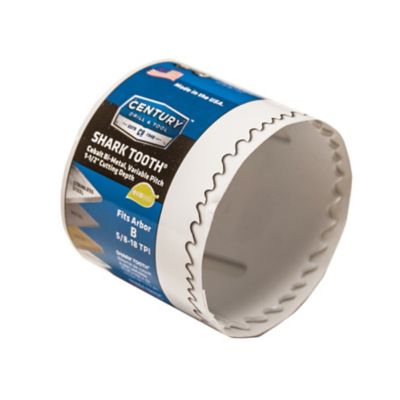
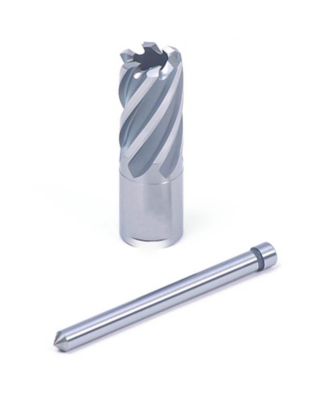
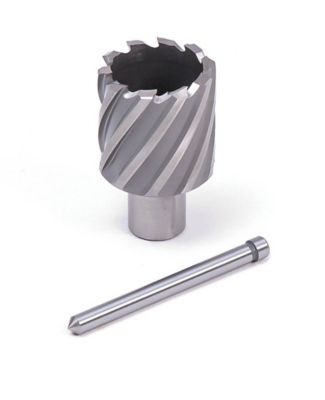
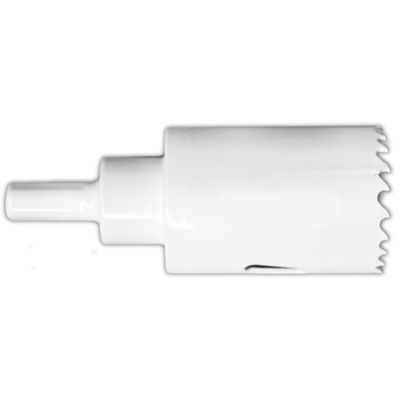
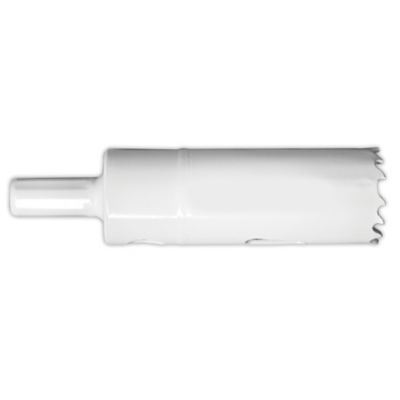
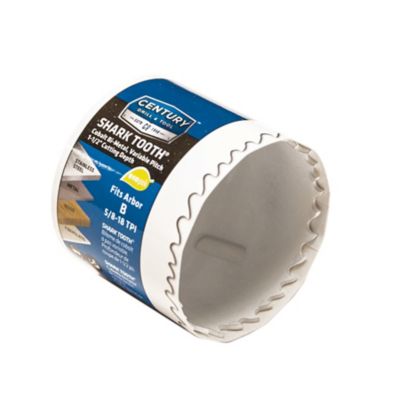
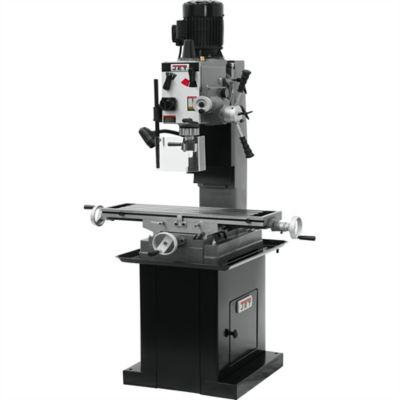
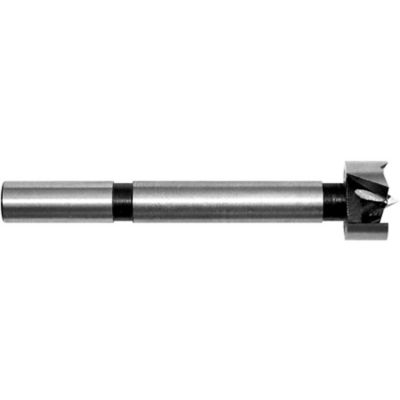
Milling tools are rotating cutting tools used with milling machines, CNC equipment and other shop setups to remove material from a workpiece with control and precision. Whether you are fitting out a farm maintenance shop, keeping a fabrication business moving or building parts at home, the right cutter can make a noticeable difference in the way a job feels from the first pass to the last. Milling tools are used on materials such as steel, stainless steel, aluminum, brass, cast iron, plastics and wood, though each material calls for the right cutter style, speed, feed and cutting depth. A tool that works smoothly in aluminum may not be suited for hardened steel, and a cutter meant for light finishing may struggle during heavy material removal. Start by matching the tool to the machine and the workpiece. Check the shank diameter, overall length, cutting diameter, flute count and tool holding system so the cutter fits securely and leaves enough clearance for the operation. It is also wise to consider spindle speed, available horsepower and whether the machine is manual or CNC. A well-matched tool helps reduce chatter, heat and unnecessary wear, while an incorrect choice can leave rough edges, broken cutters or a workpiece that needs extra cleanup. For more ways to outfit a well-rounded shop, explore
Industrial Cutting Tools alongside milling tools and related shop essentials.
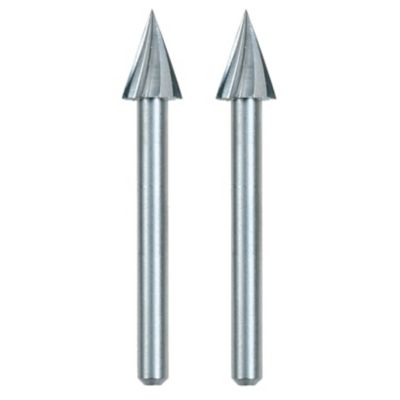
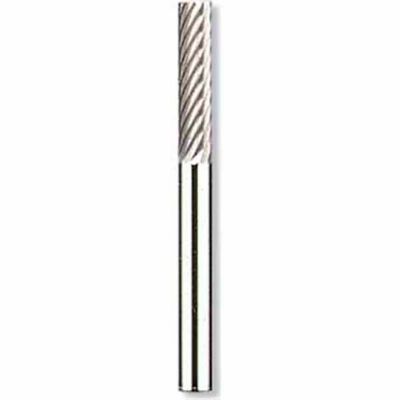
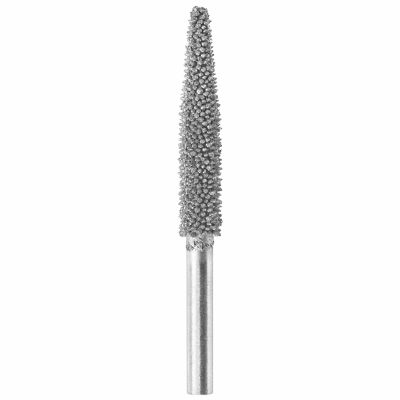
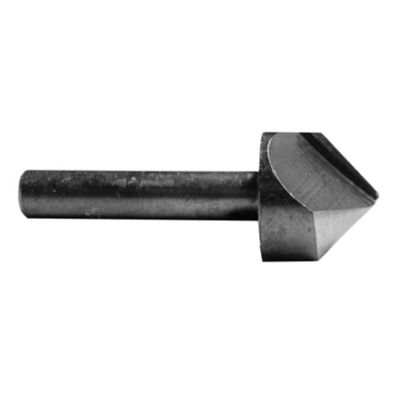
Different milling tool shapes are made for different kinds of cuts. Face mills use several cutting edges, often with replaceable inserts, to remove material across broad, flat surfaces. They are useful when you need to bring down a large area evenly or prepare a face for a later operation. Square end mills have a flat bottom and side-cutting edges, making them a dependable choice for slots, pockets, shoulders and general profiling. Ball-nose end mills have a rounded tip that follows curved surfaces and creates smooth transitions on contoured or three-dimensional workpieces. They are especially handy for molds, dies, sculpted parts and finishing passes where a sharp corner would leave unwanted lines. Corner-radius, sometimes called bullnose, end mills combine a flat bottom with rounded corners. That added edge strength can help them hold up better than a sharp-corner cutter when the work calls for durable pocketing or profiling. Roughing end mills use a toothed profile that breaks material into smaller chips, helping remove stock quickly before a finishing tool brings the surface to its final size and appearance. Specialty cutters, including chamfer, dovetail and T-slot styles, are shaped for particular profiles and joints. A chamfer cutter can soften an edge or prepare it for assembly, a dovetail cutter creates the angled sides used in sliding joints, and a T-slot cutter forms the undercut needed for certain clamps and workholding hardware. Choosing the shape based on the actual cut, rather than simply reaching for the largest or most familiar option, is one of the best ways to get cleaner results and longer tool life.
Tool material matters just as much as cutter shape. High-speed steel, often called HSS, is a practical choice for manual milling, general repair work and softer materials. It is tough, forgiving and usually easier on the budget, which makes it a sensible option for a growing home shop or occasional maintenance jobs. Carbide is harder and more heat resistant, so it can stay sharp longer and support higher cutting speeds when the machine, setup and workpiece are suited to it. Carbide cutters are common in CNC work and production settings, but their extra hardness also means they can be less forgiving of vibration, a loose setup or an unexpected impact. Coatings such as titanium nitride or aluminum titanium nitride may help reduce friction, shed heat and extend tool life when cutting demanding materials, though the coating should match the application rather than be treated as a one-size-fits-all upgrade. When comparing milling tools, look for clear information about the intended material, recommended speeds and feeds, flute design and cutting direction. Two-flute cutters can provide more room for chip clearance in some materials, while tools with more flutes may support smoother finishing and faster feed rates when chip space and machine power allow. Keep cutters clean, dry and protected from knocks; even a small nick can show up as chatter or a rough surface. Use proper eye and face protection, secure the workpiece firmly, clear chips with a brush or suitable air-management method and never handle a rotating cutter. For someone who enjoys turning raw stock into useful parts, a thoughtfully chosen milling tool can be a welcome addition to a tool chest or a practical gift for a machinist, mechanic, agricultural repair hand or hands-on maker. From shaping a bracket in a dusty outbuilding to finishing a precise part in a well-equipped workshop, dependable milling tools help make careful work more repeatable.