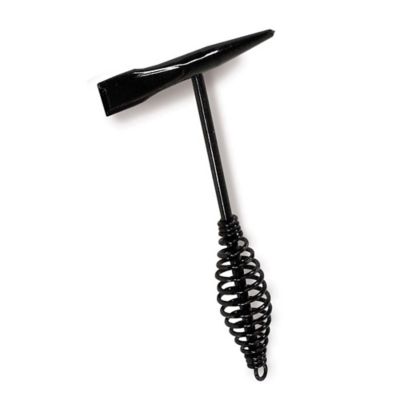
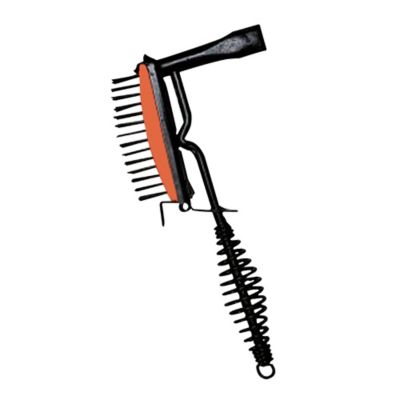
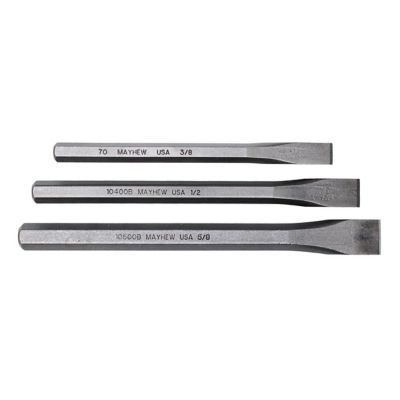
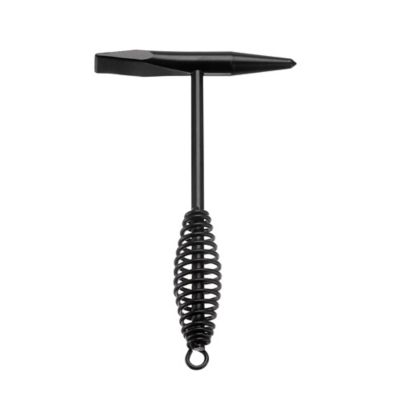
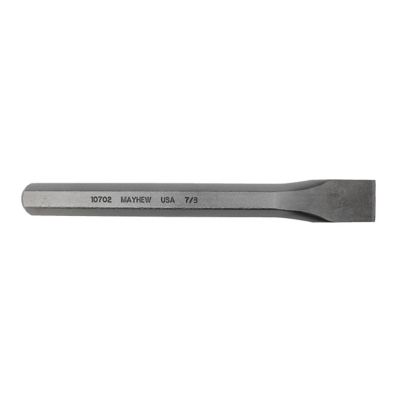
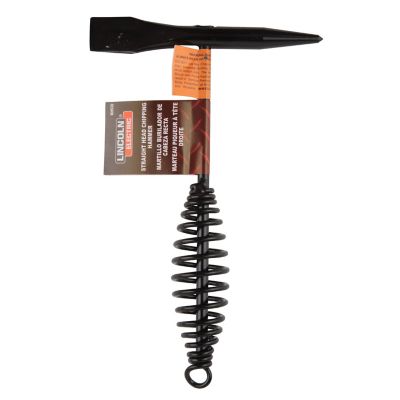
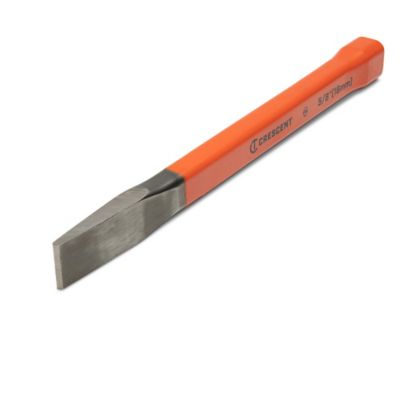
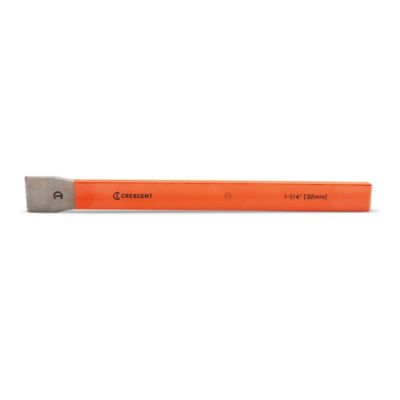
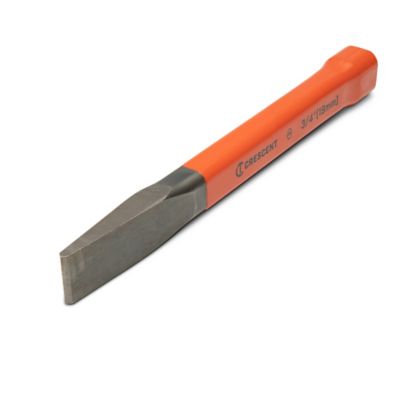
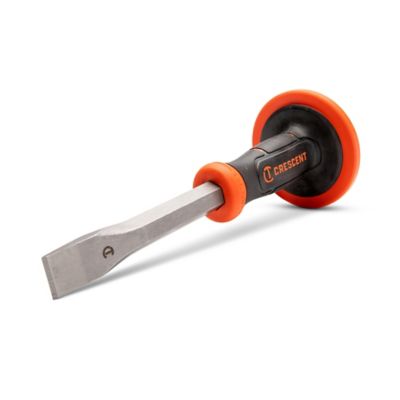
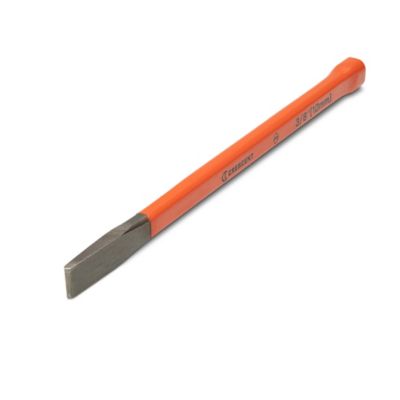
When it comes to handling tough jobs around the farm, shop, or worksite, having the right chipping tool can make all the difference. Folks who work with metal—whether you’re running beads in the welding shed, repairing equipment in the barn, or fabricating custom gates—know that removing slag and spatter isn’t just about keeping things tidy; it’s about making sure every weld holds strong and looks sharp. Classic hand-held chipping tools are a staple in any welder’s kit, built with a forged-steel head that gives you both a pointed end for knocking off stubborn debris and a flat chisel for scraping larger areas clean. The coiled steel spring handle isn’t just for show—it’s there to soak up shock, so your hands don’t take the brunt of the work, especially during long days on the job. These tools are built rugged to handle the grit and grime that comes with real-world projects, whether you’re patching up a stock trailer or putting together a new set of corral panels. They’re also a thoughtful gift for anyone who’s just getting into welding, starting a new hobby in metal art, or even that neighbor who always seems to be fixing something in the garage.
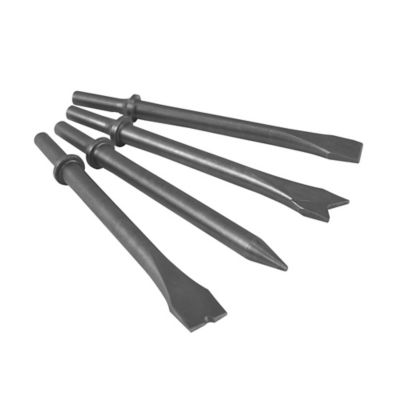
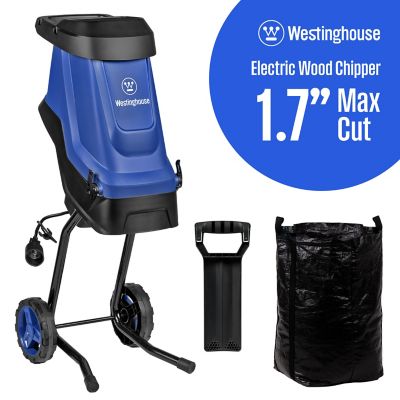
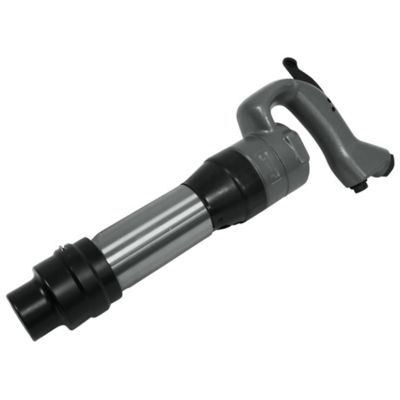
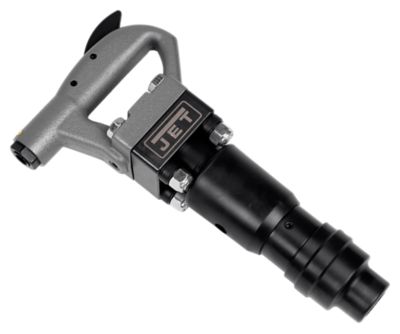
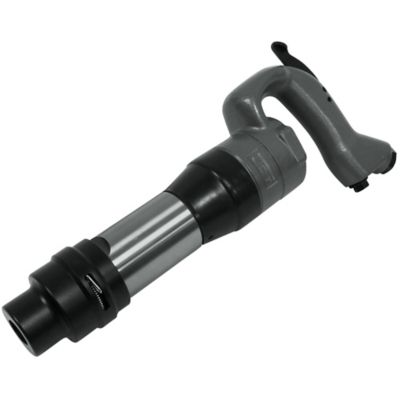
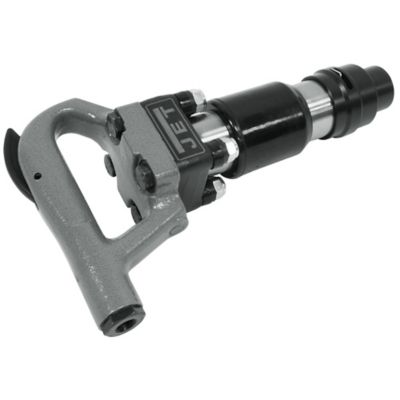
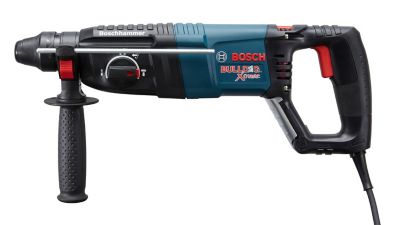
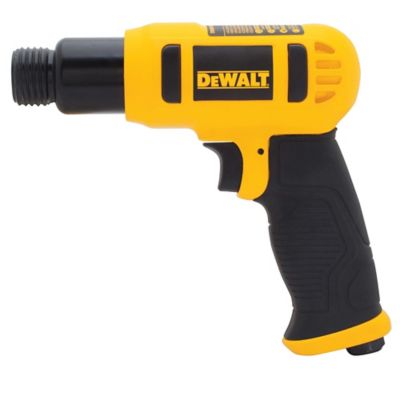
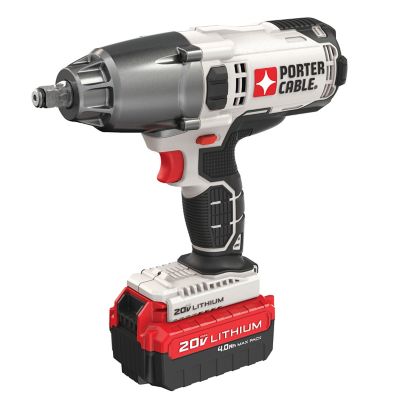
For those who tackle bigger projects—like breaking up old concrete pads, cleaning residue off forms, or scaling away rust and paint—power chipping tools step up to the plate. Pneumatic and electric chipping tools offer the muscle you need for demolition and surface prep, but with enough control that you can work on vertical walls or overhead beams without wearing yourself out. These lighter-duty alternatives to jackhammers are popular with contractors, DIYers, and anyone who’s ever had to clear out a stubborn chunk of concrete or knock loose a few bricks. As the weather warms and outdoor projects ramp up, having a reliable chipping tool on hand means you’re ready for anything from repairing fence posts after a storm to prepping a foundation for a new shed. When picking out a chipping tool, consider the handle style that feels right in your grip, the weight you’re comfortable swinging or holding for extended periods, and the type of work you’ll be doing most often. If you’re working indoors or in tight spaces, electric models keep things simple without the need for an air compressor, while pneumatic versions offer power and durability for heavy-duty jobs out in the field.
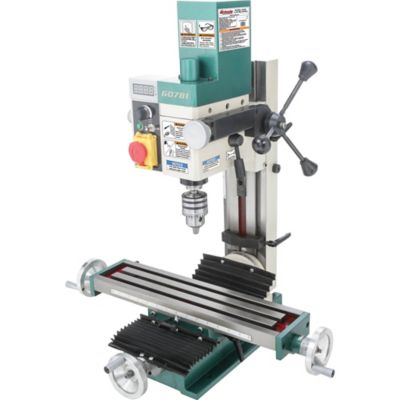
No matter what’s on your project list—welding repairs, concrete cleanup, or just general maintenance—choosing the right chipping tool means less fatigue, better results, and more time to enjoy the fruits of your labor. These tools are built to take a beating and keep going, season after season, whether you’re working under the summer sun or getting a jump on repairs before the cooler months roll in. They also pair well with other shop essentials; if you’re looking to round out your toolkit, check out our selection of
Milling Tools for more ways to tackle fabrication and repair jobs. From seasoned pros to weekend tinkerers, chipping tools are a must-have for anyone who takes pride in their work and wants equipment that’s as tough and dependable as they are.