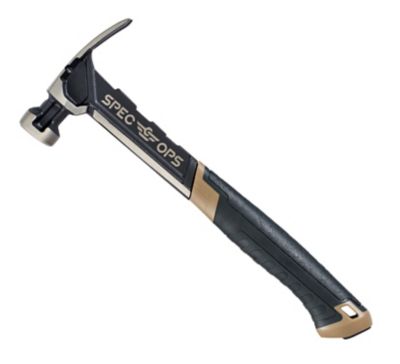
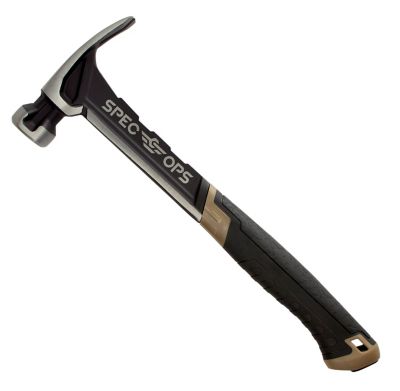
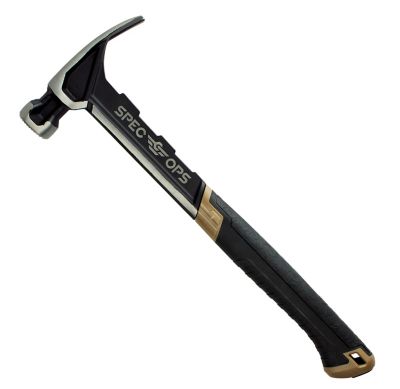
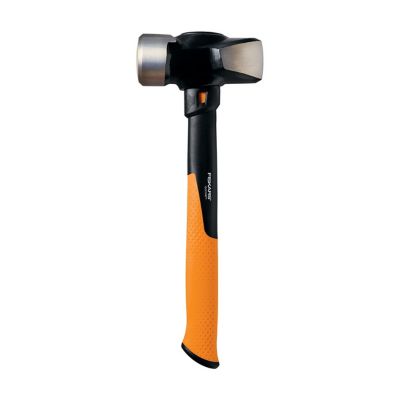
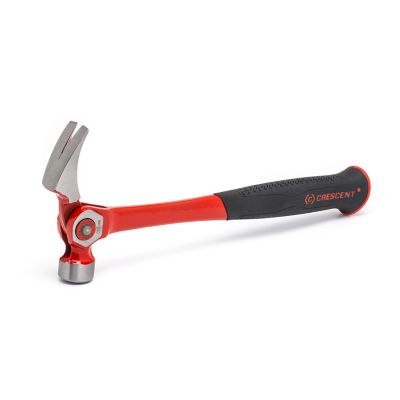
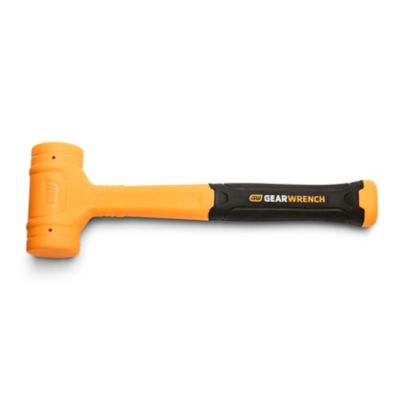
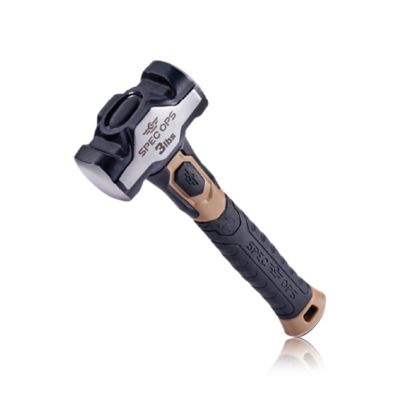
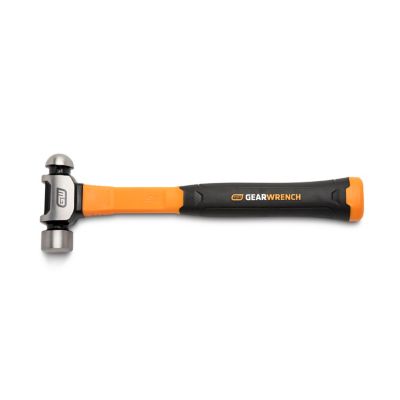
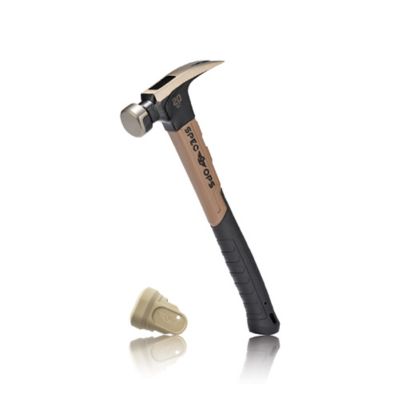
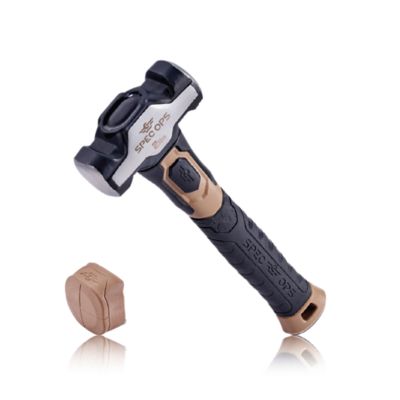
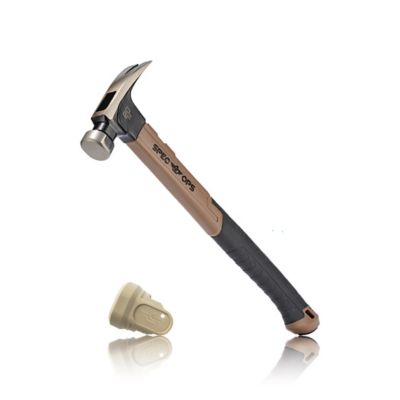
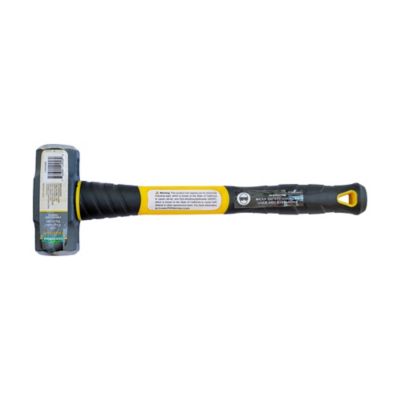
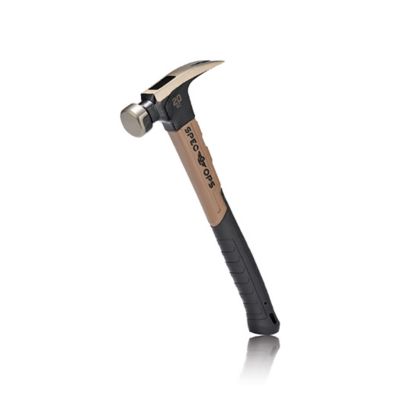
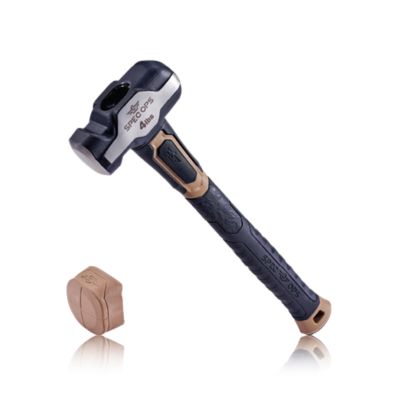
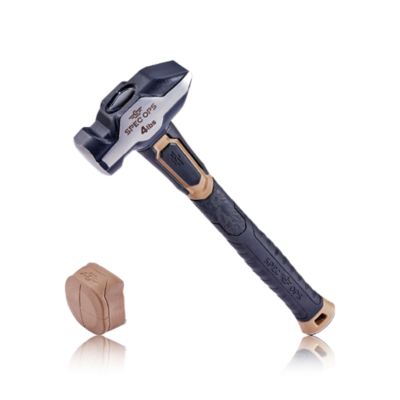
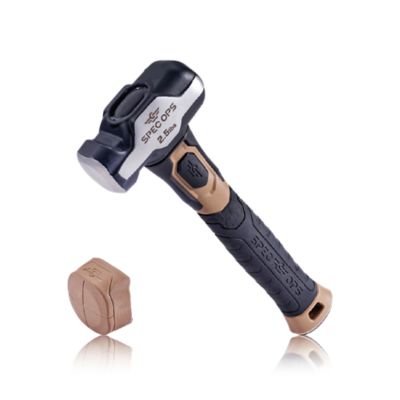
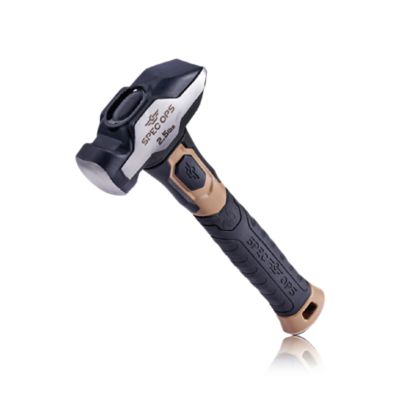
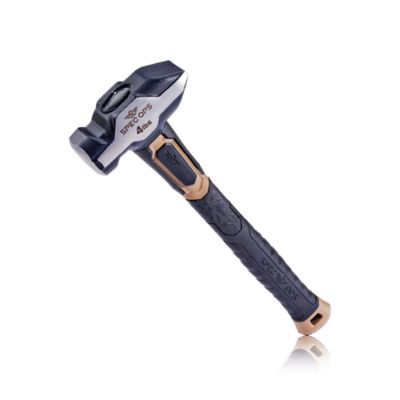
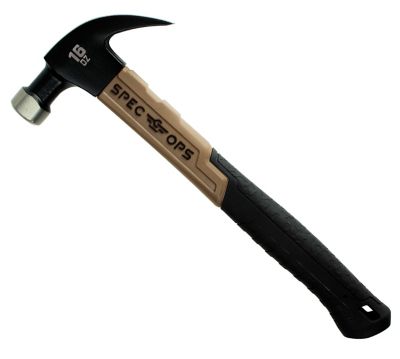
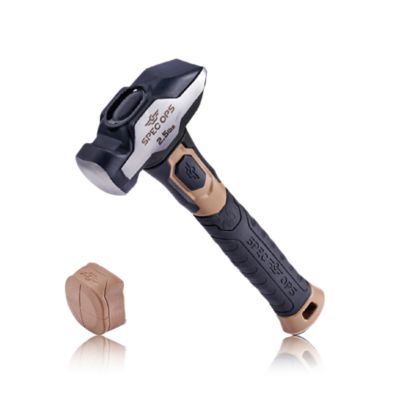
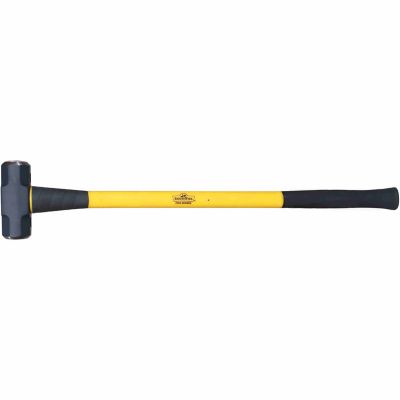
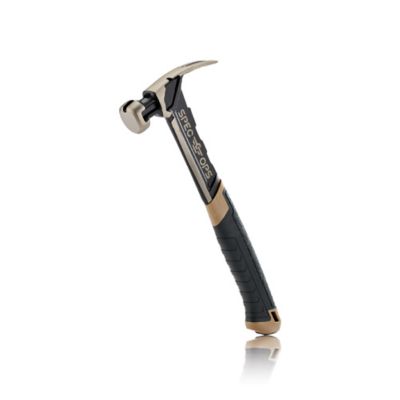
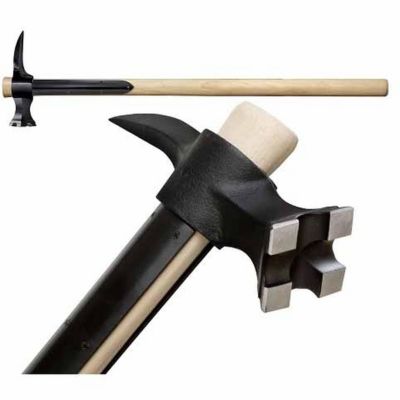
Hammer tools are hand tools with a weighted head and a handle, built for driving nails, pulling fasteners, shaping metal, breaking material, and delivering controlled blows. The right hammer depends on what needs striking and how much force the job calls for. A claw hammer handles familiar chores around the house, barn, and workshop, from fastening a loose board to pulling nails from a piece of lumber. Its flat striking face drives nails, while the split claw provides leverage for removal. Curved claws suit general repairs and nail pulling; straighter ripping claws fit framing and pulling boards apart. Framing hammers generally carry more head weight and a longer handle than lighter finish hammers, giving them more striking force for larger nails and rough construction. Ball-peen hammers serve a different purpose, pairing a flat face with a rounded peen for shaping metal, forming rivet heads, and other bench work. A drilling hammer has a compact, heavy head suited to controlled blows on compatible chisels and punches, while a long-handled sledgehammer brings greater reach and force to demanding demolition work. Mallets round out the group with rubber, wood, plastic, or other softer striking surfaces. These heads spread the blow and can help reduce surface damage when fitting wooden parts or seating materials that call for a gentler touch. No mallet is right for every surface, though, and even softer heads can leave marks on some finishes. Dead-blow hammers contain a moving fill that helps limit rebound, making them useful for controlled positioning and assembly. For someone working between a fence line, equipment shed, and workbench, these differences matter more than choosing the biggest head. A hammer that drives framing nails well may be awkward for a small trim nail, and a mallet meant for assembly does not take the place of a demolition hammer.
Head material, handle construction, and balance all affect how a hammer feels through a full stretch of work. Steel heads are common on nail-driving and metalworking hammers because they stand up to repeated impacts, while softer striking faces serve applications where protecting the work surface matters more than concentrating force. Forged steel construction is common, but the head’s shape, heat treatment, and intended application also matter. A smooth face is a practical choice around visible wood because it is less likely than a textured face to leave a patterned impression after a missed strike. A milled or textured face can help keep contact with a nail head during framing, although it can mark surrounding lumber. Handle options bring their own tradeoffs. Hickory offers a familiar feel and helps absorb vibration, but wood needs attention to cracks, splinters, and a loose head. Fiberglass handles resist moisture and often include a cushioned grip, though they still need inspection for damage. Steel handles provide strength, and some one-piece designs eliminate the separate head-to-handle joint; grip construction helps determine how much impact reaches the hand. Head weight deserves a close look, too. A heavier hammer can deliver a stronger blow, but it takes more effort to start, stop, and control. A lighter hammer may feel better for smaller fasteners, overhead work, or repeated repairs where placement matters more than force. Handle length changes leverage and reach, with shorter handles fitting tighter spaces and longer handles requiring more room to swing. Fit comes down to a grip that feels secure without forcing an awkward wrist position, including when work gloves are part of the job. Good balance makes the head easier to place where it belongs. For work inside a cabinet or beside a barn latch, clearance can matter just as much as striking power.
A useful hammer earns its place by matching the work that comes up most often. Homeowners may need a general-purpose claw hammer for loose trim, simple repairs, and pulling old nails, while carpenters may keep separate hammers for framing and finish work. Farm and ranch chores can call for a broader mix: fastening a replacement gate board, tapping a wooden joint into place, or tackling repairs at the shop bench each demands a different kind of blow. Mechanics and metalworkers often need controlled impact rather than a wide swing, making head shape and access especially important. Hammers also work alongside
Power Tools in a well-rounded workshop, handling nail removal, small adjustments, and fitting tasks between drilling and cutting operations. For gift giving, a hammer makes the most sense when its size and purpose match the recipient’s work, whether that is a first home, a growing carpentry interest, or regular upkeep around the acreage. Storage and care help keep these tools ready for the next job. A dry spot in a toolbox or on a tool rack keeps striking faces away from unnecessary moisture, and wiping away dirt makes cracks, chips, and loose parts easier to spot. Wood handles benefit from an appropriate wood treatment according to the manufacturer’s directions, while grips and fiberglass surfaces need cleaning methods suited to their materials. A loose head, split handle, or chipped striking face calls for taking the tool out of service until it can be properly repaired or replaced. Eye protection matters during striking work because fasteners, workpieces, and tool faces can shed fragments. Matching the hammer to the material, keeping a clear swing path, and following the tool manufacturer’s intended applications all support better control. The goal is a hammer that feels manageable in the hand and suits the work waiting at the bench, around the house, or out by the barn.