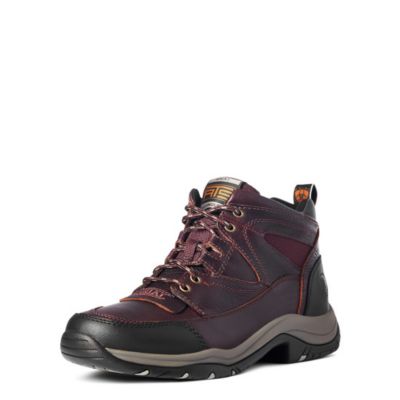
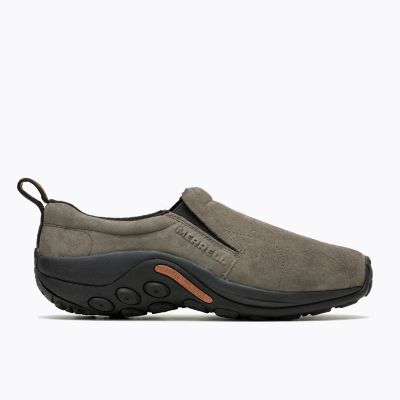
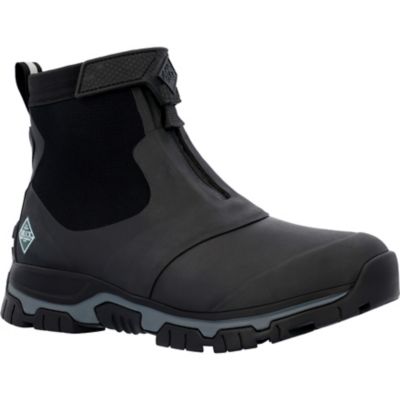
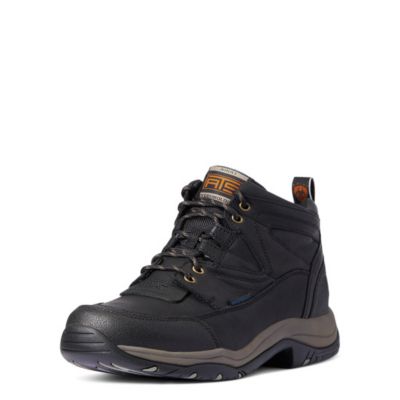
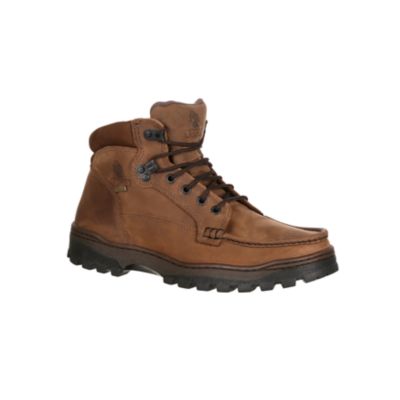
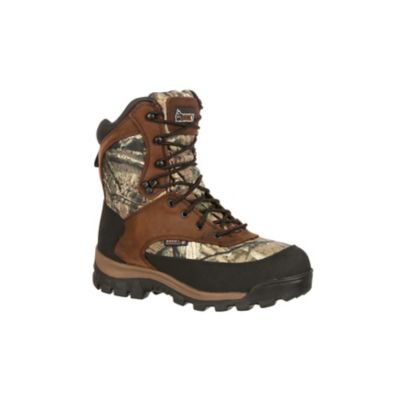
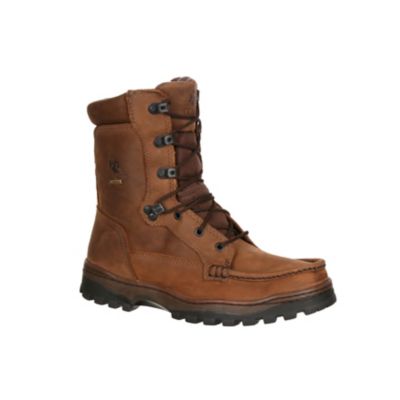
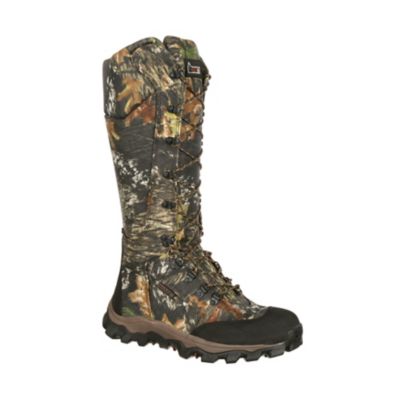
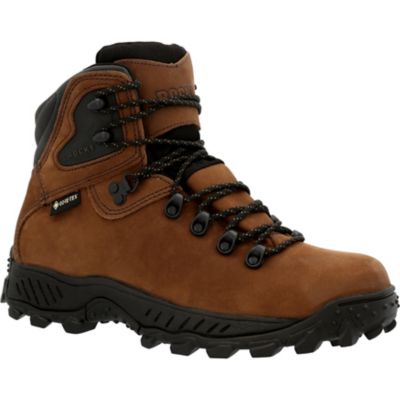
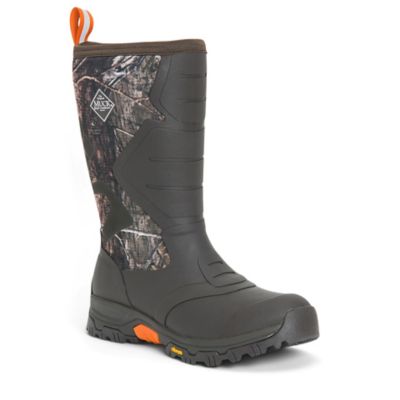
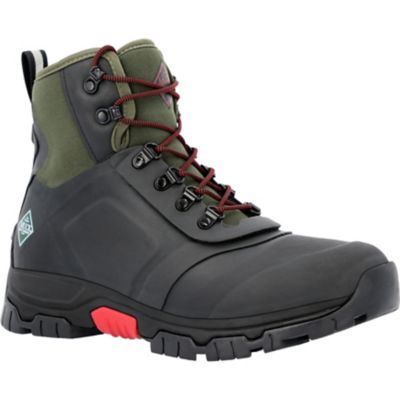
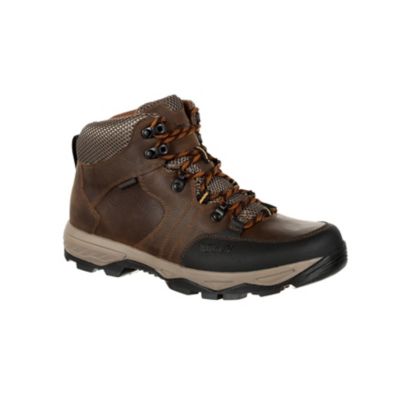
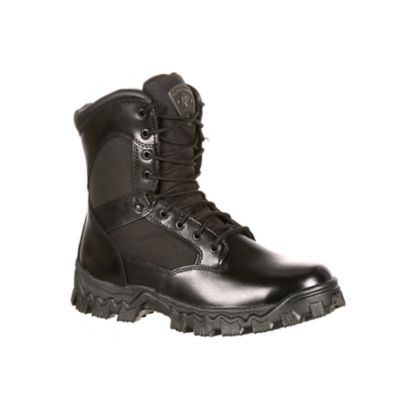
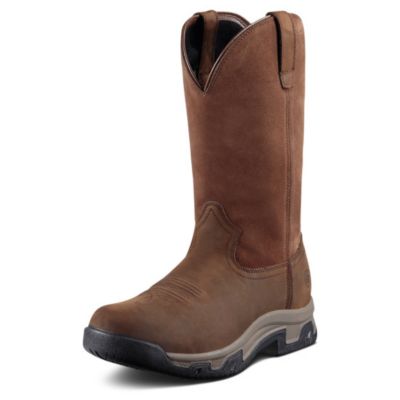
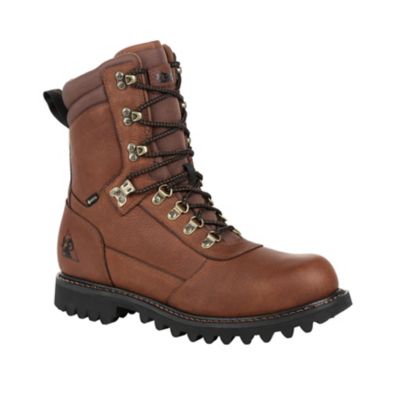
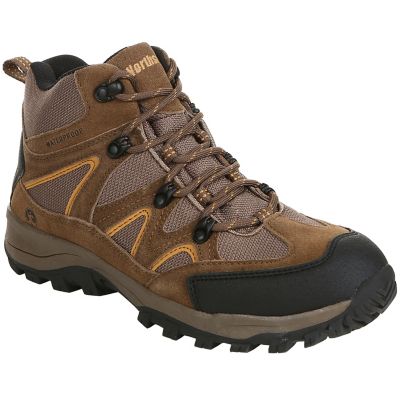
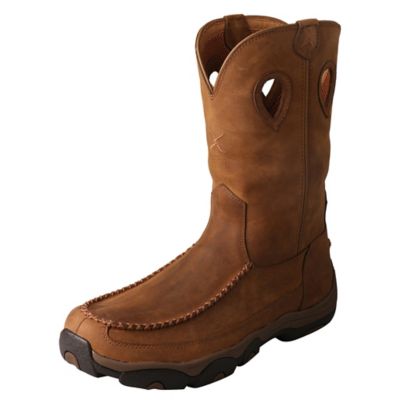
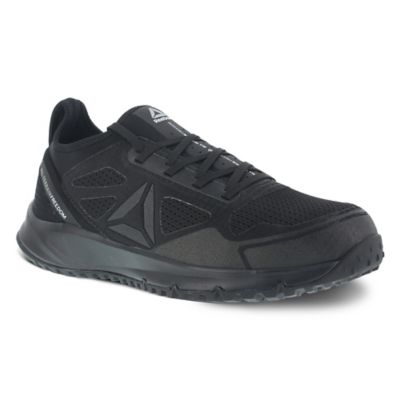
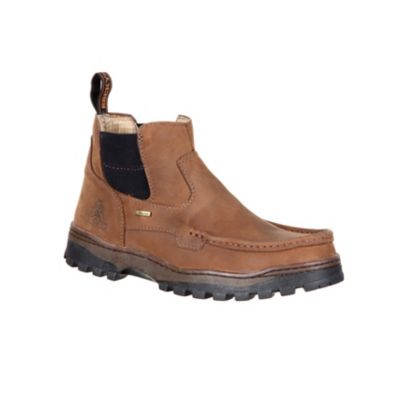
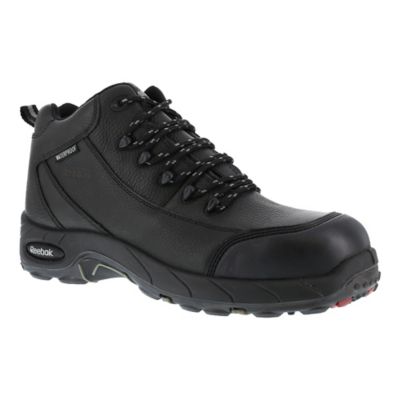
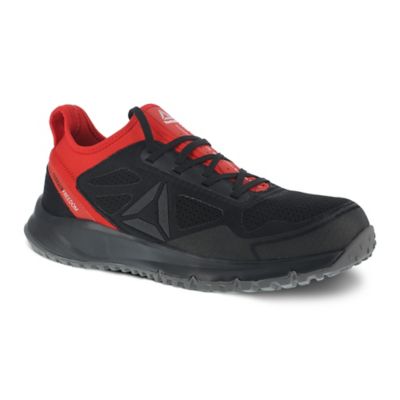
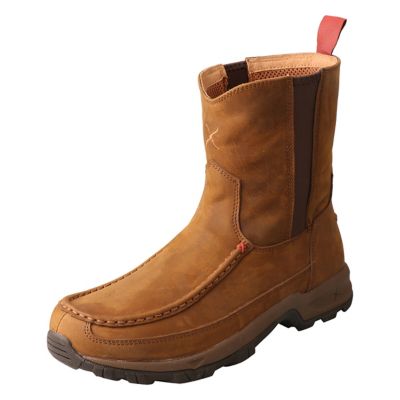
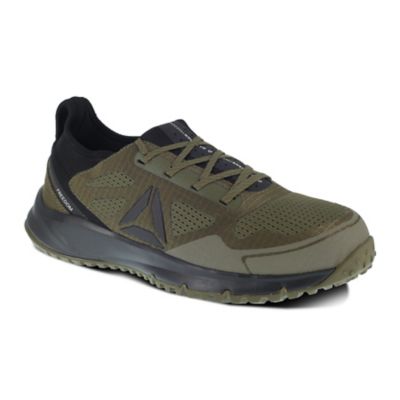
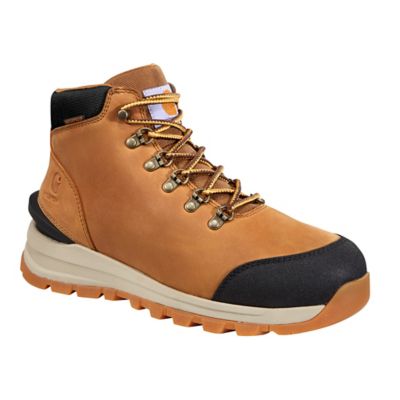
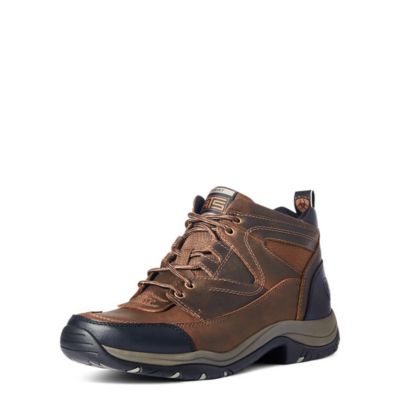
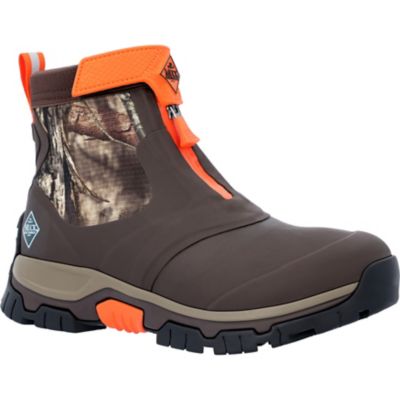
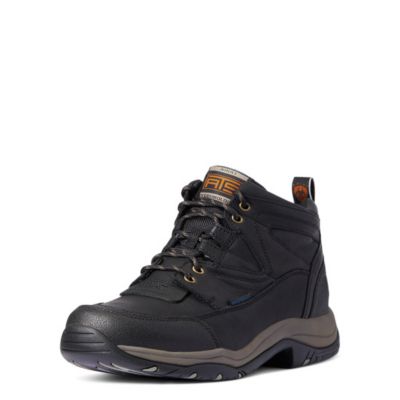
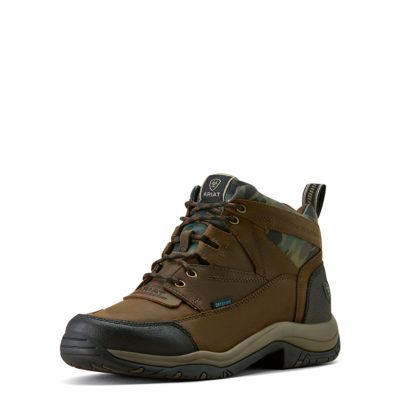
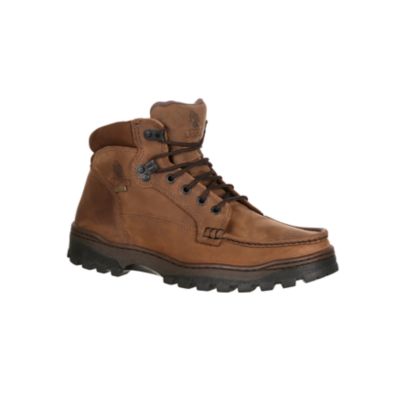
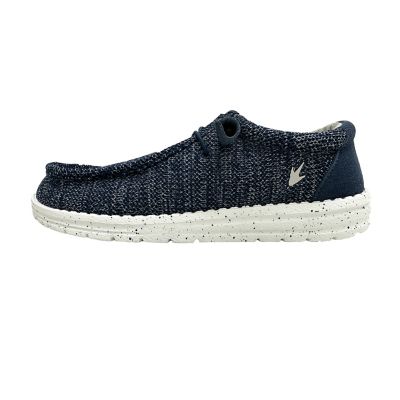
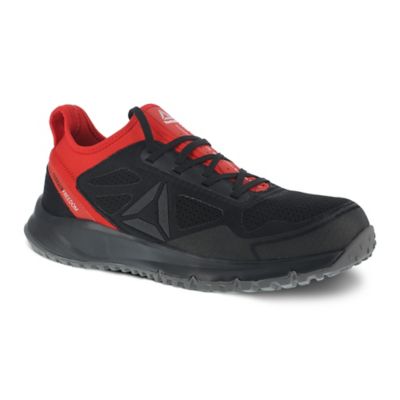
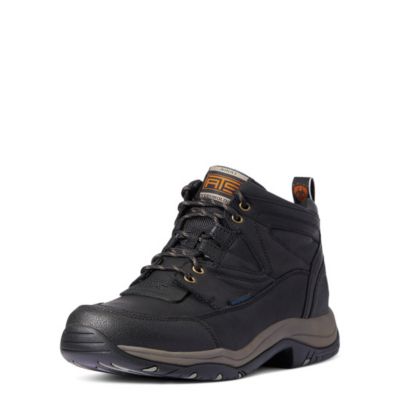
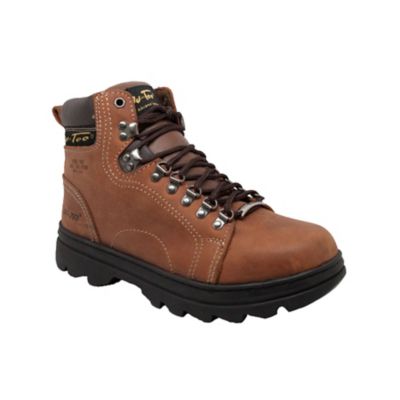
Men’s trail running boots are built for runners who spend more time on dirt, gravel, roots and rock than on pavement. They combine the lighter feel and flexible stride of a running shoe with the added traction, protection and stability needed for uneven ground. The right pair can help you move comfortably along wooded paths, pasture trails, creek crossings and steep, technical routes where ordinary road shoes may slip or wear down quickly. Look closely at the outsole first. Deep, well-spaced lugs can bite into loose soil and mud, while sticky rubber helps hold to wet rock and slick roots. A more aggressive tread is useful for rugged, hilly trails, but a moderately lugged sole may feel smoother and quieter if your route includes pavement, gravel roads or packed paths. Cushioning is another important part of the fit. Heavier cushioning can take the sting out of long descents and hard-packed ground, while a firmer midsole may give you a steadier feel when carrying a daypack or moving across uneven terrain. Some trail running boots include a rock plate or similar protective layer underfoot to help guard against sharp stones without making the boot feel stiff. A supportive heel counter, secure lacing system and stable platform can also make a difference when the trail angles sideways or your footing changes without warning. Comfort still starts with fit: leave a little room in front of the toes for downhill movement, make sure the heel stays planted without rubbing, and try boots with the socks you expect to wear. A roomy toe box may be especially welcome on longer runs, while runners with narrow feet may prefer a closer, more locked-in shape. Keep in mind that trail running boots should feel secure but not cramped. Feet often swell over the course of a run, and a boot that feels fine for a quick test around the house can feel tight after several miles. Breaking them in on short walks, gravel lanes or easy trail loops gives your feet time to adjust before you tackle a steep route.
Weather and terrain should guide the rest of your decision. Waterproof trail running boots can be a smart choice for damp grass, muddy paths, shallow puddles and cooler conditions, especially when you would rather keep your socks dry during a long outing. Waterproof materials may feel warmer and can breathe less than non-waterproof mesh, so a lightweight, breathable pair may be more comfortable for dry runs or high-output workouts. Water-resistant uppers can help with dew and light showers, while a waterproof membrane offers more protection when wet ground is part of the route. Even with waterproof construction, check the boot’s gusseted tongue, seams and collar, since water can still enter from the top if a trail crosses deeper puddles or flowing water. During the cooler months, traction becomes even more valuable as leaves cover roots, frost stiffens the ground and rain turns clay into a slick mess. Wear moisture-wicking socks, clear mud from the tread after each run and let boots dry naturally away from direct heat to help preserve the materials. Men’s trail running boots can suit a wide range of users, from experienced ultrarunners and weekend hikers to hunters, landowners and anyone who likes to cover back roads and wooded property on foot. They also make a practical gift for a runner preparing for a trail race, a dad who spends weekends exploring public land or a friend who has traded the treadmill for local paths. If you are shopping for someone else, pay attention to their usual terrain, preferred level of cushioning and need for waterproof protection, and consider a gift receipt when sizing is uncertain. Runners who split time between trails and casual outdoor chores may also appreciate comparing these rugged styles with
Men's Summer Hiking Boots for warmer-weather walks and lighter hikes. For buyers comparing prices, performance-focused trail footwear often costs more than basic walking shoes because of features such as heavy cushioning, protective plates, waterproof membranes, durable uppers and high-traction rubber outsoles. Spending more can make sense when you run often or cover rough ground, but the most expensive option is not automatically the best match. Focus on the combination of fit, traction, protection and weather coverage that suits your real routes. A good pair should feel dependable when the trail narrows, the grade drops and the ground underfoot gets unpredictable—comfortable enough for steady miles, tough enough for everyday outdoor use and ready for the changing conditions that come with fall and winter trail time.