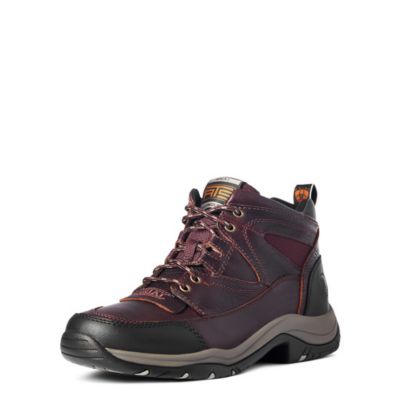
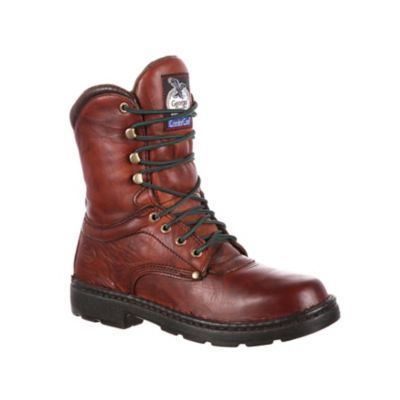
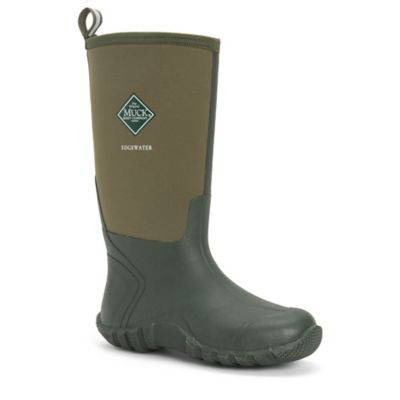
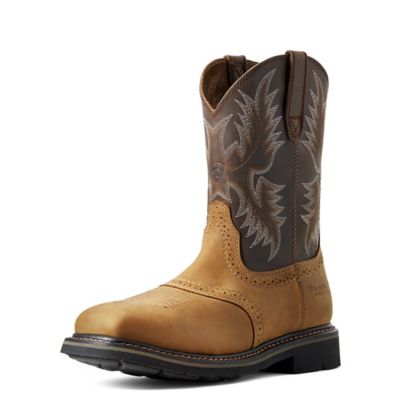
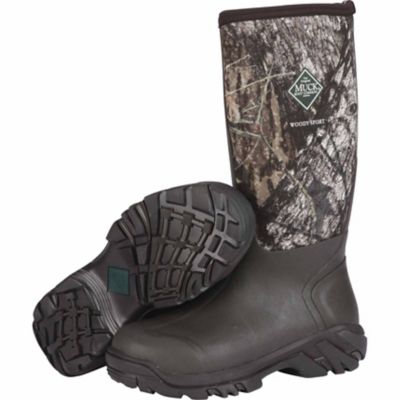
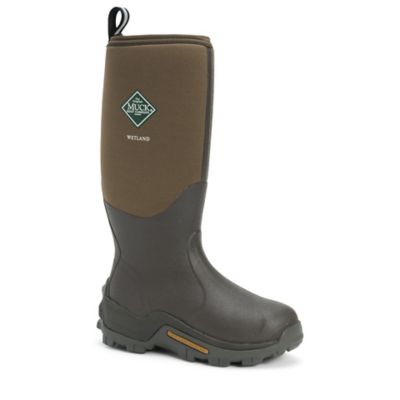
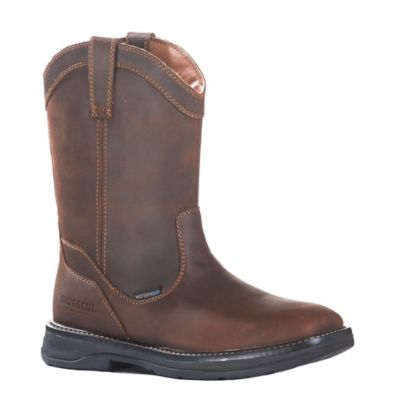
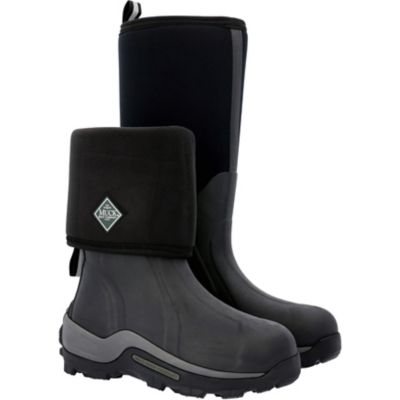
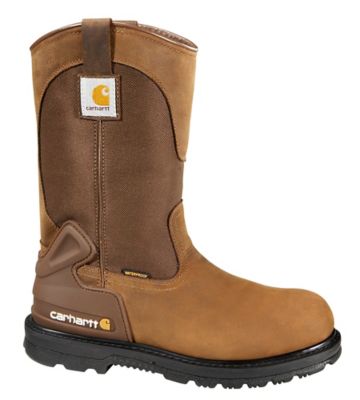
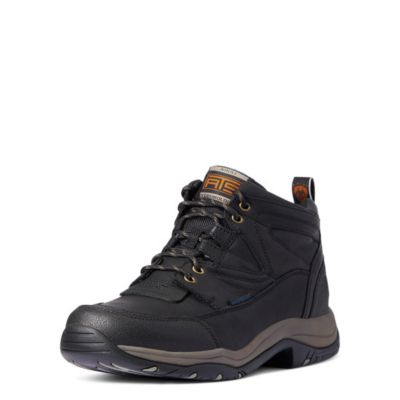
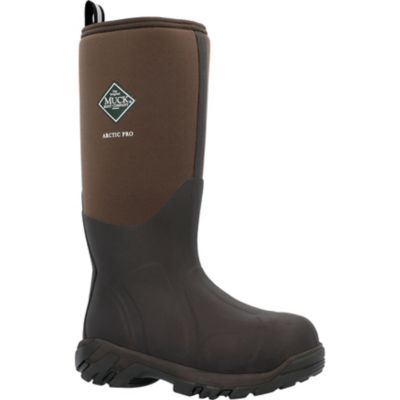
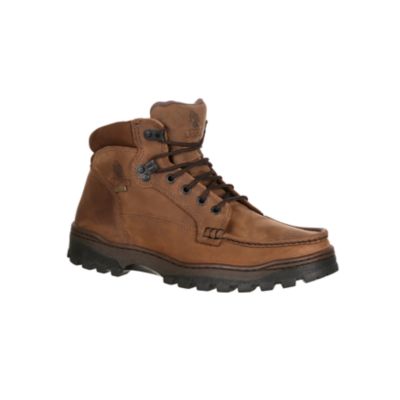
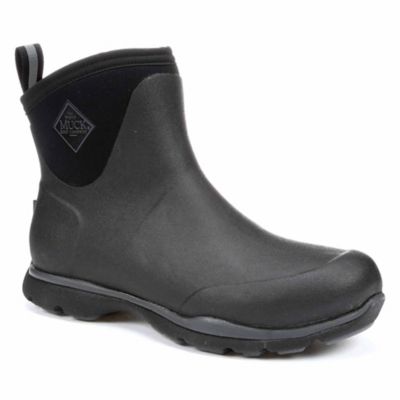
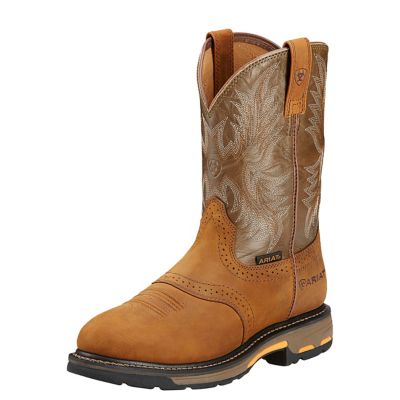
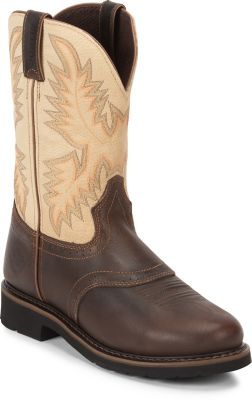
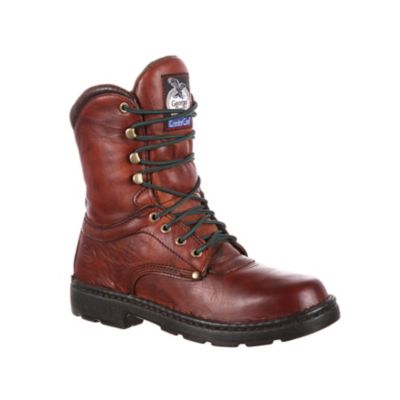
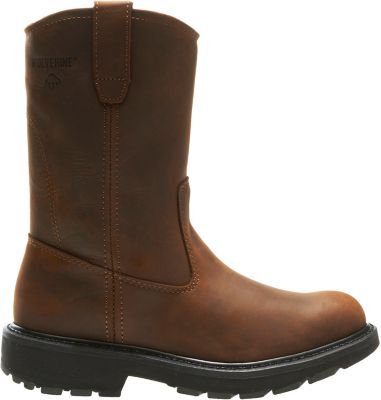
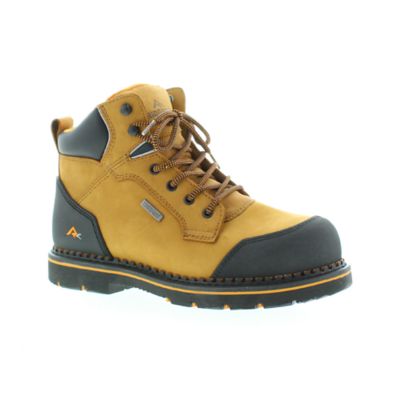
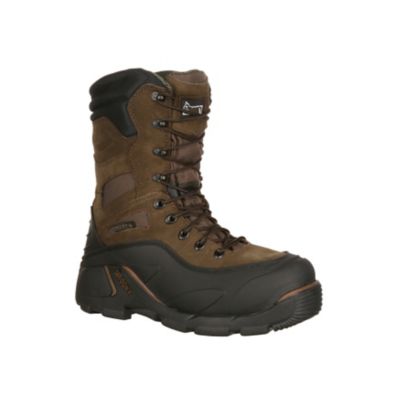
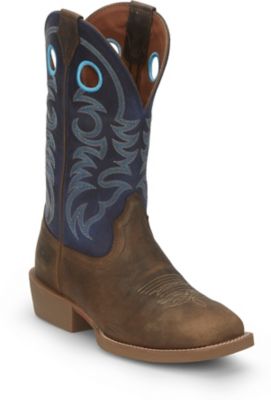
Men's outdoor boots belong beside the back door, ready for the walk to the barn, a stretch of fence work or a long day covering ground. The right pair connects the job underfoot with the way you like to move, whether that means crossing a gravel lot, stepping over roots or spending hours around the property. For ranchers, landowners, outdoor workers and folks who would rather take the path beyond the pavement, construction makes a real difference. Leather uppers offer structure and abrasion resistance, with full-grain leather retaining its natural surface and often taking on a more broken-in feel over time. Suede and nubuck have a softer, textured finish that calls for different care than smooth leather. Textile panels can reduce weight and help air move through the upper, while rubber boots make sense for chores around wash racks, stock tanks and muddy livestock pens. Lace-up styles allow adjustment through the instep and ankle; pull-on boots keep getting out the door simple, with fewer fastenings to fuss with. Shaft height also changes the feel. A taller shaft adds coverage against brush and loose debris, while a shorter boot leaves more room to move at the ankle. Underneath, the tread should suit the ground. Deeper, spaced-out lugs can help shed loose dirt, while a less aggressive pattern may feel more natural when the day moves between a packed path and a concrete shop floor. A tall lug is not automatically better for every task, and no tread eliminates the need for careful footing. Boot weight matters over distance, too. A substantial build can feel reassuring during demanding chores, but a lighter construction may be easier to live with on a long walk. That balance between coverage, flexibility and support is what separates a boot that simply looks the part from one that suits the day's work. Even small details, such as a gusseted tongue that helps block grit or a reinforced toe area that takes repeated scuffs, can matter after several trips across the same rough ground.
A good fit gives men's outdoor boots room to work without letting the foot slide around inside. Toes need space to spread and flex, especially when walking downhill or crouching beside a gate latch, while the heel and midfoot need enough hold to keep each step settled. The widest part of the foot should sit comfortably in the widest part of the boot, without pressure along the sides. Trying boots with the socks you normally wear gives a better sense of that fit than thin everyday socks when thicker work socks are your usual choice. The same goes for an orthotic: it takes up space and can change how the heel sits, so the boot and insert need to work together. Feet can also become fuller after hours of standing, which makes a later-in-the-day fit check helpful. Leather may soften with wear, but break-in should not mean putting up with pinched toes, numbness or sharp rubbing. Lace-up construction offers more control over tension, including the option to leave the forefoot a little easier while holding the ankle snug. Pull-on construction depends more heavily on the shape of the instep and heel, and a small amount of initial heel movement can differ from the loose, sliding fit of a boot that is too large. Inside the boot, cushioning helps soften repeated contact with firm ground, while a supportive footbed and shank can help the sole feel more stable over uneven surfaces. More cushioning is not always the answer; a boot that folds too easily may feel tiring during certain chores. For work around equipment or falling objects, safety-toe protection and other protective features should match the hazards and the requirements of the workplace. Steel, composite and other toe constructions differ in feel and weight, so the protection marking matters more than appearance alone. Outsole traction, electrical-hazard ratings and puncture-resistant construction are separate features, not benefits to assume from the words “work boot.” Matching those details to the actual task keeps the focus on useful protection rather than looks.
Keeping outdoor boots in working shape is mostly about paying attention to the material and giving them a little time between outings. Dirt packed into seams and tread can hide wear, so brushing away dry soil makes it easier to spot loose stitching, a worn heel edge or separation around the sole. Mud generally comes away more easily with a soft brush and a damp cloth than with hard scraping that can damage the upper. Smooth leather benefits from a cleaner and conditioner suited to its finish, while suede and nubuck call for products intended for their textured surfaces. Rubber and textile boots have their own care needs, making the manufacturer's directions worth keeping handy. Soaking leather, putting boots beside a heater or drying them with strong direct heat can be hard on both the upper and the bonds holding the boot together. Removing the insoles when permitted and letting the interior air out helps moisture escape after a full day on your feet. Waterproof construction also deserves a closer look: a waterproof membrane, sealed seams and the height of the opening all affect where water can enter, and a surface treatment alone does not turn every boot into a waterproof pair. Regular attention to laces, eyelets and tread depth can keep small problems from becoming an interruption halfway through chores. Boots have their place for demanding ground and added coverage, but a less structured option can make more sense for a relaxed walk or a trip into town.
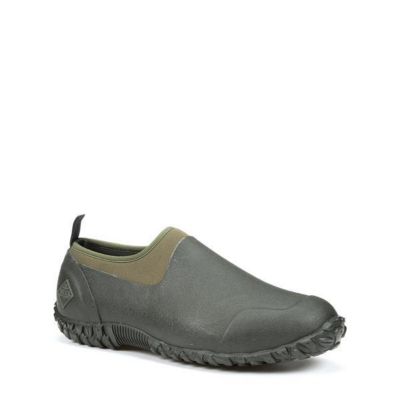
Men's Casual Outdoor Shoes offer another direction when the day calls for less boot. As a gift for a husband, dad, son or friend, outdoor boots are most thoughtful when they reflect the recipient's usual work, preferred fastening and familiar fit. The pair that gets reached for again and again is usually the one that feels right from the porch steps to the far gate.