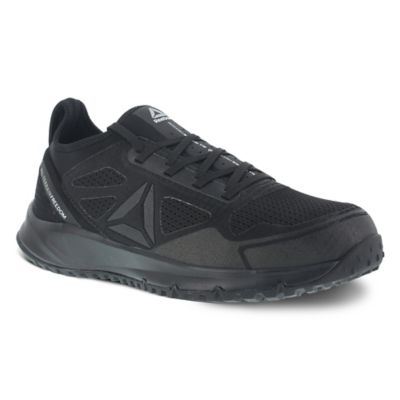
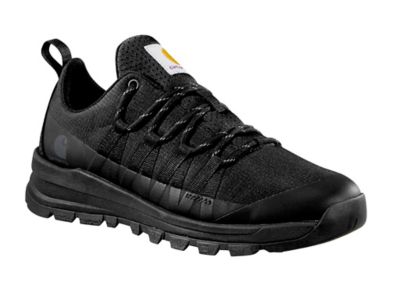
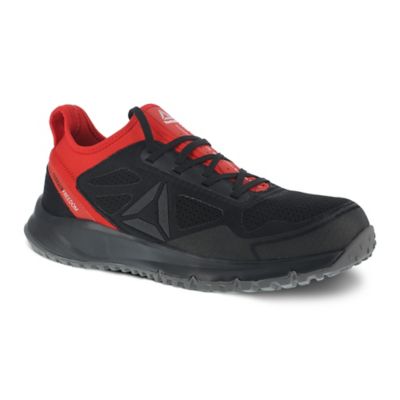
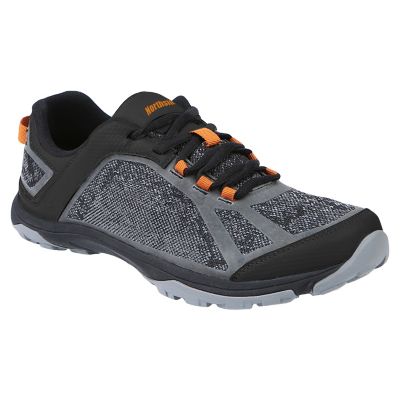
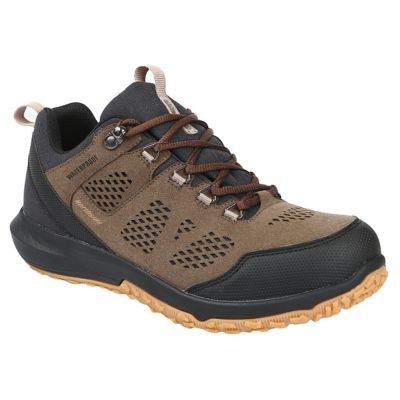
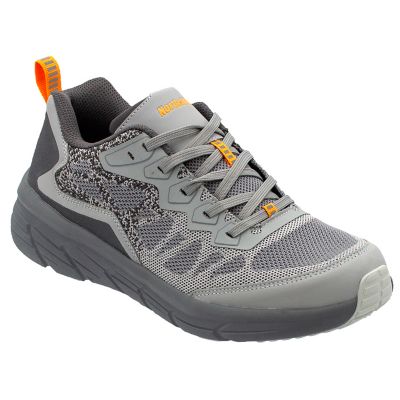
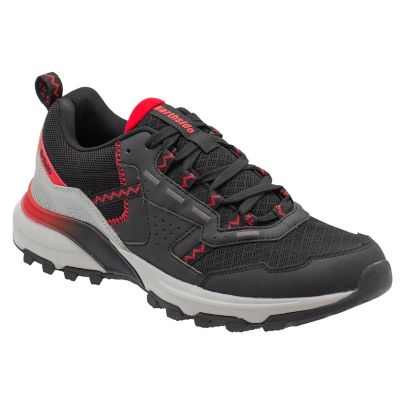
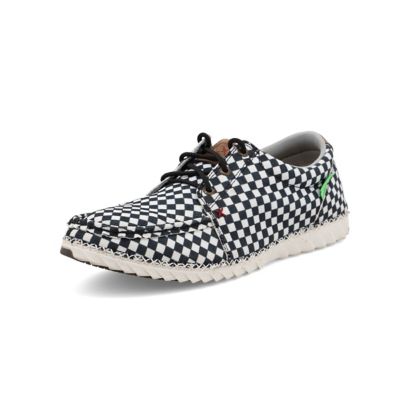
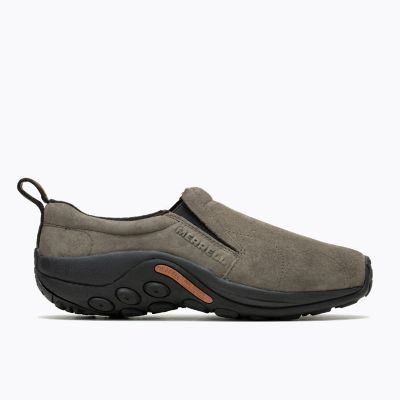
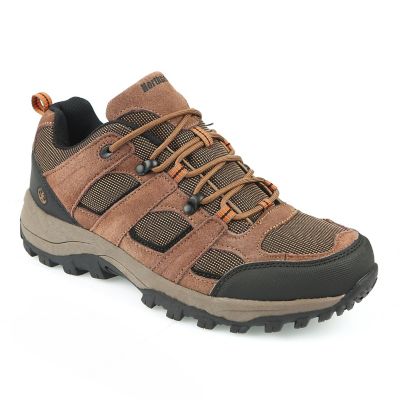
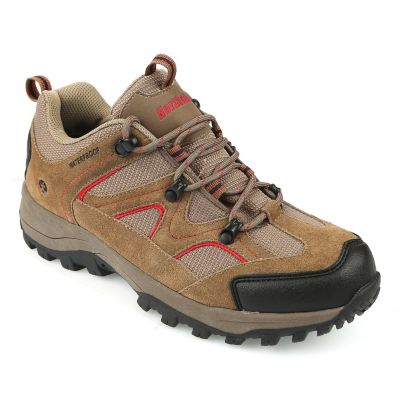
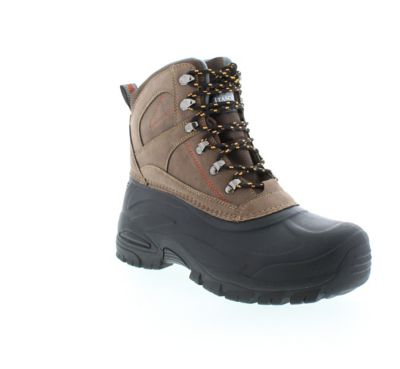
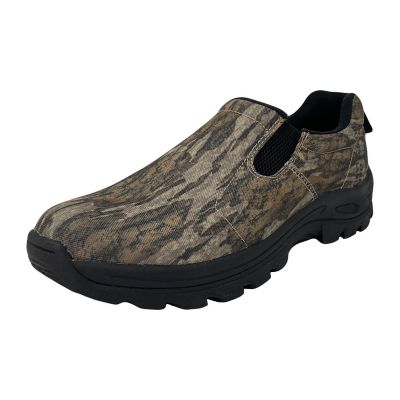
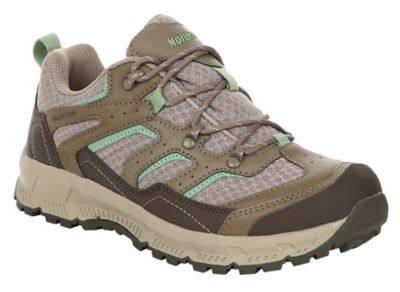
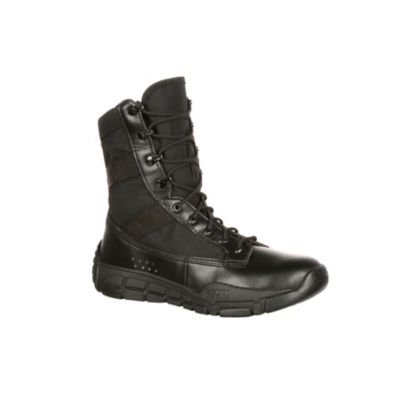
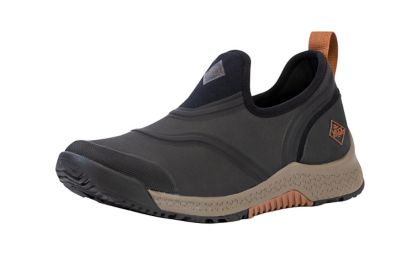
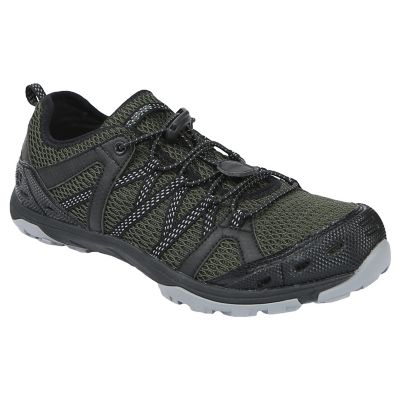
Men’s black trail running shoes are built for more than a jog around the neighborhood. They are made for packed dirt, gravel paths, wooded trails, grassy fields and uneven ground where a standard road shoe may feel out of its element. The black color has a practical side, too. It pairs easily with running shorts, work pants or everyday outdoor clothing, and it does a good job of hiding dust and trail grime between cleanings. When choosing a pair, start with the kind of ground under your feet. Hard-packed dirt and maintained paths usually call for flexible shoes with moderate tread and comfortable cushioning, while loose gravel, roots, rocks and steep hills are better matched with a sturdier outsole and deeper lugs. Lug patterns help the shoe grip the ground, but the best tread depends on your route. Closely spaced lugs can roll smoothly over firm surfaces, while wider, more aggressive lugs help shed mud and bite into soft soil. A trail shoe should feel secure without being stiff or clumsy, with enough protection underfoot to take the sting out of sharp stones and rough patches. If you often run near creeks, through wet grass or during damp, cooler weather, look for water-resistant or waterproof construction. Waterproof materials can help keep feet dry, though they may feel warmer, so breathable uppers can be a better fit for dry trails or longer efforts. For changing conditions, a quick-drying mesh upper may be more comfortable than a sealed design. Think about the full route rather than just the first mile; a smooth, dry path at the trailhead can turn slick after shade, rain or a stretch of fallen leaves.
Fit matters just as much as tread. Try men’s black trail running shoes with the socks you expect to wear on the trail, and leave a little room in front of the toes so they do not press against the shoe on downhill sections. Your heel should stay planted when you walk, climb and change direction, while the middle of the foot should feel held without pinching. Feet can swell over a long run, and thick socks can change the fit, so a shoe that feels snug in the store may become uncomfortable after several miles. Walk around on a hard floor and, if possible, test a few steps on an incline. Pay attention to rubbing at the heel, pressure across the instep and any slipping near the ankle. A padded collar and tongue can add comfort, while a firm toe cap helps protect against roots and rocks. Cushioning is another personal choice. Softer foam can feel easy on the joints during long outings, but a firmer, more responsive platform may provide better control on uneven ground. Runners who split time between pavement and trails may prefer a versatile outsole that does not feel too knobby on sidewalks. Dedicated trail runners may want more underfoot protection, a stronger upper and a tread designed for mud or technical terrain. Black trail running shoes can also make a thoughtful gift for a man who enjoys weekend runs, hunting-camp roads, dog walks, obstacle events or quick hikes after work. They are especially useful for someone building a simple outdoor kit, since one dependable pair can cover everything from a morning on a wooded path to chores around a damp field. If the gift is for a serious runner, check his usual shoe size and learn whether he prefers a wide toe box, extra cushioning or a low-profile feel before choosing.
Trail shoes need a little care to stay comfortable through the cooler months. Brush off dried dirt after a run, remove loose pebbles from the tread and let the shoes air out away from direct heat. A boot dryer or strong heater can damage adhesives and make some materials stiff, so natural airflow is the safer choice. If the shoes get soaked, loosen the laces, pull out the insoles and stuff the toes with newspaper or a clean towel to help draw out moisture. Replace worn shoes when the tread looks smooth, the midsole feels flat or the upper no longer holds your foot securely. Good traction is easy to take for granted until a downhill turn becomes slick with wet leaves or loose gravel. Before heading out, match the shoe to the weather and route, and consider traction, visibility and a comfortable pair of moisture-wicking socks as part of the setup. A black trail runner can move easily from dirt paths to daily errands, but it should still be chosen for the way it feels underfoot. For outings that lean more toward hiking, heavier packs or slower miles over rocky ground, compare these shoes with
Men's Black Hiking Shoes. Whether the goal is a steady run through pine woods, a brisk walk along a farm lane or a reliable pair for outdoor weekends, the right combination of fit, cushioning, traction and weather protection helps every step feel more sure.