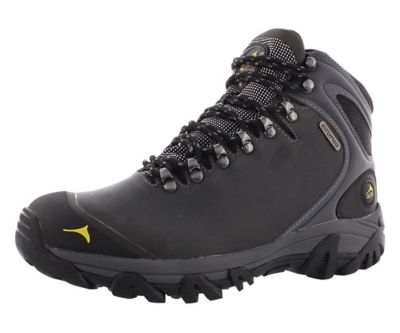
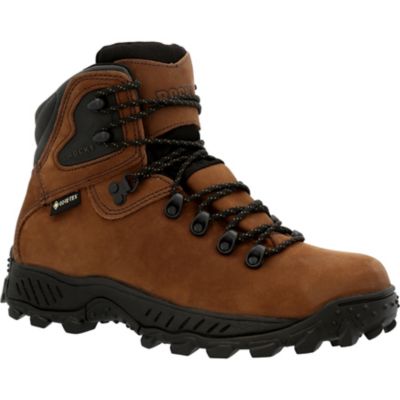
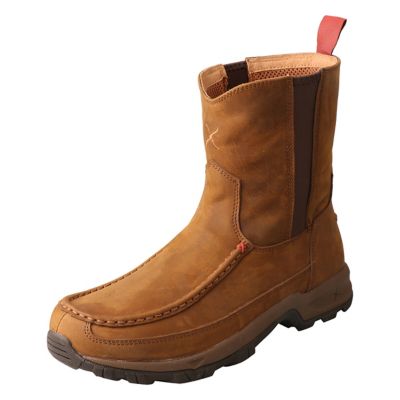
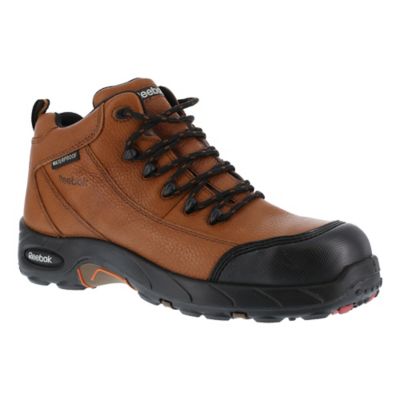
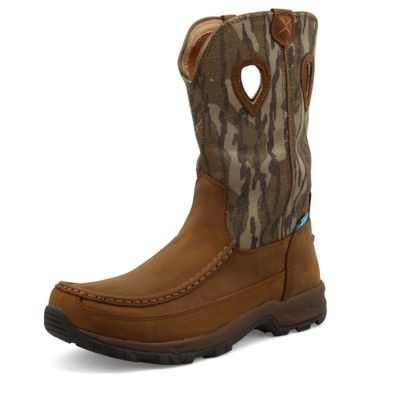
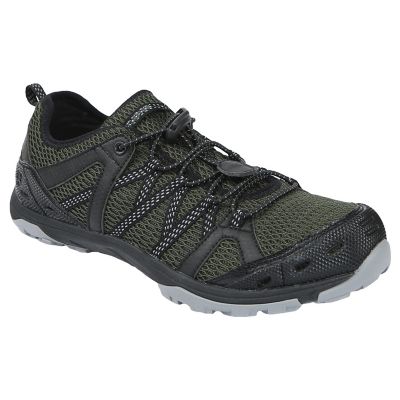
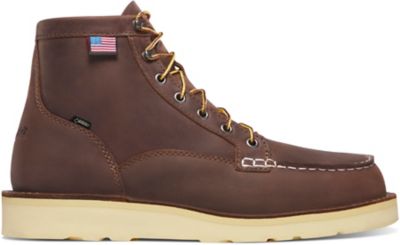
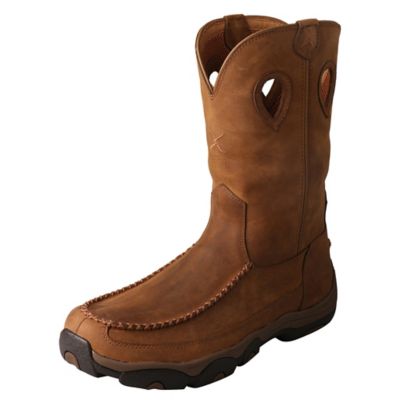
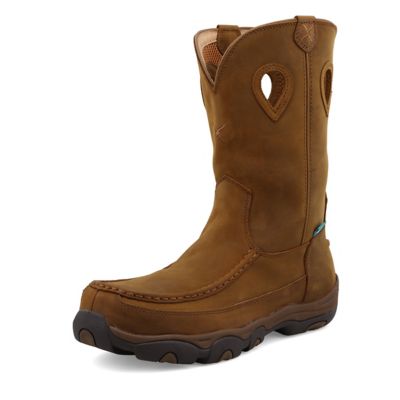
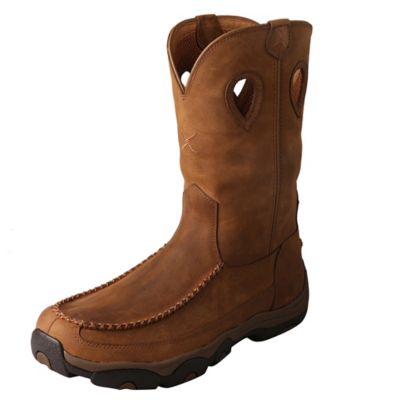
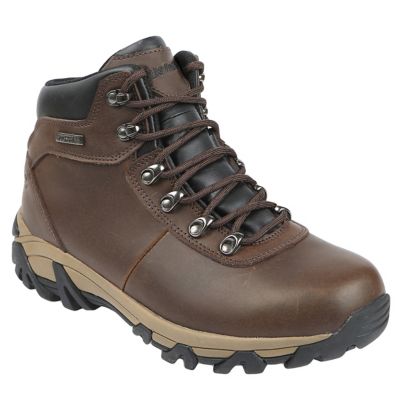
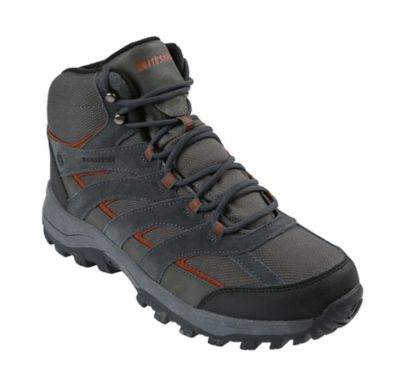
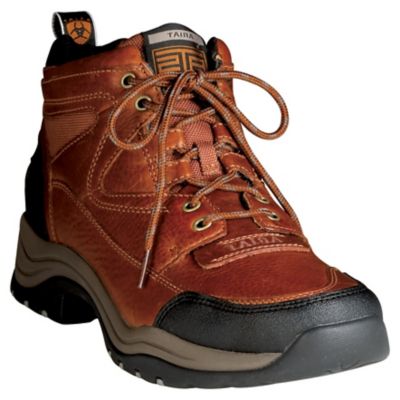
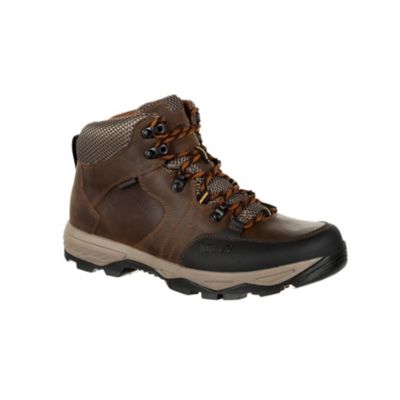
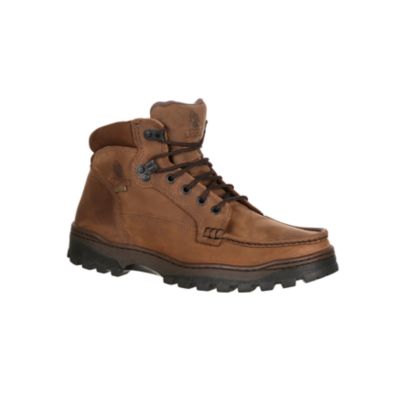
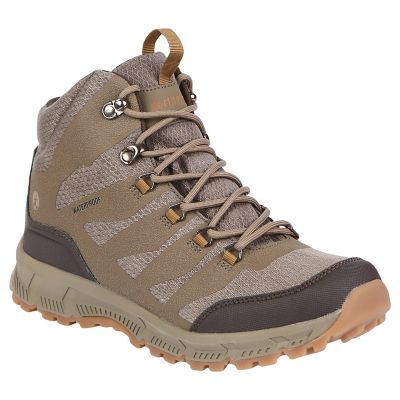
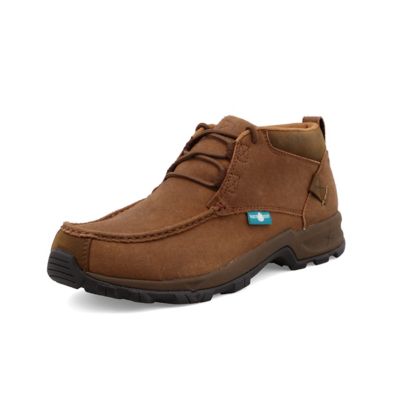
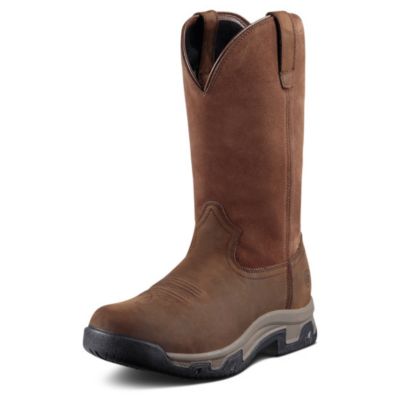
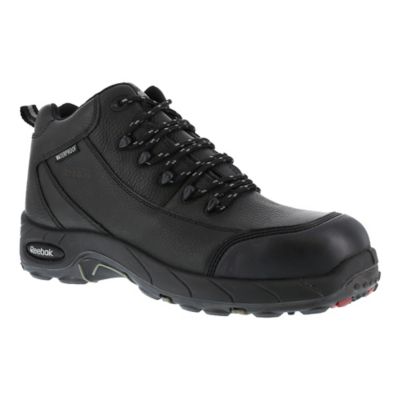
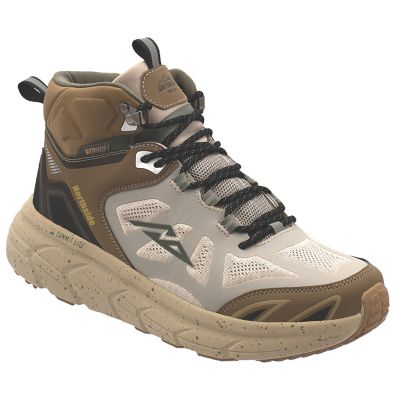
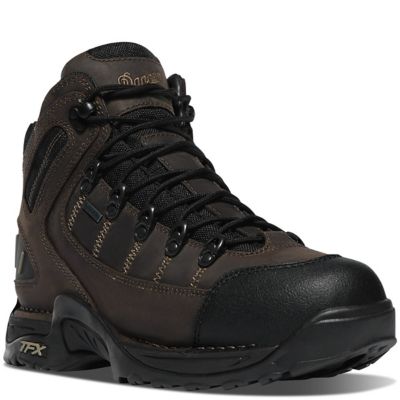
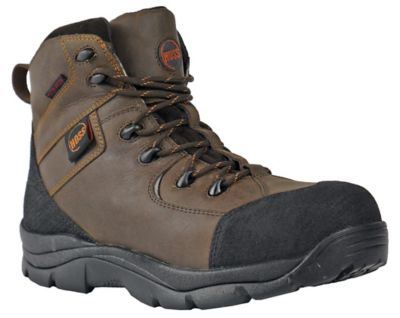
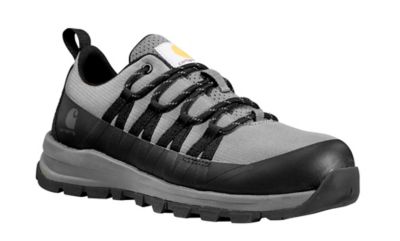
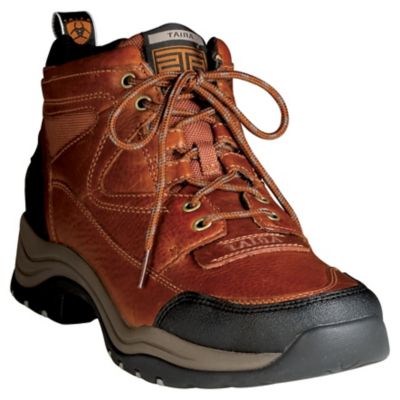
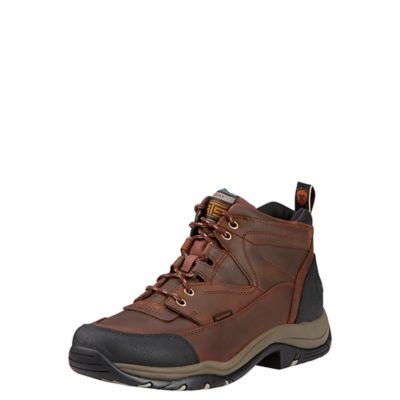
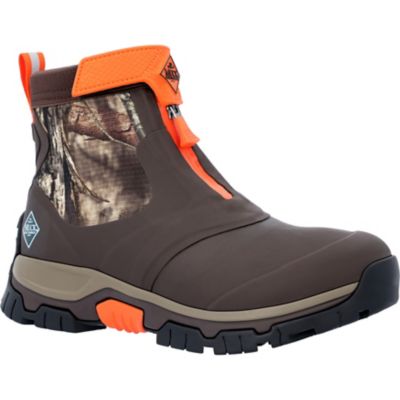
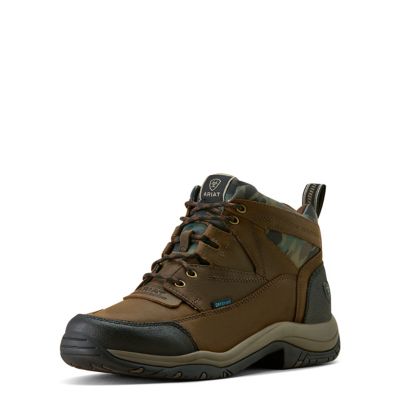
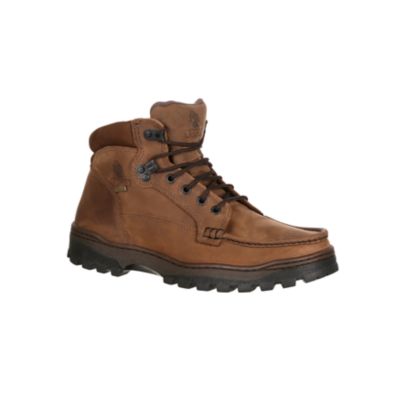
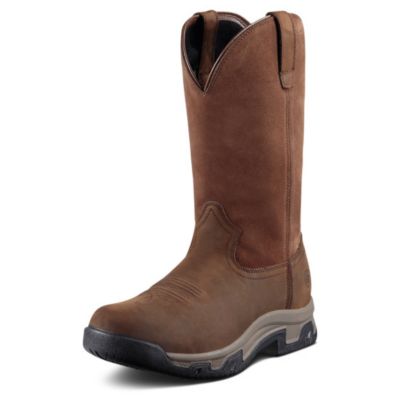
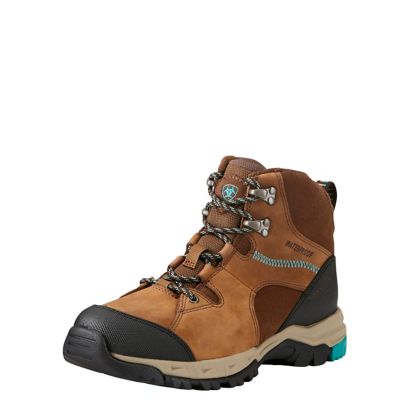
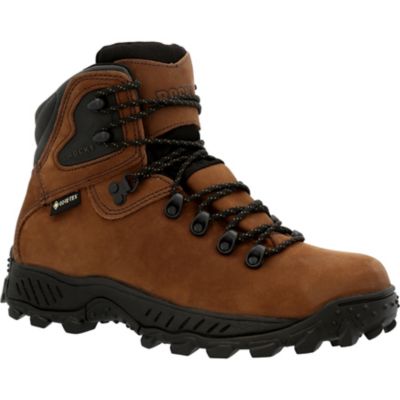
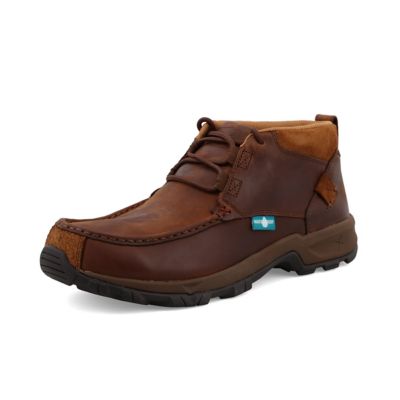
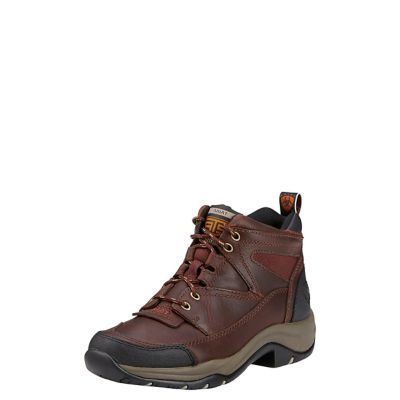
Men's summer hiking boots bring together breathable materials, manageable weight, underfoot cushioning, and traction suited to warm-weather trails. They make sense for everything from a short walk along a creek bank to a full day following rocky switchbacks or checking a backwoods campsite. The right balance depends on the ground ahead and how much weight is riding in the pack. Flexible boots can feel comfortable on maintained paths, while firmer soles and reinforced uppers offer more protection when sharp stones, roots, and uneven ground become part of the walk. Mesh panels and woven synthetic uppers allow more airflow than many full-leather designs, helping heat and moisture escape around the foot. Leather overlays add structure and help resist abrasion where brush and rocks scrape against the boot. Suede, nubuck, and smooth leather each have different care needs, so the material matters beyond how it looks out of the box. Waterproof summer hiking boots offer another trade-off: a waterproof membrane can help keep outside moisture from reaching the foot, but it may feel warmer and release perspiration more slowly than a comparable nonwaterproof design. For dry, dusty trails, ventilation may matter more than protection from puddles. For damp grass, shallow splashes, and occasional rain, a waterproof construction may be worth the added warmth. Water can still enter over the collar, and waterproofing does not turn a hiking boot into footwear for wading. A gusseted tongue helps limit openings where trail grit can work its way inside, while a padded collar can soften contact around the ankle. Mid-height boots also provide more coverage against brush than lower-cut footwear, though collar height alone does not determine stability or prevent an ankle injury. A secure fit, suitable sole structure, and careful footing all play a part. For someone moving between packed dirt, gravel access roads, and narrow wooded trails, that combination of coverage and flexibility can be especially practical.
Comfort becomes more important with every mile, particularly when a long downhill stretch pushes the toes forward or an uphill climb puts extra movement at the heel. Men's summer hiking boots should hold the heel securely without squeezing the forefoot, leaving enough room for the toes to spread and for some swelling during a long outing. Trying on boots later in the day with the socks intended for hiking gives a better sense of the space needed. Both feet deserve attention, since one may be slightly larger than the other. A roomy toe box should not mean the whole foot slides around; movement inside the boot can create friction even when the length seems right. Width options, lacing patterns, and the shape of the last all affect that balance. Hooks and eyelets that allow separate adjustments across the forefoot and ankle can help fine-tune the feel, but lacing cannot fix a boot that is the wrong size or shape.
Men's Comfortable Hiking Boots are worth a closer look when cushioning and all-day fit matter as much as trail coverage. Foam midsoles soften repeated contact with firm ground, while firmer platforms can feel steadier under a loaded pack. More softness is not automatically better on side slopes or scattered rocks, where too much movement underfoot can feel unsettled. A shank or other stiffening component can help spread pressure from uneven surfaces, although added stiffness may feel unnecessary on an easy park loop. Removable footbeds make it easier to air out the interior and may leave room for a compatible replacement insole, provided the change does not crowd the foot. Moisture-wicking hiking socks made with synthetic fibers or wool blends help move perspiration away from the skin. Their thickness also changes boot fit, so a pair that feels snug with thin socks may be too tight with a heavier pair. Even a well-fitting boot benefits from shorter walks before an all-day trip, giving the wearer time to notice rubbing, pressure points, or laces that need adjustment.
Traction and wear resistance round out the picture for men's warm-weather hiking boots. Rubber outsoles with defined lugs can bite into loose dirt, while more open spacing between the lugs helps shed mud instead of holding it against the sole. Shallower tread may feel smoother on firm paths, but deeper, more widely spaced patterns often make more sense where soft ground and loose soil are common. Rubber compounds differ, too: some favor grip on rock, while others put more emphasis on resisting wear over repeated miles. No outsole makes wet roots, algae-coated stone, or loose gravel slip-proof. Reinforced toe caps help shield the front of the boot from scuffs and bumps, and sturdy heel counters help maintain shape around the back of the foot. These details matter for hikers who regularly step over downed limbs, pick through rocky creek approaches, or carry gear to a walk-in campsite. Care between outings helps preserve those features. Loose dirt is easier to brush away before it works into seams, and mud should be cleaned off with methods suited to the upper material. Removable footbeds and loosened laces allow more air to reach the inside while boots dry. Direct heat from a heater, campfire, or clothes dryer can damage leather, adhesives, and other components, so room-temperature drying with airflow is generally the better choice. Leather conditioners and water-repellent treatments should match the manufacturer's recommendations rather than being applied the same way to every material. Periodic checks for worn tread, cracked uppers, frayed laces, and separating soles can reveal when footwear needs attention before another long walk. For a man who spends his free time exploring public trails, walking wooded property, or heading toward a favorite fishing spot, summer hiking boots can also make a thoughtful gift when his size, width, and preferred fit are known. The most useful pair matches the miles he actually walks, with enough protection for the terrain and enough breathing room for warm days outdoors.