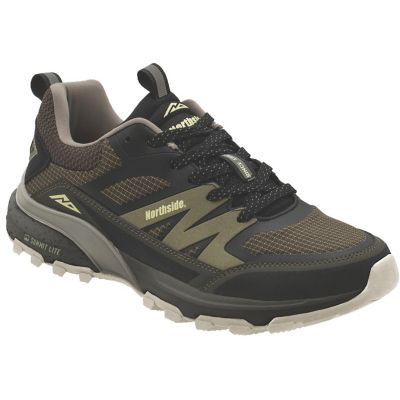
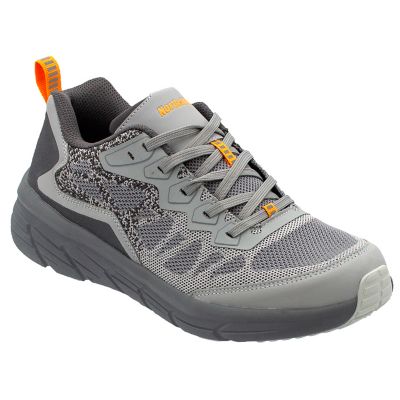
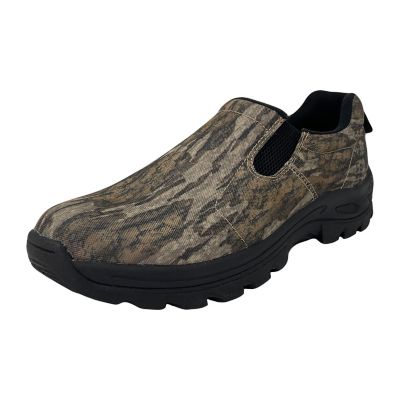
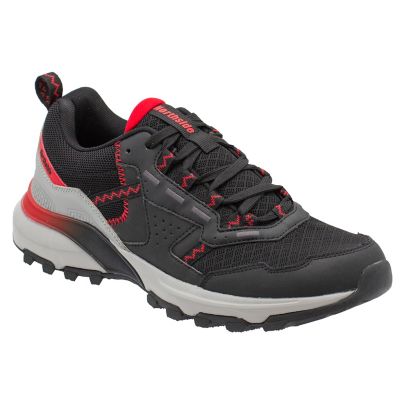
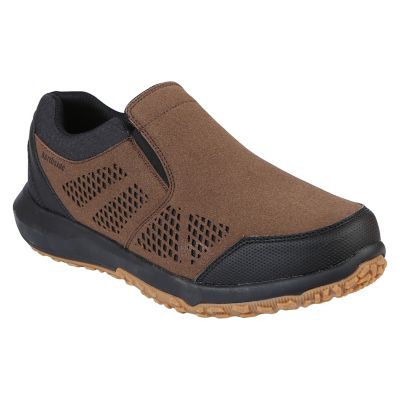
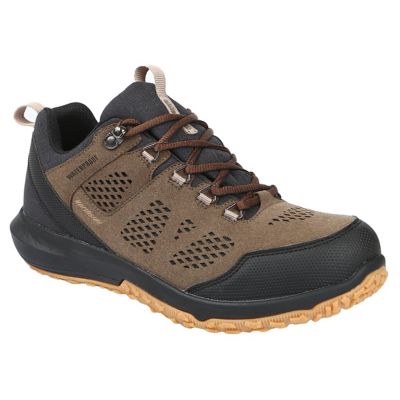
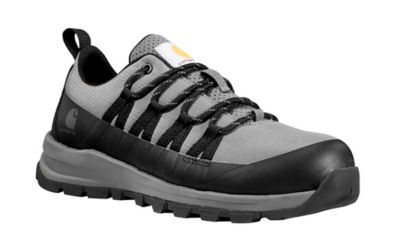
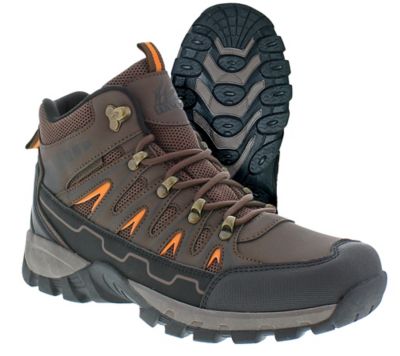
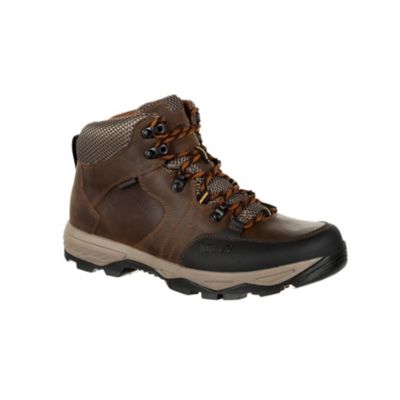
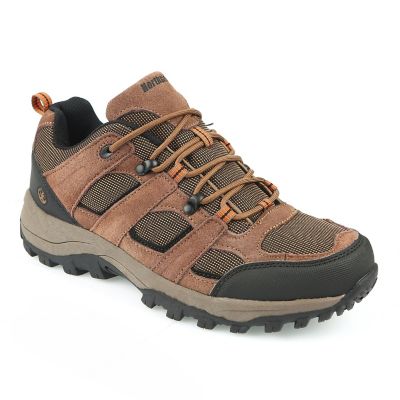
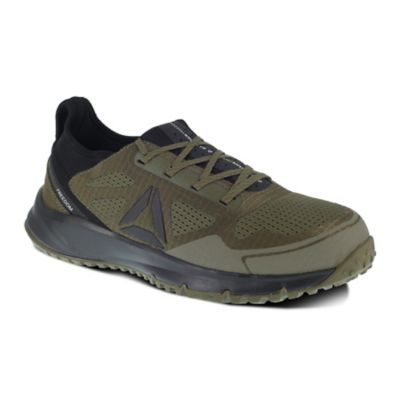
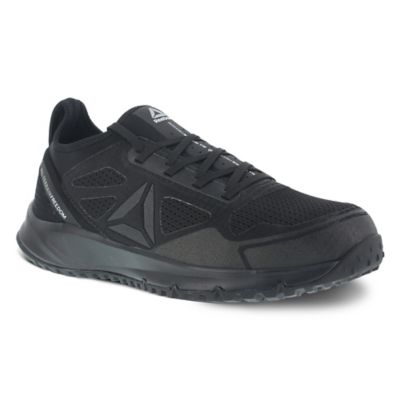
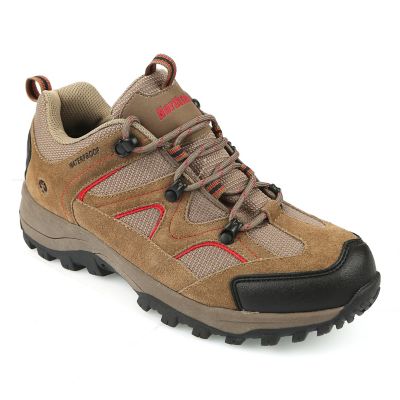
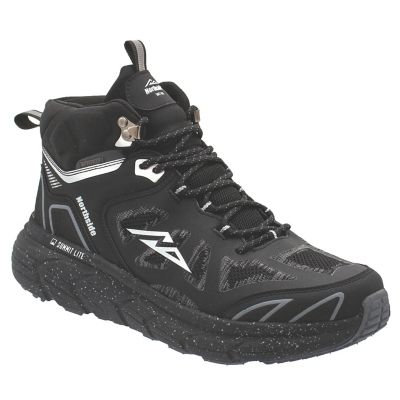
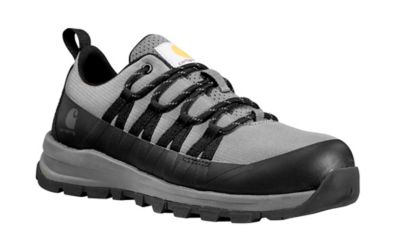
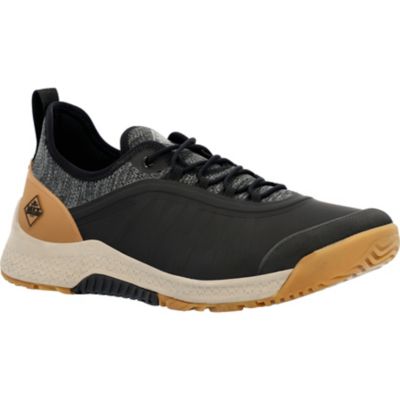
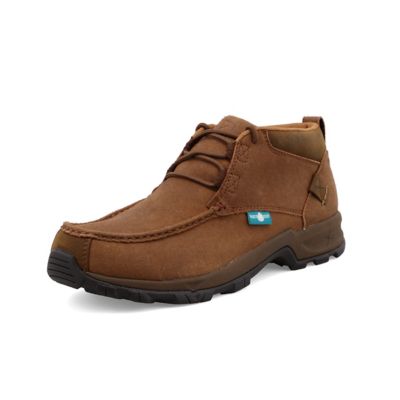
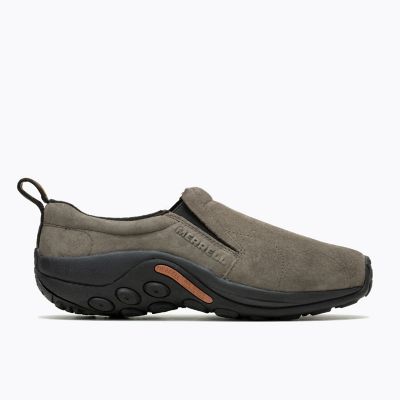
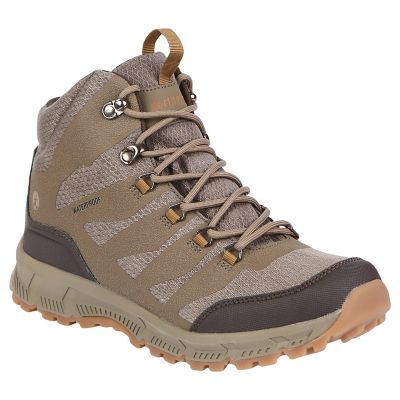
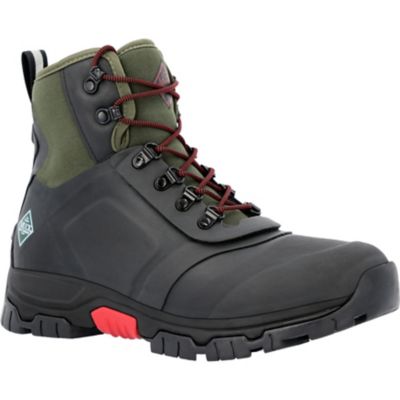
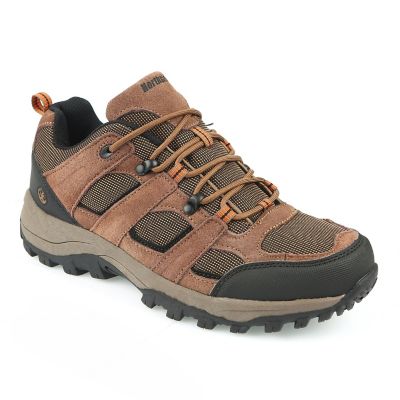
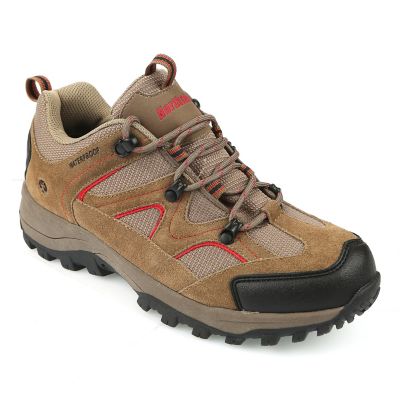
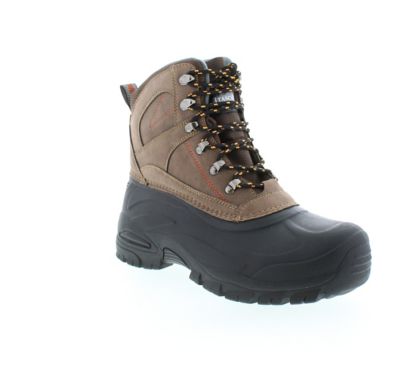
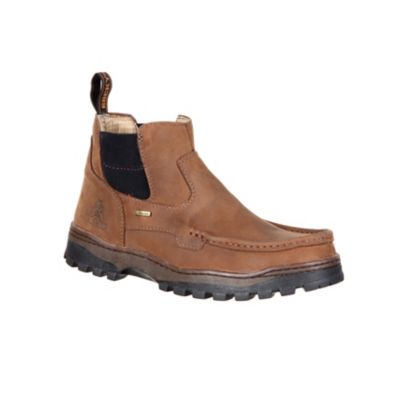
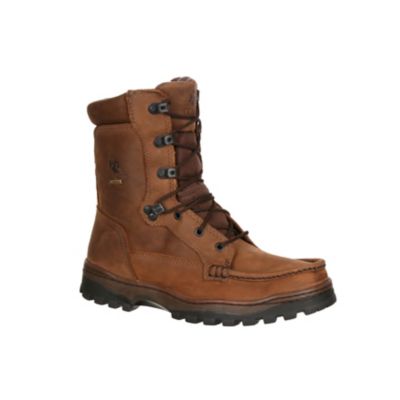
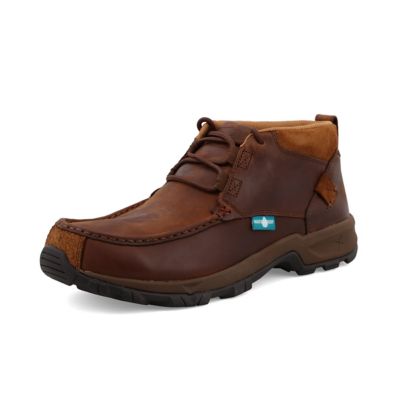
Men’s trail walking shoes combine the easy stride of walking footwear with tread and support suited to unpaved ground. They’re built for places where a smooth sidewalk gives way to gravel, packed dirt, roots, or scattered rock, whether that means a loop around the lake or a long walk down a back road. Compared with many everyday walking shoes, trail styles generally have more pronounced outsole lugs, reinforced areas around the toe and heel, and a steadier platform for uneven footing. Rubber outsoles provide the ground contact, while cushioning through the midsole helps soften repeated steps. The right balance depends on the route: shallow, closely spaced tread can feel comfortable on firm paths, while deeper, more open lugs can provide more bite on loose surfaces and let small bits of dirt fall away. No tread pattern grips every surface equally, and smooth stone, loose gravel, and exposed roots each call for a measured pace. Underfoot cushioning matters just as much as tread over a few miles. A softer midsole may feel comfortable on a broad, level path, while a firmer platform can feel more settled when stepping across rocks or following a sloping trail edge. Some designs include a protective layer beneath the foot to help reduce pressure from sharp stones. Low-cut construction leaves the ankle free to move and can make these shoes a practical choice for casual day hikes, campground walks, and checking a fence line on foot. They are not a substitute for protective work footwear when a task calls for safety toes or other job-specific protection. For men who split their walking between town paths and country trails, a versatile pair can cover plenty of ground without the weight or stiffness of a taller hiking boot. Longer routes, heavier packs, and rougher terrain may call for more structure than a light trail walking shoe provides.
Upper materials shape how men’s trail walking shoes feel, flex, and hold up to regular miles. Mesh panels allow airflow and help keep the shoe lighter, while leather, suede, and synthetic overlays can add structure in areas that brush against stones and trail edges. Leather often needs a little more care, and a heavily reinforced upper may feel less flexible at first than a mostly mesh design. Extra material around the toe can help shield the upper from scuffs, but a toe bumper is not the same as a safety toe. Stitching, bonded overlays, and the connection between the sole and upper all deserve attention when comparing construction. Waterproof membranes add another consideration for walks where keeping water out is a priority. The styles grouped under
Men's Waterproof Walking Shoes offer a related option for shoppers focused on that feature. A waterproof design may allow less airflow than an otherwise similar shoe without a membrane, and water can still enter over the collar. Fit remains the deciding factor, regardless of material or construction. A comfortable trail walking shoe should hold the heel without pinching, give the toes room to spread, and keep the foot from sliding forward on a descent. Trying footwear with the socks intended for walking gives a better sense of space than relying on the size printed inside alone. Feet can expand during longer outings, so a close fit at the start should not feel cramped. Width matters through the forefoot and midfoot, not just across the toes; sizing up in length does not always solve a width problem. Laces help fine-tune the hold over the instep, and a padded tongue can spread lace pressure across the top of the foot. Removable footbeds may make room for compatible inserts, though the shoe still needs enough depth to avoid crowding. A short walk on level ground and a gentle incline can reveal heel movement, toe pressure, or rubbing that is easy to miss while standing still.
Keeping trail walking shoes in good shape is mostly a matter of clearing away grit and letting the materials recover between outings. Dirt caught along seams and folds can rub against the upper, while small stones lodged in the tread can affect how the sole meets the ground. A soft brush handles loose soil, and a damp cloth can lift surface marks without soaking the whole shoe. Cleaning methods should match the material and the footwear maker’s care directions, especially for leather, suede, and waterproof construction. Strong cleaners and direct heat can damage finishes, adhesives, or membranes, so drying at room conditions away from a heater is generally the gentler approach. Removing the footbeds, when the design allows it, can help the inside dry more thoroughly. Leather treatments should be compatible with the upper rather than chosen simply because they work on another pair of boots. Over time, flattened tread, a compressed midsole, persistent heel movement, or separation around the sole can signal that a pair no longer walks the way it once did. Even an upper that still looks tidy may sit over cushioning that has lost much of its spring. For someone who walks the same gravel loop most days, comfort over repeated miles often matters more than a long list of features. For a man who heads out with binoculars, takes the family dog down a wooded path, or spends an afternoon exploring a state park, grip, toe room, and manageable weight can make the pair a good match for the outing. Trail walking shoes can also make a thoughtful gift for a dad, spouse, or friend who enjoys time on foot, provided the fit reflects his usual size, width, socks, and inserts. Familiar details such as a secure heel, an easy-flexing forefoot, and enough room at the toes help turn a promising pair into footwear that earns its place by the door.