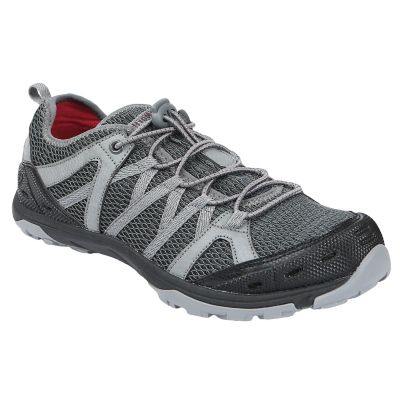
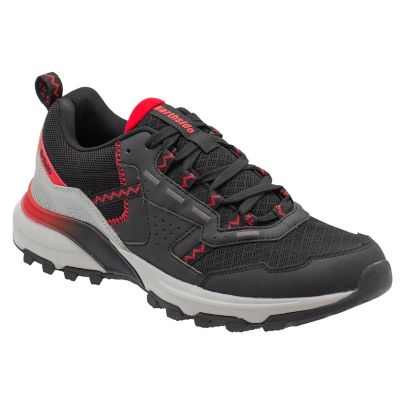
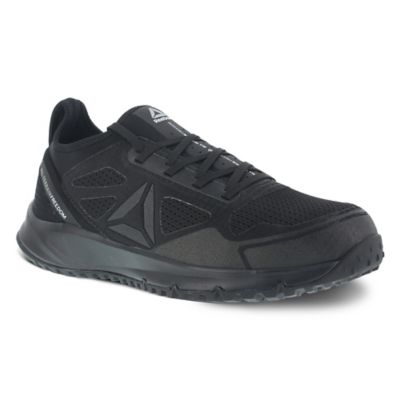
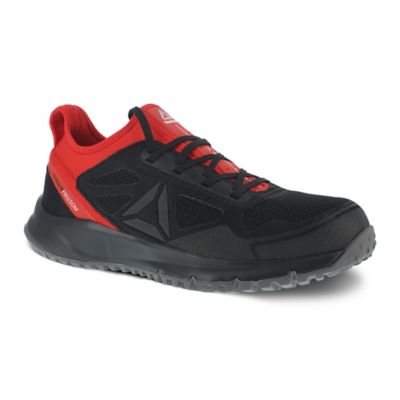
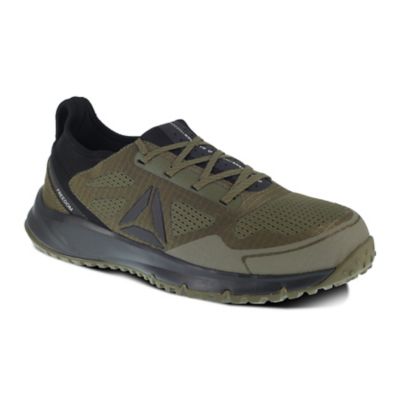
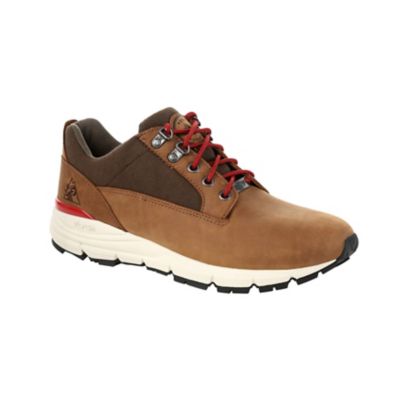
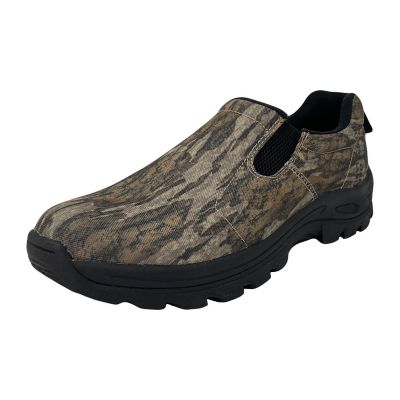
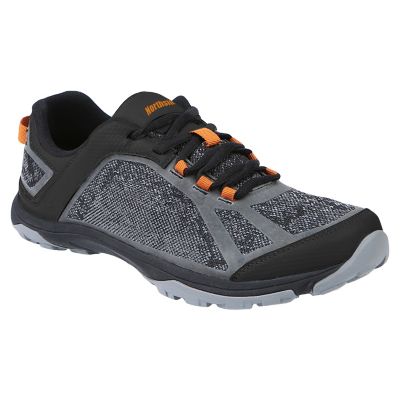
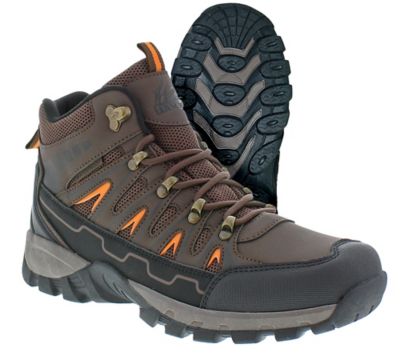
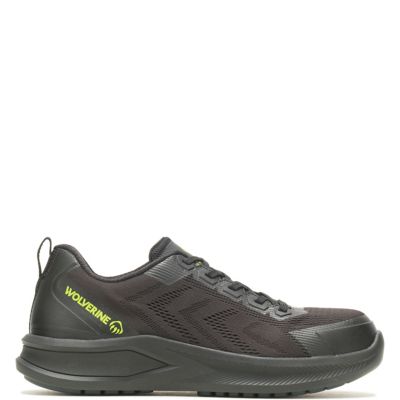
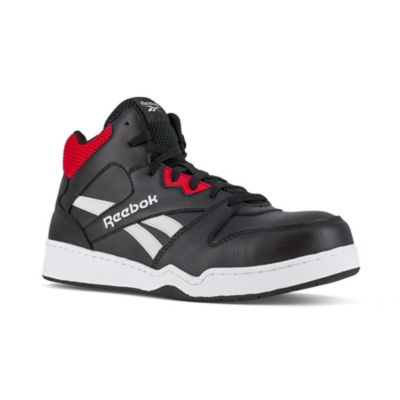
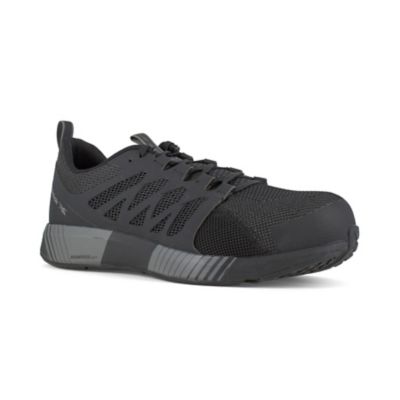
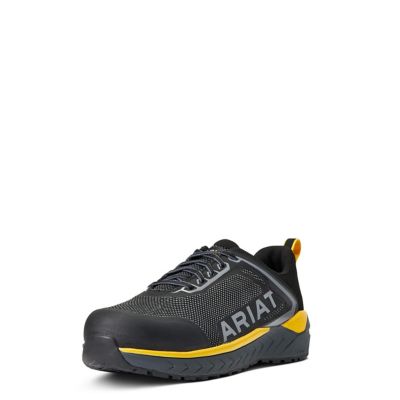
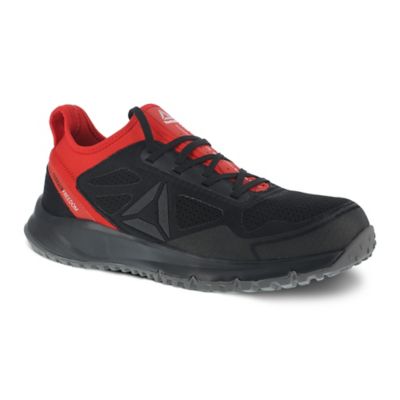
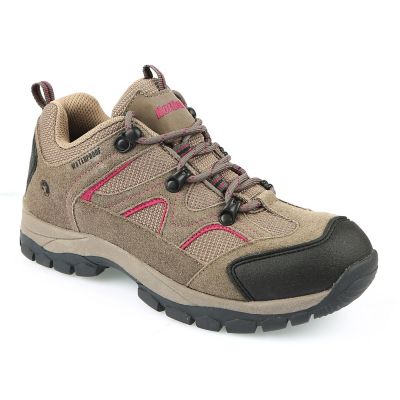
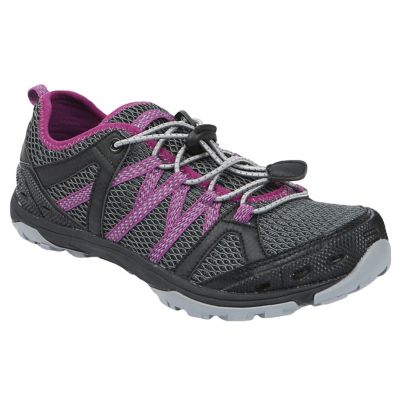
Men’s trail running shoes are built for miles beyond the pavement, with traction, cushioning and protection suited to dirt paths, gravel lanes and uneven ground. Compared with road running shoes, they generally have more pronounced outsole lugs, uppers reinforced in high-wear areas and a fit designed to limit sliding inside the shoe when the trail turns or drops downhill. That combination matters whether a run follows a wooded loop close to home, winds along a pasture fence or climbs a rocky ridge. The right balance depends more on the ground underfoot than on how far a runner plans to go. Closely spaced, shallower lugs tend to feel smoother on packed dirt and stretches of gravel, while deeper, more widely spaced lugs can dig into loose soil and shed debris more readily. Multidirectional tread gives the outsole edges that engage the ground during climbs, descents and changes in direction. Rubber compounds also differ: softer compounds may favor grip on rock, while firmer compounds can offer greater resistance to abrasion. No tread pattern grips every surface equally well, and loose stones can still roll beneath a planted foot. For routes that start on a country road before heading into the woods, road-to-trail designs offer a middle ground, with less aggressive tread that feels more natural across mixed surfaces. More demanding trails call for closer attention to underfoot protection, toe reinforcement and how securely the upper holds the foot. A flexible shoe can feel easygoing on a smooth park loop, but scattered sharp stones may make a protective layer beneath the forefoot more appealing. Men’s trail running footwear suits first-time trail runners, regular runners adding off-road miles and walkers who prefer the lighter feel of running shoes on maintained paths. These shoes belong to a different category than work boots, though; trail traction and toe bumpers do not replace safety-rated footwear for chores involving machinery, heavy materials or other jobsite hazards.
The way men’s trail running shoes feel over a full outing comes from several parts working together, not cushioning alone. Mesh uppers allow airflow and help keep weight down, while tightly woven fabrics and synthetic overlays can better resist scuffs from brush and rough ground. Reinforcement around the toe helps shield the front of the shoe from incidental contact with roots and rocks, though it is not a safety toe. A gusseted tongue connects to the upper along its sides, helping limit the entry of grit and small debris. Beneath the foot, foam midsoles soften repeated impact, with firmer and softer constructions offering noticeably different rides. More cushioning may appeal to runners spending longer stretches on hard-packed trails, but a taller midsole can also change the feel of balance on uneven footing. Lower-profile shoes often provide a closer connection to the ground, while a broad platform can help a shoe feel steadier without relying only on foam height. Some designs include a rock plate, a protective layer intended to spread pressure from sharp objects rather than eliminate every sensation underfoot. Heel-to-toe drop, the difference in cushioning height between the heel and forefoot, is another useful comparison. A substantial change from a runner’s familiar drop can shift demands on the feet and lower legs, so an easy adjustment period makes more sense than jumping straight into a long route. Fit brings all these features together. There should be enough space ahead of the toes for natural movement and downhill travel, with a snug hold through the midfoot and heel rather than pressure across the top of the foot. A roomy toe box and a wide overall fit are not the same thing; some runners need forefoot space without extra room at the heel. Trying shoes with the socks intended for running gives a better sense of the fit, particularly for anyone wearing thicker socks or prescribed inserts. Removable sockliners can make room for compatible inserts, but the added volume still needs to work with the shoe’s depth. Secure lacing should hold the foot without pinching, and a shoe that fits well should not depend on overtightened laces to keep the heel in place.
Everyday ownership matters, too, especially when trail running shoes regularly come home carrying dust, grit and bits of the path. Outsole wear, compressed cushioning and fraying fabric tell more about a pair’s condition than its age alone. Frequent pavement miles can wear down aggressive lugs faster than softer trail surfaces, and a runner who drags a heel or favors one side may see uneven wear develop. Once tread edges become rounded or sections of the outsole wear smooth, the shoe may offer less purchase on loose ground. Midsoles can also lose their familiar feel before the upper looks worn out, so a flattened ride or a noticeable change in comfort deserves attention. Routine care is straightforward: shake out loose debris, brush away dry soil and follow the manufacturer’s cleaning directions for the upper and removable components. Where permitted, a soft brush, mild soap and a damp cloth can lift dirt without the harsh treatment of a washing machine. Air-drying away from direct heat helps protect adhesives and other materials; dryers and close contact with heaters can damage a shoe’s construction. Loosening the laces and removing the sockliners, when allowed, helps the inside dry between outings. Those small habits keep shoes more pleasant to pull on for the next run down the lane or lap through the woods. Appearance can be part of the choice without taking priority over fit and tread.
Men’s black trail running shoes offer a straightforward look that pairs easily with running shorts, trail pants and everyday outdoor clothing, though color does not determine performance. For a gift recipient who already enjoys off-road running, familiar sizing, preferred cushioning and typical terrain are better starting points than appearance alone. Across the category, the most useful match is a shoe that holds comfortably, flexes where the foot needs it and provides traction appropriate to the route. From short dirt-track outings to longer runs over roots and rolling hills, those practical details help make time on the trail feel more settled from the first stretch to the walk back home.