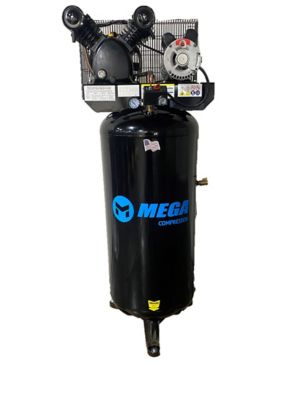
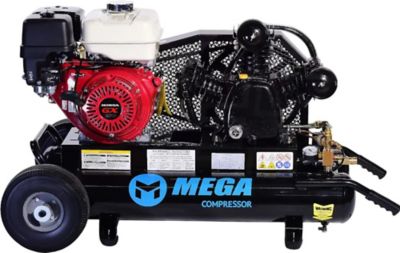
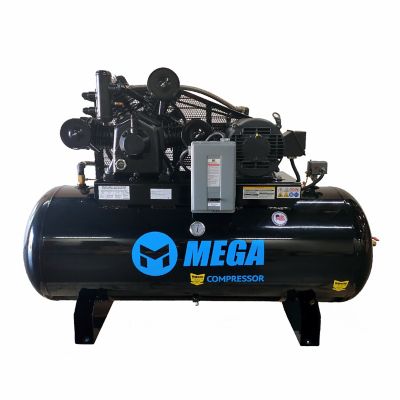
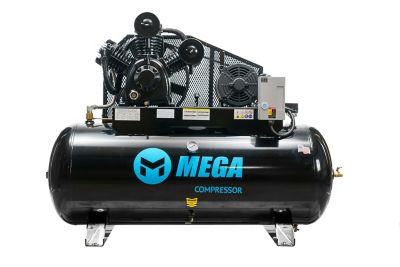
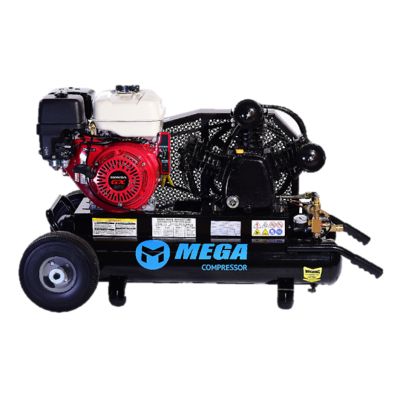
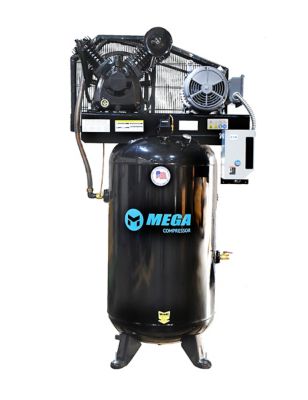
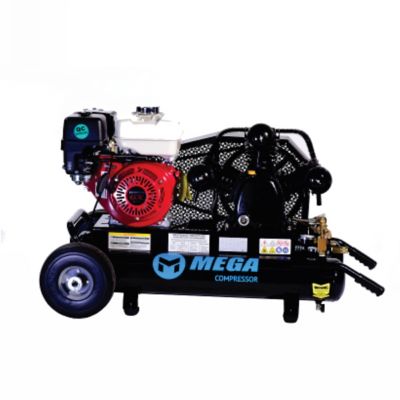
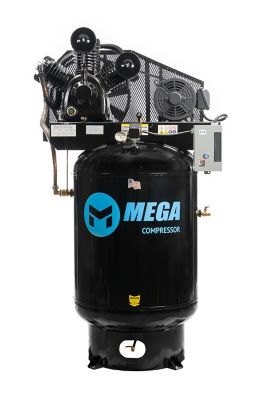
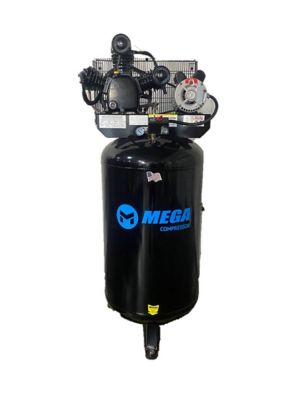
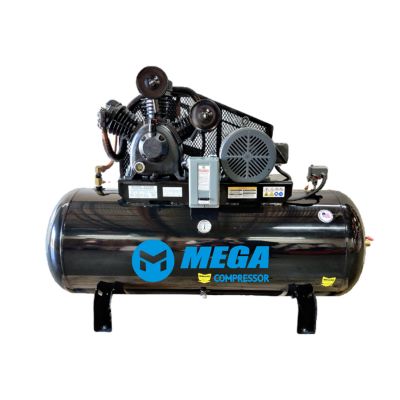
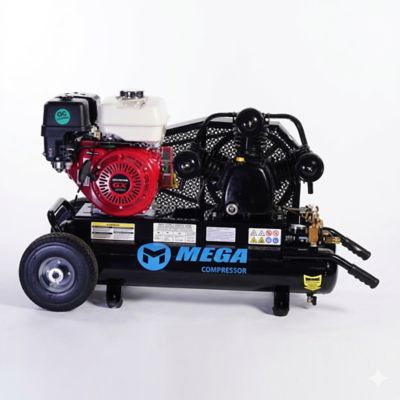
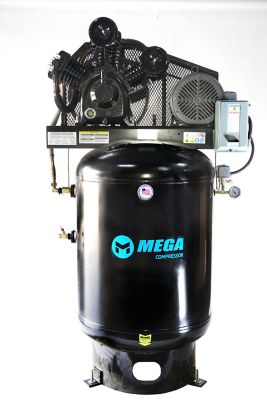
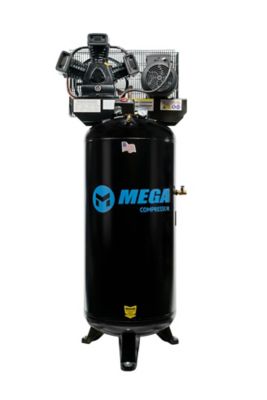
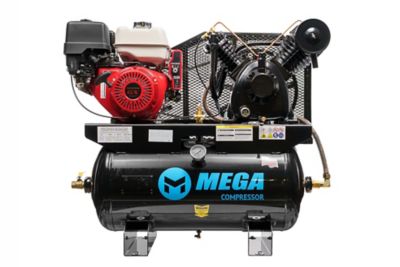
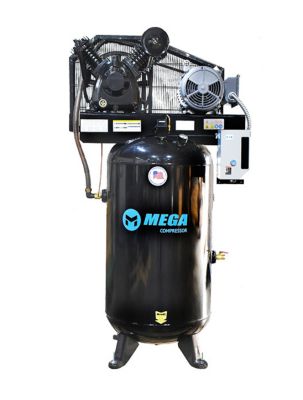
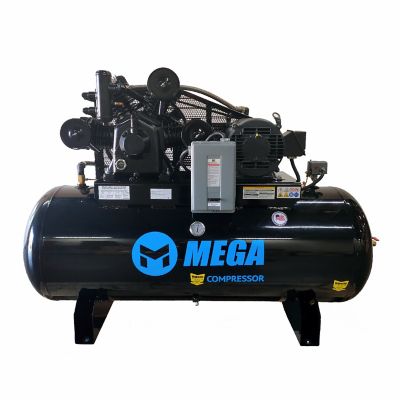
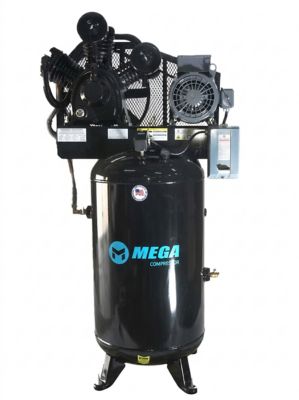
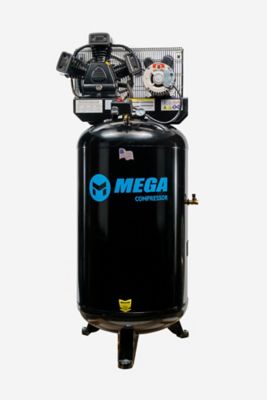
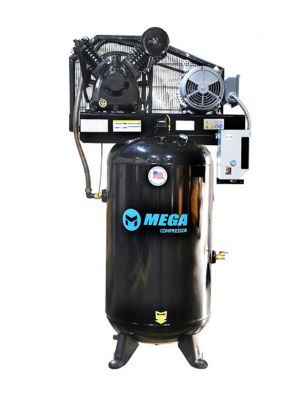
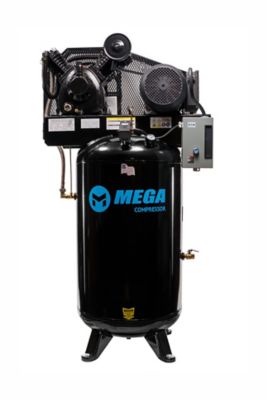
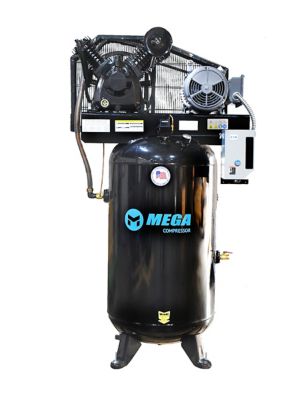
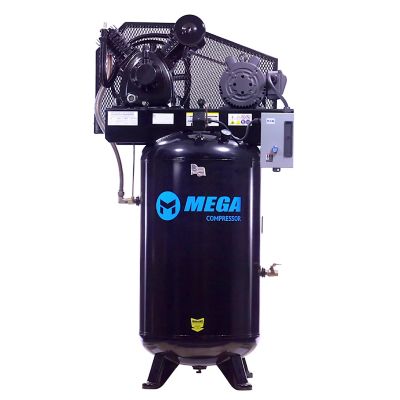
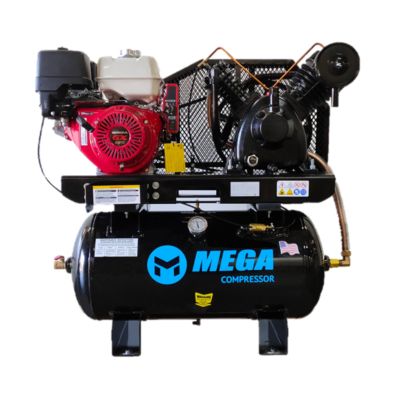
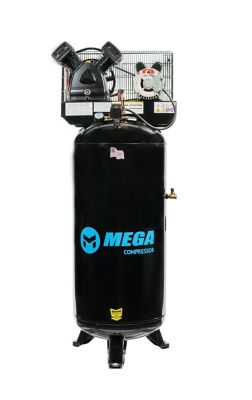
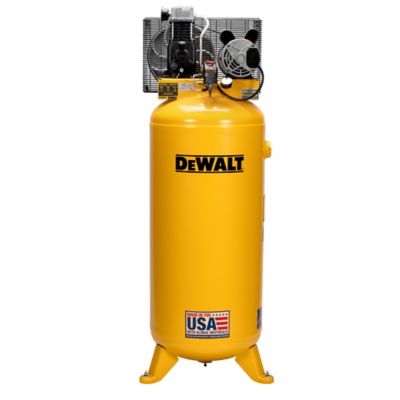
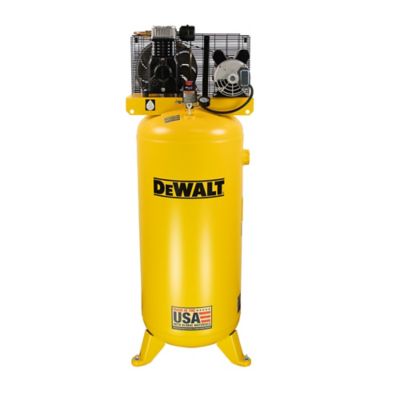
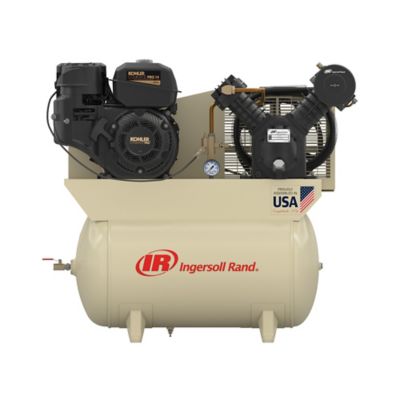
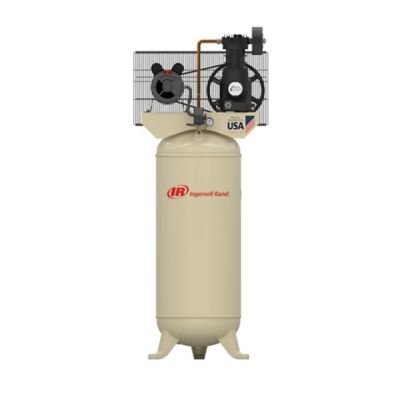
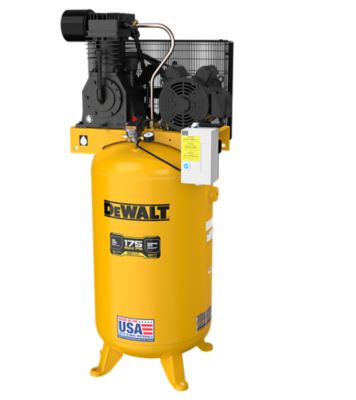
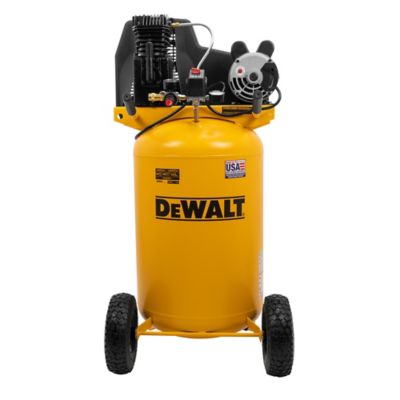
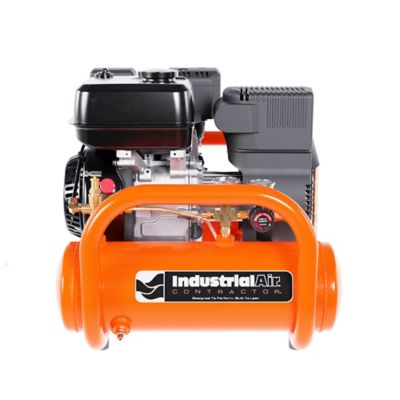
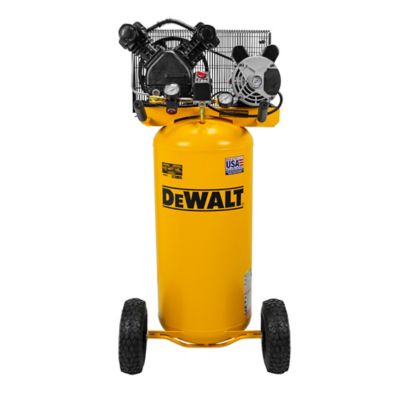
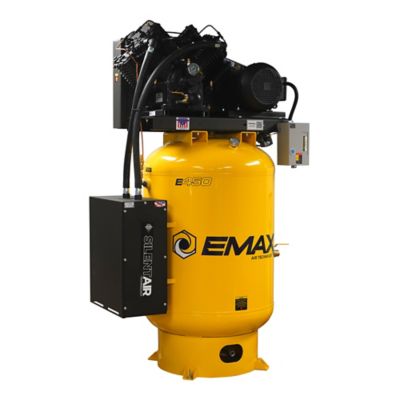
Mega Compressor products are built for the kind of work that calls for steady air power, dependable construction, and equipment ready to earn its keep. On a farm, ranch, garage, or busy repair shop, an air compressor can handle far more than filling a tire. Compressed air helps run impact wrenches, ratchets, grinders, nailers, staplers, blow guns, paint equipment, and other pneumatic tools, making it useful for automotive repairs, equipment maintenance, construction, woodworking, fencing, and general property upkeep. A portable compressor can move from the shop to a trailer or job site, while a larger stationary unit can serve as a long-term workhorse near a workbench. Electric models are a practical fit for enclosed shops with dependable power, while gas-powered equipment can offer flexibility in areas where extension cords are inconvenient or electricity is limited. The right choice depends on the work ahead, the available power source, and how often the compressor will run. A homeowner may need a compact unit for tires, finish work, and occasional fastening, while a contractor, mechanic, or agricultural operator may need higher airflow for tools that run continuously. Keep an eye on both PSI and CFM rather than relying on tank size alone. PSI describes the pressure the compressor can produce, while CFM indicates how much air it can deliver over time. A large tank stores a reserve of compressed air and can help reduce frequent cycling, but a tool's required CFM should still guide the decision. When comparing options, check the compressor's delivered CFM at the pressure your tools require, not just the maximum rating shown on the label.
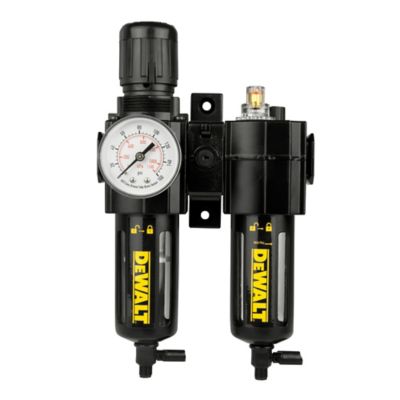
Capacity, construction, and placement matter just as much as raw power. Smaller portable tanks are easier to load into a truck or roll across a concrete floor, which makes them handy for service calls, tire work, trim projects, and scattered jobs around the property. Larger horizontal tanks take up more room but can provide a deeper reserve for demanding tools and repeated use. Two-stage compressors are often chosen for heavy-duty applications because they compress air in stages and are designed to support higher pressure and sustained shop work. Look for sturdy frames, accessible controls, reliable wheels or handles, and a pump design suited to the workload. Oil-lubricated pumps are common in equipment intended for frequent or demanding use, while oil-free designs may appeal to users who want simpler upkeep for lighter tasks. Before bringing a Mega Compressor unit home, measure the intended space and leave room around the motor and pump for airflow, service access, and safe operation. A level, dry surface is important, and stationary equipment should be installed according to the manufacturer's instructions and local electrical requirements. If the compressor will power air tools, include the cost and size of hoses, fittings, regulators, filters, and safety couplers in the plan. An undersized hose can restrict airflow, while mismatched fittings can cause leaks that make the motor work harder. For a closer look at how materials, components, and design choices affect performance and longevity, visit
Compressor Construction before making a final selection.
A compressor can be a practical gift for a do-it-yourselfer, farm family, weekend mechanic, or tradesperson who is always finding another use for compressed air. It may be the tool that finally makes an old shop more useful, helps a new property owner keep equipment in shape, or gives a small business dependable support for daily jobs. During the warmer part of the year, compressed air is handy for cleaning mower decks, inflating trailer tires, blowing dust from hard-to-reach places, and tackling building or fencing work outdoors. As the weather turns cooler, it can help with vehicle service, indoor remodeling, trim installation, and keeping tools working when chores move into the shop. Good maintenance keeps that help coming. Drain moisture from the tank after use, especially in humid conditions or whenever the compressor has been running for a long stretch. Water that collects inside the tank can contribute to rust, while moisture in the air line can affect paint, fasteners, and pneumatic tools. Check hoses and fittings for leaks, keep air filters clean, inspect belts and guards, and follow the recommended schedule for oil changes or other service. Never exceed the pressure rating of the tank, hose, or connected tool, and wear eye and hearing protection when operating the compressor. Give the motor time to cool during extended work, keep the intake area clear, and store portable equipment where rain, mud, and freezing conditions will not damage it. With the right capacity and a little regular care, Mega Compressor equipment can become a steady part of the daily routine—from airing up a stock trailer at first light to running a tool beside the workbench while the wind picks up outside.