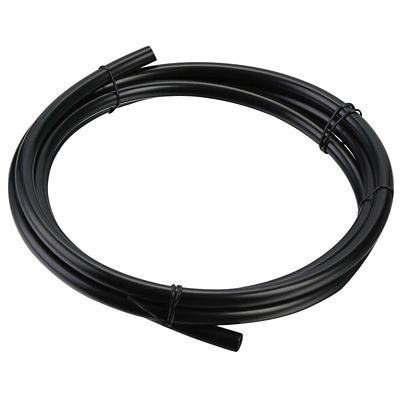
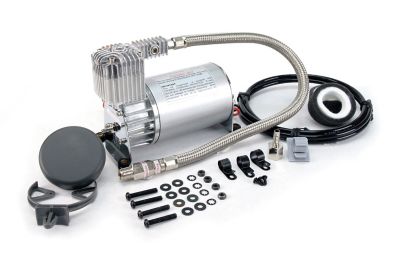
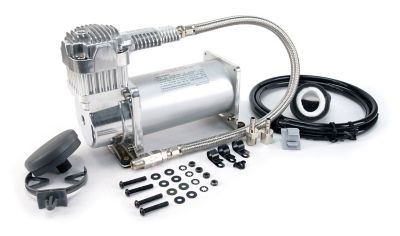
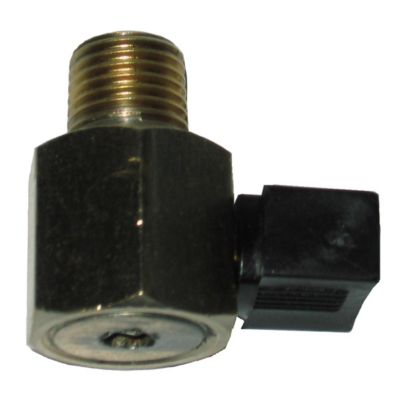
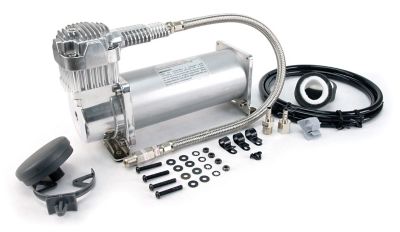
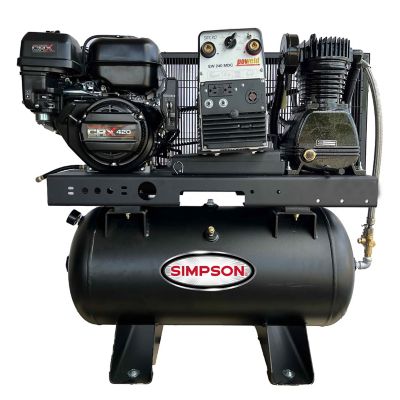
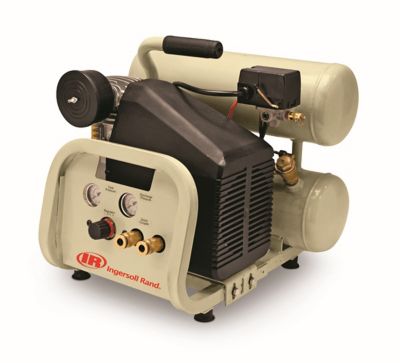
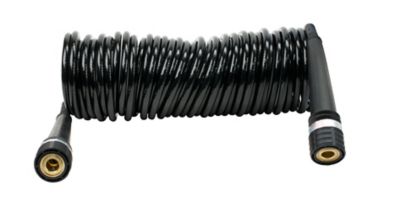
Compressor lines help carry compressed air from the tank to the tools, filters, and workstations that keep a garage, barn, or shop moving. A well-planned line system can make it easier to run an impact wrench, blow gun, tire inflator, nailer, stapler, paint sprayer, or other air-powered equipment without dragging a hose across the floor every time. You may be setting up a small corner of the garage for farm equipment repairs, adding air service to a woodworking shop, or laying out a permanent system in a busy maintenance building. In each case, the line material, diameter, length, fittings, and layout all matter. Common choices include copper, black iron or steel, PEX in applications where it is rated and properly protected, and modern HDPE-aluminum composite tubing designed for compressed-air use. Copper is durable, resists rust, and sheds heat well, which can help moisture condense before it reaches downstream tools, but it may cost more and generally requires cutting, soldering, or other careful joining work. Black iron and steel offer strength for demanding installations, though they are heavy to handle and can develop internal rust when condensation is left unmanaged. Flexible composite tubing is often easier to route around corners and connect with compression fittings, while its smooth interior and corrosion resistance can be helpful in a clean, organized air system. Before buying, check the working-pressure rating, temperature range, fitting compatibility, local code requirements, and the tubing manufacturer’s instructions. Keep in mind that the compressor’s maximum pressure is only part of the picture; the line also needs enough inside diameter to deliver the volume of air your tools require without an unnecessary pressure drop. A longer run, several bends, or multiple workstations may call for a larger line than a short connection to one tool.
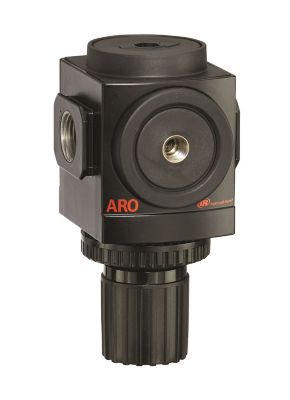
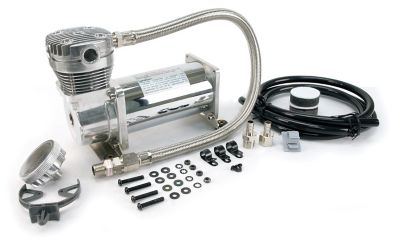
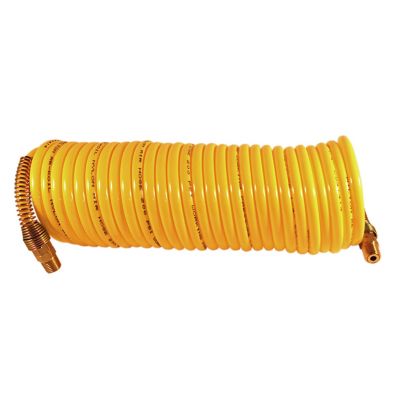
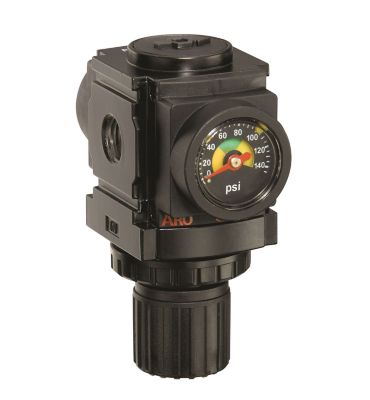
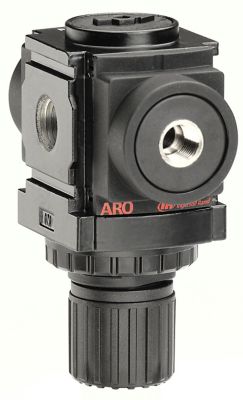
Good installation practices make a noticeable difference in everyday use. A short flexible leader hose directly out of the compressor helps isolate pump vibration from rigid plumbing and can reduce stress on fittings. From there, many shop layouts benefit from a cooling run before the first filter or quick-connect. Giving the hot compressed air room to cool—often at least 25 feet of line when the installation allows—helps moisture drop out of the air before it reaches your tools. Plan the main line so it slopes gently toward a drain point, then add vertical drop legs at low points with valves that let you release collected water. Workstation drops are best taken from the top of the main line rather than the bottom, which helps keep condensed moisture out of the branch. Filters, regulators, separators, and drains should be placed where they can be reached without climbing over equipment or crawling behind a workbench. Leave enough room around every connection for inspection and service, and support rigid lines at the spacing recommended for the material so they do not sag or pull on fittings. Avoid burying unprotected lines where they may be struck by a vehicle, livestock, sharp tools, or shifting materials. Outdoor runs also need protection from sunlight, freezing temperatures, and physical damage; not every tubing material is suited for exterior exposure. Never use ordinary water pipe or a material that is not specifically rated for compressed air, and never substitute fittings simply because the thread size appears to match. A leak that sounds like a faint hiss in a quiet shop can make the compressor cycle more often, waste electricity, and shorten the life of the pump. After installation, pressurize the system, listen and feel around connections carefully, and use an approved leak-detection solution rather than an open flame.
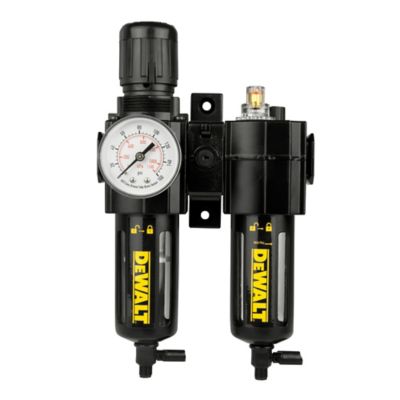
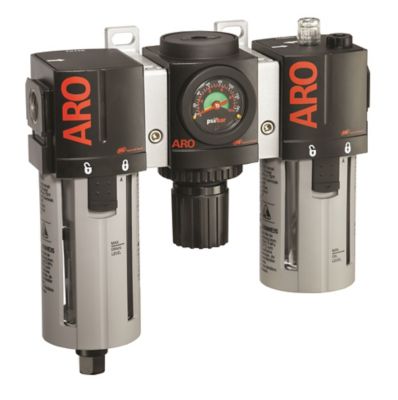
Choosing compressor lines is easier when you map the job before opening a box. Measure the distance from the compressor to each air-use point, count elbows and branch connections, and note whether the line will run along a wall, overhead, under a workbench, or between buildings. Think about future needs, too. A second drop near the tractor bay or a spare branch by the welding table may be simple to add during the original installation but difficult after shelves, cabinets, and machinery are in place. A compact setup may only need one properly sized run, a flexible leader, a drain, and a filter-regulator combination. A larger shop may call for a loop system that feeds several drops more evenly, with separate shutoff valves for maintenance. If you work through the cooler months, moisture control becomes especially important as warm compressed air travels through colder lines and condensation collects in low spots. Drain the receiver tank and drip legs regularly, keep filters serviced, and inspect hoses and fittings for wear before relying on the system for a long repair job. Compressor line components can also make a practical gift for someone building a home shop, restoring machinery, maintaining a farm, or outfitting a new garage, especially when paired with a clear plan for fittings and connection sizes. For more background on how different compressor parts work together, see
Compressor Construction. With the right material and a little forethought, a compressor line system can keep air where you need it, reduce clutter around the work area, and make routine jobs feel a whole lot smoother.