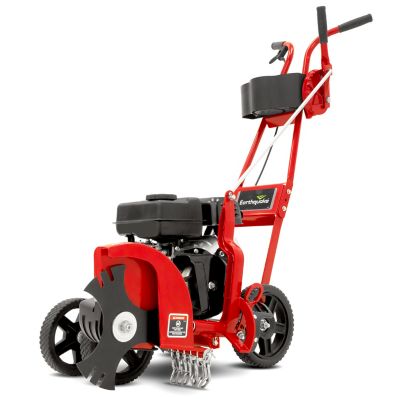
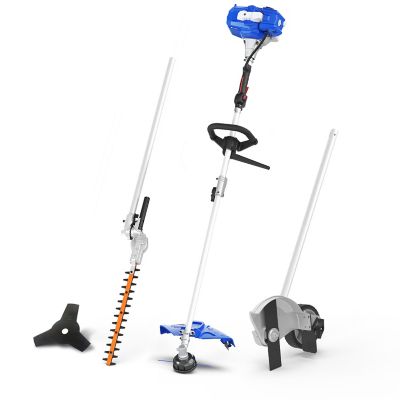
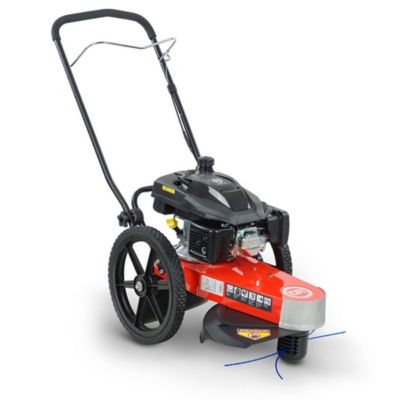
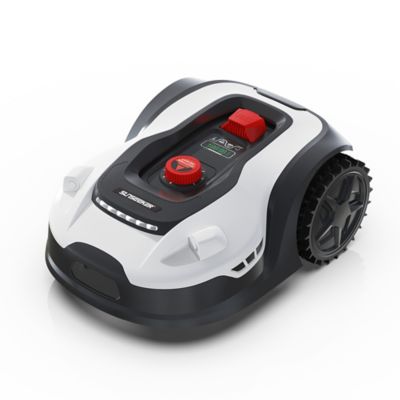
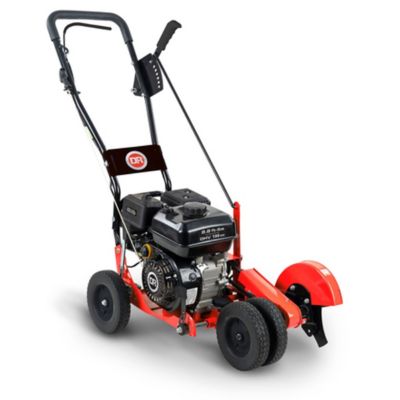
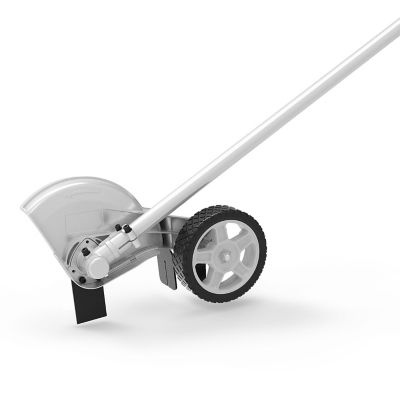
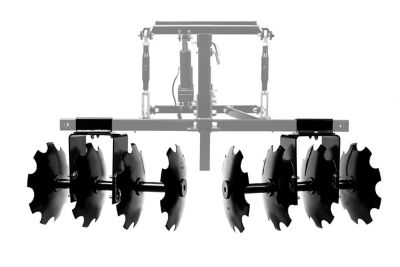
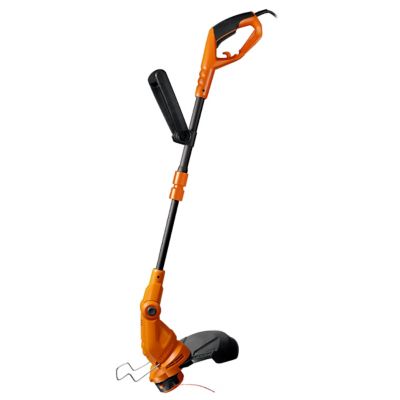
Landscaping machines help turn long days of outdoor work into more manageable jobs, whether you are caring for a small home lawn, maintaining acreage, or taking on a larger property project. The right equipment can handle everything from routine grass cutting and edge work to clearing brush, moving soil, digging trenches, and preparing beds for planting. For everyday turf care, start by matching the machine to the size and layout of the property. Walk-behind mowers are easy to guide around garden beds, trees, gates, and other tight spots, while riding mowers can make quick work of broad, open stretches of grass. Zero-turn and stand-on designs are useful when speed and maneuverability matter, especially around landscaping features and fence lines. A string trimmer helps reach the places a mower cannot, such as beneath low shrubs, along outbuildings, and around posts. An edger gives sidewalks, driveways, and planting borders a clean, finished line. During the warmer part of the season, these machines can keep grass and weeds from getting ahead of you; as temperatures cool, they also help tidy up growth before winter weather settles in. Look for comfortable controls, an easy-to-access fuel or battery compartment, adjustable cutting height, and a deck or housing that will be simple to clean after dusty work. If you are shopping for someone who takes pride in a country property, a dependable landscaping machine can be a practical gift that gets used often, especially when it saves hours of pushing, hauling, or hand work.
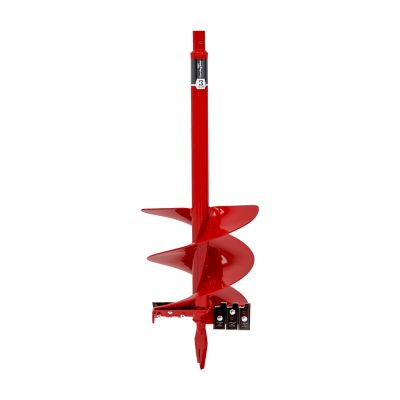
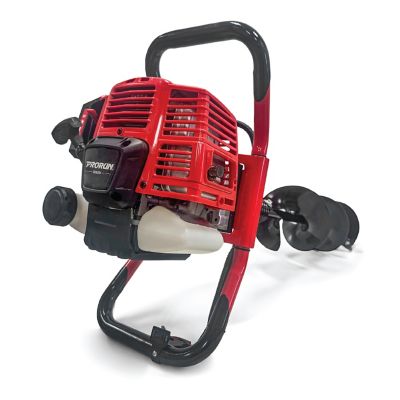
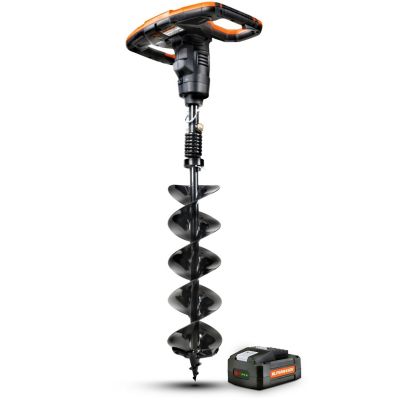
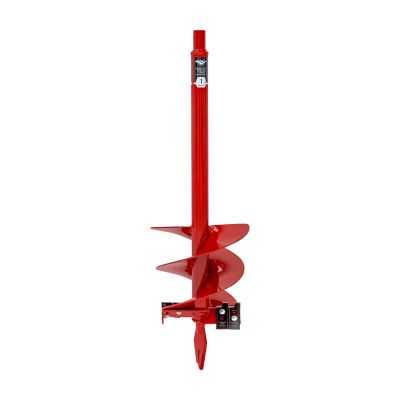
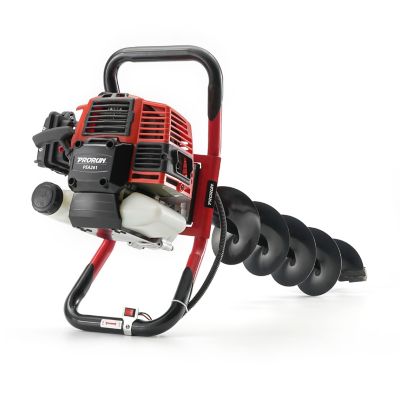
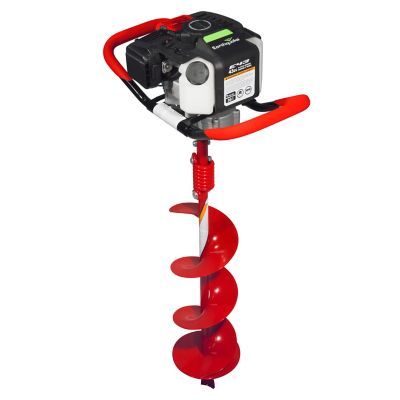
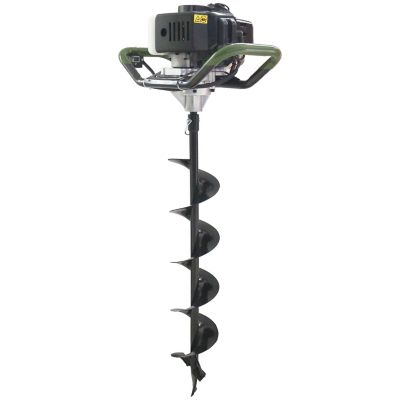
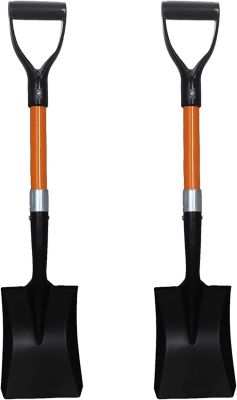
For heavier jobs, landscaping equipment is often chosen for versatility as much as raw power. Compact loaders can move mulch, gravel, soil, logs, and storm debris with the right attachment, making them useful for driveway repairs, garden renovations, drainage work, and general property upkeep. Track-style machines can offer added stability on soft ground, slopes, or recently graded areas, while wheeled machines may be a good fit for firmer surfaces and frequent travel across a worksite. Mini excavators are built for controlled digging in places where larger equipment cannot fit, including narrow side yards, utility runs, planting areas, and small pond or drainage projects. Trenchers make clean, consistent cuts for irrigation lines, low-voltage wiring, and other buried services, and augers can bore holes for fence posts, signs, shrubs, or small structural supports. Before choosing equipment, consider the width of gates and paths, ground conditions, slope, turning room, storage space, and the kind of attachment work you expect to do. A machine that fits through the gate but cannot safely turn around may create more trouble than it solves. It is also worth checking operating weight, lift capacity, digging depth, reach, noise level, and attachment compatibility. For occasional work, renting or hiring an experienced operator may make sense; for regular property maintenance or a steady stream of jobs, owning a versatile machine may offer better value over time. Keep the basics close at hand, too. A sturdy pair of
Landscaping Shovels can help with finish work around machine-dug beds, trench edges, planting holes, and piles of soil that need a final hand-leveling.
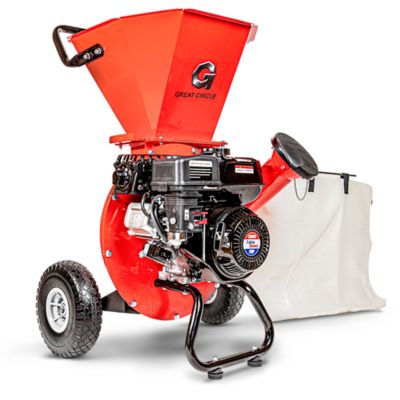
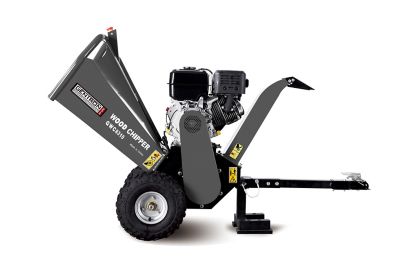
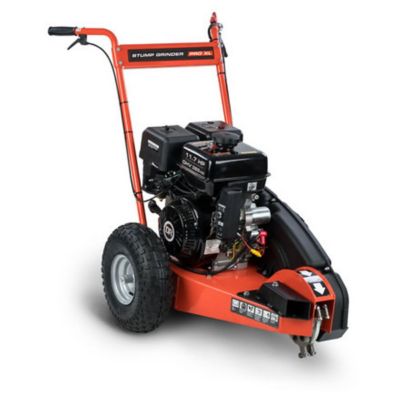
Cleanup and seasonal maintenance are another important part of choosing machines for landscaping. A backpack or handheld blower can clear leaves, grass clippings, and light debris from lawns, porches, walks, and driveways, while higher-capacity equipment is better suited to large properties or repeated cleanup after mowing and trimming. Wood chippers can reduce branches and brush into manageable material for mulch or easier hauling, and stump grinders can remove the remaining base of a cut tree so the area can be replanted, graded, or turned into usable lawn. Dethatchers and aerators support healthier turf by lifting built-up dead material and opening small channels for air, water, and nutrients to reach the roots. These machines are especially useful when a lawn feels spongy, drains poorly, or shows thin, worn patches despite regular care. Take time to inspect the property before starting: mark irrigation lines and buried utilities, clear away rocks and wire, keep children and animals well away from operating equipment, and wear sturdy footwear, eye protection, hearing protection, and other gear suited to the job. After each use, brush off dirt and grass, check belts, blades, tires, tracks, filters, and attachment points, and store equipment under cover when possible. Cooler months are a good time to clean machines thoroughly, protect exposed metal, charge or remove batteries as recommended, and prepare fuel systems for storage. Whether the work involves a backyard, a farm lane, a rental property, or a commercial landscape, choosing equipment based on the job, the terrain, and the operator can make every pass safer, smoother, and easier to finish.