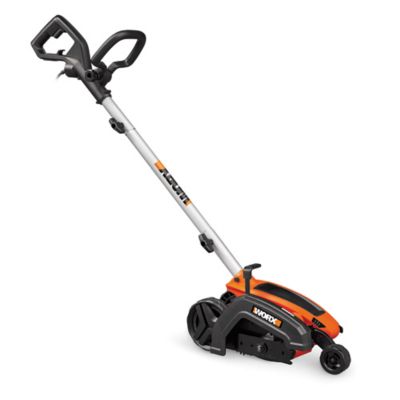
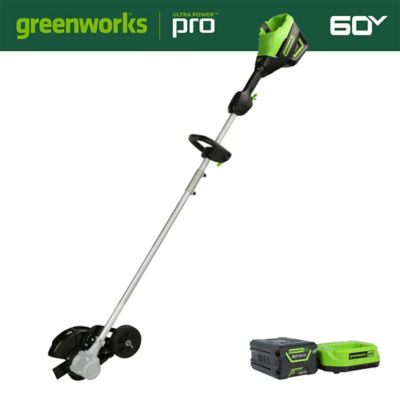
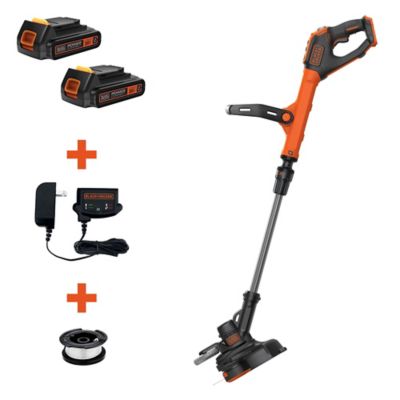
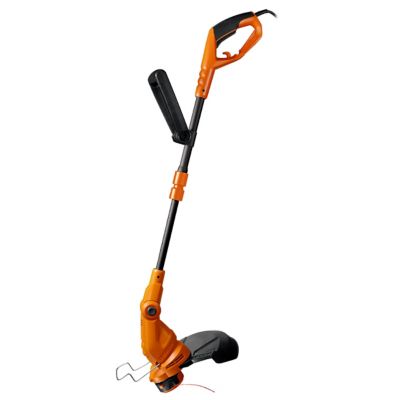
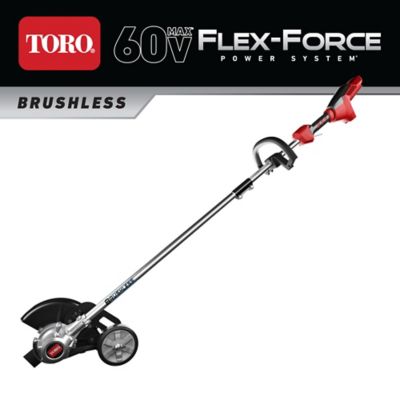
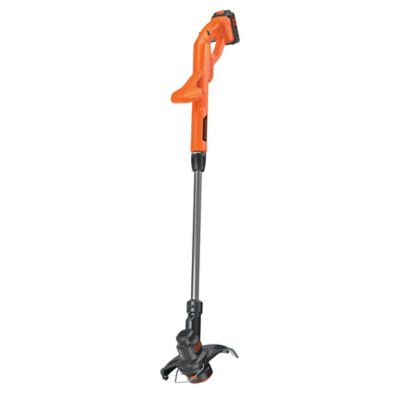
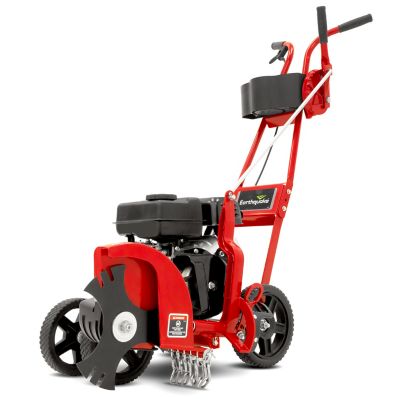
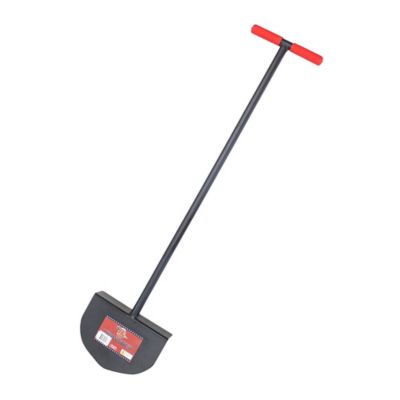
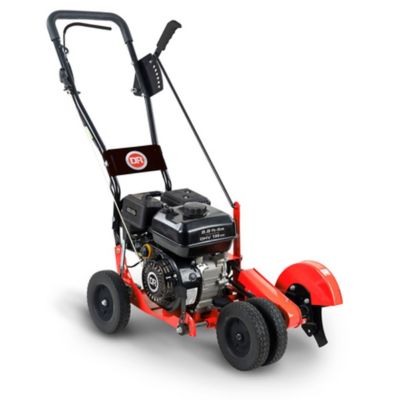
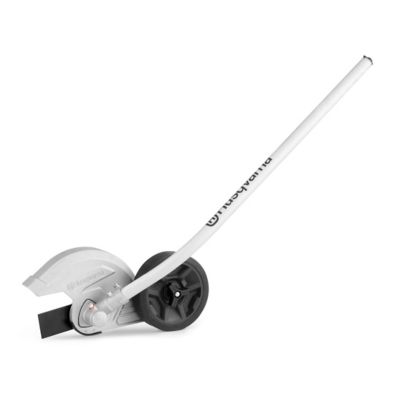
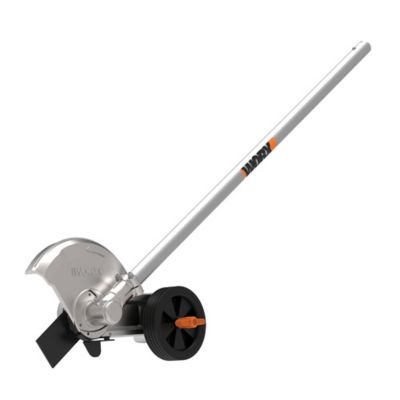
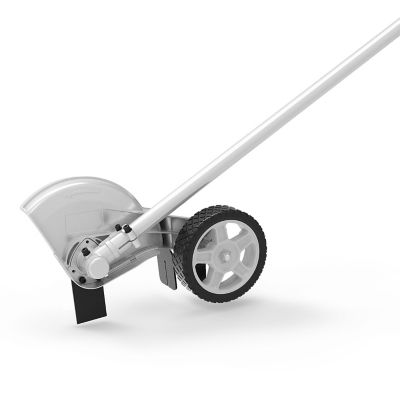
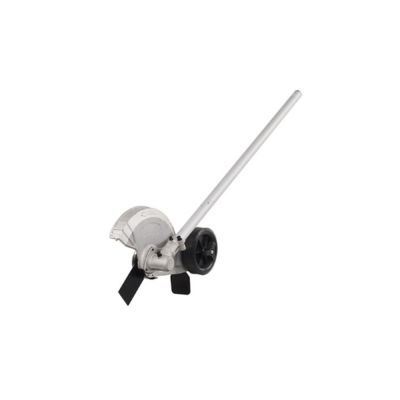
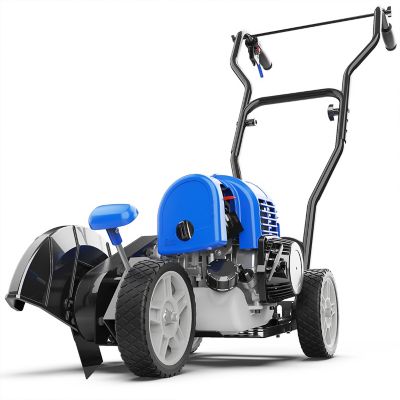
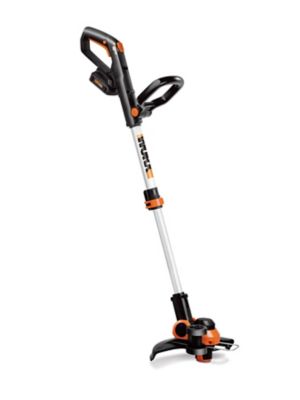
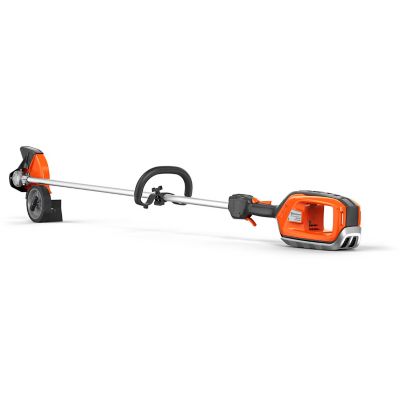
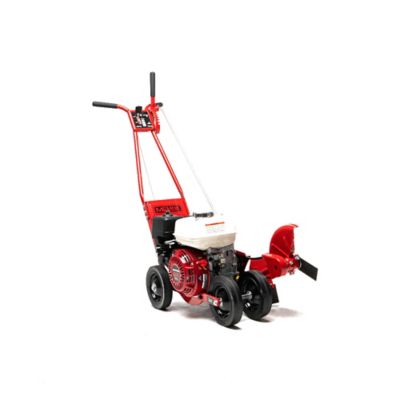
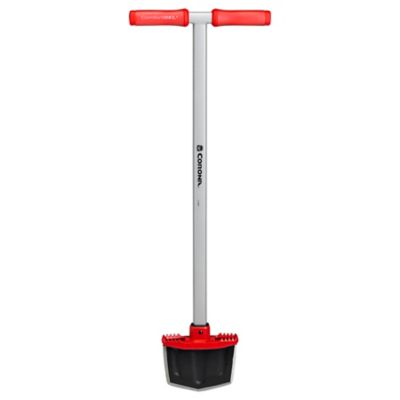
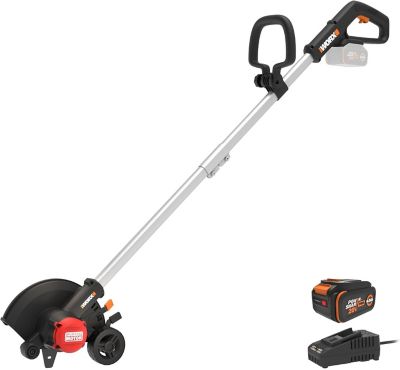
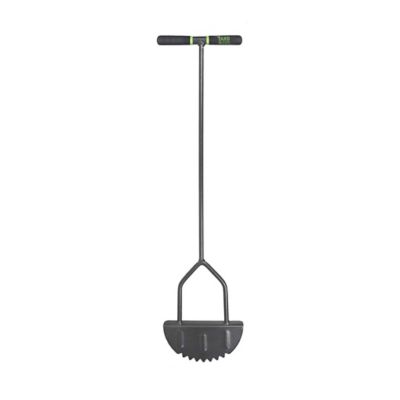
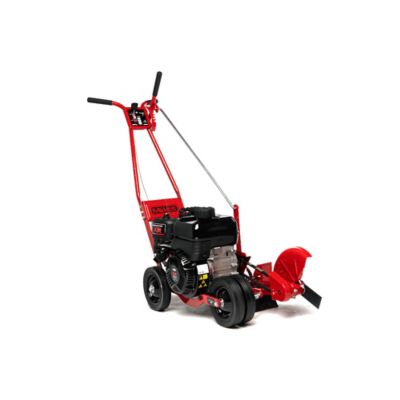
Landscaping edgers are tools that cut a clean boundary between grass and adjoining surfaces, including sidewalks, driveways, garden beds and walkways. Unlike a string trimmer, which typically trims grass with flexible line, a dedicated edger generally works with a blade positioned vertically to slice through encroaching turf and define the edge. That narrow cut gives a front walk a tidy outline and keeps grass from blurring the border around a planting bed. Homeowners, groundskeepers and folks tending larger properties can choose from manual, corded electric, battery-powered and gas-powered designs, with each type suited to different amounts of edging and physical effort. Manual landscaping edgers often have a half-moon steel blade, a long handle and a foot platform that helps transfer body weight into the cut. They make sense for short borders, occasional touch-ups and curved beds where careful placement matters more than covering ground quickly. Rotary manual designs roll along the boundary and can help maintain an established edge. Corded electric edgers provide powered cutting without battery charging or engine upkeep, though their working range depends on an appropriate extension cord and access to an outlet. Battery-powered edgers offer cordless movement around gates, trees and separate lawn areas, with runtime depending on the battery, cutting conditions and tool settings. Gas-powered edgers offer another cordless option for lengthy borders and demanding work, with fuel handling and engine maintenance as part of ownership. Powered models reduce the repeated stepping and pushing involved with a manual blade, but tool weight and steering effort still count. A short stretch beside the porch presents a different job from a driveway running past the house to the barn. The total length of the boundary, the thickness of the turf and the distance between work areas all help determine which style fits the property. For regular upkeep, an easy-to-handle tool can matter just as much as cutting power, especially where the route includes narrow walks, tight corners or several separate beds.
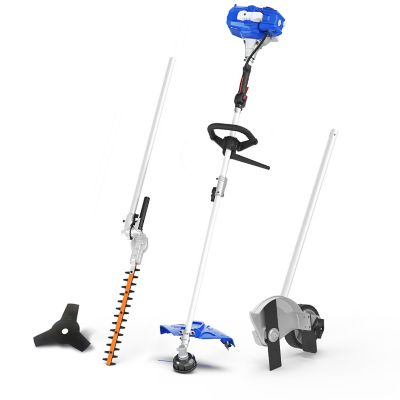
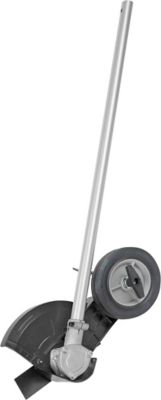
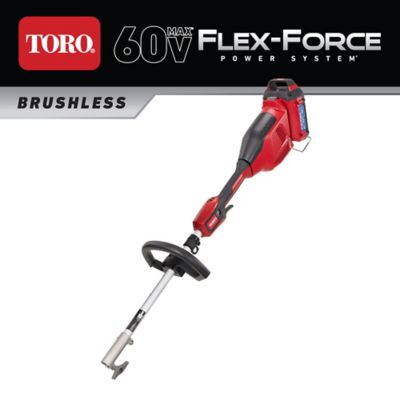
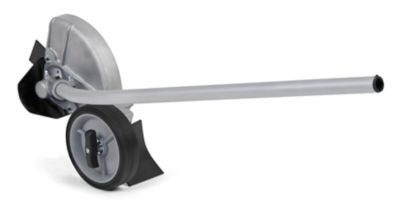
Blade construction, handle fit and adjustment features all affect how a landscaping edger feels in everyday work. Steel cutting blades need enough strength for contact with soil and roots, while the blade shape and tool design influence the kind of edge they produce. A broad half-moon blade can establish a straight section with each press; a narrow rotating blade on a powered model makes a continuous cut as the tool moves forward. Replaceable blades are worth considering because contact with soil gradually wears away the cutting surface. Blade compatibility is specific to the tool, so the correct mounting arrangement and manufacturer specifications matter more than a similar appearance. Cutting-depth adjustment can help match the tool to routine lawn maintenance or the first pass along an overgrown boundary. A deeper setting is not automatically better: the intended edge, soil conditions and nearby structures determine what is appropriate. Guide wheels and clearly visible cutting paths can make it easier to follow a sidewalk without wandering into the lawn. On wheeled models, wheel placement and stability affect control beside uneven paving or a raised concrete slab. Handle height, grip shape and balance deserve the same attention as motor or engine specifications. A shaft that fits the operator helps limit unnecessary bending, while a manageable overall weight makes turns and transport less awkward. Attachment-capable power heads may suit shoppers who already have compatible equipment, but matching the connection and approved attachment requirements is essential. Ownership also includes straightforward care. Soil and grass buildup need clearing according to the tool’s instructions, and cutting components need checks for wear, damage and loose hardware. Power must be disconnected, or the engine disabled as directed, before cleaning or blade work. Dry storage helps protect metal surfaces, while batteries, cords and engines each have their own care requirements. For a tool that travels between the garage, shed and pickup, convenient carrying and storage features can make regular upkeep less of a chore.
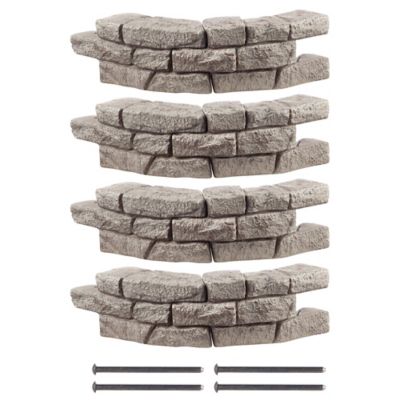
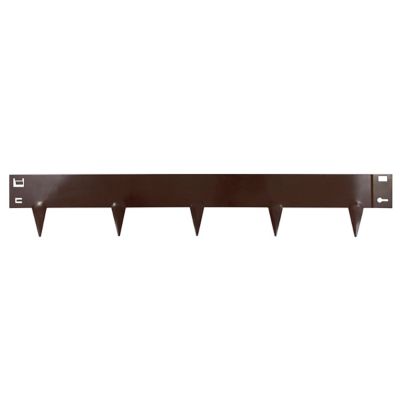
The best fit also depends on what lies alongside the grass. A long concrete driveway favors steady tracking and comfortable control over repeated passes, while a winding bed around shrubs calls for maneuverability and a clear view of the cutting line. Compacted ground and thick turf can demand more effort than a lightly overgrown sidewalk edge, regardless of the power source. Gravel borders deserve particular attention because loose stones can enter the cutting area or become thrown debris. Blade guards, eye protection, substantial footwear and the hearing protection specified for the equipment belong in the overall picture, along with keeping people and animals clear of the work area. New bed boundaries also call for checking the location of irrigation tubing, landscape wiring and buried utilities before cutting into the ground. An edger shapes the boundary, but it does not replace a physical border where one is needed. For paths with loose fill or beds that need a defined separation,
Garden Path Edgings provide a related option to consider alongside the cutting tool. The distinction is practical: the edger cuts back turf, while installed edging helps mark or contain the adjoining area, depending on its design. Around a farmhouse walk, that might mean a crisp grass line beside brick; near a vegetable patch, it might mean a neat separation between lawn and a mulched path. Both small yards and broad properties benefit from equipment matched to the actual boundary rather than acreage alone. A property with plenty of open grass may have very little edging, while a compact yard with several beds can involve lots of careful turns. Landscaping edgers bring those finishing details within reach, from reclaiming a sidewalk narrowed by creeping grass to keeping the line around a well-tended planting bed easy to see. Comfortable handling, suitable cutting depth and a practical care routine help make that tidy finish easier to maintain.