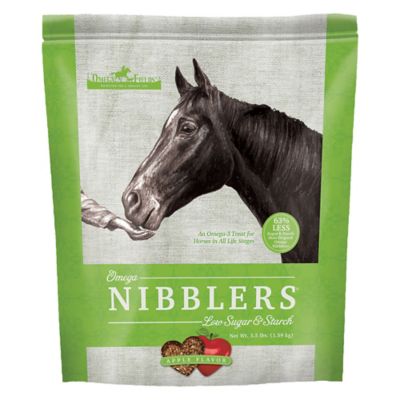
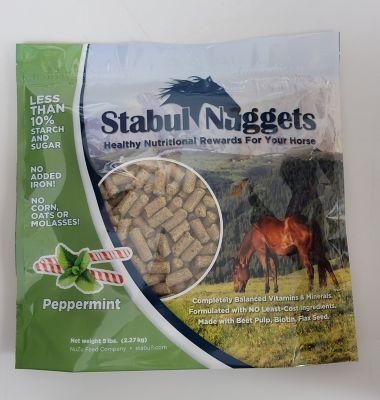
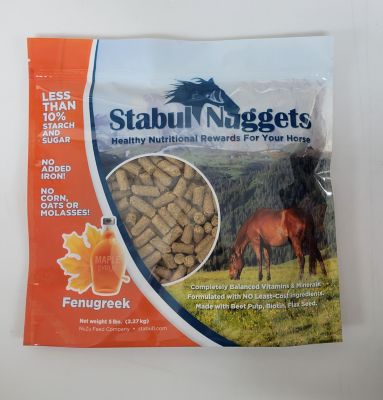
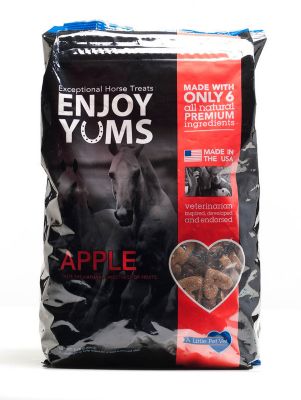
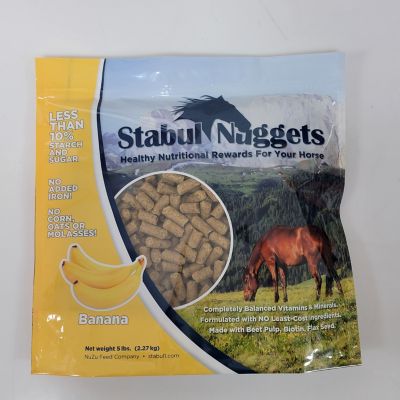
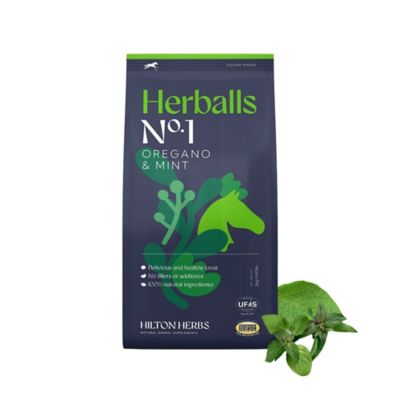
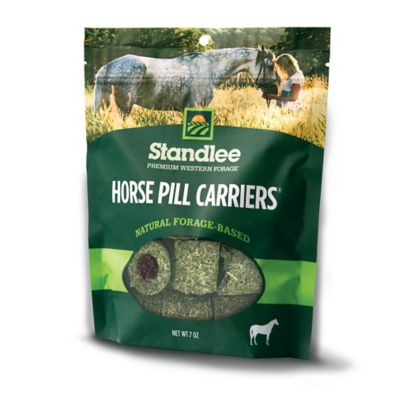
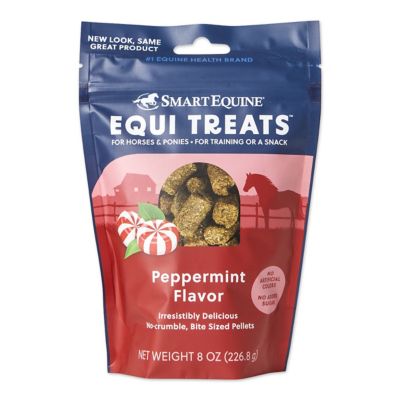
Low sugar horse treats are a handy choice for owners who want to reward a good ride, encourage a nervous horse, or add a little variety to everyday handling without loading the feed bucket with extra sugar. They can be useful for horses on a carefully managed diet, including some horses with insulin resistance, equine metabolic syndrome, PPID, or a history of laminitis, although each horse’s needs are different and a veterinarian or equine nutritionist should help set feeding limits for horses with a diagnosed condition. A low sugar label is a good place to start, but it does not tell the whole story. Check the guaranteed analysis and ingredient list for sugar, starch, nonstructural carbohydrates (NSC), molasses, and other sweeteners. “No added sugar” means sugar was not added during manufacturing, while the ingredients themselves may still contribute naturally occurring sugars or starches. Treats made without molasses and with a clearly stated sugar or NSC level can make it easier to stay within a feeding plan. Plain forage-based options, such as hay pellets made from a suitable grass or other approved forage, may also fit into some horses’ routines, provided the bag does not contain added molasses and the horse’s regular diet is considered. Fresh choices such as small pieces of celery, green beans, or cucumber are sometimes used as low sugar rewards, but introduce any new food slowly and avoid anything spoiled, seasoned, or unsafe for horses.
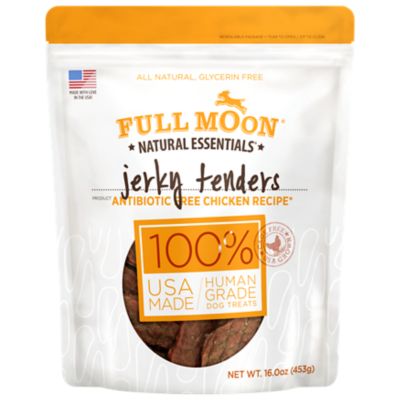
The right low sugar horse treat depends on the horse, the job at hand, and how treats fit into the rest of the ration. A small, firm snack works well for groundwork because it can be delivered quickly after a quiet halt, a lifted hoof, or a calm trailer-loading step. For a horse that takes treats too eagerly, larger pieces may be less helpful than tiny portions, and hand-feeding from an open palm or using a bucket can improve safety and manners. Count treats as part of the daily intake, especially for easy keepers or horses that gain weight on modest amounts of feed. Follow the package feeding directions, keep portions small, and avoid tossing a full handful into a stall simply because the treats are marketed as low sugar. Some owners carry a few pieces in a pocket during cooler barn chores, while others reserve them for after riding, clipping, bathing, or farrier visits. A treat can also be a thoughtful gift for a horse owner, riding instructor, barn manager, or young rider who enjoys building a trusting partnership with a favorite horse. Look for resealable packaging, clear feeding instructions, and treats that hold up well in a tack room or feed room. During warmer weather, store bags away from direct sun and dampness; as cooler months settle in, protect them from condensation, rodents, and freezing moisture. It is wise to introduce a new recipe gradually and watch for changes in manure, appetite, body condition, or behavior. A horse with a sensitive digestive system may do better with a simple ingredient list, while another may enjoy a small flax-based or forage-based reward. Dogs in the barn crew need their own snacks and nutrition plan, so choose from options made for them, such as
Healthy Dog Treats, rather than sharing horse treats indiscriminately.
Low sugar treats are best used as a small part of a bigger routine built around quality forage, fresh water, appropriate exercise, and a balanced feeding program. They are not a substitute for hay, pasture, salt, or a complete ration, and a low sugar recipe may still be calorie-dense enough to affect a horse’s weight when fed generously. Horses with laminitis, insulin resistance, PPID, or other metabolic concerns may need tighter limits on both sugar and starch, not just a treat labeled “healthy,” so read the full package information and keep your veterinarian’s recommendations in mind. If a product lists sugar and starch separately, consider the combined picture rather than focusing on a single number. When those values are not provided, contact the manufacturer or choose a product with more complete nutritional information. Keep treats in a clean, dry container, use a dedicated scoop or measuring cup, and make sure every person feeding at the barn understands the horse’s limits. A simple note on the feed-room door can prevent well-meaning visitors from handing out several servings in one afternoon. Whether the reward comes after a dusty summer ride, a quiet lesson, or a steady grooming session during the cooler months, small portions and consistent handling help keep treat time pleasant and predictable. With the right low sugar horse treats on hand, owners can celebrate progress, reinforce good manners, and share a familiar barn ritual while staying mindful of the horse’s overall health and daily diet.