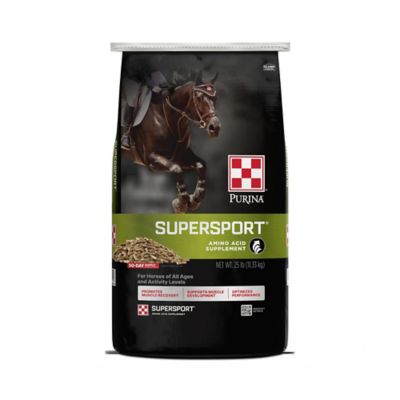
Horse topline supplements provide concentrated nutritional support for the muscles along a horse’s neck, back, loin, and hindquarters. These muscles help a horse carry a rider, hold a balanced frame, and handle everyday work, from checking fences to schooling in the arena. Many formulas supply amino acids, including lysine, methionine, and threonine, which the body needs to build and maintain muscle protein. Essential amino acids must come from the diet, and when one is in short supply, the horse cannot make full use of the other building blocks in its feed. That is why a supplement’s amino acid profile can matter more than a high crude protein percentage alone. Crude protein describes the overall protein content, but it does not tell the whole story about digestibility or the amounts of individual amino acids. Horse topline supplements work best as part of a balanced ration with enough forage, energy, vitamins, and minerals, alongside exercise suited to the horse’s condition. They do not build muscle on their own or replace hay, pasture, appropriate feed, or conditioning. A horse can carry plenty of body fat and still have limited muscle over its back, so weight gain and topline development are not the same thing. Picture a trail horse with rounded ribs but hollows behind the withers: simply adding more calories may not address what is missing. The right nutritional support depends on the full ration, the horse’s workload, and whether the concern is muscle loss, low body weight, or both. Genetics, age, posture, and health also affect how the topline looks. For ranch horses, show horses, pleasure mounts, and older companions, these supplements offer a way to address identified dietary gaps without treating every horse as though it needs the same feed plan. The goal is to support muscle condition appropriate to the individual horse, not to promise a particular outline or a quick change in appearance.
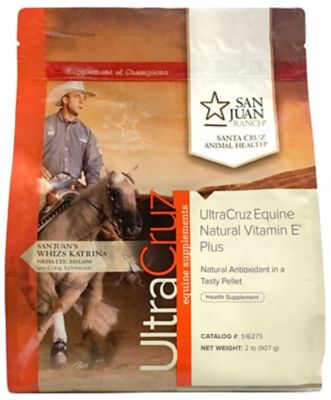
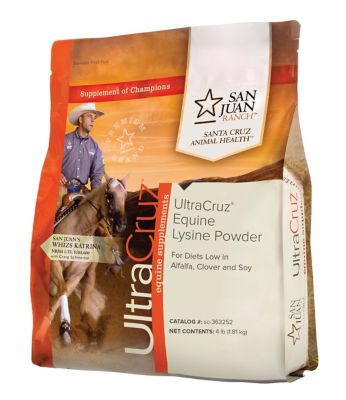
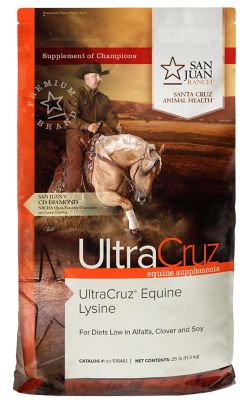
The main differences among horse muscle support supplements come down to their ingredients, nutrient concentration, serving size, and intended role in the ration. Targeted amino acid formulas focus on specific building blocks, while broader protein supplements may supply those nutrients through ingredients such as soybean meal or other protein sources. Some formulas also contain vitamins, minerals, added fat, or ingredients intended to support digestion. Ration balancers serve a broader nutritional purpose and may supply amino acids along with vitamins and minerals; they are not interchangeable with every concentrated topline supplement. A horse eating mostly forage may have different gaps than one receiving the full recommended amount of a fortified feed. Adding another fortified supplement without checking the total ration can create unnecessary overlap, especially with nutrients such as selenium. Hay analysis, feed labels, and input from an equine nutritionist help put those numbers in context. For an easy keeper that maintains weight on forage, a concentrated amino acid supplement may fit better than a calorie-dense formula, provided the rest of the diet is balanced. A lean horse doing steady work may also need more dietary energy, something an amino acid supplement alone cannot supply. Horses with metabolic conditions, kidney concerns, or other health needs require a feeding plan worked out with their veterinarian. Powders and pellets offer different ways to deliver nutrients at the feed tub. A powder may blend well into a lightly dampened meal, while pellets may be easier to portion and less likely to sift through dry feed. Either form still depends on the horse eating the entire serving. For the gelding that noses every unfamiliar bite aside, acceptance matters as much as what is printed on the label. Comparing nutrients per daily serving, rather than by scoop size or container weight, gives a clearer picture of what each formula contributes. Serving directions may vary with body weight and workload, and the scoop supplied with one formula should not be assumed to measure another correctly.
Fitting a topline supplement into barn chores should be straightforward enough to keep the feeding routine consistent. Clear feeding directions, a measurable serving, and packaging that closes securely all matter when several horses have different rations. Supplements belong in a dry, protected feed area, away from moisture, pests, and access by loose horses. Keeping the original label with the container preserves the ingredient list, lot information, expiration date, and feeding directions. Fresh water and an appropriate salt supply remain part of the bigger feeding picture, even when attention is on muscle support. Any ration change should follow label directions and be introduced gradually when appropriate, with attention to appetite, manure consistency, and whether feed is left behind. Topline development takes time, and the pace depends on much more than the supplement. A horse returning to work after a layoff needs a gradual conditioning program, while a senior with trouble chewing may need dental attention and a different forage format before added nutrients can do much good. Saddle fit and back comfort matter, too: a horse that moves defensively because something hurts cannot be expected to develop muscle normally through more feed alone. Unexpected muscle loss, soreness, weakness, or a marked change in performance deserves a veterinary assessment rather than another scoop in the bucket. For healthy horses on an appropriate program, photographs taken from the same angle and regular assessments of body and muscle condition can help track changes that are easy to miss during daily chores. Competition horses also need supplements checked against the rules of their governing organization, since permitted ingredients and testing requirements can differ. Shoppers comparing related equine nutrition options can also explore
Platinum Horse Supplement. Whether the horse spends its days working cattle, carrying a rider down the trail, or easing back into arena work, a suitable topline supplement should have a clear job in the ration: supplying nutrients that support muscle maintenance and development while fitting the horse’s health, workload, and everyday feeding routine.