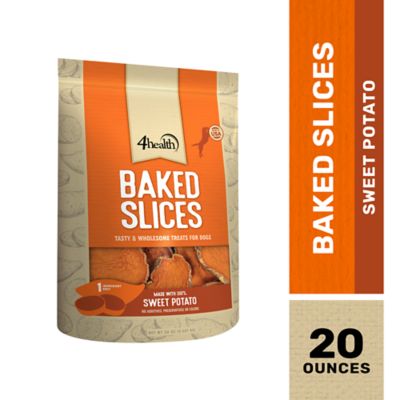
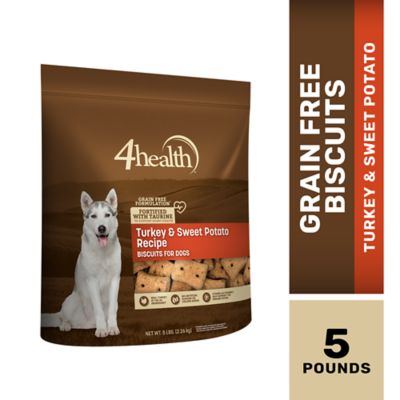
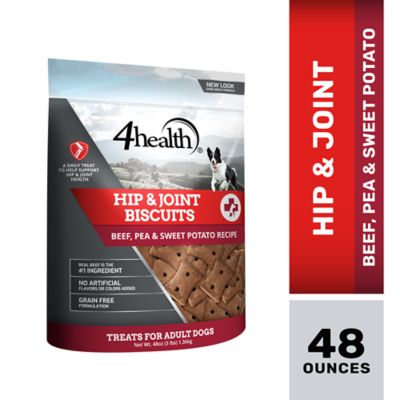
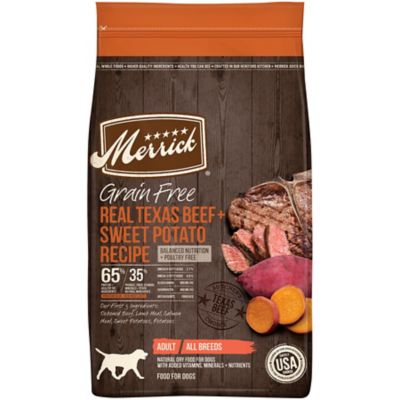
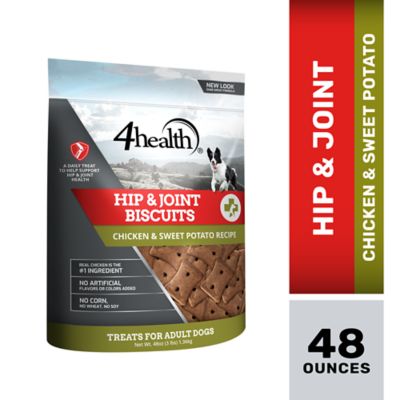
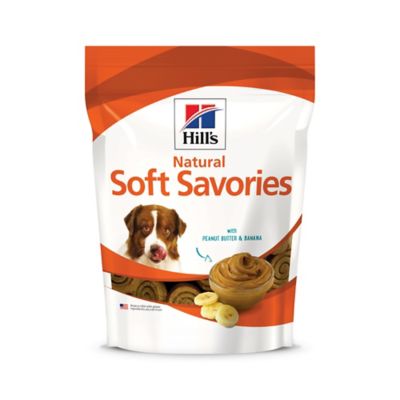
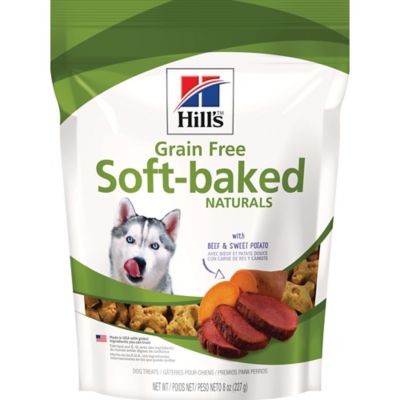
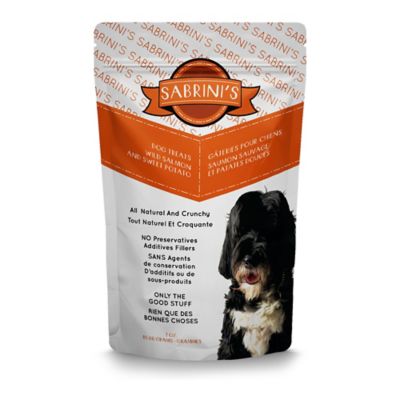
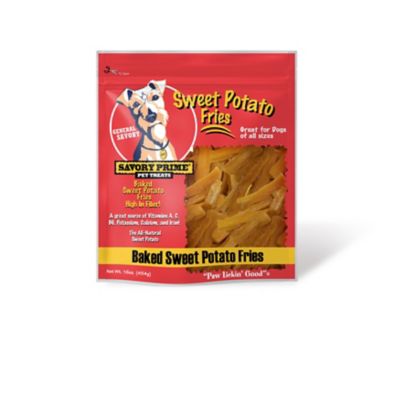
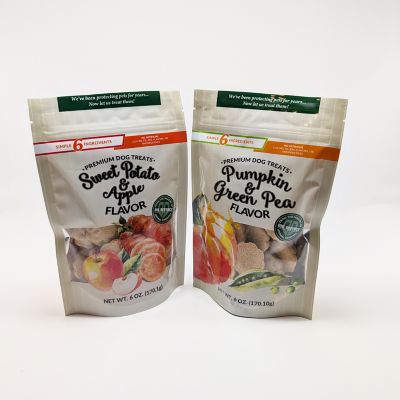
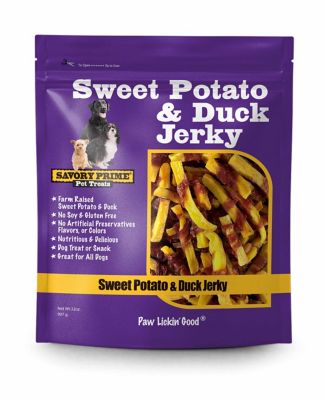
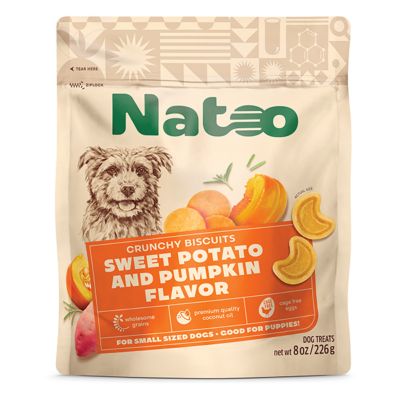
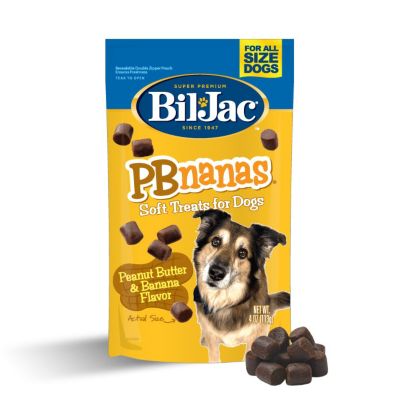
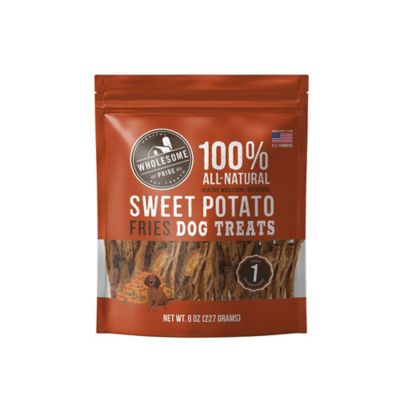
Sweet potato dog treats are snacks made with sweet potato as the main ingredient or as part of a recipe with other foods. They come in several forms, including dried slices, chewy strips, crunchy biscuits, and soft bites, giving dogs different textures to enjoy between meals. Single-ingredient sweet potato treats contain only sweet potato, while blended recipes may include meat, grains, peanut butter, or other ingredients. That distinction matters when shopping for a dog with a food sensitivity or simply keeping track of what goes into the treat jar. Sweet potatoes contribute dietary fiber and contain beta-carotene, which dogs can convert to vitamin A, but the nutrient content of a finished treat depends on its recipe and processing. These snacks are a reward, not a replacement for complete and balanced dog food. Their naturally sweet flavor can appeal to dogs that enjoy vegetable-based treats, though preferences vary from one pup to the next. Dried sweet potato slices often have an earthy orange color, irregular edges, and a firm, leathery texture. Thickness and moisture content affect how easily a piece bends or breaks, so two treats made from the same vegetable may offer quite different chewing experiences. Biscuits with sweet potato tend to provide a crisper bite, while soft recipes can be easier to portion for frequent rewards. A short ingredient list can make a recipe easier to review, but it does not automatically make that treat the right choice for every dog. Likewise, sweet potato on the label does not necessarily mean a snack is grain-free, meat-free, or low in calories. The full ingredient list, calorie statement, and feeding directions give a clearer picture than the flavor name alone. For a dog waiting patiently by the back door or settling onto a bed after chores, the best match starts with a recipe that fits that dog's regular diet and a texture the dog can comfortably manage.
Size and chewing style play a big part in choosing sweet potato dog treats. A broad, thick slice may take some dogs longer to work through, while another dog may try to swallow it with hardly a chew. No shape or texture guarantees a long chewing session, and edible sweet potato chews are not a substitute for a chew toy. Package recommendations for a dog's size and age help narrow the choices, especially for puppies, small dogs, and strong chewers. Treats should be large enough that a dog cannot easily gulp them whole, yet manageable enough to bite and chew without struggling. Supervision matters even with a familiar snack, particularly as a larger piece becomes smaller. For dogs with missing teeth, sore mouths, or a history of dental trouble, a veterinarian can help determine whether a softer treat is appropriate; a vegetable ingredient does not make a hard snack gentle on teeth. Texture also affects where a treat fits into the day. Small, soft sweet potato bites can suit short practice sessions for sitting at the door, coming when called, or standing calmly while a leash goes on. A treat that can be eaten quickly keeps attention on the next cue rather than a lengthy chewing break. Larger slices may fit a quiet, supervised pause on the porch better than a walk or an active training session. Breakable treats offer flexibility, although thick dried pieces may not divide neatly and can leave firm edges. For households with more than one dog, separate treat time helps keep a fast eater from rushing over to claim another dog's share. Dogs that guard food need extra space and a handling plan suited to their behavior. A busy farm dog, a companion riding along on errands, and an older dog resting near the kitchen may all enjoy sweet potato snacks, but they do not necessarily need the same portion or format. Matching the treat to the dog matters more than matching every dog to one bag.
Everyday handling and portion size help sweet potato treats fit smoothly into a dog's routine. Calories from treats generally should make up no more than 10 percent of a dog's daily calorie intake, with the rest coming from complete and balanced food unless a veterinarian recommends otherwise. That allowance includes all extras, not just the snacks from one package. A few rewards at the barn gate, a biscuit after a walk, and a bedtime bite can add up, especially for a smaller dog. Calorie information per piece or by weight helps make those portions easier to track. Fiber can affect stool consistency, and too much of a new treat may cause digestive upset, so small introductory portions make sense even when the ingredient list is simple. Dogs managing diabetes, weight concerns, food allergies, or other medical conditions may need a more specific treat plan. Single-ingredient snacks can simplify ingredient checking, but a prescribed diet or food trial calls for veterinary guidance before adding anything extra. Storage deserves a little attention, too. Resealable packaging helps protect treats from moisture and exposure to air, provided the seal closes fully after each serving. Follow the package directions for storage and any instructions that apply after opening. If treats go into a separate container, keeping the original label preserves the ingredient list, feeding information, lot number, and best-by date. An airtight container belongs somewhere clean, dry, and out of reach of a determined nose; a feed room shelf within jumping distance may not be far enough. Treats showing mold, an unexpected odor, or an unexplained change in texture should be discarded. For a household that rotates flavors,
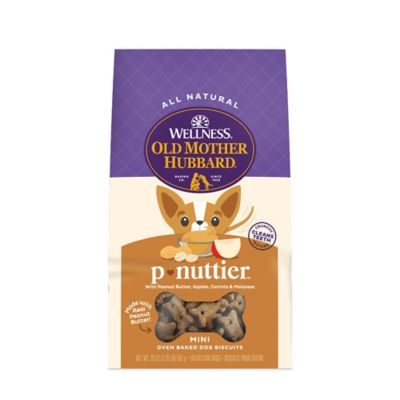
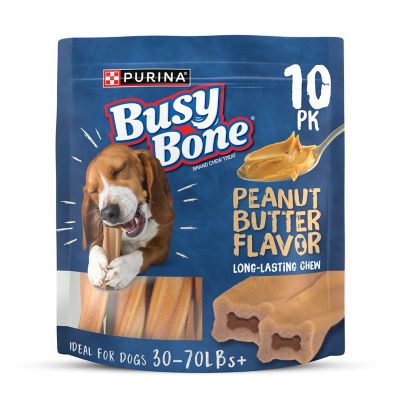
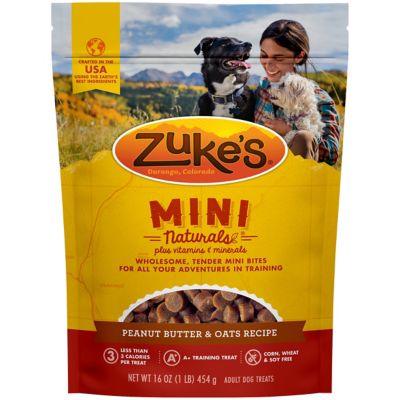
peanut butter dog treats offer another category to consider, with the same attention to ingredients, portions, and chewing needs. Sweet potato dog treats can also make a thoughtful addition to a gift for a dog-owning friend when the dog's size and dietary restrictions are known. Whether tucked into a training pouch or kept beside the leash, a well-matched snack makes those small rewards easy to work into everyday life.