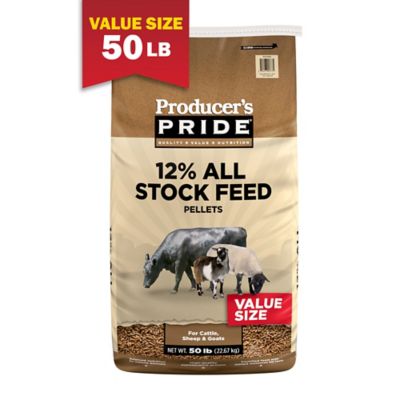
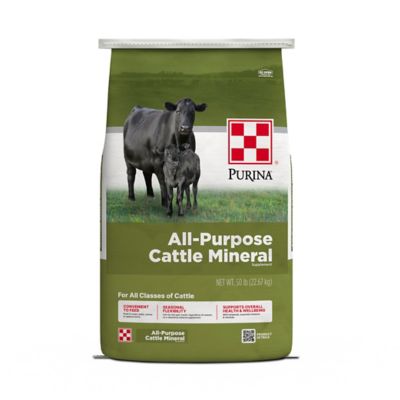
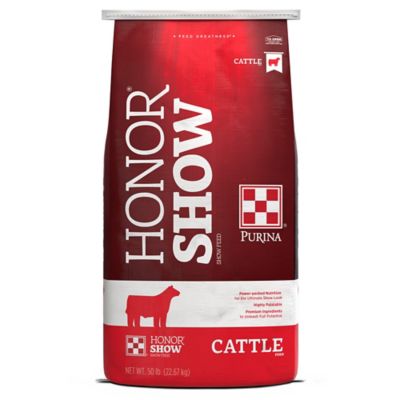
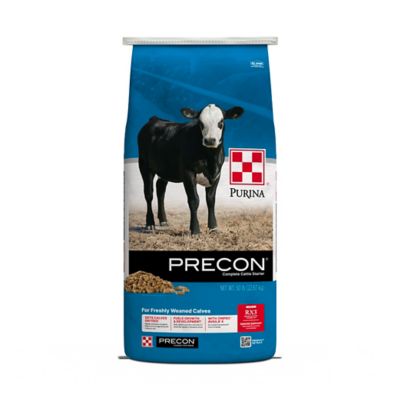
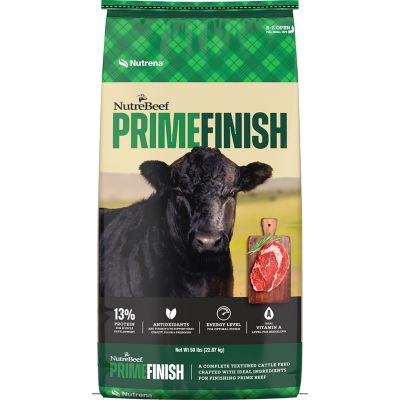
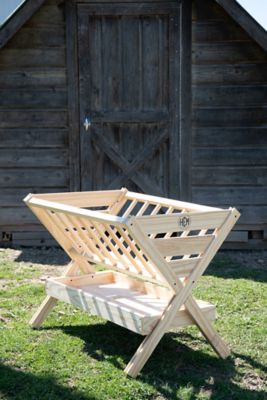
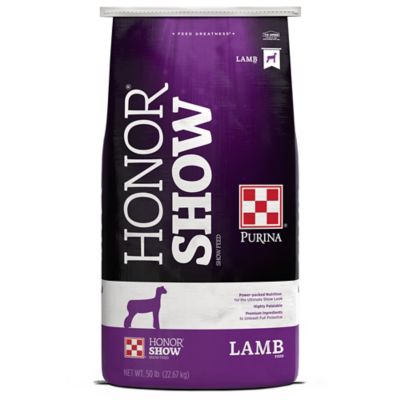
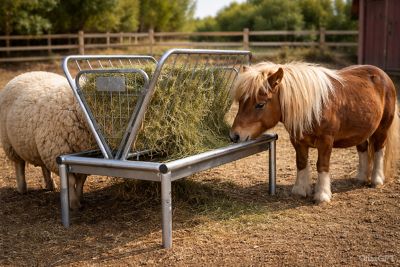
Livestock feed in San Antonio, Texas, fits a wide range of daily chores, from feeding a few goats on a Bexar County acreage to keeping cattle, sheep, or hogs on a steady feeding program outside town. The right fit starts with the animals at the bunk: their species, size, age, and job all shape what belongs in the ration. A mature cow maintaining body condition has different needs from a growing calf, and a market hog needs a different balance than a ewe raising lambs. Feed categories reflect those differences through their ingredients, nutrient levels, texture, and feeding directions. Grain ingredients can supply energy, plant protein sources can support growth and production, and added vitamins and minerals help round out a formula for its intended purpose. Pelleted feeds bring ingredients together in a consistent form, while textured feeds have a different feel and appearance that may suit certain feeding programs. Neither form tells the whole story on its own; the species designation, guaranteed analysis, and directions on the label carry more weight than how a feed looks in the scoop. For cattle, sheep, and goats, the relationship between feed and forage matters, too. Hay, pasture, and other roughage often provide the foundation, with supplemental feed serving a particular role rather than automatically replacing that foundation. Some formulas are complete feeds when fed as directed, while others belong alongside forage or additional ration components. Sheep need particular attention because copper levels suitable for some other livestock can be harmful to them. On a mixed-animal place, separate feeding areas and clearly marked containers help keep each ration with the animals it is meant for. Whether the chore starts at a hay rack, a row of pens, or a small barn behind the house, feed suited to the animal makes the daily routine easier to keep consistent.
Life stage adds another layer to livestock feed selection, especially when a herd or flock includes growing animals, breeding adults, and animals producing milk. Growth formulas are intended to support developing bodies, while maintenance feeds serve animals whose main need is holding an appropriate condition. Breeding animals have changing nutritional demands across their production cycle, so a ration that fits one stage may not fit the next. The
Livestock Feed For Breeding category brings that purpose into focus for livestock keepers considering feed around breeding, pregnancy, and nursing. Energy, protein, minerals, and overall intake all matter, but more feed is not always the answer. An animal carrying too much condition can need a different approach from one struggling to maintain weight, even when both are part of the same herd. Body condition, forage intake, and the feeding directions provide useful context, with a veterinarian or livestock nutritionist helping sort out individual needs. For families raising animals through 4-H or FFA, the feed category also connects to a hands-on daily routine: measuring portions, watching how an animal eats, and tracking growth over time. A lamb heading toward a market project, a replacement heifer, and a doe feeding kids each call for a feeding plan built around that animal rather than a single scoop for every pen. Nutrient percentages make more sense when considered alongside the amount fed and everything else the animal eats. A higher protein number alone does not establish whether a formula fits the job. Likewise, mineral needs are about balance, not simply adding more of every nutrient. Feeds and supplements need to work together without unnecessary overlap. These distinctions are useful for experienced ranch hands as well as folks taking on their first livestock project, because the bag’s intended use should line up with the animal standing at the feeder.
Feed form, handling, and storage also matter once a feeding program becomes part of everyday life around San Antonio. A ration has to make sense not only on its label but also in the way it moves from the bag to the feed room and out to the animals. Pellet size, texture, and the amount of fine material can affect how a feed handles in a scoop or feeder. Pelleted formulas can limit opportunities for animals to sort through individual ingredients, although feeder setup and eating habits still affect waste. On a place with several pens, clear labels and separate scoops can make it easier to keep species-specific feeds straight. Keeping the original label or its feeding information with the feed is especially helpful when more than one person shares chores. Portions measured by weight offer a clearer picture than scoop volume alone, since the same scoop can hold different weights of different feeds. Storage calls for a clean, dry space, containers that help keep rodents out, and a routine that moves older feed through before newly opened bags. Feed that smells musty, shows mold, or has signs of pest damage does not belong in the bunk. A tidy storage area also makes spills easier to spot and clean up before they attract trouble. At feeding time, enough feeder space helps reduce crowding, while access to clean drinking water supports normal intake and digestion. Feed changes generally call for a gradual transition that follows the label and fits the animal’s needs rather than an abrupt swap. Together, these everyday details help connect the feed category to the work it serves: supporting growing livestock, maintaining breeding animals, and keeping feeding routines manageable. For a small homestead, a family livestock project, or a working ranch near San Antonio, the most useful distinctions remain straightforward—what animal the feed is for, what role it plays in the ration, and how well it fits the chores at hand.