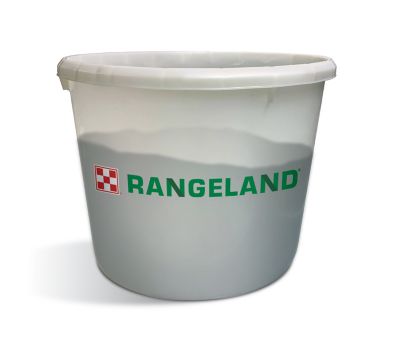
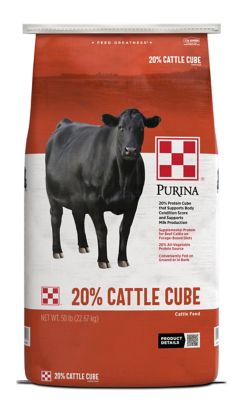
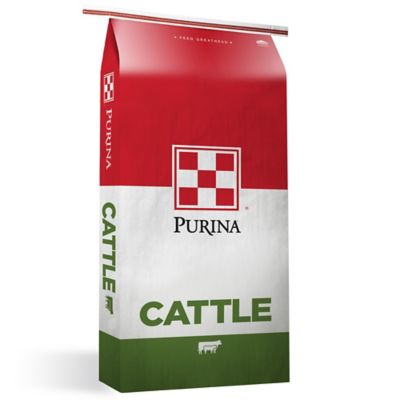
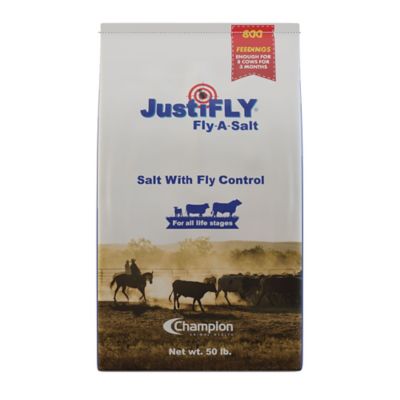
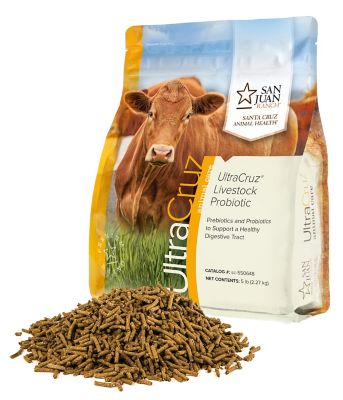
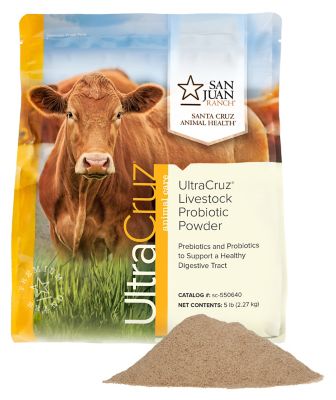
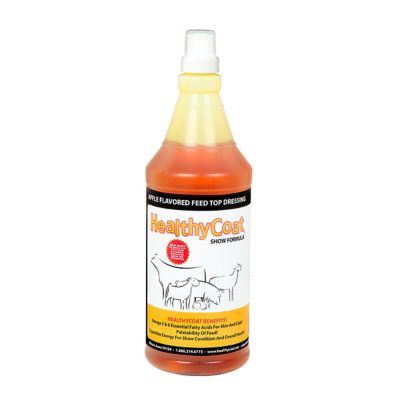
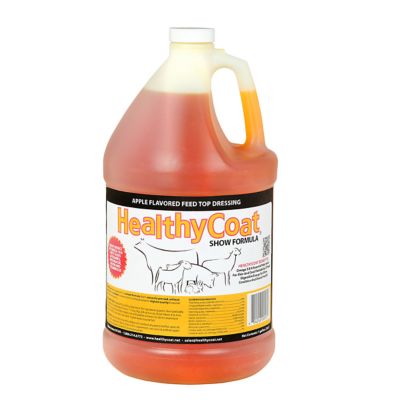
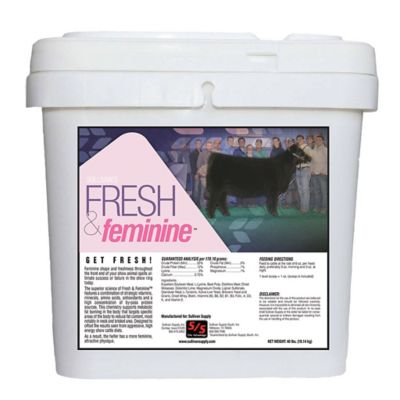
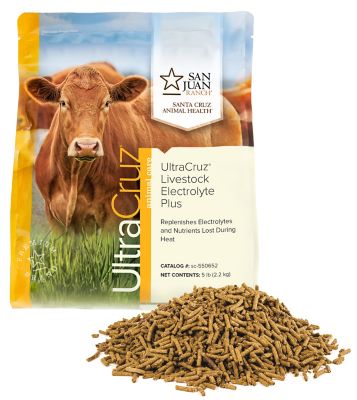
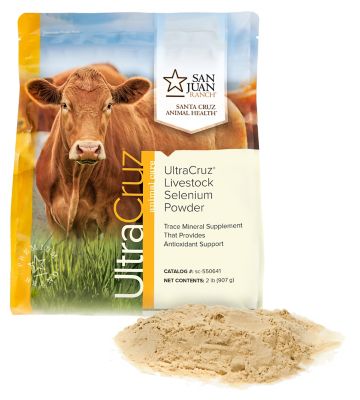
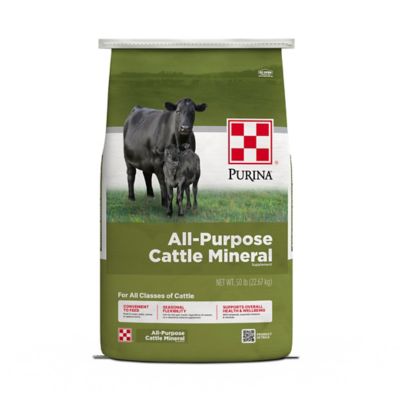
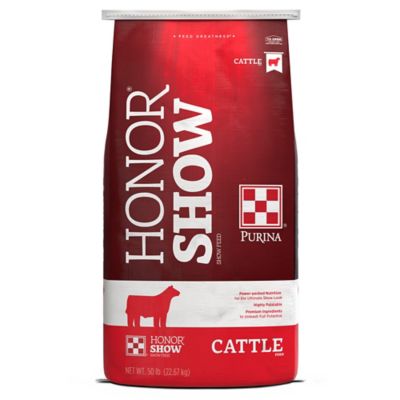
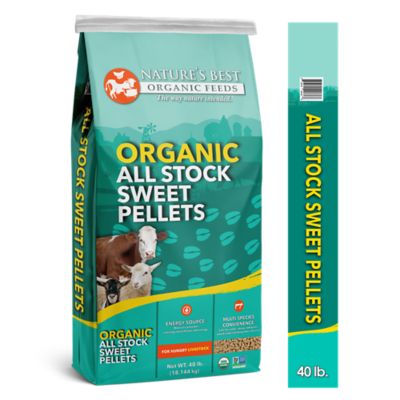
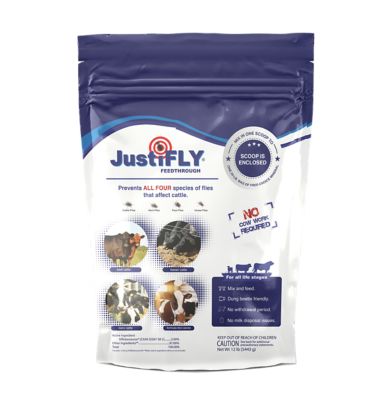
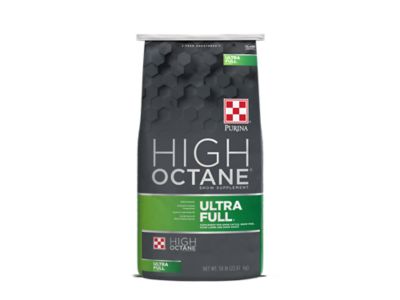
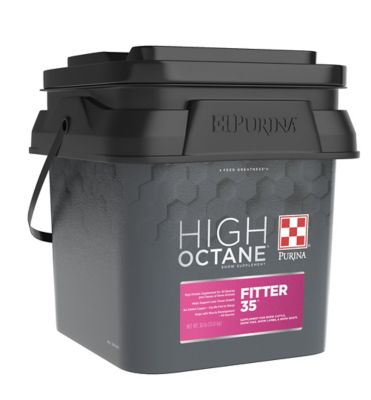
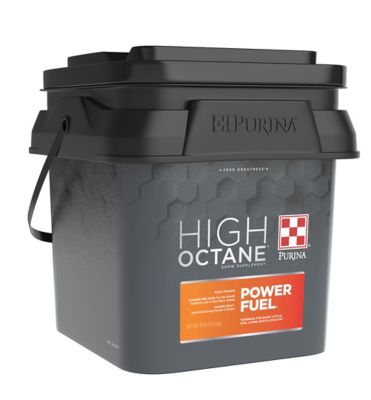
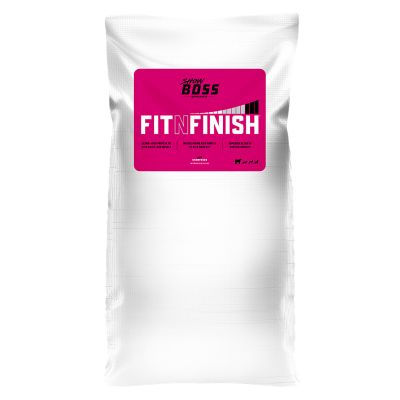
Cattle feed supplements help fill the gaps when pasture, hay, or a base ration does not provide everything a herd needs. Depending on the formula, they can supply protein, energy, vitamins, and minerals that support rumen function, steady growth, body condition, milk production, and overall herd health. Protein supplements are especially useful when mature grass, weathered pasture, or dry forage is low in protein. Added protein can help cattle make better use of the forage already in front of them, supporting the rumen microbes responsible for breaking down roughage. Energy supplements may be considered for growing calves, cows carrying extra nutritional demands, or cattle that need help maintaining condition during periods of heavy lactation, limited forage, or cooler weather. Mineral and vitamin supplements commonly provide nutrients such as calcium, phosphorus, salt, magnesium, copper, zinc, selenium, and vitamin A, though the right balance depends on the forage, water source, soil conditions, animal class, and local deficiencies. A beef cow with a spring calf at side has different needs than a dry mature cow, stocker cattle, or a high-producing dairy animal, so selecting a supplement begins with knowing the herd and the ration. Hay testing, pasture observation, and advice from a veterinarian, extension professional, or livestock nutritionist can make that decision more accurate than guessing by appearance alone. As the weather warms and forage changes through the growing season, cattle may eat more lush grass but still need a carefully balanced mineral program. During the cooler months, dry grass and stored hay can call for more attention to protein, energy, and vitamin intake. Clean water should always be available, since cattle cannot properly use many nutrients without adequate hydration.
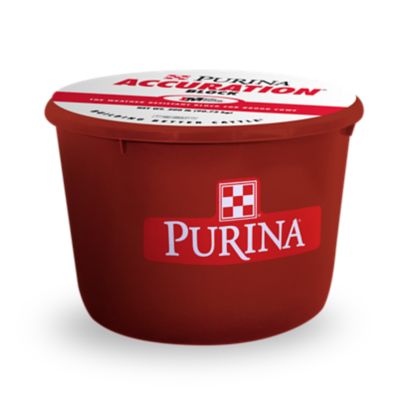
Cattle feed supplements are available in several feeding forms to suit different operations and handling routines. Loose mineral mixes can be placed in a covered mineral feeder for free-choice access, while blocks and tubs are designed for convenient placement in pasture or lots and may hold up well where daily hand-feeding is difficult. Liquid feeds, including molasses-based blends, can offer protein, energy, and minerals in a format that works with lick tanks or other approved feeding equipment. Cubes, pellets, and meal-style supplements may be hand-fed in a bunk, offered in measured portions, or mixed into a total mixed ration when more precise control is needed. Salt-limited formulas can help regulate intake, but they still require regular observation because cattle consumption changes with forage quality, weather, herd size, and access to other sources of salt or minerals. Read the feed tag before buying and compare the guaranteed analysis, protein level, nutrient sources, feeding directions, intake expectations, and intended animal class. Pay close attention to warnings for calves, breeding animals, lactating cows, and other sensitive groups. Some mineral ingredients can be harmful when fed at the wrong rate, and cattle sharing pasture with sheep require particular care because sheep are much less tolerant of copper. Keep supplements dry and protected from rain, mud, and contamination, and use feeders that limit waste and keep animals from standing in the feed. For liquid products, check that the tank and delivery equipment are suited to the formula and that changing temperatures will not interfere with flow or intake. A practical feeding plan also includes watching the cattle themselves: a bright eye, active appetite, sound rumen fill, steady manure consistency, and maintaining a useful body condition can tell you a great deal when viewed alongside feed records. Introduce changes gradually, make sure timid animals can reach the feeder, and avoid assuming that more supplement will produce better results. The goal is to complement forage or a complete ration, not replace sound nutrition management.
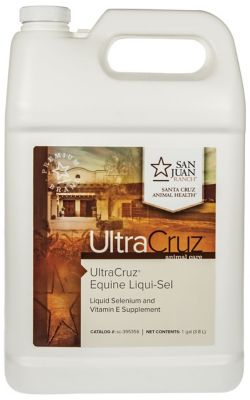
When comparing cattle feed supplements, start with the job the feed needs to do and the way your cattle are managed. A pasture-based herd may benefit from a free-choice mineral program or a protein supplement that supports digestion of mature grass, while a confined herd may need a measured ingredient that fits neatly into an existing ration. Producers raising replacement heifers often look for steady, controlled growth rather than rapid weight gain, and cow-calf operators may focus on body condition, breeding readiness, and keeping cows productive without wasting feed. Dairy managers typically pay close attention to energy, protein, mineral balance, and intake during periods of high milk production. A supplement can also be useful when drought, excess rain, frost, or poor hay quality reduces the nutritional value of available forage, but it works best as part of a complete plan that includes good hay, pasture management, parasite control, and routine herd checks. Keep a record of when a supplement is offered, how much the cattle consume, and any changes in condition or performance. That simple notebook by the feed room can reveal patterns that are easy to miss from one pasture check to the next. If you also care for horses, keep their feed separate and choose a formula made for the species; cattle supplements are not automatically suitable for equines. For horse-specific options, see
Horse Liquid Feed Supplements. By matching the supplement form and nutrient profile to the herd’s forage, age, production stage, and feeding setup, you can make daily chores more manageable while giving cattle dependable nutritional support through changing pasture conditions and the cooler seasons ahead.