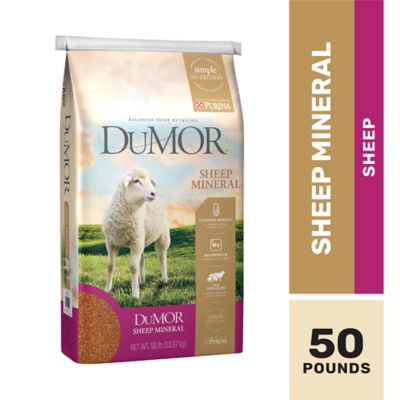
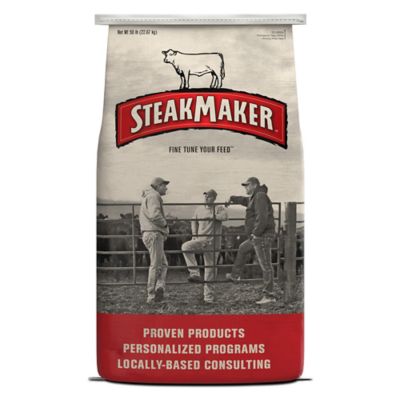
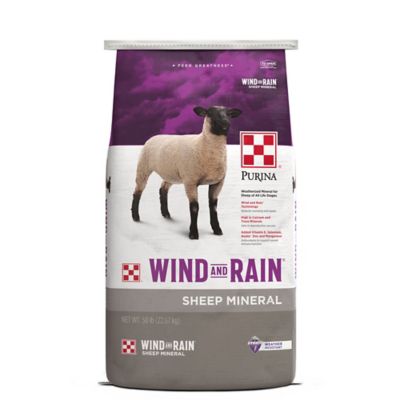
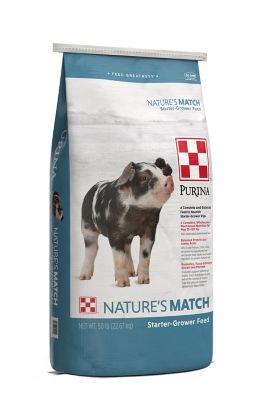
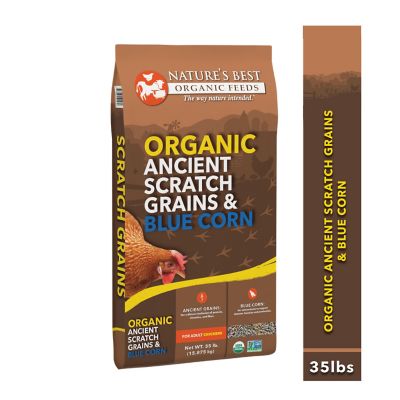
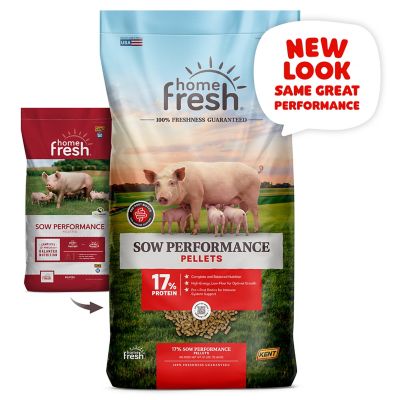
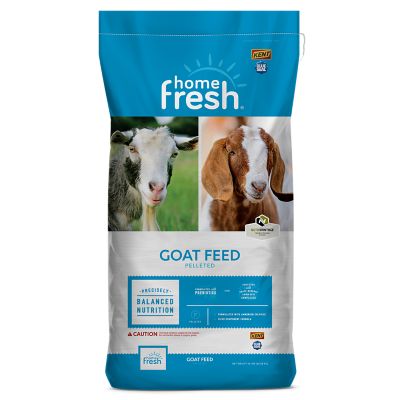
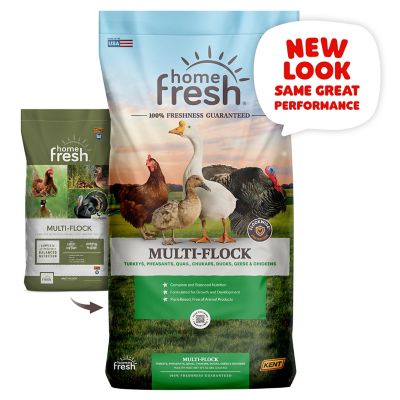
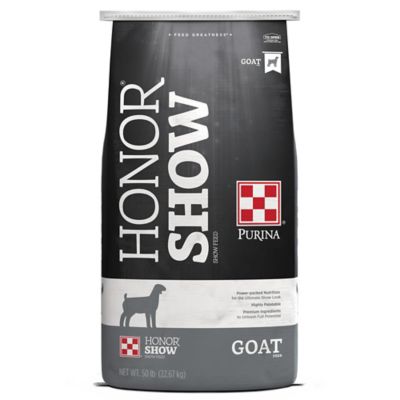
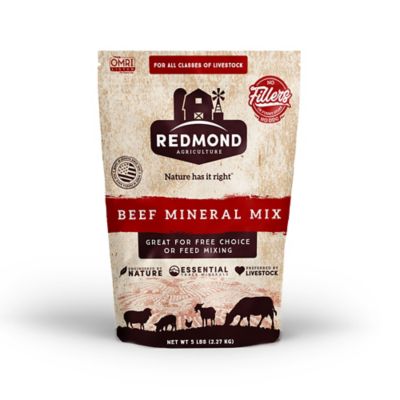
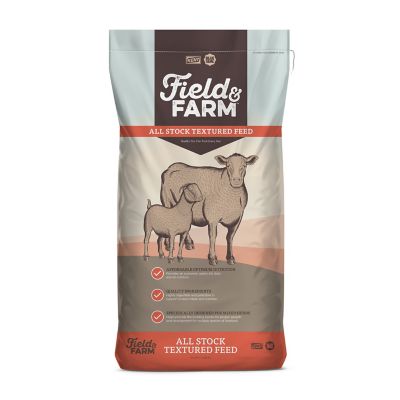
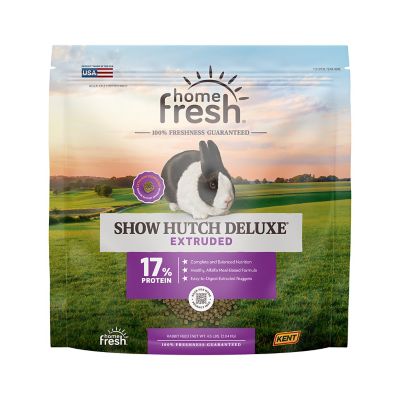
When it comes to breeding season, making sure your livestock get the right nutrition is about as important as keeping fences mended and water troughs full. Folks raising cattle, sheep, goats, pigs, or even alpacas know that the feed you pick during this time can make a real difference in the health of your herd and the success of your breeding program. The goal is to give your animals the best shot at strong fertility, smooth pregnancies, and healthy offspring, and that all starts with a well-balanced diet. Breeder feeds are specially formulated to provide the right balance of protein, energy, vitamins, and minerals, supporting everything from reproductive cycles to embryo development. You’ll often hear about “flushing”—that’s when you boost nutrition just before and during breeding to help increase ovulation rates, especially in sheep and goats. This practice, along with choosing the right feed, can mean more lambs or kids on the ground come spring.
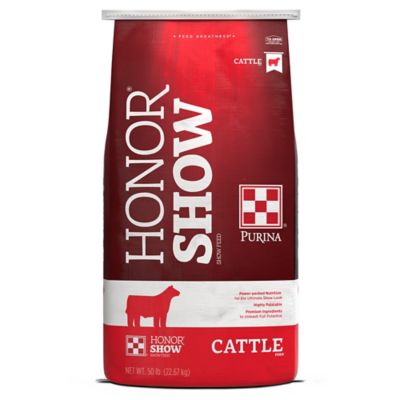
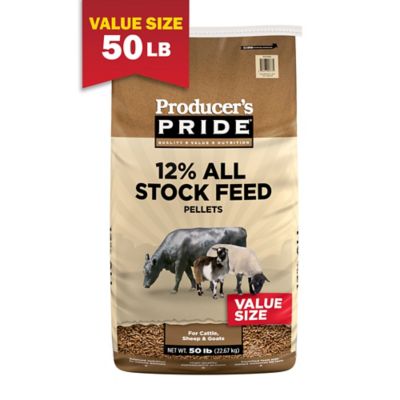
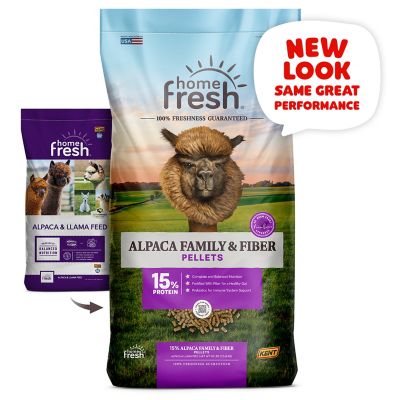
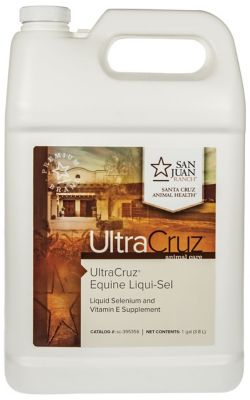
For most folks, the feed you’ll want to look for depends on the species you’re raising and what kind of forage is available on your land. Breeding cattle often do well with high-protein cubes or pellets to supplement pasture, making sure they keep a good body condition so cycling isn’t delayed. Sheep and goats, on the other hand, have their own needs—minerals like selenium and vitamin E are crucial to avoid reproductive issues and keep things running smoothly. It’s also important to keep an eye on copper levels, especially if you’re running mixed herds, since sheep can’t tolerate as much as other animals. For those managing herds through the late summer heat and into the cooler fall months, keeping energy levels up with the right carbohydrates helps prevent weight loss, which can throw off breeding cycles. If you’re raising alpacas or llamas, you’ll want a feed that’s dense in nutrients but still easy on their unique digestive systems, making sure adults have all they need for breeding and gestation. And of course, don’t forget about the basics—clean water and quality forage should always be part of the plan.
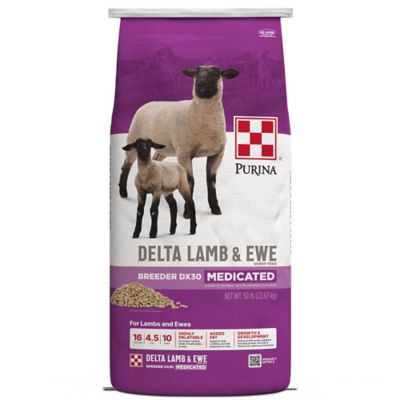
Breeder feeds aren’t just for big operations, either. Whether you’ve got a couple of backyard goats or a whole pasture full of cattle, choosing the right feed can make a real difference. Some folks even give bags of breeder feed as practical gifts to friends or family who are getting started with livestock or expanding their herds. It’s a thoughtful way to support someone’s farm goals, especially during breeding season when every little bit helps. When you’re shopping for the right feed, look for products that are tailored to your animals’ specific needs, taking into account their age, weight, and stage of reproduction. And if you’re raising sheep, you might want to check out some of the options on our
Sheep Feeds page for more ideas. No matter what you’re raising, investing in the right breeder feed is one of the best ways to set your animals—and your operation—up for a successful season. From the first signs of heat to the last cool days of fall, good nutrition is the foundation for healthy livestock and a productive breeding program.