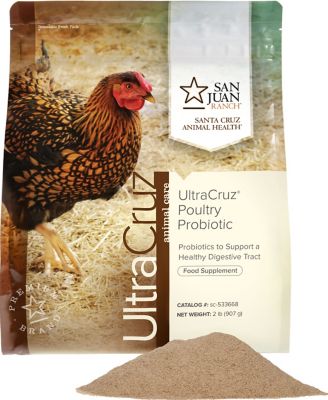
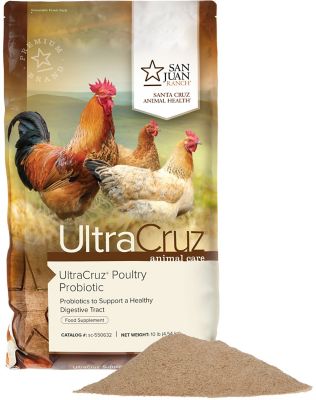
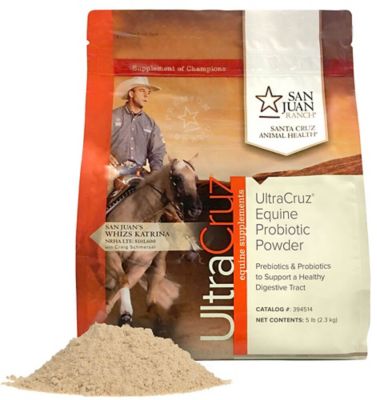
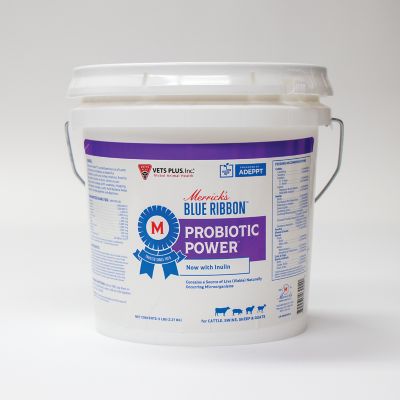
When it comes to keeping your herd or flock healthy, paying attention to gut health is just as important as providing fresh water, quality feed, and proper shelter. Livestock probiotics—sometimes called direct-fed microbials—have become a staple on many farms and ranches, especially as folks look for ways to support animals through the ups and downs of the seasons. Whether you’re raising cattle, sheep, goats, pigs, or poultry, probiotics can play a big role in maintaining digestive balance, especially during times of stress like weaning, hauling, or sudden changes in feed. These supplements contain live, beneficial bacteria and yeasts that help stabilize the gut, making it easier for your animals to break down feed, absorb nutrients, and stay on track with weight gain or milk production. For anyone who’s ever dealt with scours in young calves or digestive upset in show animals, you know how quickly things can go sideways—and how important it is to have a plan for supporting gut health before trouble starts.
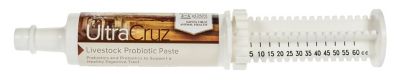
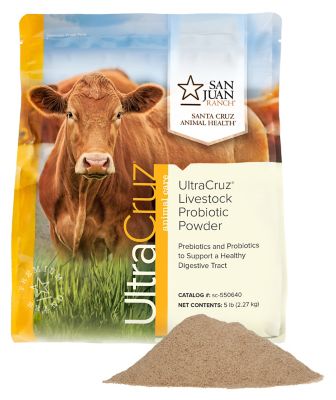
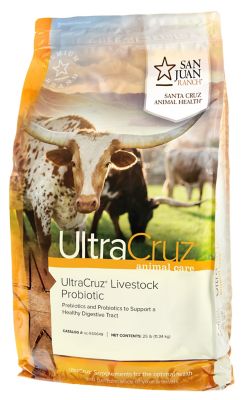
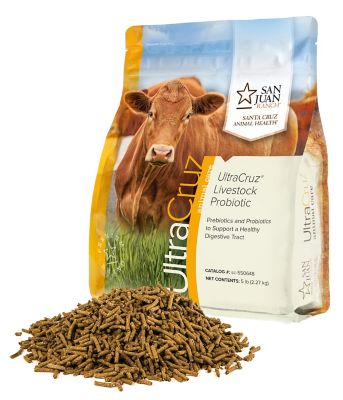
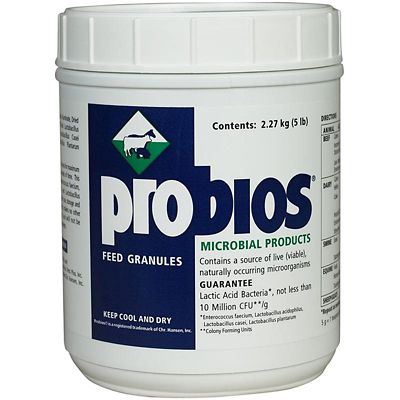
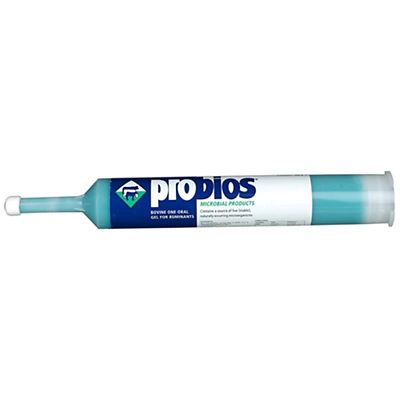
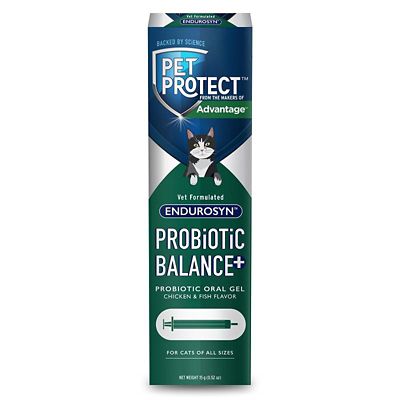
Choosing the right probiotic for your livestock depends on a few things: the species you’re caring for, the size of your operation, and how you prefer to administer supplements. Some folks like the convenience of multi-species powders that can be mixed straight into feed or water, making it easy to treat the whole herd at once. Others prefer pelleted probiotics that blend right in with a daily ration, or single-use paste tubes for times when animals are under extra stress—like after transport or during a sudden weather shift. No matter the format, the goal is the same: support the natural microflora in the gut, which helps with everything from preventing digestive upset to boosting immune response. These products are especially handy during the warmer months when livestock may be grazing on lush pasture, or as cooler weather sets in and animals adjust to changes in forage and feed. If you’re bringing in new animals, prepping for a show, or helping your herd recover after antibiotics, probiotics can make a thoughtful and practical gift for a fellow farmer or 4-H’er, too. Just be sure to follow the dosing instructions on the package, since every animal’s needs can be a little different depending on age, weight, and species.
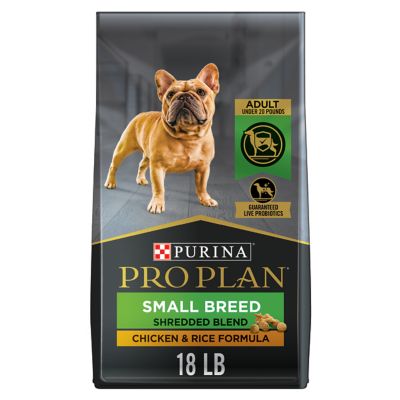
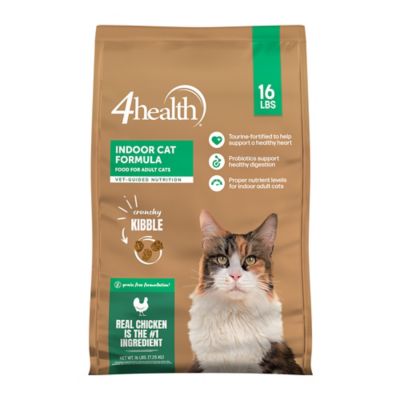
For folks who take a holistic approach to animal care, probiotics fit right in alongside mineral supplements and quality nutrition. They’re not just for livestock, either—if you’re interested in supporting digestive health for your dogs, you might want to check out our selection of
Dog Food With Probiotics as well. As always, it helps to keep an eye on your animals and watch for signs that they’re thriving, from shiny coats and bright eyes to steady weight gain and good feed conversion. A little extra attention to gut health can go a long way toward keeping your animals healthy and productive, no matter what the season brings. Whether you’re managing a large herd or just a handful of backyard critters, adding probiotics to your routine is one more way to help your animals handle the everyday challenges of farm life.