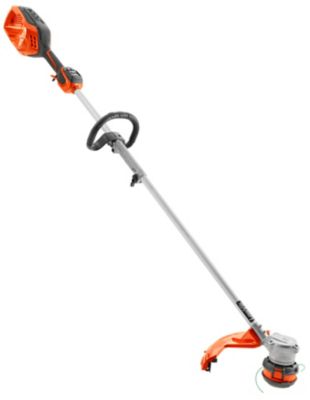
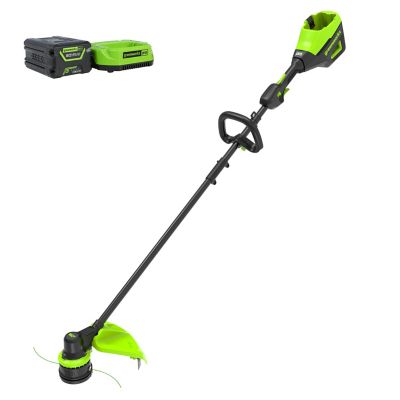
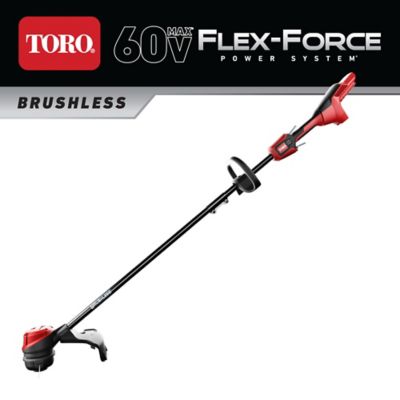
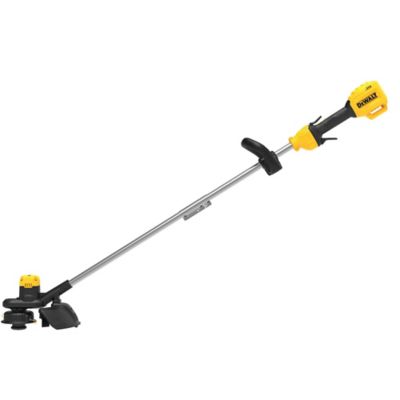
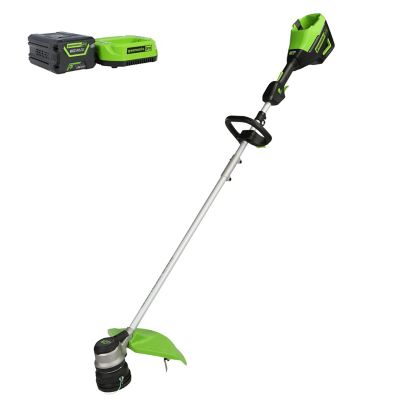
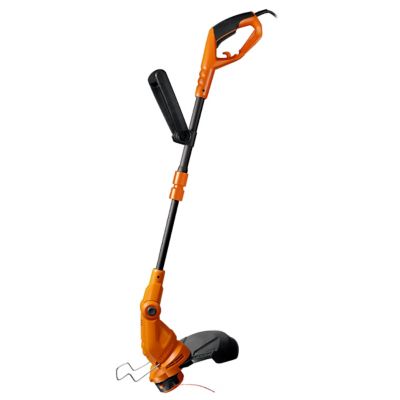
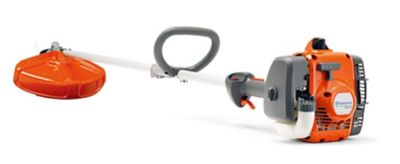
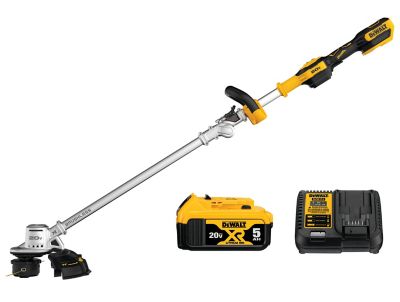
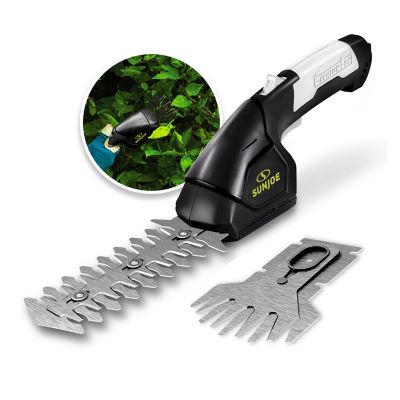
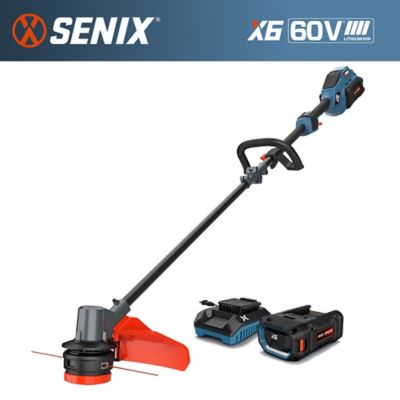
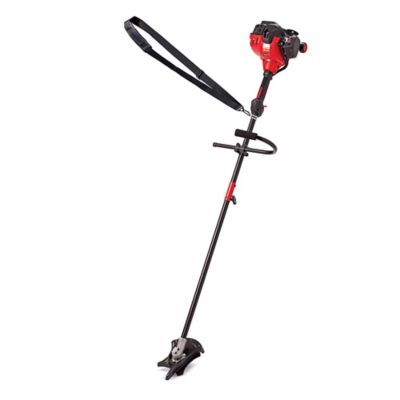
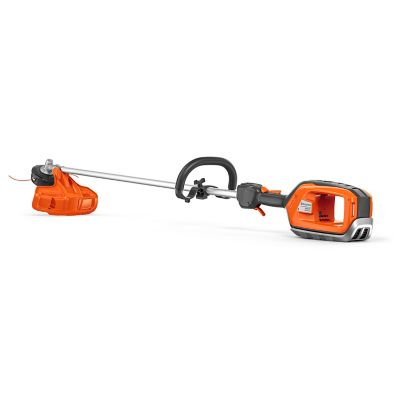
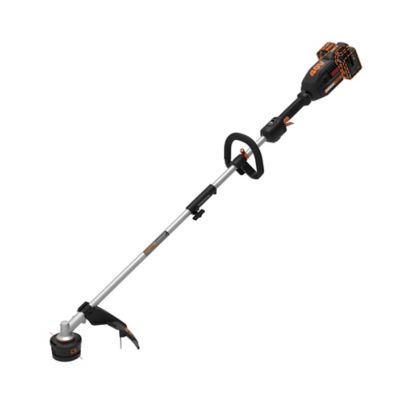
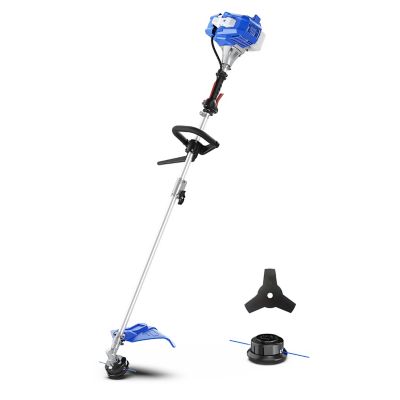
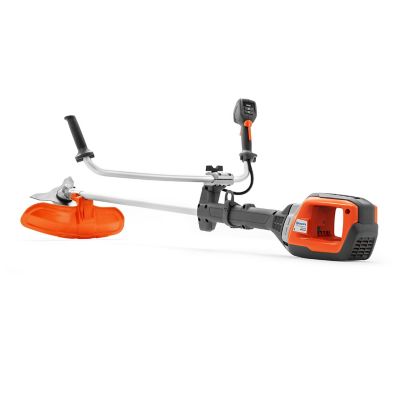
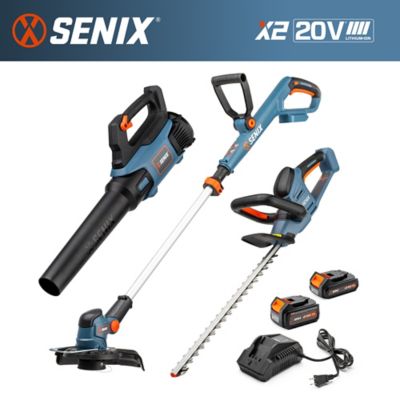
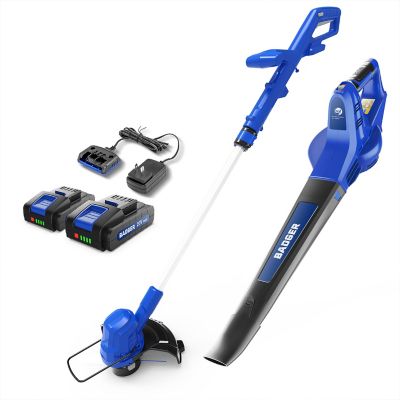
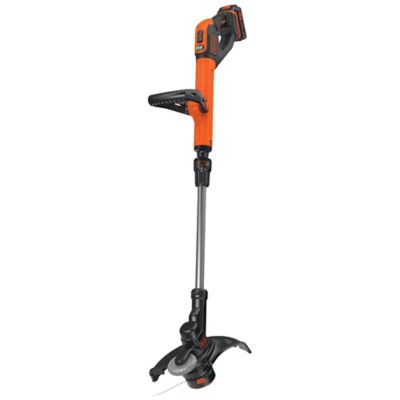
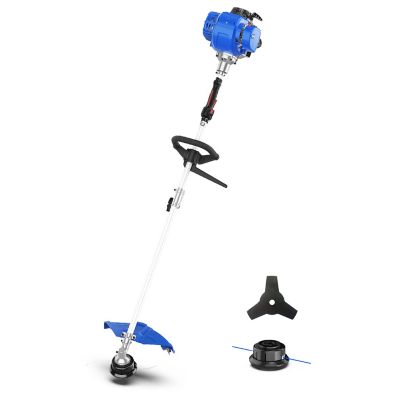
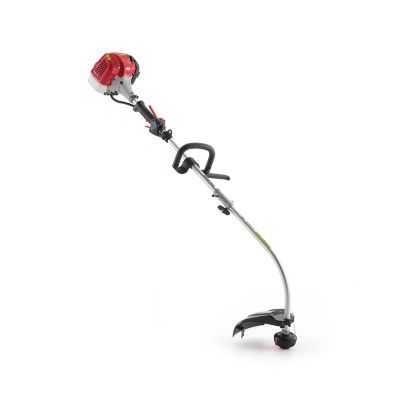
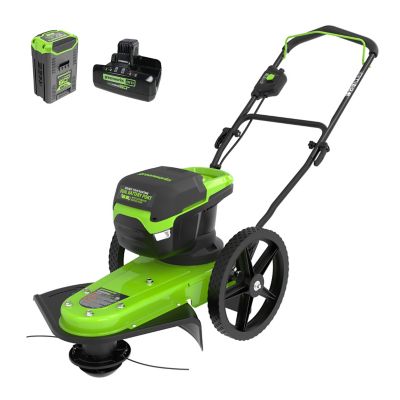
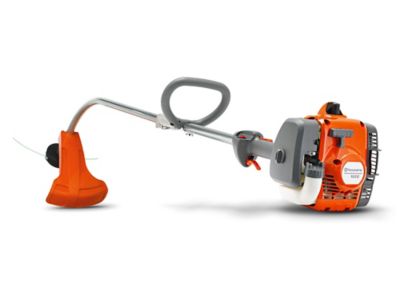
Lightweight grass trimmers make it easier to keep the places around your property looking neat without dragging out a full-size mower. These handy lawn tools are made for trimming grass where a mower cannot reach, including along fence lines, around trees, beside sheds, under benches and around garden beds. They can also clean up the narrow strip beside a driveway or walkway, giving the edge of the lawn a sharper, more finished look. For many homeowners, a lightweight cordless string trimmer is a convenient choice for small yards, town lots, rental properties and routine touch-ups. Battery power lets you move freely without stopping for fuel or managing an extension cord, and it avoids the exhaust and extra noise that come with gas-powered equipment. Smaller handheld grass and shrub shears are useful for especially close work around flower beds, raised garden boxes and delicate borders. When comparing lightweight grass trimmers, pay attention to the complete working weight, including the battery, rather than relying only on the tool’s listed weight. A trimmer that weighs less than 6 pounds may be comfortable for many users to carry and guide with one hand, while a compact shear can weigh considerably less for quick precision work. A lighter tool can be a welcome choice for older adults, people with limited upper-body strength or anyone who prefers to handle yard work in short sessions. It is also a practical gift for a new homeowner, a college student caring for a small rental yard or a family member who enjoys keeping the garden tidy but does not need heavy-duty equipment. For larger properties or thick, neglected growth, a heavier model may offer more cutting power, but a lightweight option is often easier to reach for when a few tufts of grass start showing along the walkway.
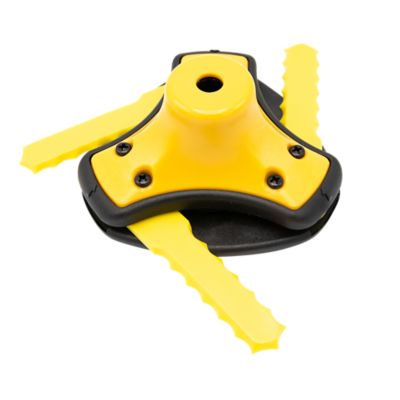
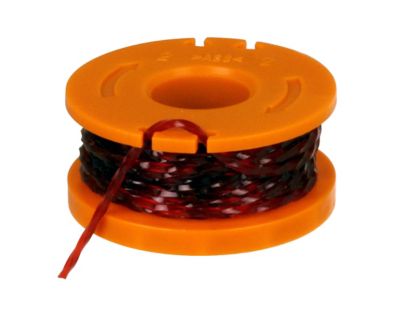
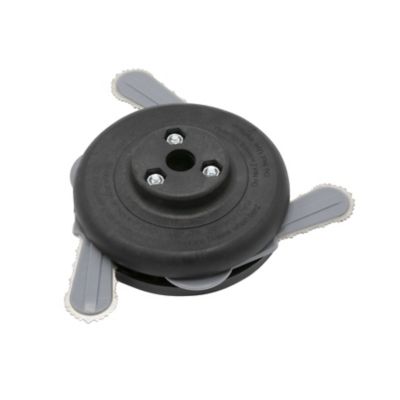
The power source and design can make a noticeable difference in how naturally a trimmer fits into your routine. Cordless battery-powered models are well suited to scattered trimming jobs because they are ready to carry from one side of the yard to the other, with no cord to snag on shrubs or catch around a post. Check the battery voltage, the manufacturer’s estimated run time and whether the battery and charger are included. Runtime varies with grass thickness, cutting width, line size and how often the trimmer is stopped and started, so a spare compatible battery can be useful for properties that need more time between charges. A narrower cutting path is often easier to control around landscaping, while a wider path can help cover open areas more quickly. For ordinary lawn edges and light weeds, a standard nylon line system is generally convenient; automatic or bump-feed designs can make it easier to advance line as it wears, while a fixed-line head may appeal to shoppers who prefer simple reloads and less moving hardware. Look for a telescoping shaft or adjustable handle if more than one person will use the tool. Matching the shaft to your height helps keep your back straighter and your arms in a more comfortable position, especially when trimming along a long fence or circling a number of trees. An adjustable cutting head can also be helpful when switching between upright edging and angled trimming beneath low shrubs. Some lightweight grass trimmers convert to an edger, allowing the line to run vertically along a sidewalk or driveway. That feature can save storage space and make one tool useful for several finishing jobs. Before buying, consider the amount of grass you actually maintain, the number of obstacles in the yard, the condition of your lawn and where the tool will live between uses. A compact trimmer is easier to hang in a shed or tuck onto a garage shelf, and a removable battery can be stored in a dry indoor spot away from extreme heat and moisture.
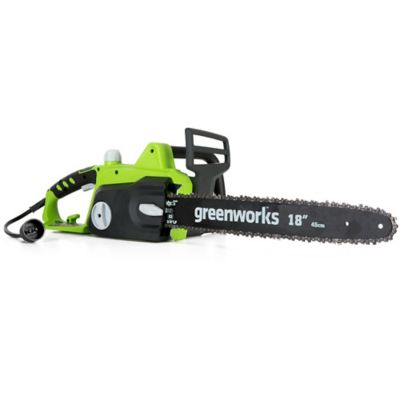
Using a lightweight trimmer is mostly about a steady pace and a little preparation. Clear the area of stones, sticks, toys and loose wire before starting, then wear safety glasses, sturdy shoes, long pants and hearing protection when recommended by the manufacturer. Small rocks can shoot out from the cutting head, even during a quick pass along a driveway. Keep bystanders and pets away from the work area, and take extra care around windows, vehicles, siding and freshly planted flowers. Hold the cutting head at a consistent height instead of digging into the soil, and let the line do the cutting rather than forcing the tool into dense patches. When trimming near a fence or tree, approach slowly and use the edge of the cutting path to reduce the chance of damaging bark, posts or landscaping. For edging, a straight, controlled line usually looks better than trying to remove too much grass in one pass. Light maintenance during the warmer part of the season can prevent tall grass from leaning over walkways, while touch-ups during cooler weather help keep the property presentable as growth slows. After use, brush away grass clippings, inspect the guard and line, and allow the tool to cool before storing it. Keep batteries charged according to the care instructions, and replace worn line or damaged parts before the next job. A lightweight grass trimmer can also pair well with other manageable outdoor equipment; shoppers comparing compact cutting tools for broader property upkeep may find
Lightweight Chainsaws useful for a different kind of task, such as pruning small branches or clearing fallen limbs. Whether it is used for a quick cleanup before guests arrive, regular care around a rural outbuilding or simple upkeep of a small backyard, the right lightweight trimmer should feel balanced, easy to start and comfortable enough to use whenever the lawn needs a clean edge.