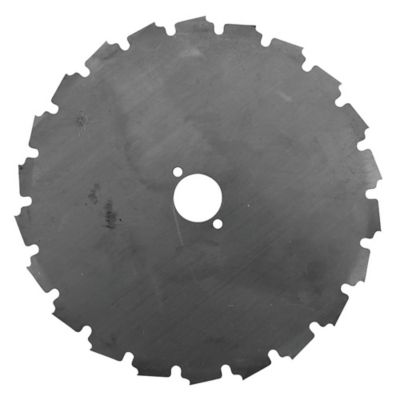
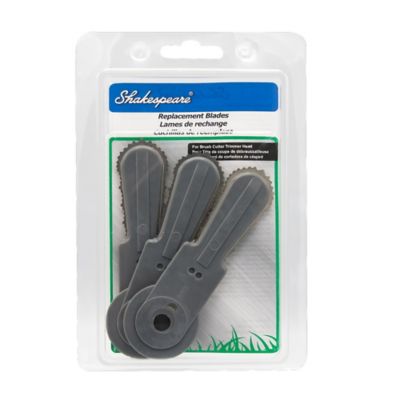
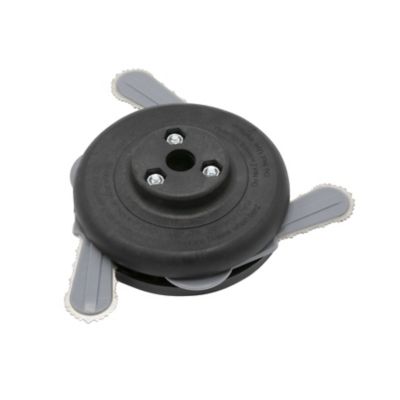
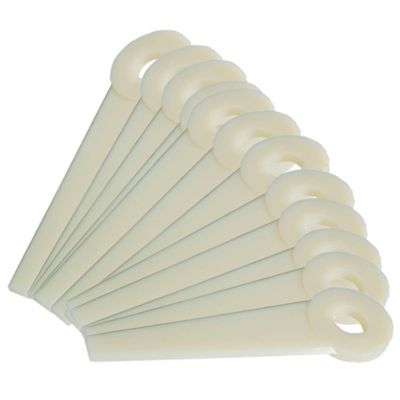
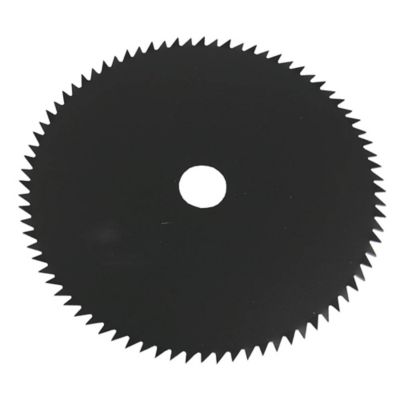
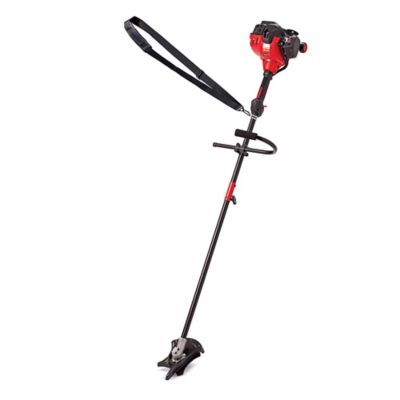
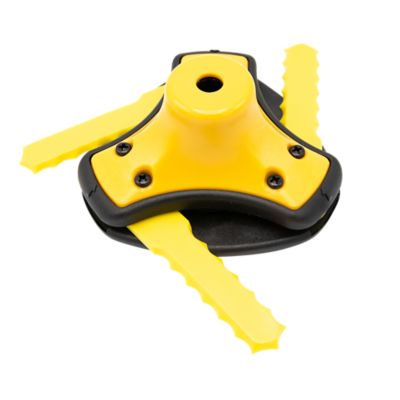
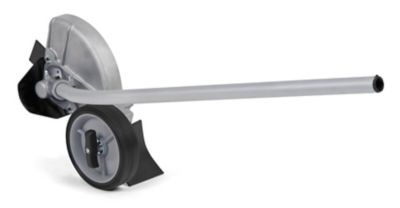
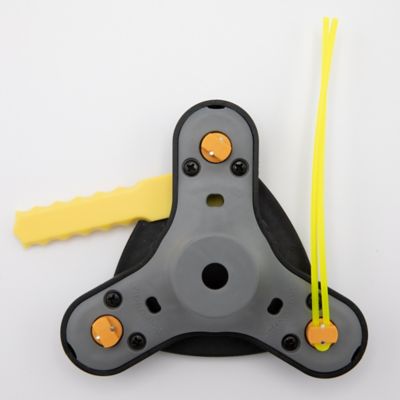
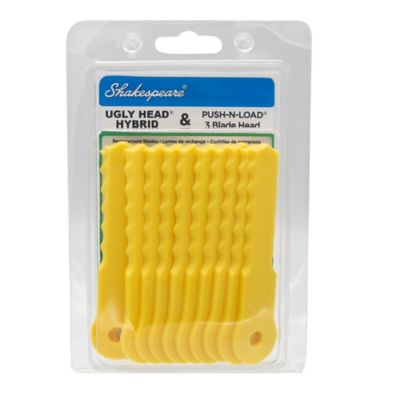
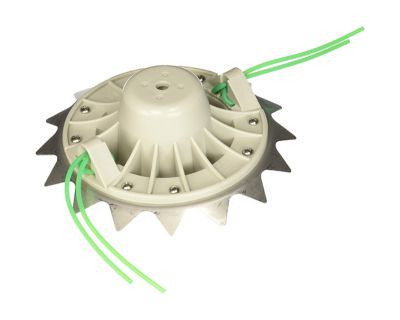
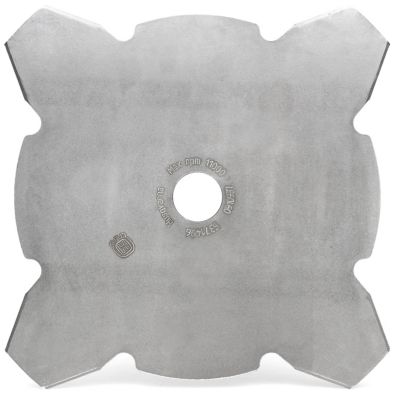
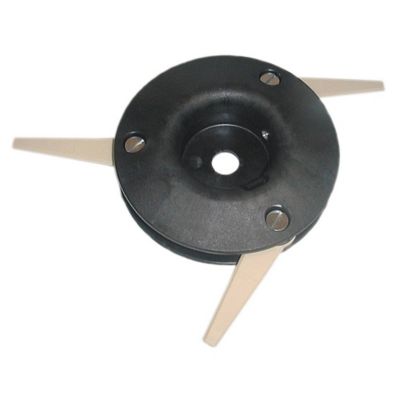
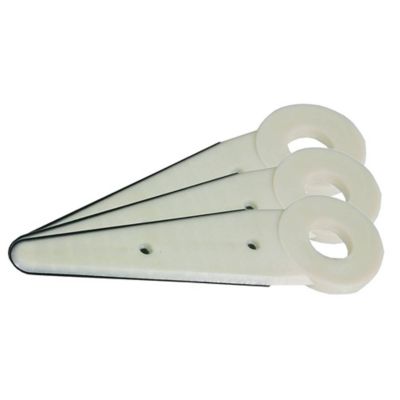
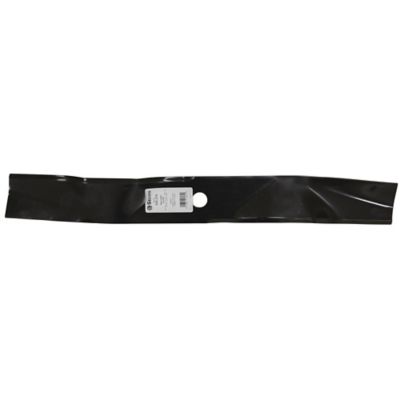
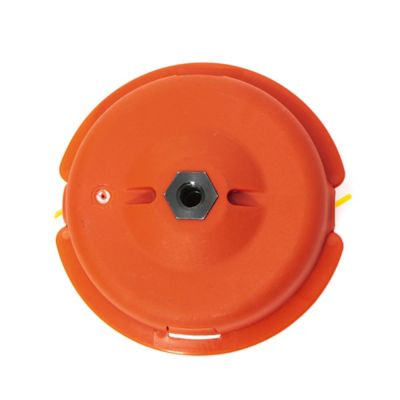
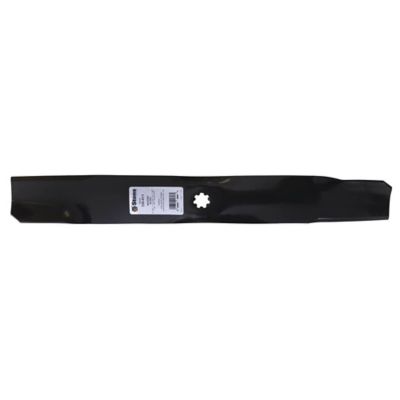
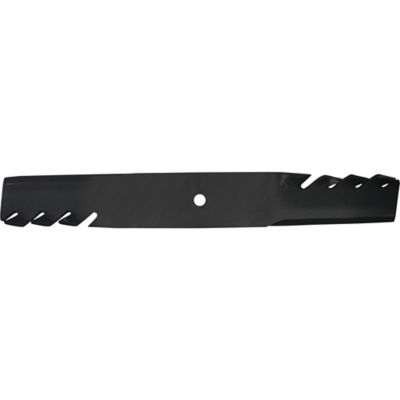
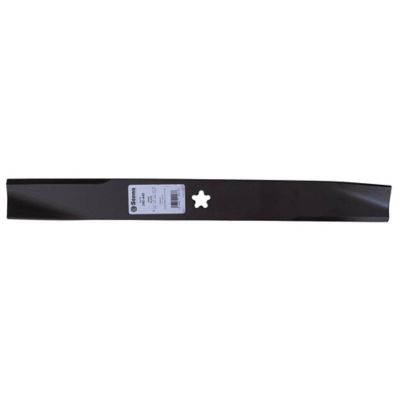
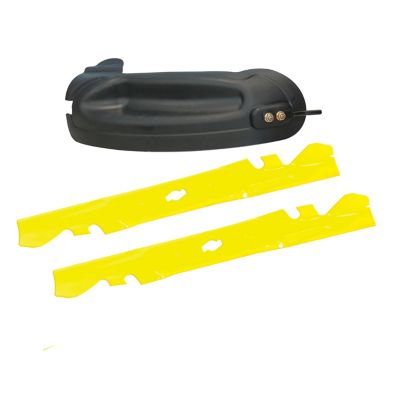
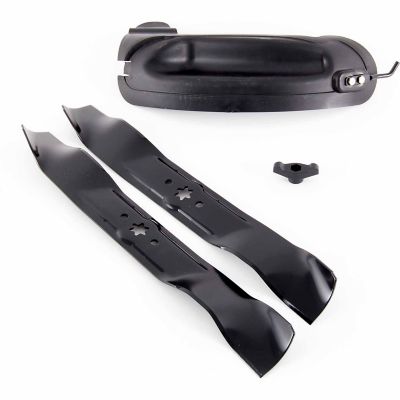
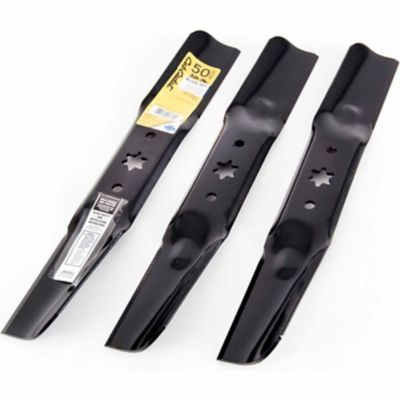
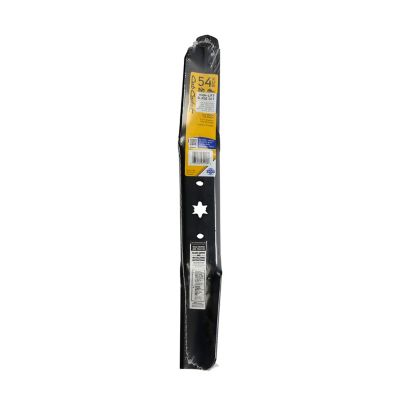
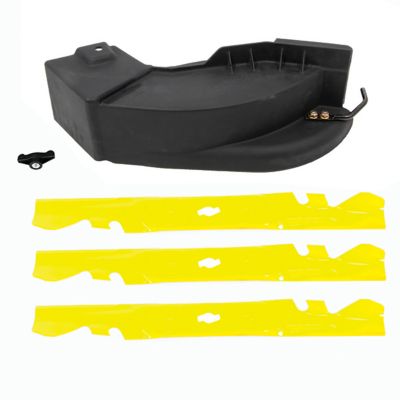
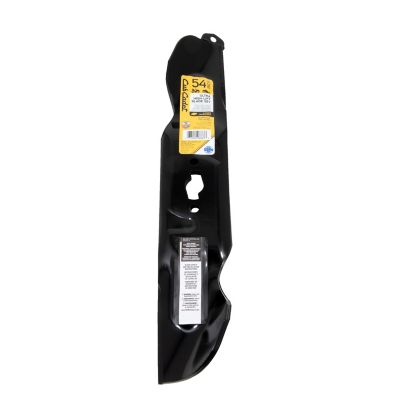
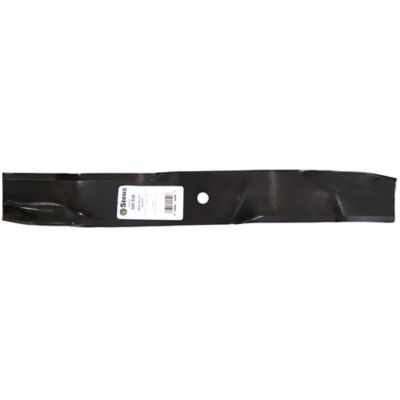
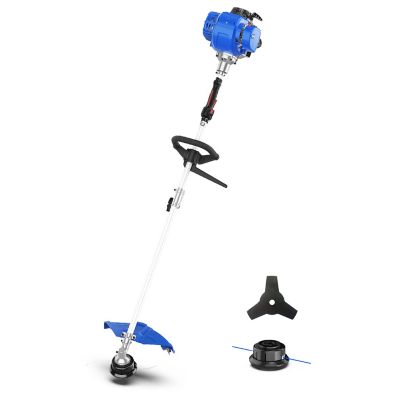
Grass trimmer blades are handy for keeping tough, overgrown areas under control when ordinary trimming line is not up to the job. Around a rural property, grass rarely grows in neat, convenient patches. It gathers along fence rows, wraps around gate posts, crowds the edges of gravel drives and pushes up beneath outbuildings. A good blade can help clear those stubborn spots with fewer passes, giving your yard, acreage or worksite a cleaner finish without reaching for a larger mower every time. They are useful for homeowners, renters with sizeable lots, property managers, landscapers and anyone who spends part of the weekend reclaiming neglected edges. Before choosing a blade, start with the trimmer itself. Check the owner's manual for the approved blade style, diameter, mounting hole, shaft size and maximum operating speed. Trimmer heads and guards are built for specific accessories, and a blade that looks close enough may not fit securely or may not be safe for the tool. It also helps to consider the work at hand. A lighter blade may be a practical choice for regular grass and thin weeds, while a heavier, more rugged design may be better suited to dense growth and coarse vegetation when the equipment is rated for that use. Matching the blade to the job can make a noticeable difference in balance, cutting control and how much wear the trimmer takes on.
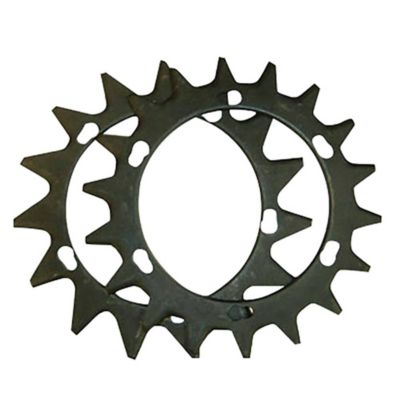
When shopping for grass trimmer blades, pay attention to construction and the shape of the cutting edge. Durable metal is often preferred for demanding outdoor work, but the right material and thickness depend on the trimmer and the vegetation being cut. Blades with more cutting points can be useful for clearing thick grass and light brush, while simpler edges may suit routine touch-ups along paths, fence lines and landscaping borders. Look for clear sizing information and installation details, and check whether the blade is sold with the hardware needed for your particular trimmer. Some setups require a specific retaining nut, washer or adapter, and reusing worn or mismatched hardware can lead to excess vibration. If you are replacing a blade that has seen better days, compare its measurements with the new one rather than relying on appearance alone. Keep in mind that a blade is not a substitute for a brush cutter when dealing with saplings, heavy woody growth or material outside the tool's intended limits. Remove rocks, wire, fallen branches and other hidden debris before cutting, and keep people, pets and livestock well away from the work area. Eye protection, sturdy boots, gloves, long pants and hearing protection are sensible choices, especially when trimming near gravel, old fencing or dry ground. The cooler parts of the growing season are often a good time to tidy up property edges, but dry grass can ignite easily, so work carefully around exhaust, sparks and open flames.
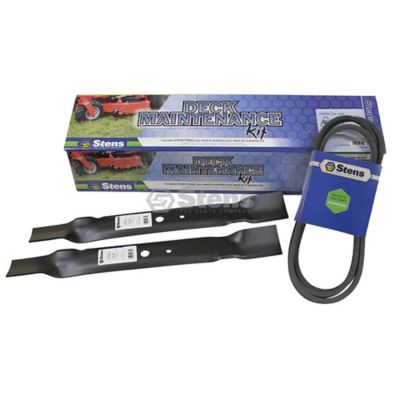
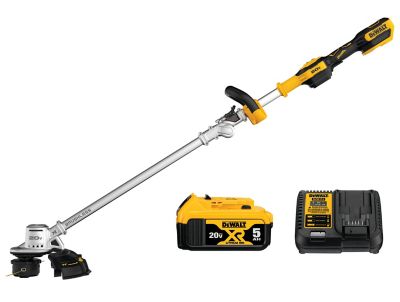
A fresh blade can also be a thoughtful, practical gift for someone who takes pride in maintaining a homestead, hunting cabin, rental property or large country yard. It fits nicely into a useful outdoor-care bundle with gloves, safety glasses and other maintenance supplies, particularly for a new homeowner learning the rhythm of seasonal property chores. For someone comparing complete equipment options, browsing
Trimmers For Grass can help put blade needs in context and make it easier to find a compatible setup. Whether the goal is cleaning up around a mailbox, opening a walkway through tall growth or sharpening the look of a pasture boundary, the best results come from using the right blade on the right trimmer and taking a steady approach. Inspect the blade before each use for cracks, bends, missing teeth or excessive wear, and stop immediately if the tool begins to shake or cut unevenly. After the job, brush away grass and dirt, dry the blade thoroughly and store it where moisture and curious hands cannot reach it. A little care keeps the cutting edge ready for the next round of growth, from the last flush of warm-weather grass through the cooler months when fallen leaves, weeds and rough edges still call for attention.