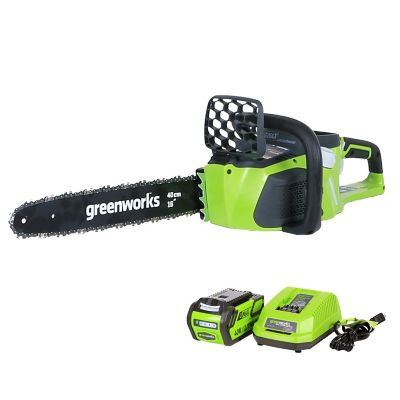
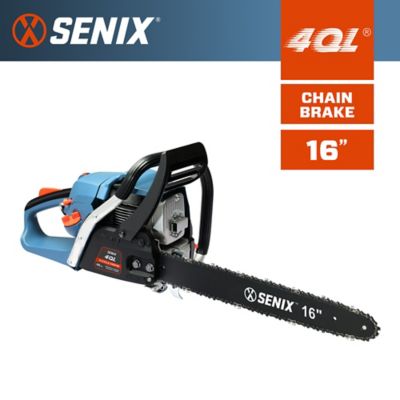
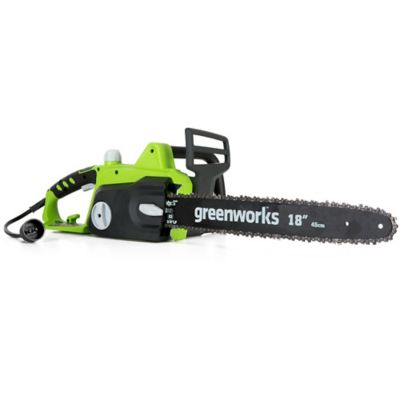
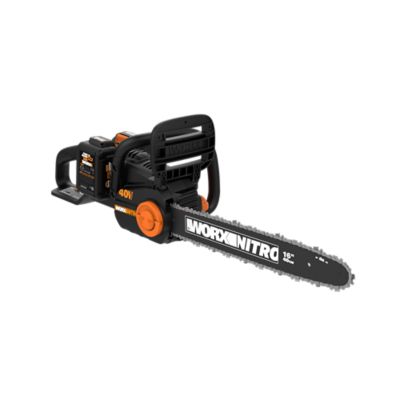
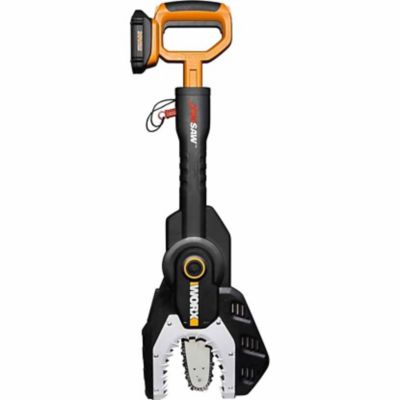
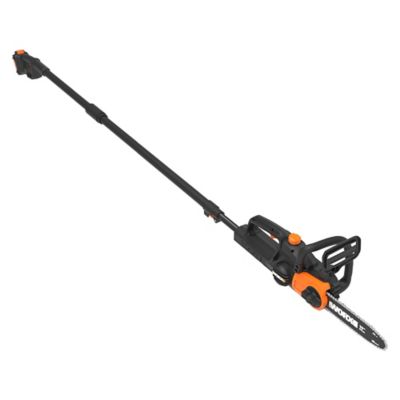
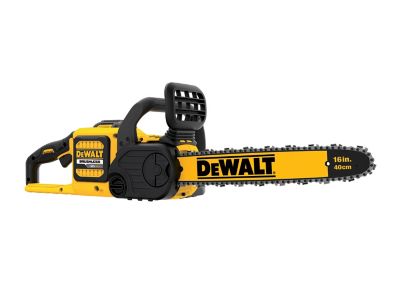
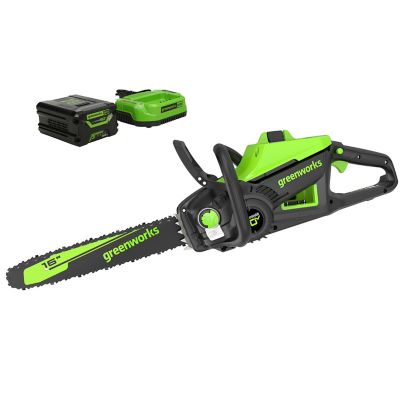
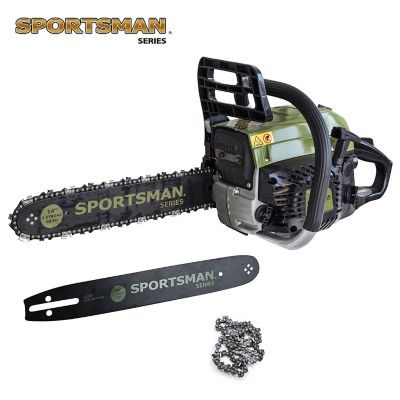
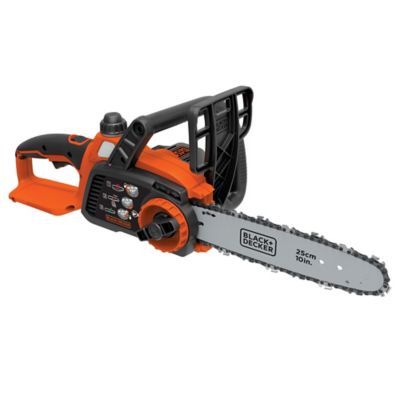
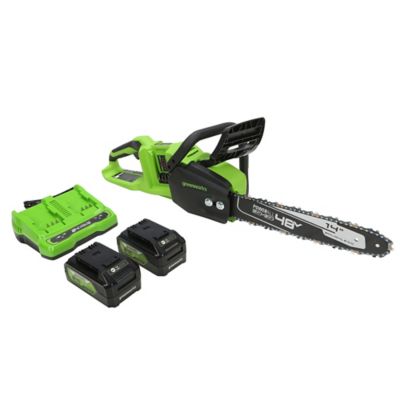
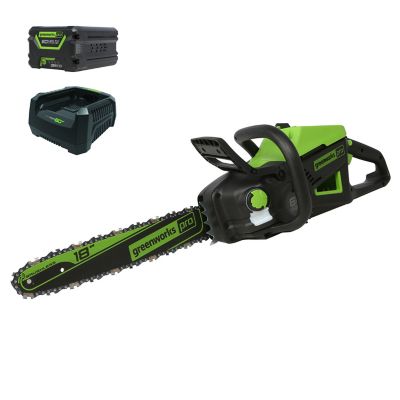
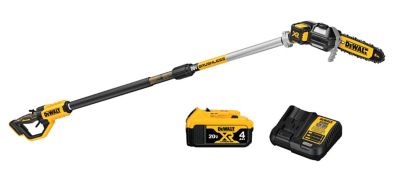
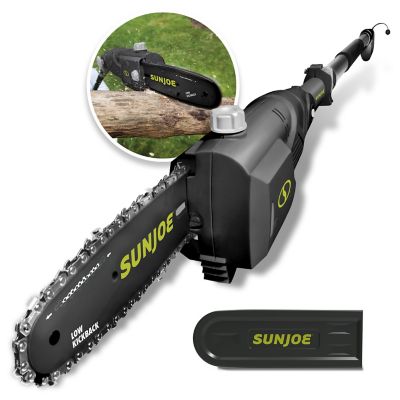
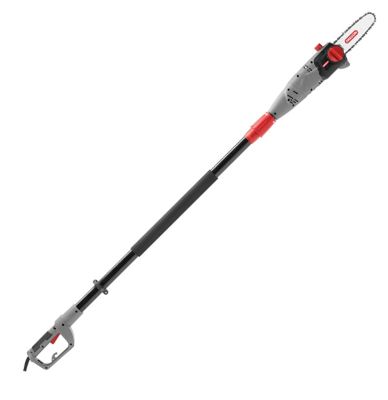
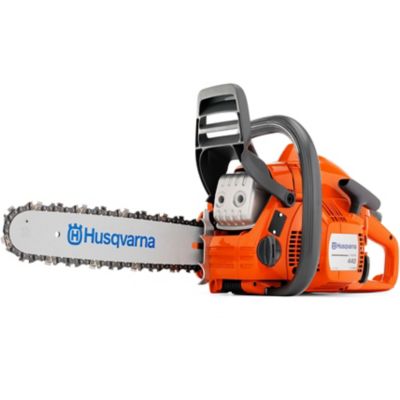
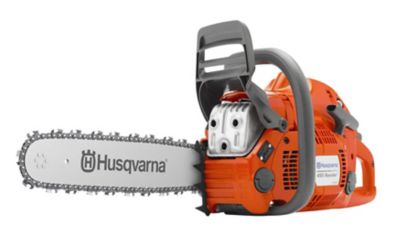
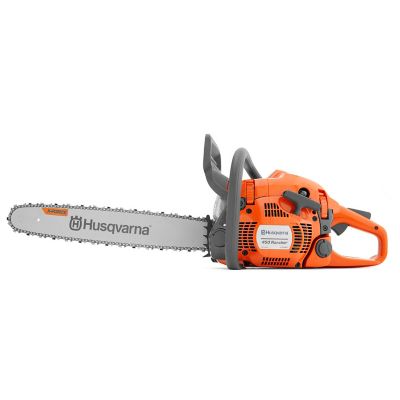
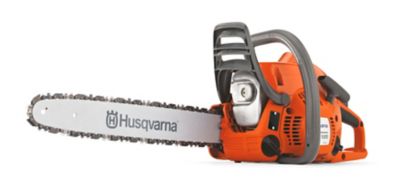
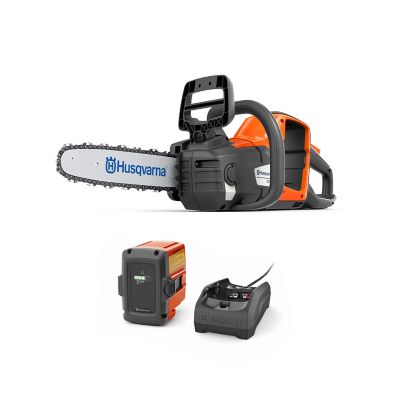
Lightweight chainsaws are handy tools for trimming limbs, cleaning up storm damage, cutting small logs and handling everyday yard work without the bulk of a full-size saw. In general, a lightweight chainsaw weighs about 2.5 to 7 pounds, though the listed weight may not include the battery, fuel, bar or chain oil, so check the complete operating weight before choosing one. Mini saws in the 2.5- to 4-pound range are easy to carry and maneuver for quick pruning, small branches and light camping tasks. Slightly larger cordless saws may weigh 8 to 10 pounds with the battery installed and are better suited to clearing brush, cutting small firewood and keeping up with regular property maintenance. Compact gas saws can deliver a strong power-to-weight ratio for pruning and farm work, but fuel, vibration, noise and maintenance are part of the tradeoff. A shorter guide bar, often around 6 to 12 inches on lightweight models, helps keep the saw balanced and easier to control, while a longer bar may be needed for larger cuts. Match the saw to the wood you actually plan to cut rather than choosing by size alone. A small pruning saw can be a great fit for fresh limbs and narrow branches, but forcing it through thick hardwood can wear out the chain, drain a battery quickly and make the saw harder to handle. For occasional trimming around a home, cabin, hunting property or small homestead, a compact saw can save a trip to the shed for larger equipment and make cleanup feel far less like a chore.
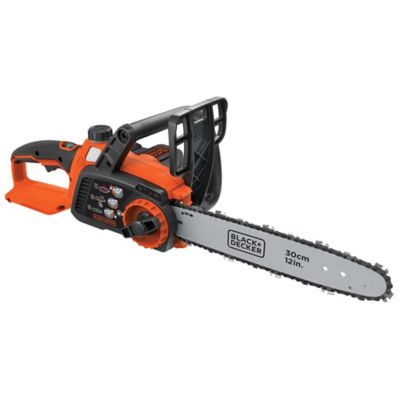
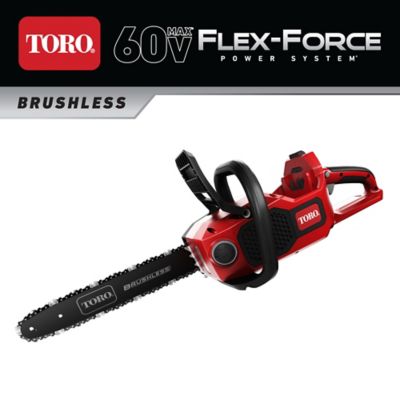
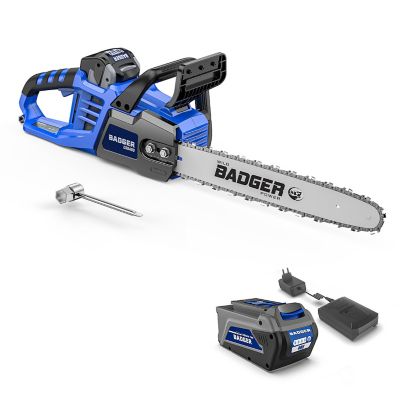
Power source is another important consideration when comparing lightweight chainsaws. Battery-powered models start with the push of a button, run quietly compared with gas saws and do not require fuel mixing, making them a practical choice for neighborhoods, weekend properties and users who want simple storage. Look at battery voltage, amp-hour capacity, charging time and whether the battery is included. A higher-capacity battery can help when there are several limbs to cut, although it also adds weight. If you already use battery-powered outdoor tools, a bare tool that works with the batteries you own may be a convenient way to build out your setup. Gas-powered lightweight chainsaws are useful when you need longer run time away from an outlet, particularly on acreage or during extended cleanup, but they call for fresh fuel, proper starting and routine care. Whichever style you choose, pay attention to automatic chain oiling, tool-free or simple chain adjustment, a comfortable handle, a hand guard and a chain brake. A visible oil reservoir makes it easier to check levels, and a side-access tensioner can help keep the chain snug without turning maintenance into a wrestling match. A lightweight chainsaw can be a thoughtful gift for a homeowner, new landowner, camper or gardener who is ready to take care of small jobs independently. It is also useful for someone who finds a heavier saw tiring during repeated cuts. Before giving one as a gift, consider whether the recipient has the right protective gear and a safe place to store and charge it. For shoppers comparing options, an
Electric Chainsaw can offer a convenient, low-maintenance choice for pruning, light firewood and general yard cleanup.
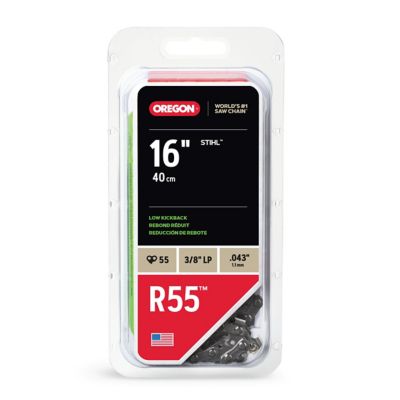
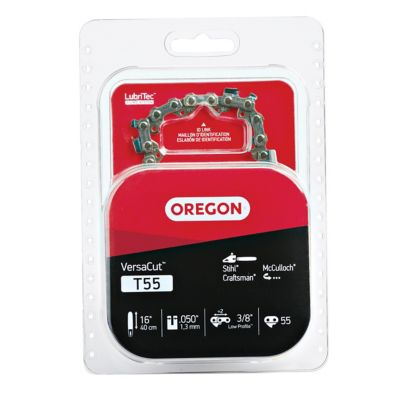
Even a small chainsaw needs to be treated like serious cutting equipment. Wear safety glasses or a face shield, hearing protection, sturdy gloves, long pants, non-slip boots and chainsaw chaps when the job calls for them. Read the owner’s manual before starting, inspect the chain and bar, confirm that the chain brake works and keep bystanders, children and pets well away from the cutting area. Set the saw down before moving between branches, and keep both hands on the handles while cutting. Do not cut above shoulder height, stand on a ladder with a running saw or try to use a lightweight model for large trunks, heavy felling or work that requires climbing. Overhead tree work and storm-damaged trees with spring-loaded limbs are best left to trained professionals. On the ground, clear rocks, wire and other hidden debris from the work area, support small logs securely and let the chain do the cutting instead of pushing hard. During the cooler months, a lightweight chainsaw can be useful for clearing fallen limbs after windy weather, cutting kindling and preparing manageable firewood for the stove or firepit. As the weather shifts, check the chain tension and oil supply before each use, clean sawdust from the housing and store the tool in a dry place with the battery removed when applicable. Keep spare chains, bar oil, a file or sharpening tool and the correct battery or fuel supplies nearby so a simple property job does not turn into a run to town. Choosing a saw that fits your strength, cutting habits and property size will make pruning and cleanup more comfortable, controlled and dependable.