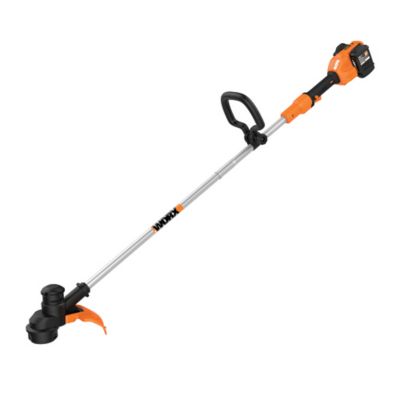
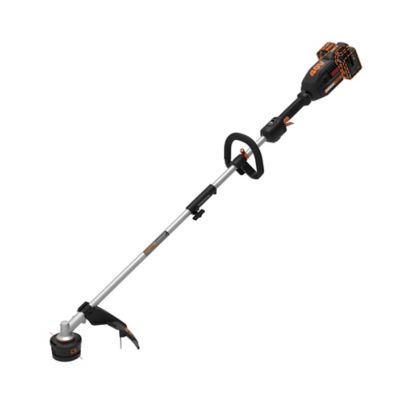
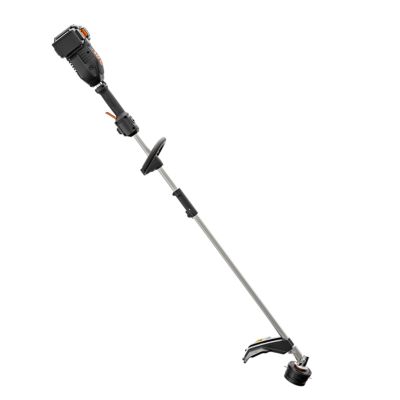
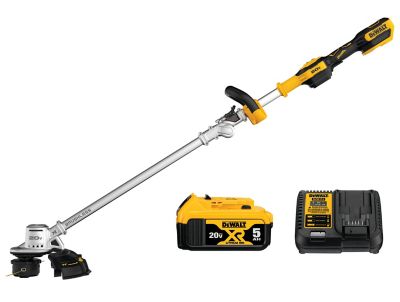
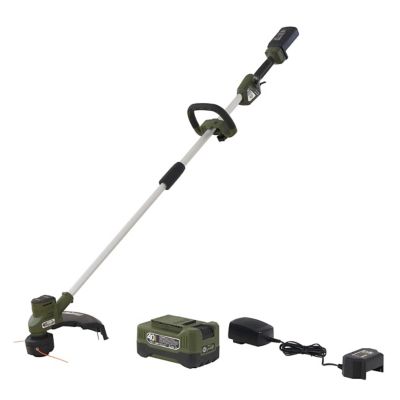
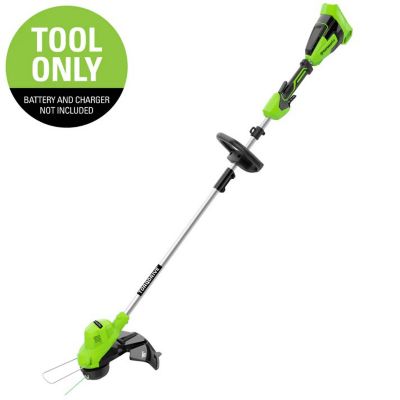
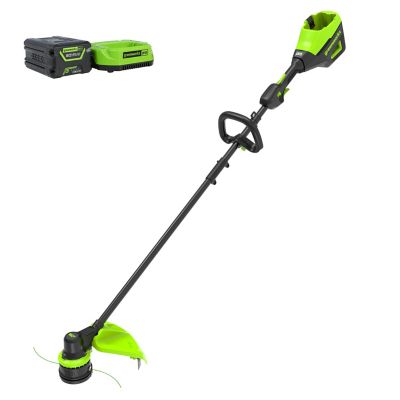
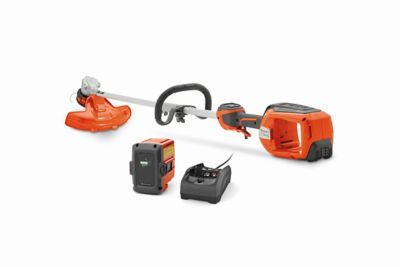
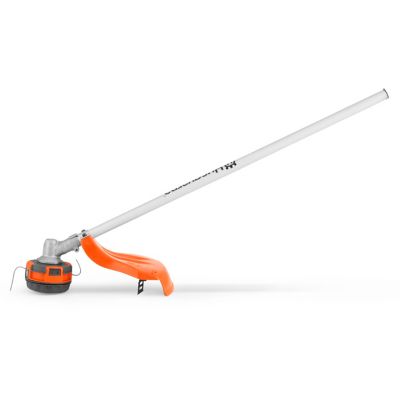
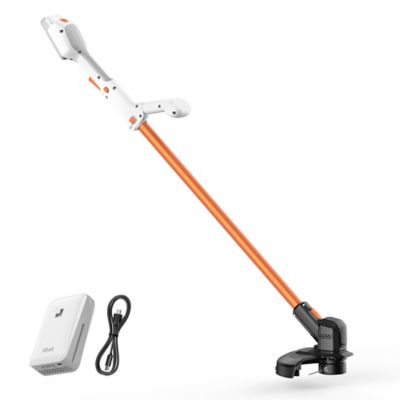
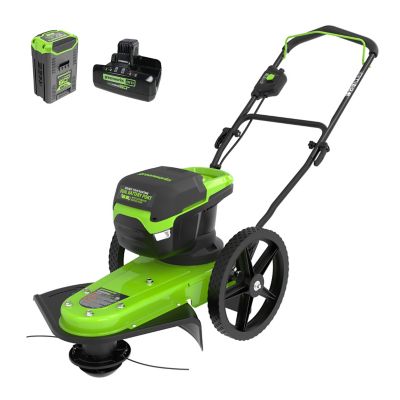
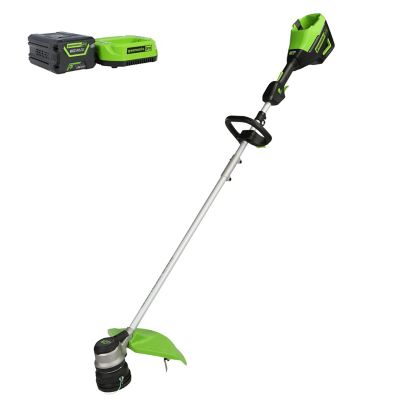
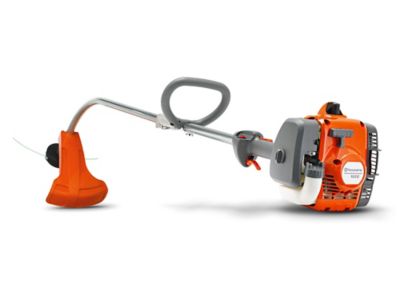
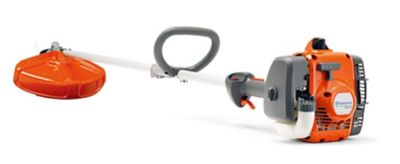
Battery-powered grass trimmers handle the grass a mower leaves behind, from the strip along a driveway to the tight spaces around fence posts, gates, and outbuildings. Also called cordless string trimmers, these tools cut with a fast-spinning length of flexible line rather than a mower blade. That makes them handy for tidying lawn borders, reaching beneath low obstacles, and knocking down soft weeds where a wider machine cannot go. A rechargeable battery supplies the power, so there is no extension cord trailing across the yard and no gasoline to mix or pour. Electric motors also eliminate exhaust at the tool and the spark plugs and engine oil changes associated with gas engines. They still make cutting noise, particularly when the line meets heavier growth, but generally run more quietly than comparable gas-powered equipment. For a small homesite, the main job might be cleaning up around porch steps and a mailbox. On a larger place, it might mean following a long fence line or trimming around a shed after mowing. The length of that route and the thickness of the growth matter more than acreage alone: a wide, open lawn can have less trimming work than a smaller yard filled with trees, beds, and corners. Cutting swath, the width covered by the spinning line, helps determine how much ground each pass covers. A narrower swath can suit close quarters, while a wider one can clear longer stretches with fewer passes, although it may draw more power. These trimmers are primarily lawn-maintenance tools, not automatic substitutes for brush cutters. Tough stalks, woody stems, and dense brush call for equipment specifically rated for that work. A metal cutting blade belongs only on a tool whose manufacturer approves that attachment. For everyday grass along walkways, around the garden, and beside the barn, a cordless string trimmer fills the gap between mowing the open ground and finishing the edges.
The battery, motor, and cutting head work together, so voltage alone does not tell the whole story about a cordless grass trimmer. Motor design, power controls, line size, and cutting width all affect how the tool handles a patch of thick grass. Battery capacity, commonly listed in amp-hours, helps compare potential running time within a compatible battery system, but actual runtime changes with cutting load, speed setting, and operating conditions. A larger-capacity battery may extend a trimming session while adding weight at the handle or rear of the tool. That tradeoff becomes noticeable when the job runs from the house clear down to the road. A variable-speed trigger gives the operator room to ease through light growth and call for more power in thicker patches; some designs also offer separate speed modes. Brushless motors can improve efficiency and reduce motor maintenance compared with brushed designs, though performance still depends on the complete tool. Battery compatibility deserves close attention, especially in a shed that already holds cordless equipment. Packs that look similar or carry the same voltage rating are not necessarily interchangeable, and a proper match includes the tool, battery, and charger specified by the manufacturer. Some compatible systems can power both a trimmer and
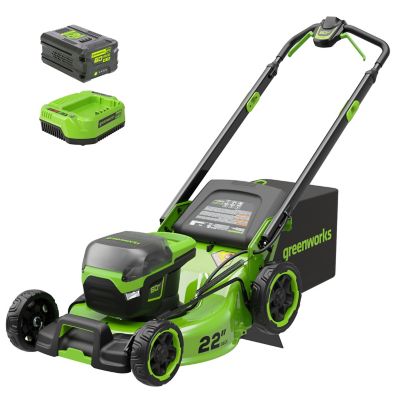
Battery Operated Lawn Mowers, making it possible to share batteries between lawn-care jobs. A mower may require a different pack capacity or more than one battery, so the requirements for each machine still matter. Beyond the power source, fit makes a real difference. Adjustable handles and telescoping shafts can help position the cutting head without constant reaching or stooping. Straight shafts often offer reach beneath fences and low structures, while overall length and weight affect maneuverability beside steps or narrow beds. Aluminum shaft construction can help limit weight, while steel components can add strength in high-stress areas; the complete design matters more than any one material. Balance with the battery installed is especially important for a long stretch of trimming. A compatible shoulder strap can help carry some of the load on designs equipped for one, leaving the hands to guide the tool rather than support its entire weight.
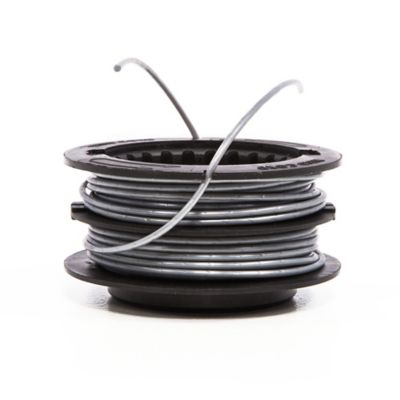
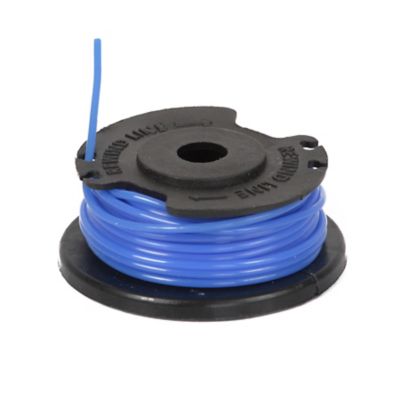
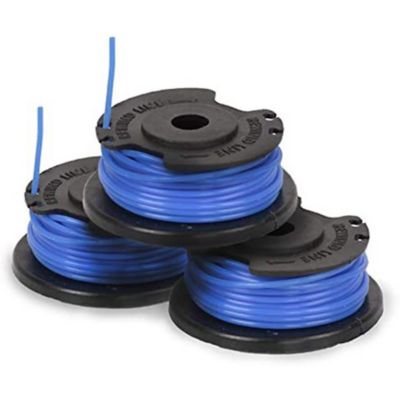
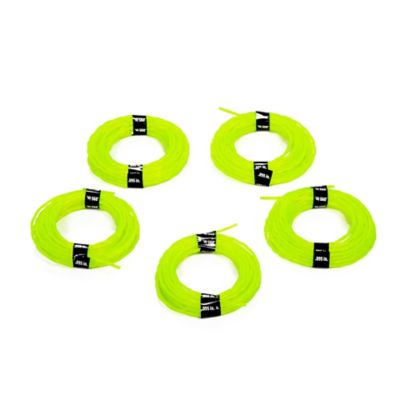
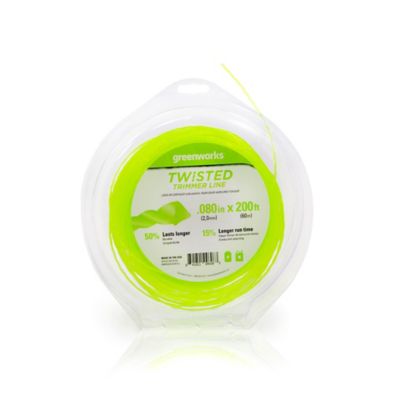
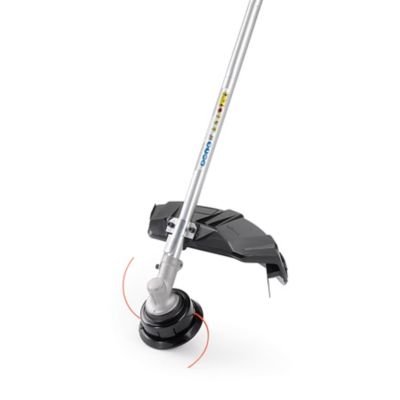
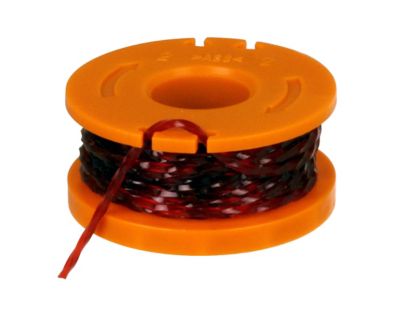
The cutting head determines much of the day-to-day feel of a battery-powered weed trimmer. Bump-feed heads advance line when tapped as directed, while automatic-feed and push-button systems manage line release differently. Easy-loading spool designs can take some of the fuss out of replenishing line, a welcome feature when there is still half a fence left to finish. Trimmer line is generally made from nylon or related polymer blends, with different diameters and profiles intended for different cutting demands. Thicker line is not always the better fit: line outside the tool’s specified range can strain the motor, interfere with feeding, or shorten runtime. Round line commonly suits routine grass trimming, while shaped profiles may offer a different cutting action on heavier grass when approved for the head. Along a concrete walk, repeated contact wears line down faster than cutting grass alone. Around young trees, siding, and fence coatings, a little clearance helps keep the spinning line from damaging surfaces. Some trimmers have rotating heads or dedicated edging positions for defining the border between turf and pavement; not every string trimmer is designed for that position. Keeping the supplied guard in place, following the manual’s operating position, and wearing eye protection, long pants, and sturdy footwear all belong with ordinary trimming work. Hearing protection may also be appropriate, and people and animals should stay beyond the manufacturer’s stated operating distance because the head can throw stones and other debris. Care is straightforward but still matters. Remove the battery before clearing tangled grass, changing line, or inspecting the head, and keep vents and guards free of packed clippings as directed. Check the spool and head for cracks or wear, and follow the specified replacement procedure rather than improvising a repair. Batteries and chargers need storage and charging conditions that match their instructions, away from moisture and conductive debris. For a homeowner or someone looking after a family property, a well-matched cordless trimmer can make those last narrow strips less of a chore, with the reach, balance, and cutting capacity suited to the ground that needs tending.