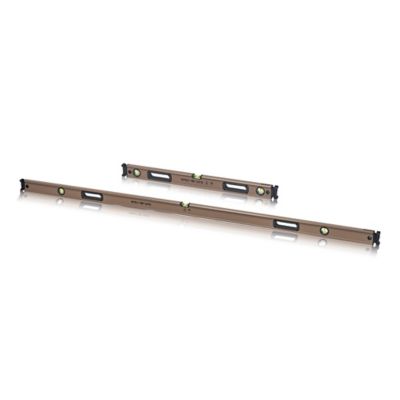
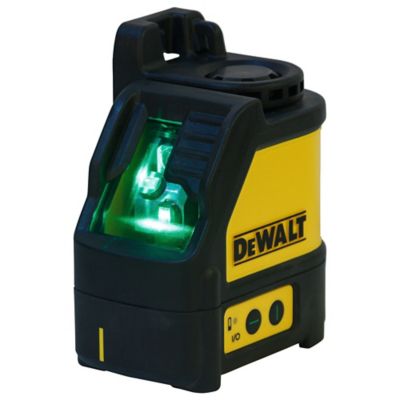
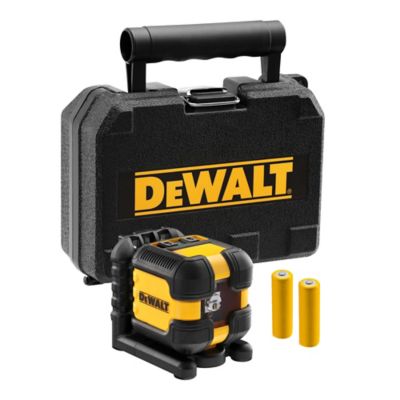
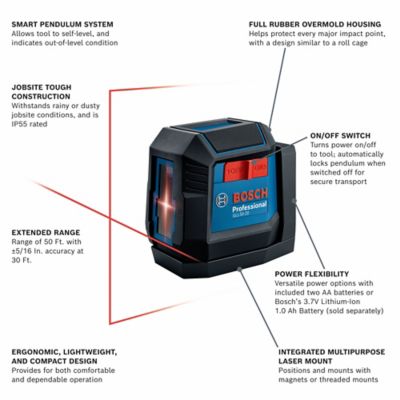
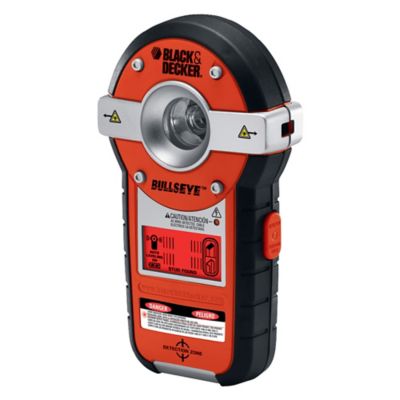
Leveling tools help bring accuracy to all kinds of work around a farm, ranch, home, shop, or jobsite. The right choice depends on what needs to be leveled and how much room you have to work. Handheld bubble or spirit levels are a dependable choice for checking whether a shelf, post, cabinet, gate, picture, or work surface sits straight. They use liquid-filled vials with an air bubble that settles between marked lines when a surface is level, and many can also check plumb, or straight up and down. A longer level can span wider surfaces and help reveal a gradual slope, while a compact level fits nicely in a tool bag, glove box, or kitchen drawer for quick fixes. Laser levels project a bright line or set of reference points across a wall, floor, or work area, making it easier to align cabinets, fence sections, trim, shelving, fixtures, and other pieces over a longer distance. They can be especially handy when one person is working alone, since a visible line provides a steady reference without needing someone to hold a long straightedge. For outdoor jobs, look for construction suited to dust, bumps, and changing weather, along with a line that remains easy to see in the available light. A sturdy case, clear vials, a reliable locking mechanism, and simple controls all add value when a tool is carried from the barn to the garage and back again. Whether you are hanging a gate, setting a post, installing a countertop, or making sure a new outbuilding frame is aligned, a good leveling tool helps prevent small errors from turning into crooked doors, uneven surfaces, or extra trips to redo the work.
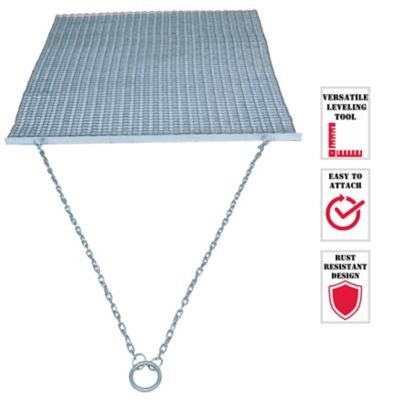
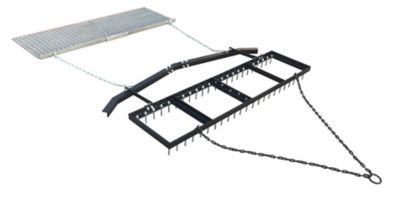
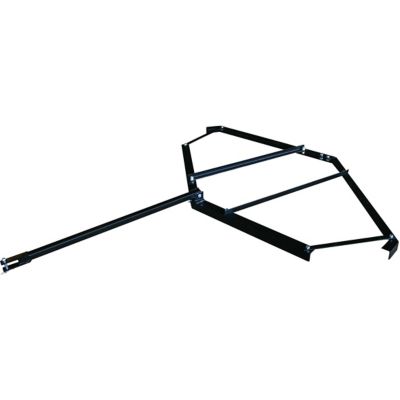
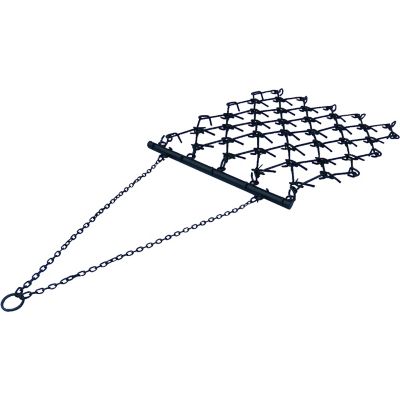
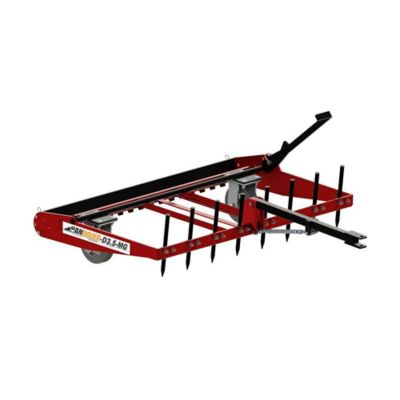
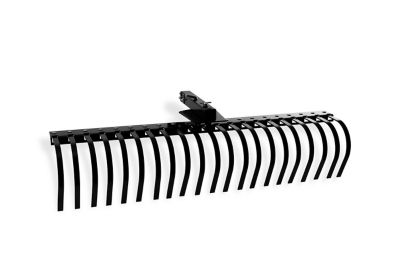
Leveling tools are also useful well beyond construction and installation. A lawn leveling rake, sometimes called a lawn leveler, has a wide, flat head designed to spread topsoil, sand, compost, or other lawn materials across uneven ground. Used with a light touch, it can help fill shallow dips, smooth bumps, distribute a topdressing evenly, and improve the finished surface after overseeding or other lawn care work. It is a practical companion to
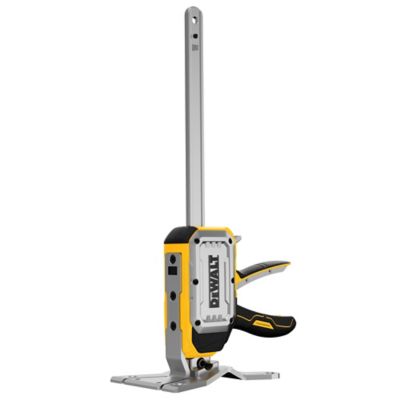
Soil Tools when preparing ground, maintaining turf, or working in garden areas where an even layer matters. The broad head should be sized for the area being covered, while the handle should feel comfortable enough for repeated passes without forcing the user to bend too far. On a small patch beside the house, a compact hand tool may be all that is needed; larger lawns and open grounds benefit from a longer handle and wider working surface. Other leveling tools can help with installation jobs where a heavy item needs a small amount of lift or adjustment. Inflatable air wedges and lifting bags can gently raise a door, cabinet, appliance, or other load just enough to slide a shim into place, line up hinges, or make a careful adjustment without prying directly against a finished surface. These tools are useful in home repairs, flooring projects, cabinetry, and maintenance work where controlled movement is more important than brute force. Follow the tool’s rated capacity and operating directions, place it on a stable surface, and use additional support whenever a lifted object could shift or fall. Leveling is not limited to buildings and yards, either. In audio recording and video production, leveling tools can refer to equipment or software that helps balance volume, smooth out sudden peaks, and keep speech or music at a comfortable, consistent level.
When choosing among leveling tools, start with the size and setting of the job, then consider the material being worked on, the distance that must be checked, and the precision needed. A simple bubble level is easy to carry and does not require batteries, making it a trusted everyday tool for quick checks and basic repairs. A laser level can save time when several marks need to line up across a room or along a long wall, though visibility, mounting options, battery life, and outdoor performance deserve a close look. For lawn work, compare the rake’s width, handle length, head construction, and weight with the size of the yard and the material being spread. A tool that is too narrow may make a large area feel like a chore, while one that is too heavy can become tiring during repeated passes. Storage matters, too; keeping leveling tools clean, dry, and protected helps preserve their accuracy. They make thoughtful gifts for a new homeowner, a weekend fixer, a gardener, a landscaper, a farmer, or anyone building out a well-rounded tool collection. A young adult settling into a first home may use one to hang shelves and adjust furniture, while an experienced hand can put one to work on fence lines, equipment sheds, flooring, or land improvements. During the warmer stretch of the year, leveling tools can help with outdoor construction and lawn projects, and during the cooler months they remain useful for indoor repairs, shop work, and seasonal maintenance. From checking a single shelf to smoothing a broad patch of turf, the right leveling tool brings a steadier eye and a more finished result to work that needs to come out straight, even, and ready to last.